Signing Yearbooks

Photo credit: Public domain, via Wikimedia Commons
The last week of school, when the yearbooks came out and everyone traded them around to scrawl in the margins and across each other's photos. 'HAGS,' 'stay sweet,' '2 good 2 be 4 gotten,' 'don't ever change, KIT!' — the same handful of phrases written over and over, sometimes next to a kid you'd barely spoken to all year.
Signing each other's yearbooks is a long-standing end-of-year ritual in American schools, but its particular slang reached full flower in the late 1980s and '90s. The shorthand was a language of its own: 'HAGS' for Have A Great Summer, 'KIT' for Keep In Touch, and the number-for-word wordplay of '2 good 2 be 4 gotten' — where 2 stood in for 'to' or 'too' and 4 for 'for.'
Alongside the acronyms came a small canon of well-worn well-wishes: 'stay sweet,' 'don't ever change,' and the deadpan comedy of writing any of them beside the photo of someone you hardly knew. The messages were formulaic on purpose — the point wasn't originality, it was that everyone signed everyone's, filling the blank endpapers and photo pages with a wall of near-identical goodbyes.
The signing itself never stopped; kids still pass yearbooks around on the last days of school. What dates the ritual so precisely is the slang — 'HAGS' and '2 good 2 be 4 gotten' now read as pure period detail, an instant time-stamp for anyone who filled a page with them.
Similar items

Note Folding
The lost art of turning a torn sheet of notebook paper into a tightly folded packet — a triangle you could flick across the room, or a rectangle finished with a tucked corner someone had to pick loose — and passing it hand to hand when you couldn't just say it out loud. In a '90s classroom, a folded note was how a secret got three rows over.
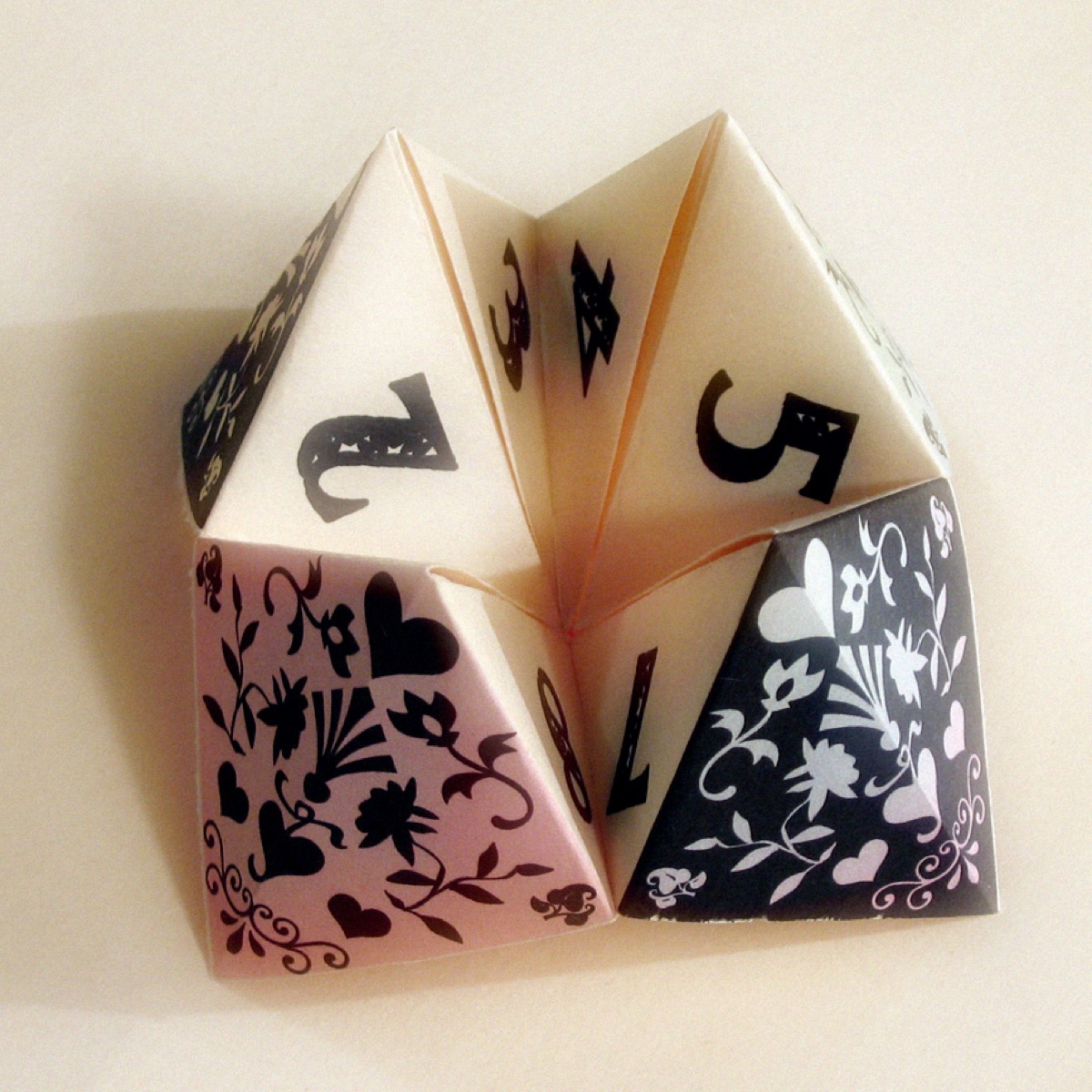
Paper Fortune Tellers
The folded-paper contraption you worked with your fingers to tell someone their future. Pick a color, pick a number, and under the last flap was your fate — who you'd marry, or something rude your friend had written. The classroom fortune-teller you could make out of a single square of notebook paper.

Covering Your Textbooks
The first week of school came with homework before you'd learned anything: take home the stack of hardcover textbooks the teacher just issued and cover every single one. You either cut open a brown paper grocery bag and folded it into a snug jacket, or slid on a stretchy fabric cover in a color you actually liked. Then you brought them back the next day for the teacher to check.
Slam Books
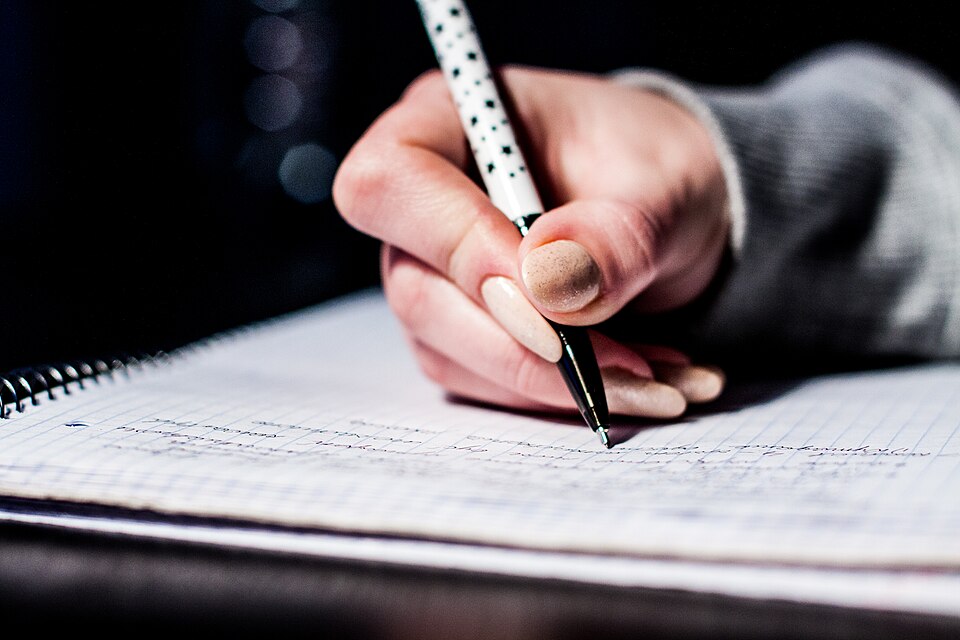
A spiral notebook, a question on every page, and your entire social standing hanging in the balance. The slam book was the 90s classroom's anonymous group chat — passed under desks, confiscated by teachers, and guaranteed to end at least one friendship by Friday.