Mixtapes
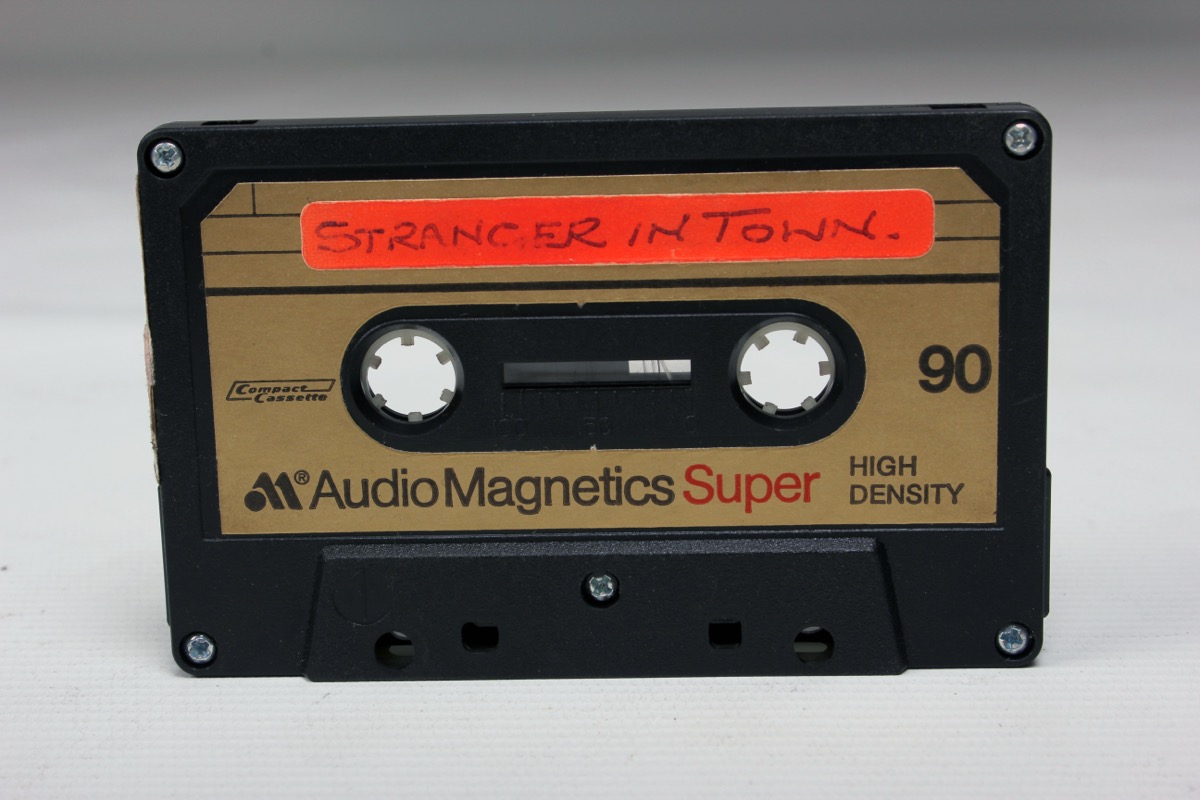
Photo credit: Photo: Stuart Childs, CC BY 2.0, via Wikimedia Commons
The compact cassette made music personal; the Walkman made it portable; and the mixtape made it meaningful. A hand-labeled tape was a love letter, a friendship offering, an identity statement — hovering over the record button to catch a song off the radio, agonizing over track order, building the perfect sequence for someone who mattered.
Philips introduced the Compact Cassette in 1963 with a free license, but Sony's 1979 Walkman ignited home taping. The craft became a ritual: raid your collection, tape off the radio, rewind the tape by hand when it twisted. The term 'mixtape' itself traces to early-1970s hip-hop, where DJs like Grandmaster Flash circulated tapes of their live sets in the Bronx, but cassette mixtapes became a universal currency of friendship and love across the 80s and 90s.
The recording industry fought back with the 1981 British 'Home Taping Is Killing Music' campaign, complete with a skull-and-crossbones Jolly Roger logo, but home taping only grew. CD burners in the late 90s and digital playlists around 2000 killed the physical mixtape, but the idea — a carefully curated sequence of songs chosen for someone — survives in every Spotify playlist and Apple Music share.
Similar items

MTV
MTV's 1990s golden era transformed the channel from music-video jukebox into a cultural force, with Total Request Live (TRL), The Real World, Beavis and Butt-Head, MTV Unplugged, and a rotation of music videos that defined the decade's soundtrack. Music Television delivered exactly what it promised: a place where youth culture, music, and rebellion converged on cable.

Walkman
Sony's cassette player made music something you carried: foam-pad headphones, a belt clip, and a pocketful of AA batteries it drained by the week. Born in 1979, it was such a default fact of 90s life that 'Walkman' had long since stopped meaning Sony and started meaning the whole idea.
Discman & CD Binders
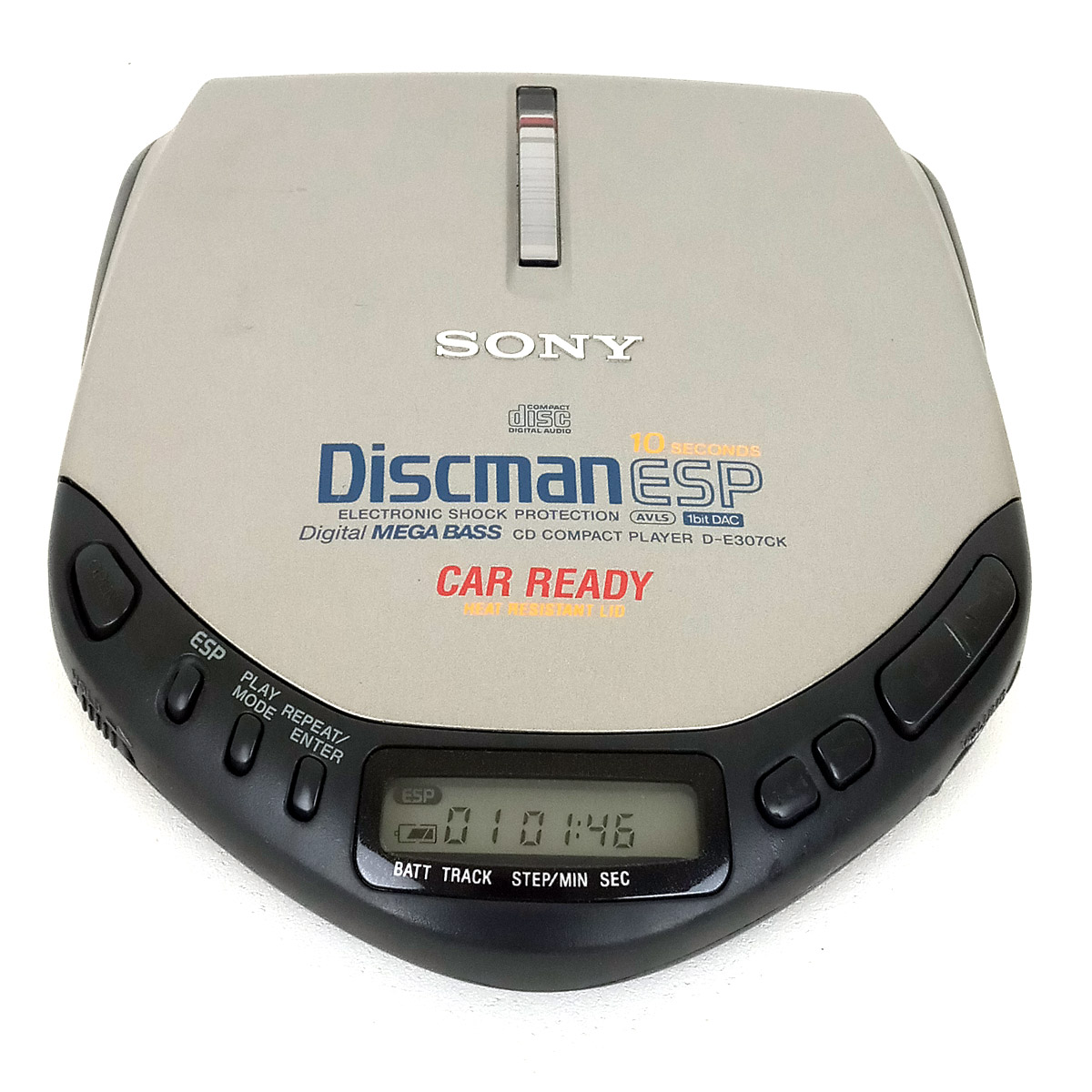
The ritual of portable CD life: a Sony Discman clipped to your waist or backpack, Electronic Skip Protection bragged on the box, and a zip-up CD binder holding exactly 24 discs — the ones that defined you. CD binders like Case Logic wallets replaced jewel cases, turning your music taste into curated, tangible proof of personality.

Columbia House
The mail-order music gamble that tangled millions in negative-option billing: "Get 12 CDs for a penny," then buy more albums at full price or face automatic charges. Columbia House was the trap that snapped shut after the free shipment arrived—and every kid who signed up under a fake name was trying to outsmart the system.