Weekly World News

Photo credit: Public domain (PD-textlogo), via Wikimedia Commons
The black-and-white checkout-line tabloid where nobody believed the lies and that was the whole point. Bat Boy, Elvis sightings, and "Dear Dotti" advice made kids read sideways while their moms unloaded groceries.
Weekly World News was founded October 16, 1979 by Generoso Pope Jr., specifically to keep using the black-and-white presses the National Enquirer abandoned when it moved to color. The formula was simple and ruthless: Elvis alive, aliens endorsing presidential candidates, "ALIVE!" discoveries of things that couldn't possibly be alive, advice from "Dear Dotti," and the perpetually furious fake conservative columnist Ed Anger (created in 1979 by Rafe Klinger).
Its icon was Bat Boy, the shrieking half-bat child "discovered" in West Virginia's Lost World Caverns, first appearing in 1992. Bat Boy became a genuine pop-culture figure — so ridiculous he transcended parody, eventually spawning an off-Broadway musical. Circulation peaked around 1.2 million copies an issue. Kids read it sideways in the checkout line while their moms unloaded the cart; the running joke was that it was the only honest paper, because everyone knew it was lying.
Print ended August 27, 2007. The paper relaunched online in 2009 and even returned to limited print in 2021, but the magic was the format: black-and-white pages, a screaming Bat Boy cover, and the shared understanding that nobody believed a word of it.
Similar items
Nickelodeon Magazine
The kids' magazine that brought Nickelodeon into mailboxes nationwide, packed with comics, pranks, gross-out humor, and celebrity features. Published from 1993 to 2009, it was the must-read subscription for 1990s and 2000s kids.

Maxim
The "lad mag" that lived on every barbershop shelf and older brother's bedroom floor. Maxim brought cover models, cheeky lists, gear reviews, and the famous Hot 100 to millions of readers in the early 2000s—a condensed, irreverent take on lifestyle media that dominated dorms and waiting rooms.

The Daily Newspaper
The morning ritual when the paper landed on the doorstep and the whole household converged on it: TV listings, box scores, classifieds, comics, and coupons. The 90s were the last decade the world ran on yesterday's paper.
Absolut Ad Collecting
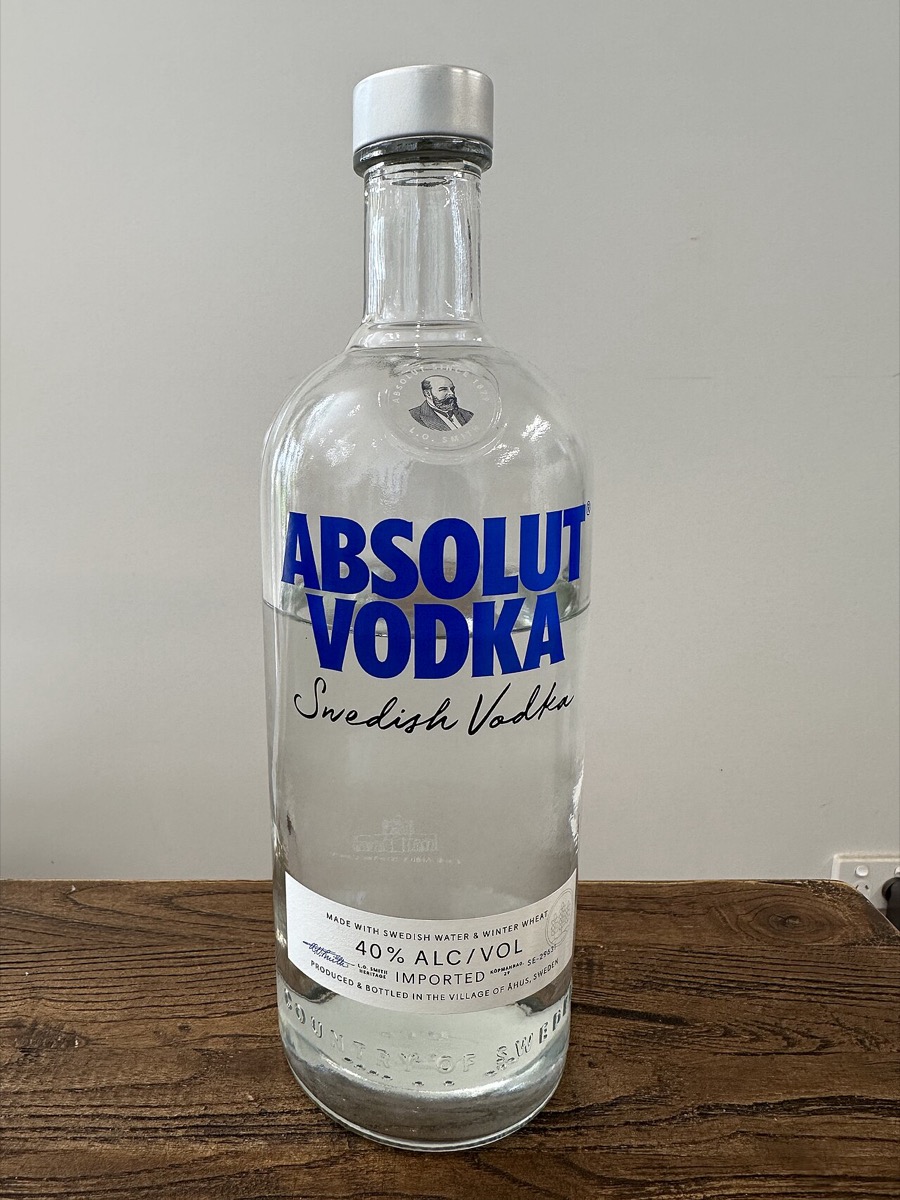
The phenomenon wasn't about drinking — it was about collecting the ads. Absolut's iconic bottle-silhouette campaign generated hundreds of witty one-word variations ('Absolut L.A.', 'Absolut Warhol'), which teens and adults tore from magazines, traded, and wallpapered across bedroom walls and school lockers throughout the 1990s.