The Presidential Physical Fitness Test

Once a year, gym class turned into a testing gauntlet: the pull-up bar, the sit-and-reach box, the shuttle run, and the curl-ups counted out by a partner. Do well enough across all of it and you earned the Presidential Physical Fitness Award. Come up short on the pull-ups in front of everyone and you just prayed for it to be over.
The program's roots go back to 1956, when President Eisenhower established what was first called the President's Council on Youth Fitness out of concern that American kids were falling behind on physical health. In 1966, under President Lyndon Johnson, the council introduced the Presidential Physical Fitness Award, tied to a standardized battery of fitness tests given in schools. For the next several decades, that once-a-year test was a rite of passage in American gym classes.
The events are burned into a generation's memory. You ran the mile, cranked out curl-ups while a classmate held your feet, and ran the shuttle run back and forth grabbing wooden blocks off the floor. There was a flexibility test — the sit-and-reach box, and in some years the V-sit reach — and, most dreaded of all, the pull-up bar, with the flexed-arm hang as the fallback for anyone who couldn't manage a pull-up, performed in front of the whole class with nowhere to hide if your arms gave out. (The test's early decades had featured a 50-yard dash and a standing broad jump, but those were long gone by the '90s.) Scores were stacked against national percentiles, and only kids who landed in the top tier — the 85th percentile or better across the events — earned the Presidential Physical Fitness Award, with lower awards (National and Participant) for everyone else.
The payoff was the certificate and the patch — a coveted embroidered emblem you could sew onto a jacket or gym bag, proof you'd out-pull-upped almost everyone. For plenty of other kids the annual test was less triumph than mild dread, a public accounting of exactly how many pull-ups you could or couldn't do. The Presidential Physical Fitness Test in its classic form was retired after the 2012–2013 school year, replaced by a program focused on personal health rather than ranking kids against each other — closing the book on the pull-up bar and the sit-and-reach box that defined a generation of gym classes.
Similar items

D.A.R.E.
Drug Abuse Resistance Education — the program that sent a uniformed police officer into your elementary classroom to talk about saying no to drugs. You watched slideshows, filled out a workbook, maybe met a police dog, and graduated with the T-shirt everyone in the '90s wore. The message was simple; the results, it turned out, were complicated.
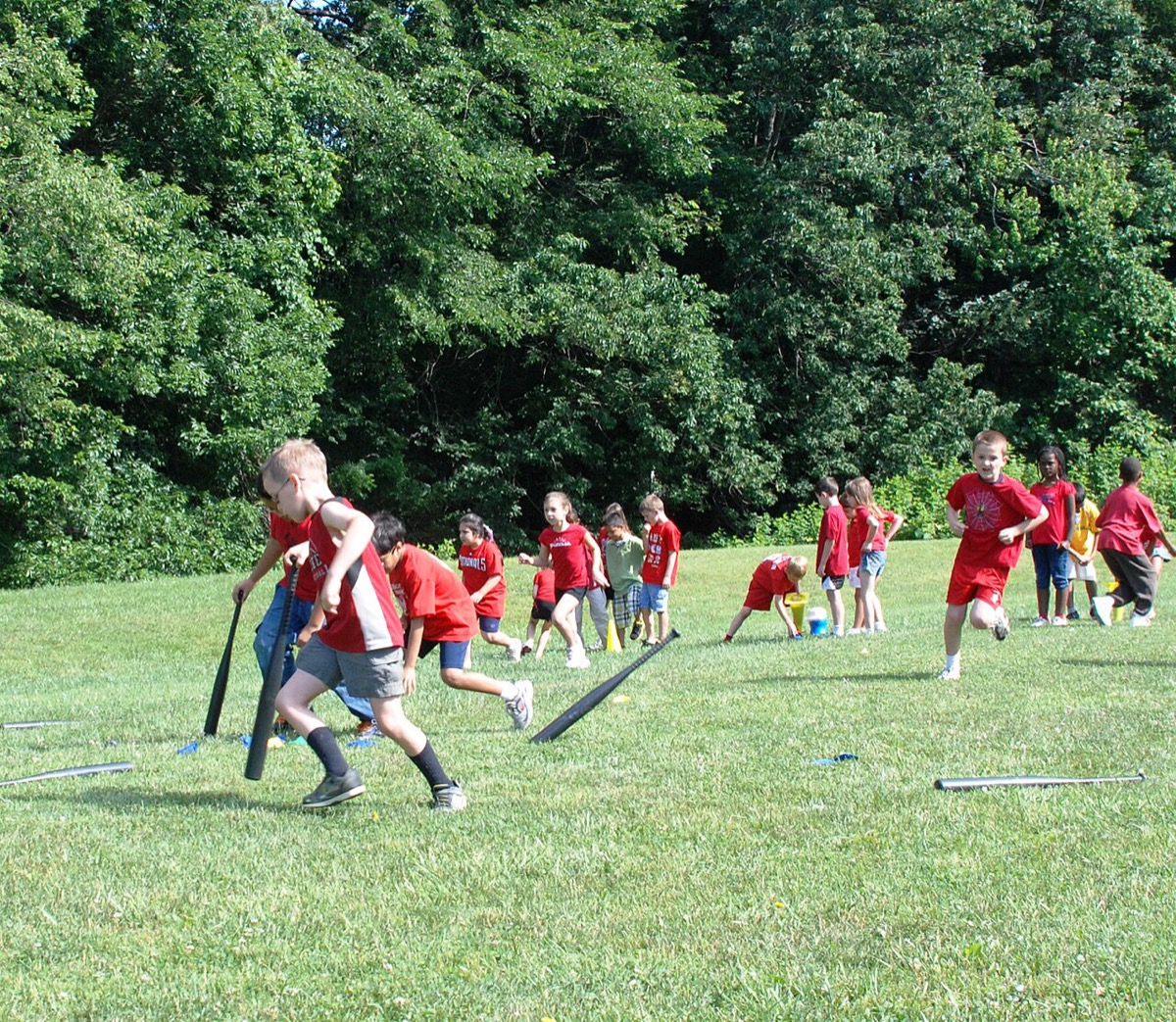
School Field Day
The end-of-year outdoor blowout when class got canceled for a day of sack races, tug-of-war, three-legged races, and water-balloon tosses out on the field. Everybody went home sunburned and clutching a ribbon — even if it just said "Participant."
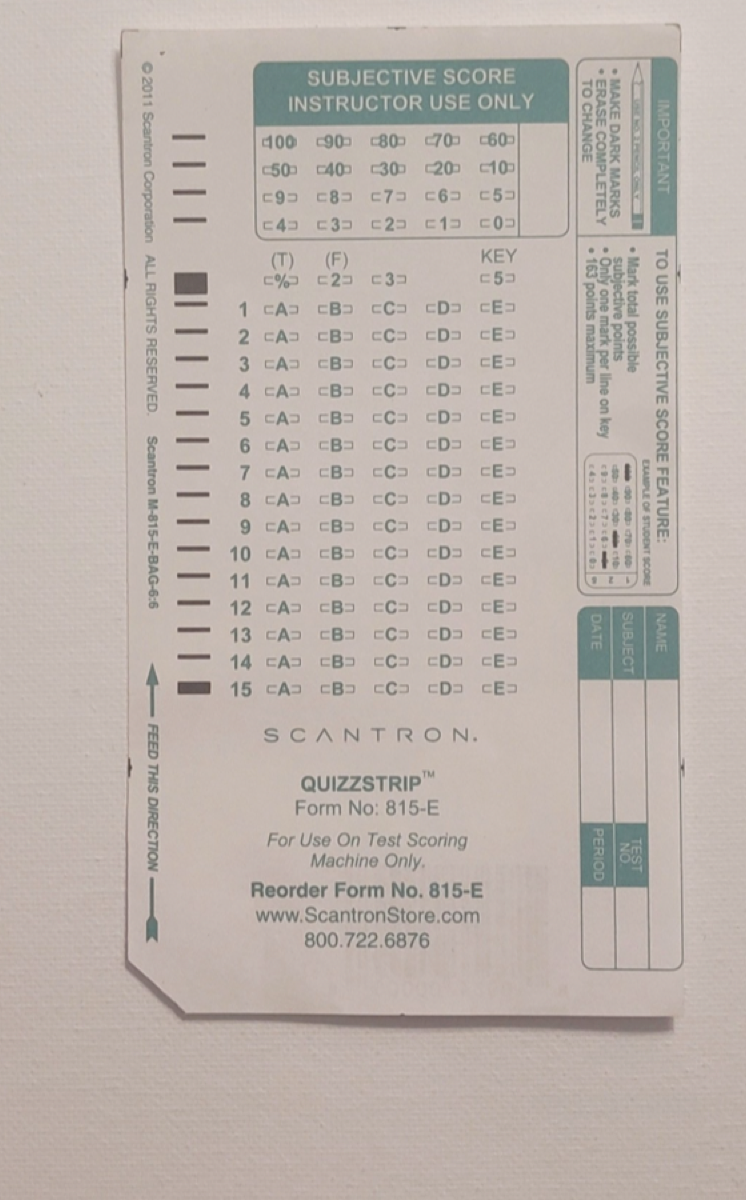
Scantron
The green (or blue, depending on your school) bubble sheet that turned testing into a ritual of dread. The Scantron form—with its perfectly aligned bubbles and #2-pencil-only mandate—wasn't just a testing tool; it was a rite of passage, complete with the terror of erasure shadows and red hash marks on the returned sheet.
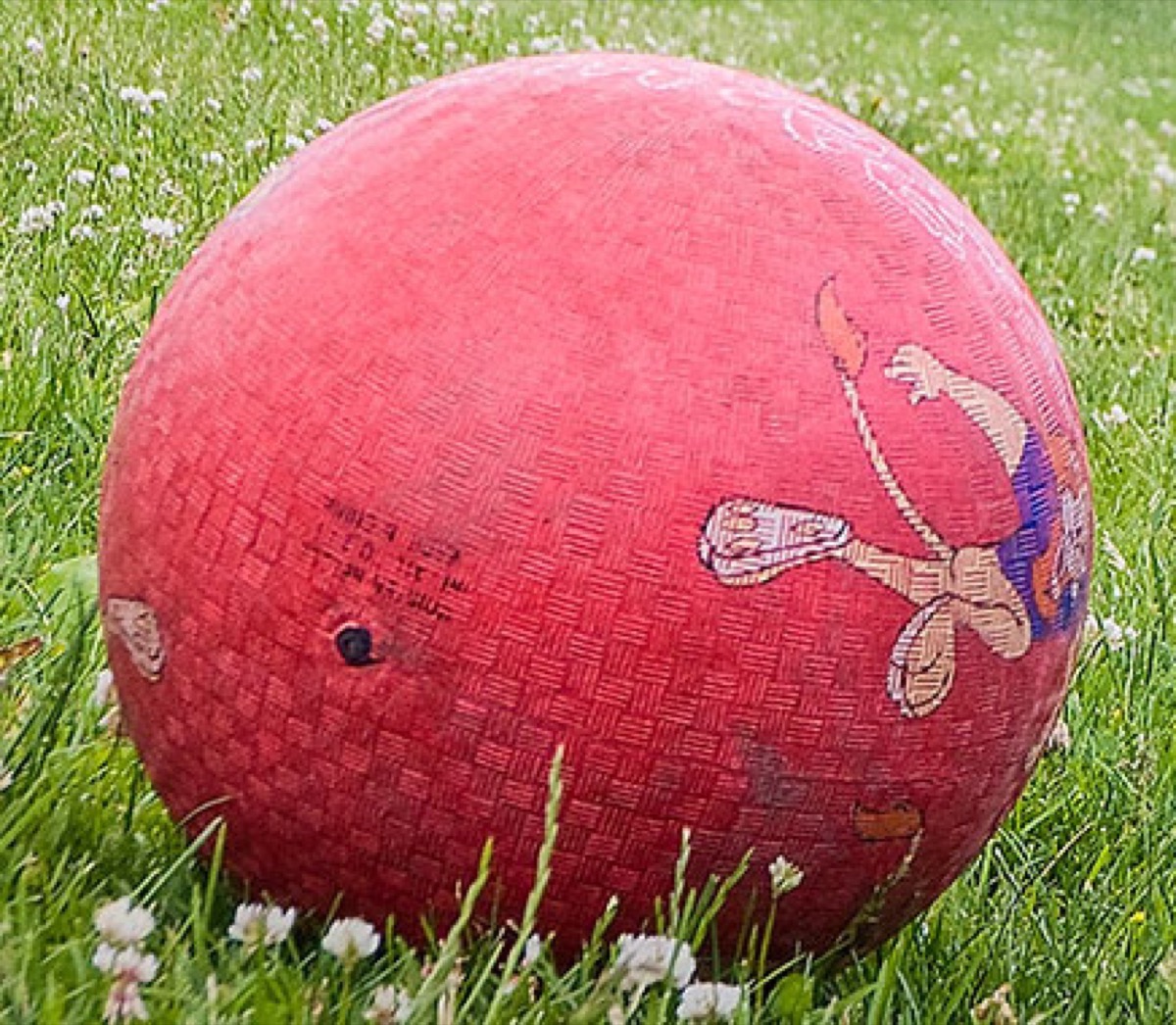
Kickball
The great equalizer of elementary recess: a big red rubber ball, a diamond scuffed into the grass, and a game of baseball you played with your feet. The same ball did double duty for four-square and dodgeball.