Now and Later
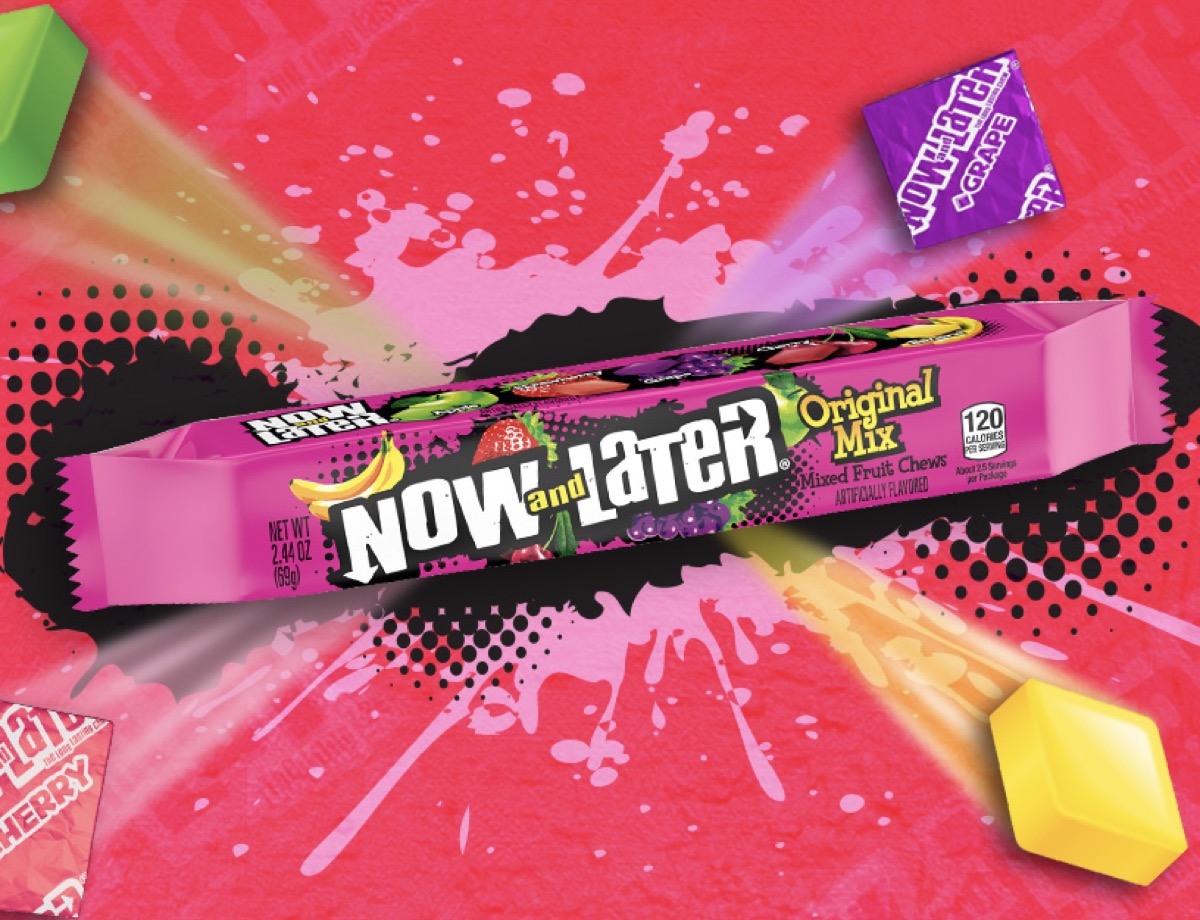
The corner-store fruit squares that started out jaw-breakingly stiff and only gave in after honest work — think Starburst, but way harder. The name was the sales pitch: eat some now, save some for later. Whether any kid ever actually saved some is another matter.
Now and Later launched in 1962, created by the Phoenix Candy Company of Brooklyn, New York. The name captured the entire pitch: a pack held enough individually wrapped squares that you could eat some now and save the rest for later — a thrifty promise that worked on kids and on the grown-ups buying for them. The candy itself was a square fruit chew wrapped in colorful paper, taffy-like but famously reluctant: stiff at the first bite, surrendering only gradually.
That hardness was the identity, not a flaw. Softer squares existed — Starburst most famously — but Now and Later demanded jaw-work and rewarded the effort, each square a small physical negotiation that stretched a quarter's worth of candy across a whole afternoon. It made Now and Later the value pick of corner stores and checkout racks, the pack you bought when the walk home was long.
The little Brooklyn candy went on to live one of the great corporate odysseys in the business: through Beatrice Foods, a pair of Finnish owners, Nabisco's LifeSavers division, Kraft, and Farley's & Sathers, before landing at Ferrara Candy Company in 2012, where it remains. The flavor wall grew along the way — apple, banana, blue raspberry, cherry, grape, watermelon and more — but the essential contract never changed: the candy makes you wait, and that's the point.
Similar items
Starburst
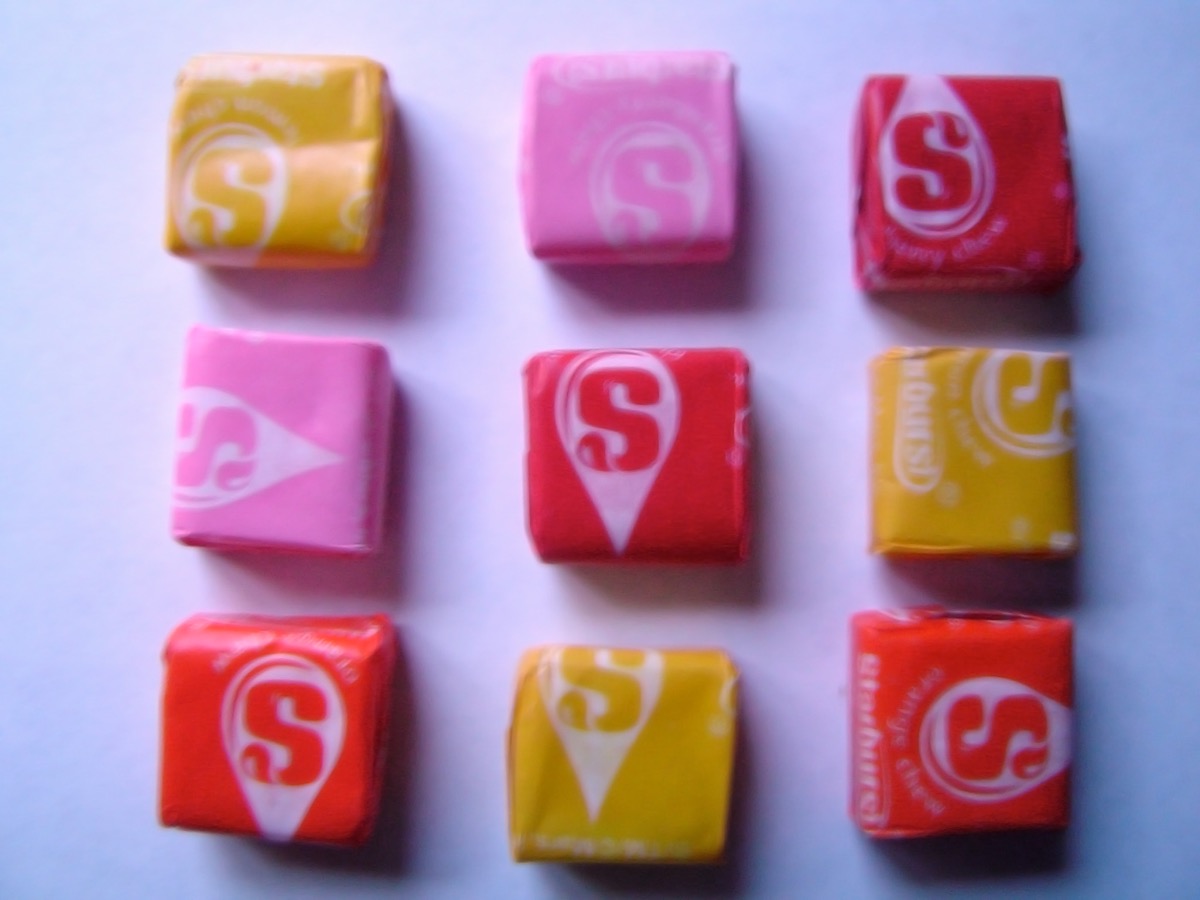
Juicy square fruit chews in individual twist wrappers, with a transatlantic double identity — Opal Fruits in Britain, Starburst in America — and a lunchroom economy all their own, in which pink was a personality trait and the wrappers became origami.

Spree
The tart candy discs that came rattling out of every bowling-alley and skating-rink vending machine in the 90s — a roll of fruit-shelled dots that outlasted a few games or a few laps around the rink. A mid-1960s invention that a later generation claimed completely.

Airheads
The stretchy, tangy taffy bar in the loud mylar wrapper — Blue Raspberry stained your tongue, and White Mystery was a gamble by design. Fifty cents of pure lunchbox status.
Bubblicious
The soft square chunk of bubble gum in the loud neon wrapper — huge flavor for about ten glorious minutes, then you reached for another piece. Launched in 1977 as American Chicle's answer to Bubble Yum, it spent the 90s as corner-store royalty with a flavor list that read like a slushie machine.