AriZona Iced Tea

The Big Can: a tallboy of iced tea wrapped in pastel southwestern art that looked like nothing else in the cooler. It came out of a Brooklyn warehouse in 1992 to fight Snapple, priced at 99 cents — a number the company later started printing on the aluminum itself, and has refused to let go of ever since, through thirty-plus years of inflation.
Don Vultaggio and John Ferolito were Brooklyn beverage men — they had spent years running a beer distribution business together before either of them thought about tea. What changed their minds was watching Snapple. Iced tea was suddenly a category worth being in, so in May 1992 the first AriZona cans came off the line: lemon and raspberry, in bright pink and turquoise. The green tea with ginseng and honey that everyone now thinks of as the original wasn't there. That arrived in 1996, four years late to its own brand, and promptly became the company's most popular product and stayed that way.
The Big Can was a strategy, not a whim. Snapple sold 16 ounces in a glass bottle; Vultaggio's can held 24 and cost the same. The look came from the same instinct. AriZona had no money for advertising, so the packaging had to do the advertising: "Since I didn't have the resources to compete with Coke and Pepsi on advertising," Vultaggio said, "I said I've got to have a can that jumps out of the cooler." The southwestern palette was borrowed from his own white-and-turquoise stucco house in Queens, and the designs themselves were created by his wife, Ilene, with a graphic designer named Jean Pettine working on the early art. A brand that looks like the desert was designed at a kitchen table in New York City by people who were selling it against Snapple.
It landed in the middle of a genuine boom. "New Age" beverages — teas, juices, flavored waters, everything that wasn't cola — had grown into a roughly six-billion-dollar business by the mid-90s, and 1995 alone saw more than four hundred new iced teas introduced. Most of them are gone. AriZona moved eighteen million cases in its first three years and was in all fifty states by the end of 1994.
The 99¢ came in two stages, and conflating them is the easy mistake. The price has been 99 cents since 1992. Printing it on the can started later, in the mid-90s — an idea one of the company's own salesmen called the dumbest he had ever heard. By 2000, Vultaggio told the New York Times, sales were up thirty percent. And it is worth being clear about what that printed number actually does, because the folklore has it backwards: it is a suggestion, not a rule. Stores charge more all the time, commonly anywhere from $1.15 to $2.00, and AriZona will happily print you cans with no price on them if you'd rather charge what you like. "Unfortunately," Vultaggio has said, "we don't govern how store owners choose to price their products."
There is no fade to this story, which makes it unusual company on this site. AriZona is far bigger now than it was in the 90s — the number two ready-to-drink tea in America, behind only Lipton — and it keeps that 99 cents on the can by spending almost nothing on advertising and by engineering the can itself, which has quietly shrunk from 24 ounces at launch to 22 today — the most recent trim made to save aluminum rather than move the number. What the 90s own is the birth, the growth curve, and the look. In 2025, with aluminum tariffs pressing, Vultaggio finally allowed that the number might have to move: "I hate even the thought of it. It would be a hell of a shame after 30-plus years."
Similar items

Snapple
The iced-tea and juice-drink brand that defined 1990s refreshment, served in a distinctive glass bottle with a metal cap (the famous "Real Facts" printed under the lid didn't arrive until 2002). That satisfying pop when you opened it, the quirky trivia, and flavors like peach and raspberry made Snapple a generational memory.

Fruitopia
Coca-Cola's psychedelic, tie-dyed fruit drink 'for the mind, body, and planet.' The trippy kaleidoscope vending machines and New-Age flavor names — Strawberry Passion Awareness — were peak-'90s marketing weirdness.
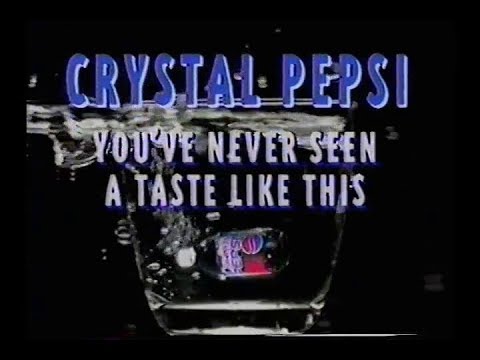
Crystal Pepsi
The clear cola that tasted like 90s optimism and regret mixed together. Crystal Pepsi was caffeine-free, marketed on a fever dream of purity, and backed by a Super Bowl ad that tried desperately to make it cool.

Jones Soda
The indie soda in a glass bottle with a customer-submitted photo on every label — weird, grainy snapshots of real life where the big brands would have put a logo. And once a year, flavors like Turkey & Gravy turned the whole company into performance art.