Everlasting Gobstoppers
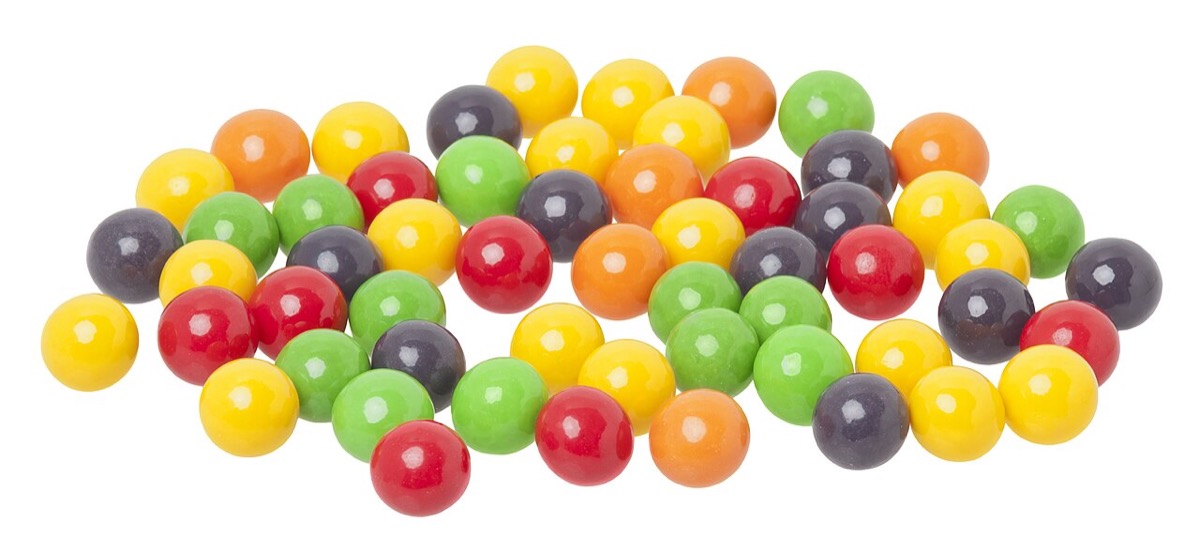
Photo credit: Photo: Evan-Amos, Public domain, via Wikimedia Commons
The real-world candy named after Roald Dahl's fictional invention: small multicolored layered jawbreakers that change flavor and hue as they dissolve. Launched in 1976 under the Willy Wonka Candy brand, they became a staple of 1990s lunchboxes and movie-theater concessions.
The Willy Wonka Candy Company, inspired by Roald Dahl's 1964 novel 'Charlie and the Chocolate Factory,' introduced Everlasting Gobstoppers in 1976 as small, hard jawbreakers with a clever gimmick: successive color and flavor layers that revealed themselves as you licked and dissolved the outer shell. The candy came in a distinctive yellow box that mimicked the book's visual style. The product was initially produced by Breaker Confections and later acquired by Sunmark, eventually coming under Nestlé's umbrella.
Everlasting Gobstoppers became iconic fixtures of 1990s childhood. Kids bought them at movie theaters, packed them in lunchboxes, and conducted taste-tests to debate which flavor layer was best. The candy's appeal was both the changing sensations and the longevity — unlike most candies, a single Gobstopper could last through an entire recess. The brand remains in continuous production, and the nostalgic yellow box is still recognizable on candy-store shelves.
Similar items
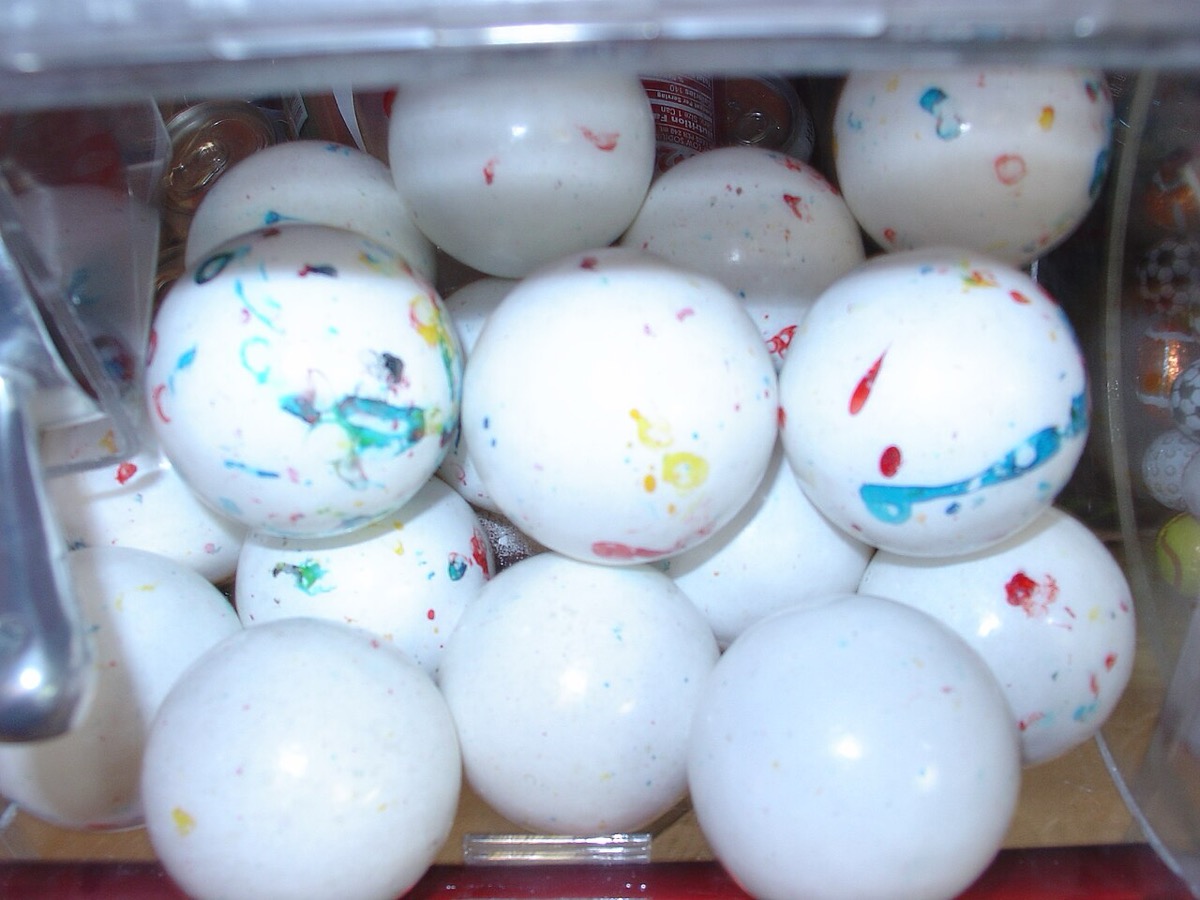
Giant Jawbreaker in a Bag
Baseball-sized or larger multicolor jawbreakers (2–3+ inches across) that were physically impossible to finish, so kids licked them for weeks and carried them in plastic sandwich bags between sessions. Comparing color layers and tracking progress became peak 1990s playground status symbol.
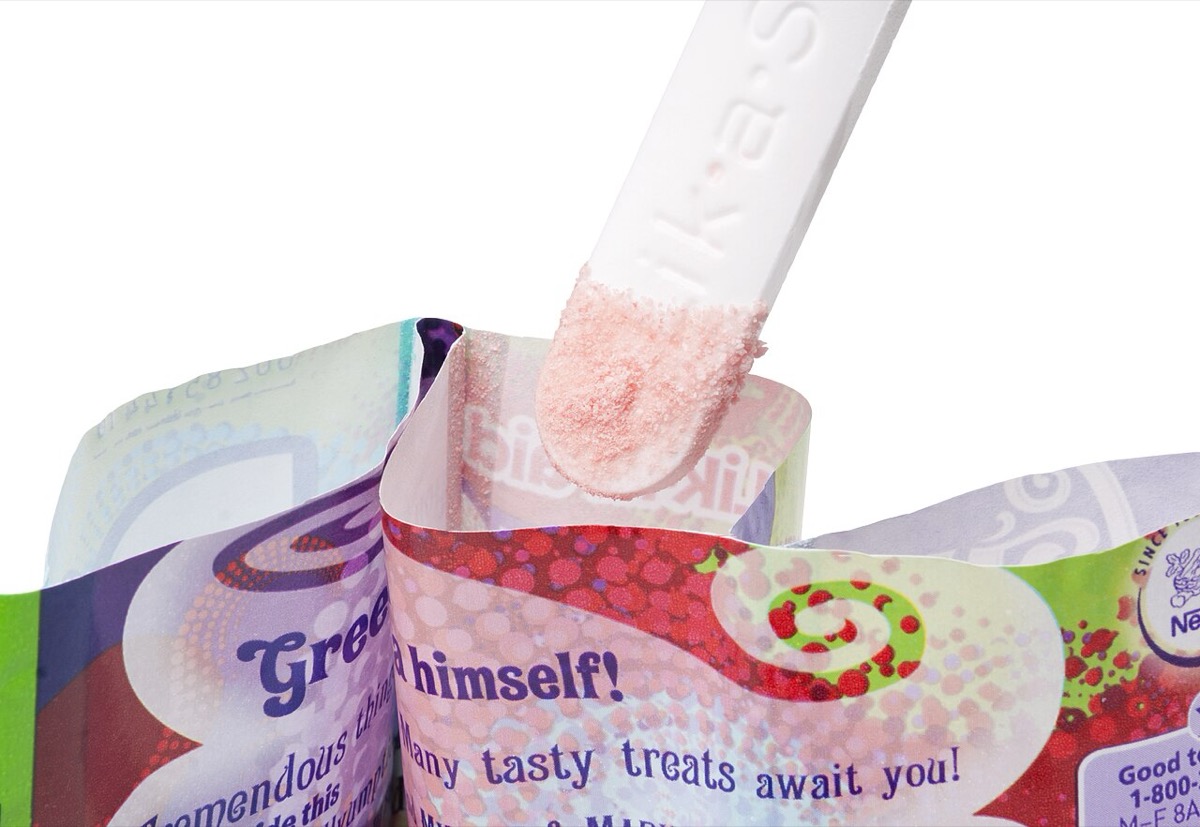
Fun Dip
A pouch of intensely flavored colored sugar and a chalky Lik-A-Stix to dip into it — lick, dip, repeat, until your tongue was stained blue and the stick itself became the last course. Peak checkout-lane sugar delivery.

Nerds Rope
A rope of soft gummy armored head-to-toe in crunchy Nerds. The texture contrast was the entire point — gummy squish, candy crunch, one bite after another. Lunchroom currency: you traded them, dangled them, bit straight across.
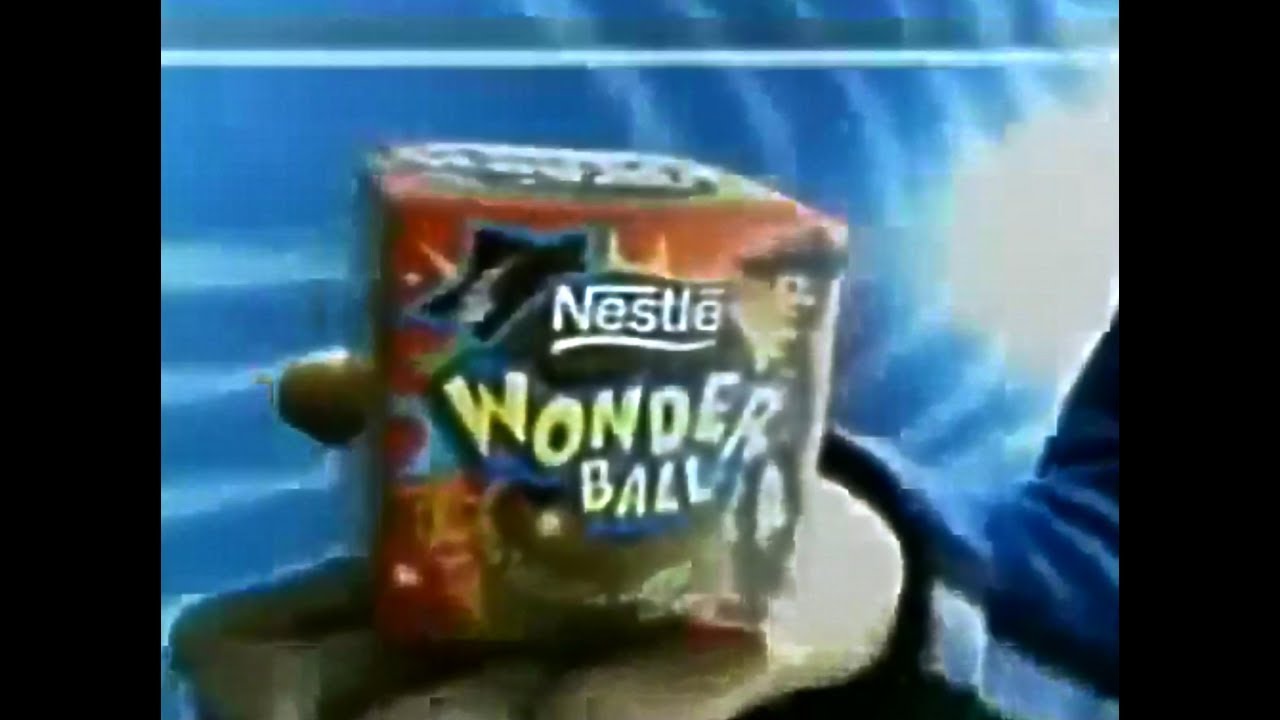
Nestlé Wonder Ball
The hollow milk-chocolate sphere with a surprise sealed inside. 'What's in the Wonder Ball?' You cracked it open to find little candies — a treasure-hunt snack that had a much stranger backstory than most kids ever knew.