Heinz EZ Squirt

Ketchup, but Blastin' Green — then Funky Purple, and a rainbow of colors after that. Heinz put the condiment in a skinny-nozzled squeeze bottle so kids could draw with it, and for a few early-2000s years, dinner plates got weird.
Heinz announced EZ Squirt on July 10, 2000, and the bottles hit shelves that fall. The first trick wasn't the flavor — the ketchup tasted the same — but the color: "Blastin' Green." Packaged in a soft squeeze bottle with a narrow nozzle designed for small hands, it invited kids to write their names and draw on their food, and it was an instant sensation.
Heinz kept the novelty rolling. "Funky Purple" was announced on July 31, 2001 and reached stores that September; then in late April 2002 came the "Mystery Color" bottles — Passion Pink, Awesome Orange, or Totally Teal, with no way to tell which until you squeezed — followed later by Stellar Blue.
The fad burned bright and short. As the novelty wore off and parents tired of green and purple plates, sales faded, and Heinz discontinued EZ Squirt in 2006. It endures as a perfectly turn-of-the-millennium artifact — the brief, glorious era when ketchup came in colors it was never meant to be.
Similar items
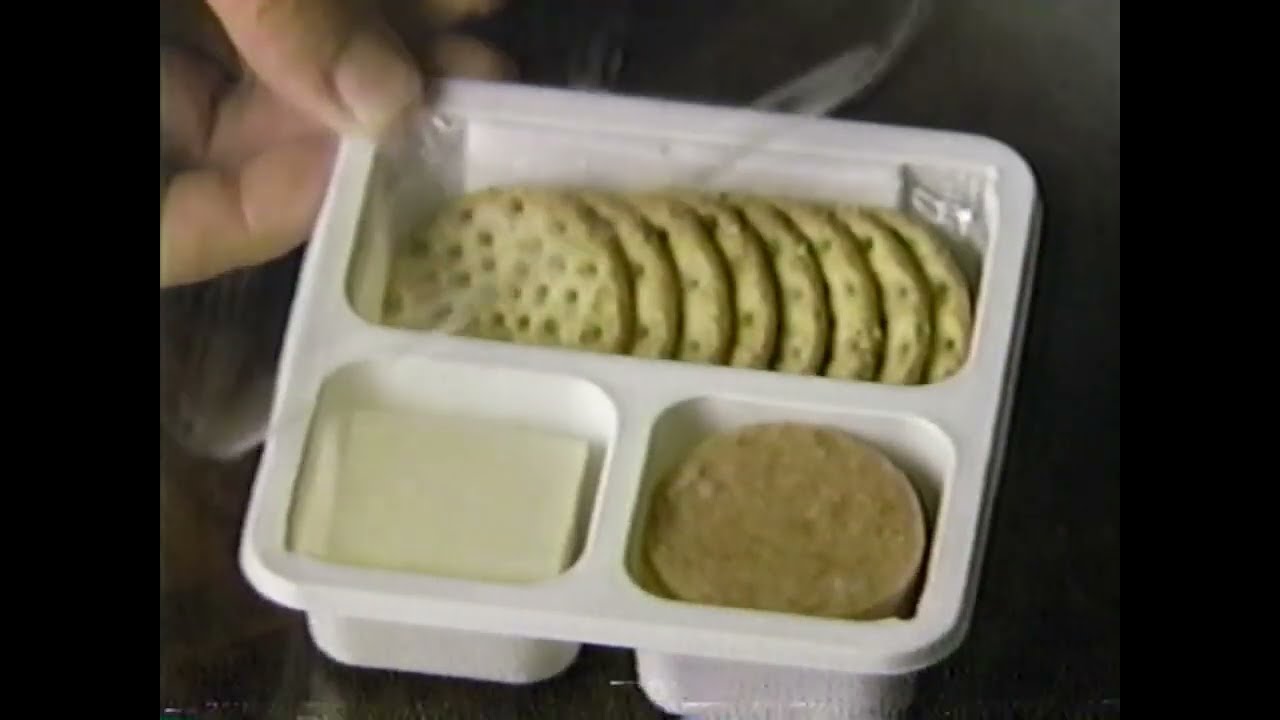
Lunchables
Prepackaged lunch trays where kids assembled their own mini-sandwiches from stackable crackers, meat slices, and cheese. The appeal was autonomy — you were in charge — making Lunchables a 1990s lunchbox status symbol that transformed eating from a chore into an activity.

Dunkaroos
Betty Crocker's kangaroo snack pack: tiny cookies plus a frosting cup for dunking. The ultimate lunchbox flex of the mid-90s, Dunkaroos were so coveted they became playground currency—until parents killed the sugar craze.

Kid Cuisine
The frozen dinner built for kids: a compartmented tray with fried chicken or nuggets, corn, and a gooey brownie or pudding in its own well, fronted by a cartoon penguin. ConAgra's answer to the Happy Meal, minus the drive-thru.

Burger King Kids Club
Burger King's animated kids-meal gang, launched 1990: Kid Vid, I.Q., Boomer, Snaps, Wheels, Lingo, Jaws, and J.D. the dog. They lived on tray liners, toy packaging, and Saturday morning TV — except there was no show. The characters were the marketing.