Jelly Belly Jelly Beans
Tiny, intensely flavored gourmet jelly beans with a soft center that taste like their name — from banana to blueberry to buttered popcorn. Jelly Belly launched in 1976 as a premium departure from standard penny candy, becoming the gold standard for a generation of kids sorting through flavor combinations and swapping flavors with friends.
The Jelly Belly bean was conceived and named in 1976 by candy distributor David Klein, who commissioned the Herman Goelitz Candy Company — a family firm with roots stretching back to the 1800s, when Gustav Goelitz established a confectionery operation — to manufacture it; Goelitz bought the Jelly Belly trademark from Klein in 1980. The company had relocated to Oakland, California in 1924, where it remained when the signature mini jelly bean innovation arrived decades later. The breakthrough was simple: a smaller, softer bean that dissolved on the tongue and offered far more intense flavor than traditional jelly beans, making them feel like a gourmet treat rather than a staple aisle commodity.
The brand's cultural cachet received an enormous boost in the early 1980s when Ronald Reagan adopted Jelly Belly as his favorite candy. Reagan's preference was public enough that the company created the Blueberry flavor specifically to support his 1981 inauguration — 3.5 tons of red, white, and blue Jelly Belly beans were shipped to the event. The president's affection for the candy was more than ceremonial; the Goelitz company supplied Jelly Belly to the Reagan White House throughout his entire eight-year term, and Reagan's documented favorite flavor was licorice.
By the 1990s, Jelly Belly had become a fixture of childhood — kids would buy small bags and devote entire afternoons to swapping flavors, mixing unusual combinations, or hunting for the rarest ones. The brand expanded to dozens of flavors and later introduced official mix-your-own kits, tapping into the interactive fun of the candy. The visual appeal of sorting colorful mini beans was part of the draw, along with the sensory discovery of each flavor. Jelly Belly remained a premium candy despite its small size, commanding shelf space and loyalty that ordinary jelly beans never achieved.
Similar items
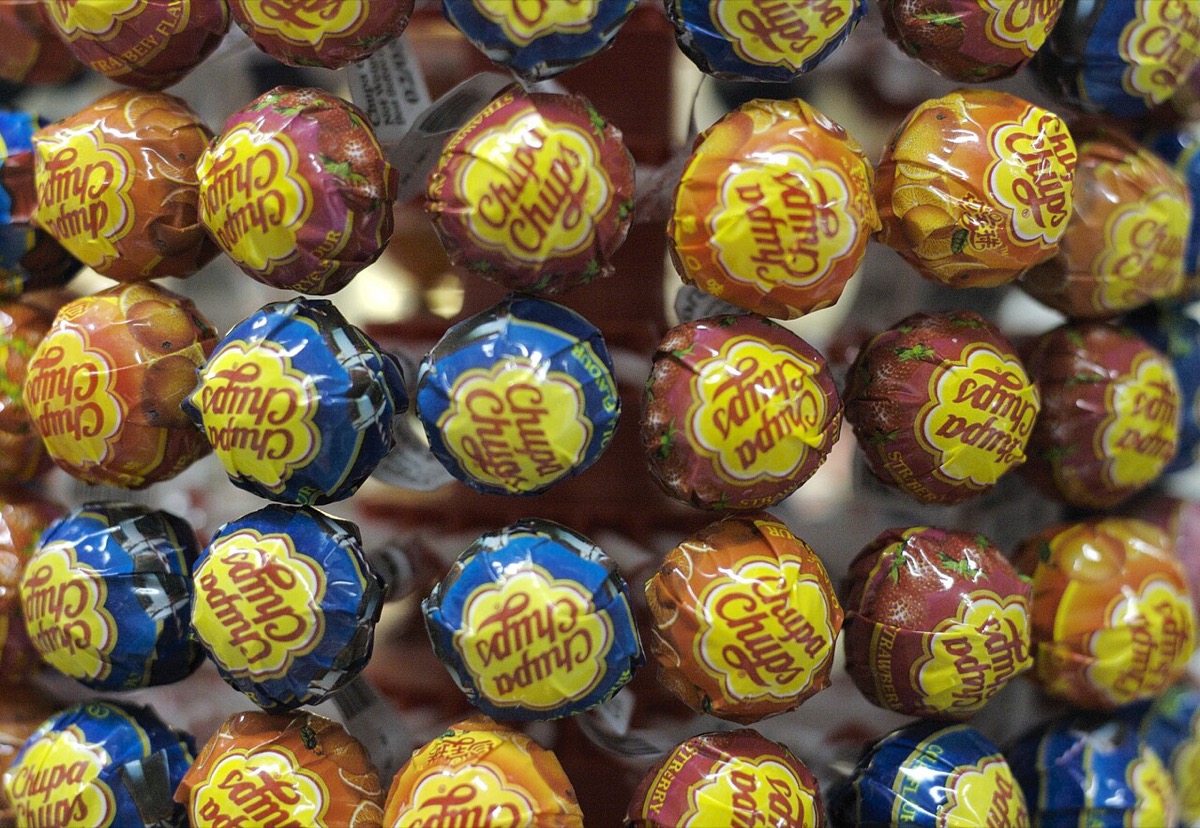
Chupa Chups
The Spanish lollipop with the unforgettable daisy-shaped logo designed by Salvador Dalí. The round candy on a stick solved a kid's eternal problem — no sticky hands — and the distinctive red-and-white wrapper with a centered daisy became one of the world's most recognizable candy marks.
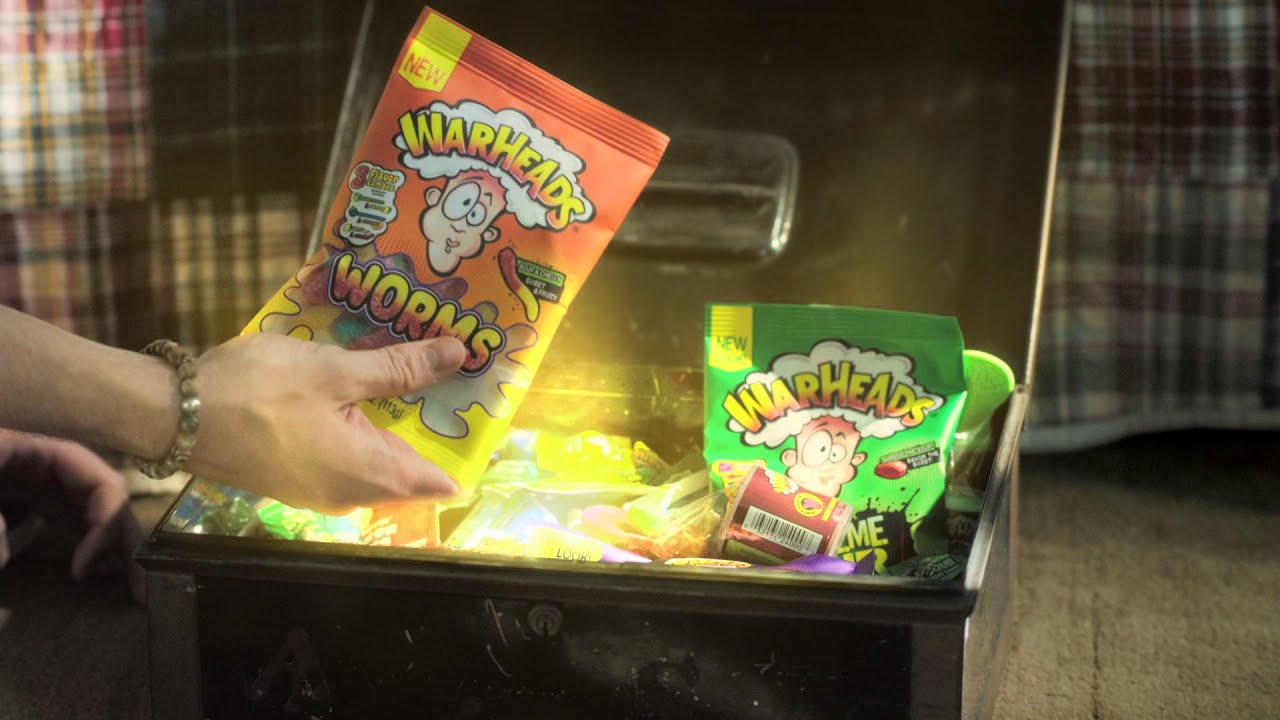
Warheads
The sour candy that burned your face off for five glorious seconds. Warheads turned the playground dare into a $40 million industry — keeping a straight face through the first ten seconds made you playground royalty.

Bertie Bott's Every Flavour Beans
Jelly beans that might be blueberry — or might be Vomit. Jelly Belly made the Harry Potter books' candy gamble real, gruesome flavors and all, and turned every playground into a dare arena: take one blind, make the face, sprint to the trash can.

Airheads
The stretchy, tangy taffy bar in the loud mylar wrapper — Blue Raspberry stained your tongue, and White Mystery was a gamble by design. Fifty cents of pure lunchbox status.