Fun Dip
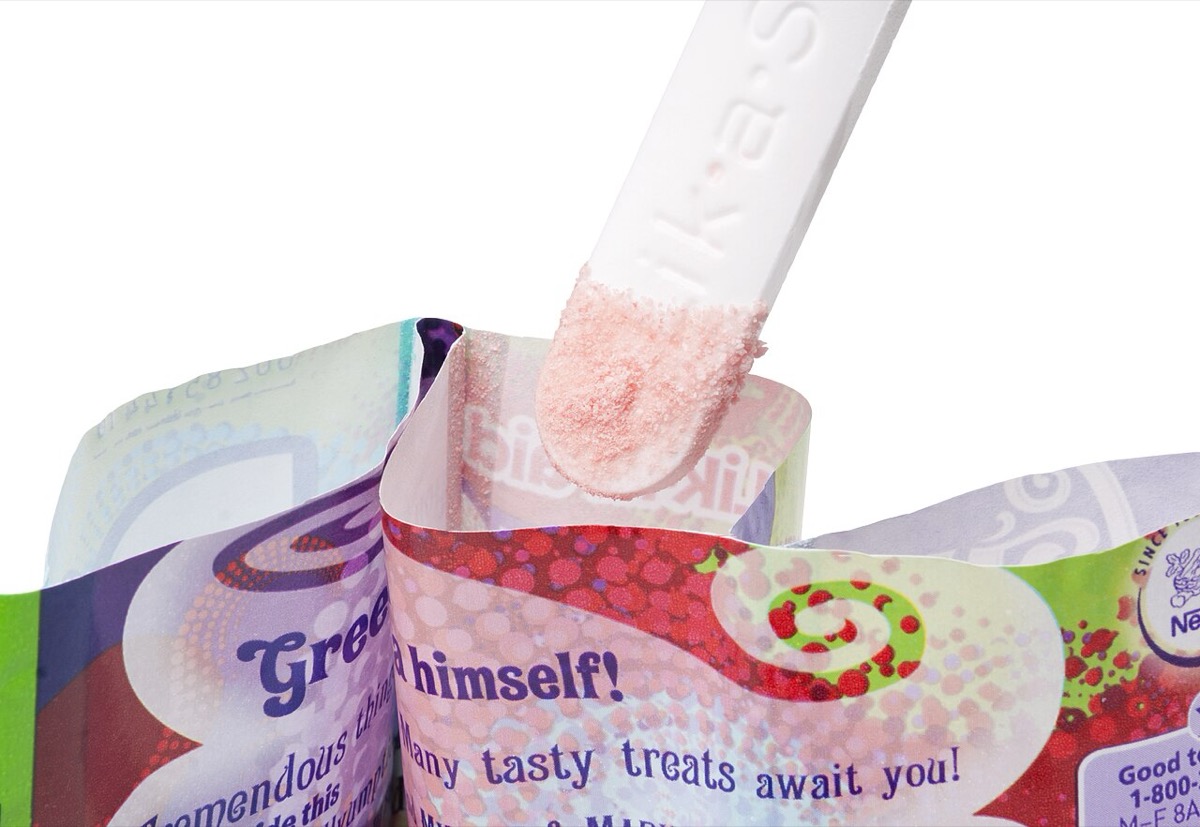
Photo credit: Photo: Evan-Amos, CC0, via Wikimedia Commons
A pouch of intensely flavored colored sugar and a chalky Lik-A-Stix to dip into it — lick, dip, repeat, until your tongue was stained blue and the stick itself became the last course. Peak checkout-lane sugar delivery.
Fun Dip is much older than it looks. It has been sold in the U.S. and Canada since the 1940s, originally as "Lik-M-Aid" — pouches of flavored sugar you poured onto your hand or tongue, first made by Fruzola and later by Sunline Inc. The product got its modern identity around 1973, when it was renamed Fun Dip and the edible "Lik-A-Stix" — chalky, faintly marshmallow-flavored dipping sticks — were added, turning loose sugar into an interactive ritual.
The brand kids of the '90s remember came wrapped in whimsy. Nestlé bought the candy line in 1989 and, in 1993, folded it into the newly branded Willy Wonka Candy Company, putting Fun Dip on the shelf alongside Nerds, Pixy Stix, and Gobstoppers under that Technicolor Wonka packaging. The signature '90s variant was Razz Apple Magic, whose stick changed color from blue to green as you licked it — a small chemistry demonstration disguised as candy.
The experience was gloriously simple and slightly feral: dip the stick, lick off the electric-sour sugar, repeat until the powder was gone, then just eat the sugar-soaked stick. It stained tongues, wrecked the concept of "a serving," and remains almost unchanged today (now under Ferrara) — pure, powdered nostalgia.
Similar items
Bubble Tape
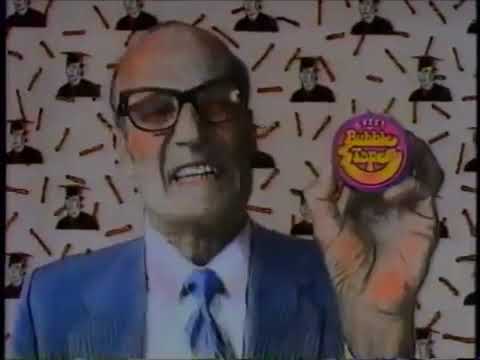
Six feet of bubble gum coiled inside a plastic tin the size of a hockey puck, dispensed like a roll of tape. The whole pitch — "for you, not them" — was a license to hoard, and the move was to peel off a long ribbon and cram the entire thing in your mouth at once.
The Halloween Candy Haul
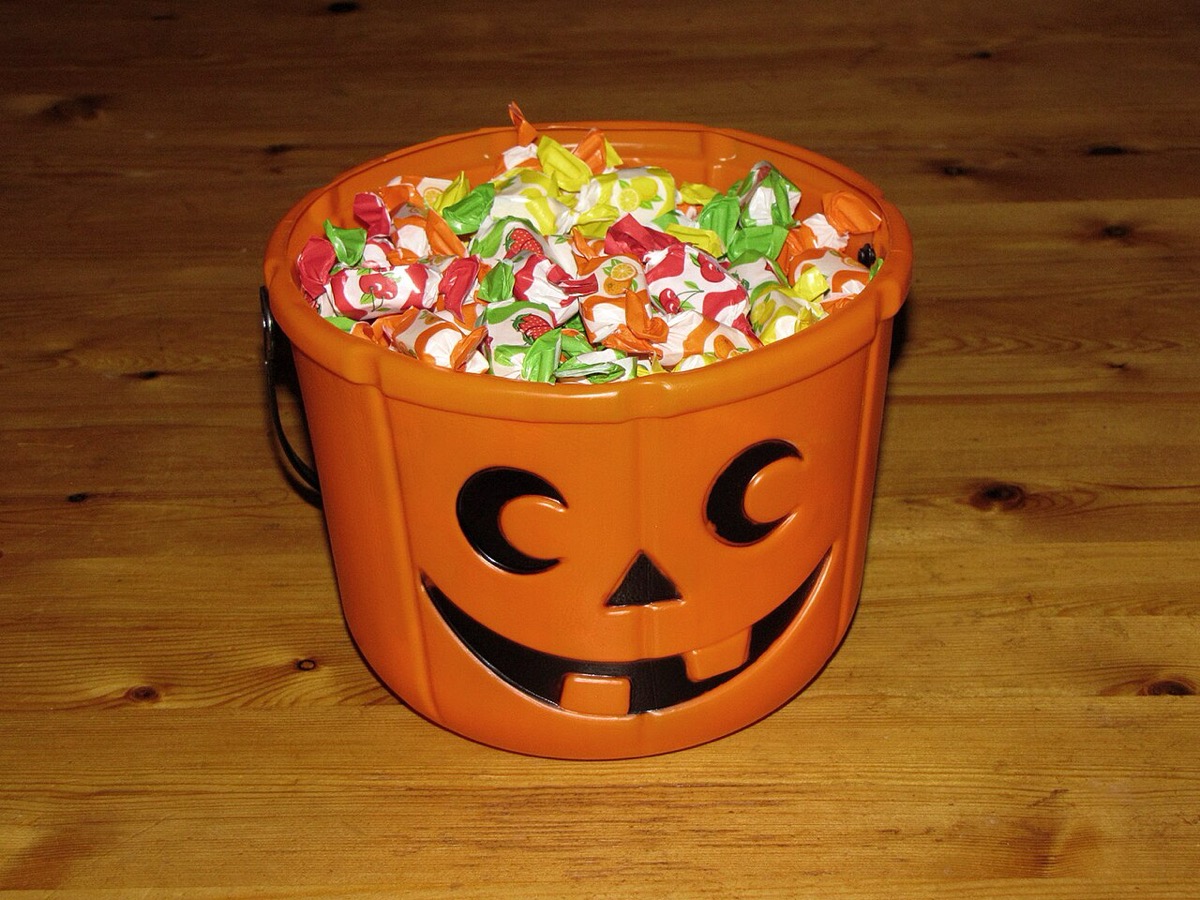
The real event started after trick-or-treating: dumping the pillowcase onto the living-room floor and sorting the haul into a personal taxonomy — chocolate aristocracy, fruity middle class, the circus-peanut underclass. Then came the trading floor: sibling negotiations with exchange rates everyone understood (one full-size anything was worth a fistful of anything else). And the parental 'safety inspection' tax: unwrapped candy confiscated, suspicious pinholes examined, a few 'tested' Snickers never seen again.
Everlasting Gobstoppers
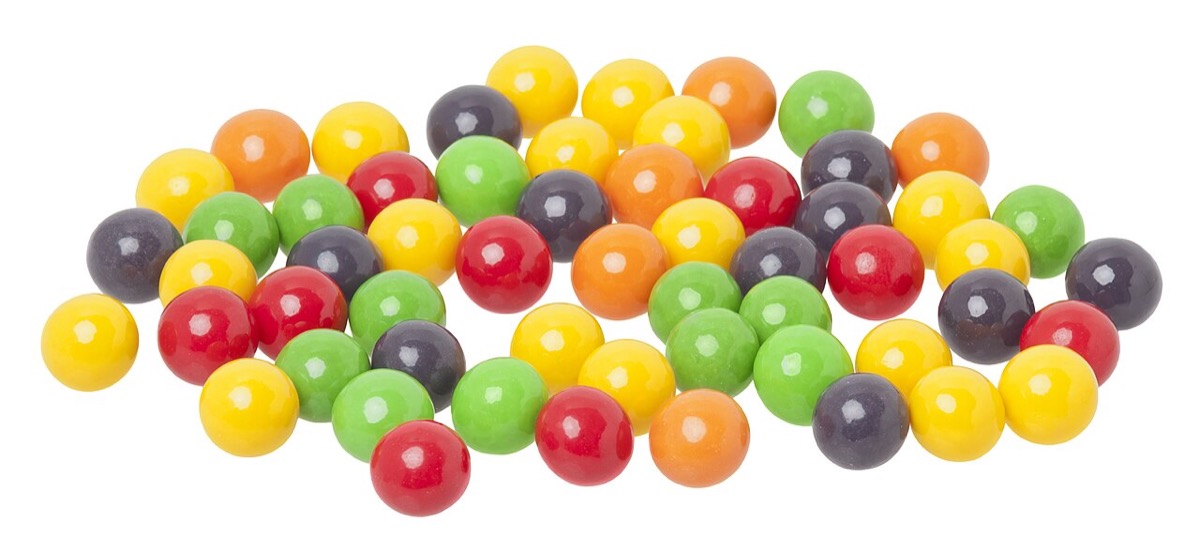
The real-world candy named after Roald Dahl's fictional invention: small multicolored layered jawbreakers that change flavor and hue as they dissolve. Launched in 1976 under the Willy Wonka Candy brand, they became a staple of 1990s lunchboxes and movie-theater concessions.

Airheads
The stretchy, tangy taffy bar in the loud mylar wrapper — Blue Raspberry stained your tongue, and White Mystery was a gamble by design. Fifty cents of pure lunchbox status.