Cup Noodles

Instant ramen in a foam cup—just add hot water and wait three minutes. Nissin's Cup Noodles became the ultimate latchkey-kid meal and dorm-room survival tool, affordable enough to buy by the case and fast enough to eat between homework and whatever came next.
Momofuku Ando, founder of Nissin, revolutionized instant ramen in 1958 by flash-frying noodles to lock in flavor and shelf-stability. But the cup format—the innovation that would define generations—launched in Japan on September 18, 1971. The idea was deceptively simple: pre-cooked ramen noodles in a disposable foam cup. Pour hot water, cover the lid, wait a few minutes, and eat directly from the cup. No dishes, no timing, no technique. By 1973, Nissin brought Cup O' Noodles to the United States, where it found an immediate audience.
In 1993, the brand shortened the US name from "Cup O' Noodles" to simply "Cup Noodles," a shift that reflected how deeply the product had embedded itself into American culture. Competing brands like Maruchan's Instant Lunch offered similar convenience at similar price points, but Cup Noodles owned the premium positioning through Nissin's marketing and its status as the original. A single cup cost under a dollar, made a full meal, and required nothing but hot water—a revelation for broke college students and unsupervised kids fending for themselves.
The cultural impact extended beyond convenience. Cup Noodles became the default meal of resourcefulness: eat it in a dorm, on a camping trip, in a car, at 2 AM while studying. It appeared in movies and TV as shorthand for "college student" or "poor but surviving." The accessibility of instant ramen—cheap, shelf-stable for years, globally available, and infinitely customizable (add an egg, some frozen vegetables, hot sauce)—meant it moved from survival food to comfort food to nostalgic staple, especially for millennials who remember 1990s latchkey afternoons and 2000s college years.
Similar items
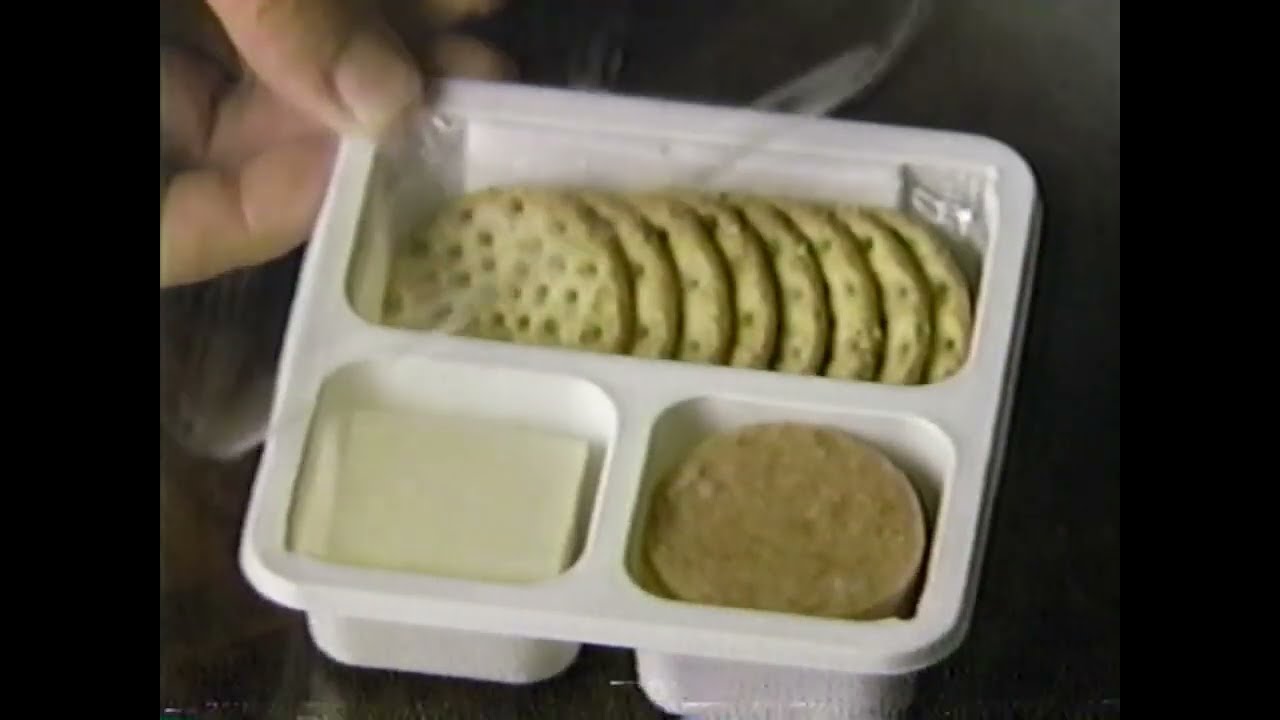
Lunchables
Prepackaged lunch trays where kids assembled their own mini-sandwiches from stackable crackers, meat slices, and cheese. The appeal was autonomy — you were in charge — making Lunchables a 1990s lunchbox status symbol that transformed eating from a chore into an activity.

Dunkaroos
Betty Crocker's kangaroo snack pack: tiny cookies plus a frosting cup for dunking. The ultimate lunchbox flex of the mid-90s, Dunkaroos were so coveted they became playground currency—until parents killed the sugar craze.

KFC Famous Bowls
Mashed potatoes, corn, popcorn chicken, gravy, cheese — the whole KFC menu stacked in one container, no apologies. It became a menu staple and an immortal punchline the moment Patton Oswalt called it "a failure pile in a sadness bowl."