Cherry Coke

Coca-Cola's first flavored cola—and if you were a 90s kid, the wild graffiti-scribble can is the one burned into your memory. Loud, scribbly, teenage energy on aluminum.
The Cherry Coke story starts before the bottle existed. Diners, drugstore soda fountains, and movie theaters had been hand-mixing cherry syrup into Coca-Cola for decades—an off-menu classic, the unofficial default when you wanted something sweet and slightly different. Coca-Cola noticed. They tested an official version at the 1982 World's Fair in Knoxville, Tennessee, then launched Cherry Coke in 1985—the first flavored cola the company had ever distributed. Sales slid after the initial novelty, and in 1991 Coca-Cola reformulated it to taste more like that original fountain cherry cola.
The transformation every 90s kid actually remembers came in 1994: Coca-Cola launched a wild graffiti-inspired visual makeover aimed squarely at teenagers—loud, scribbly, chaotic lettering splashed across the can like street art, bright colors that screamed rebellion from the cooler shelf. The look rolled out in phases around the world and reached American coolers by the mid-90s, and that visual IS Cherry Coke to the 90s kid. The brand ran a "Do something different" youth campaign starting in 1998, cementing its identity as the Coke for kids who thought regular Coke was their parents' drink.
In February 2007, Coca-Cola relaunched Cherry Coke again—this time with rapper Jay-Z as the official spokesman and another label redesign to go with it. The brand still exists today under the official name "Coca-Cola Cherry," but the graffiti-can era from the mid-90s? That's the one everyone remembers. It's the visual language that made the drink feel dangerous and exciting in a way a can of plain Coke never could.
Similar items
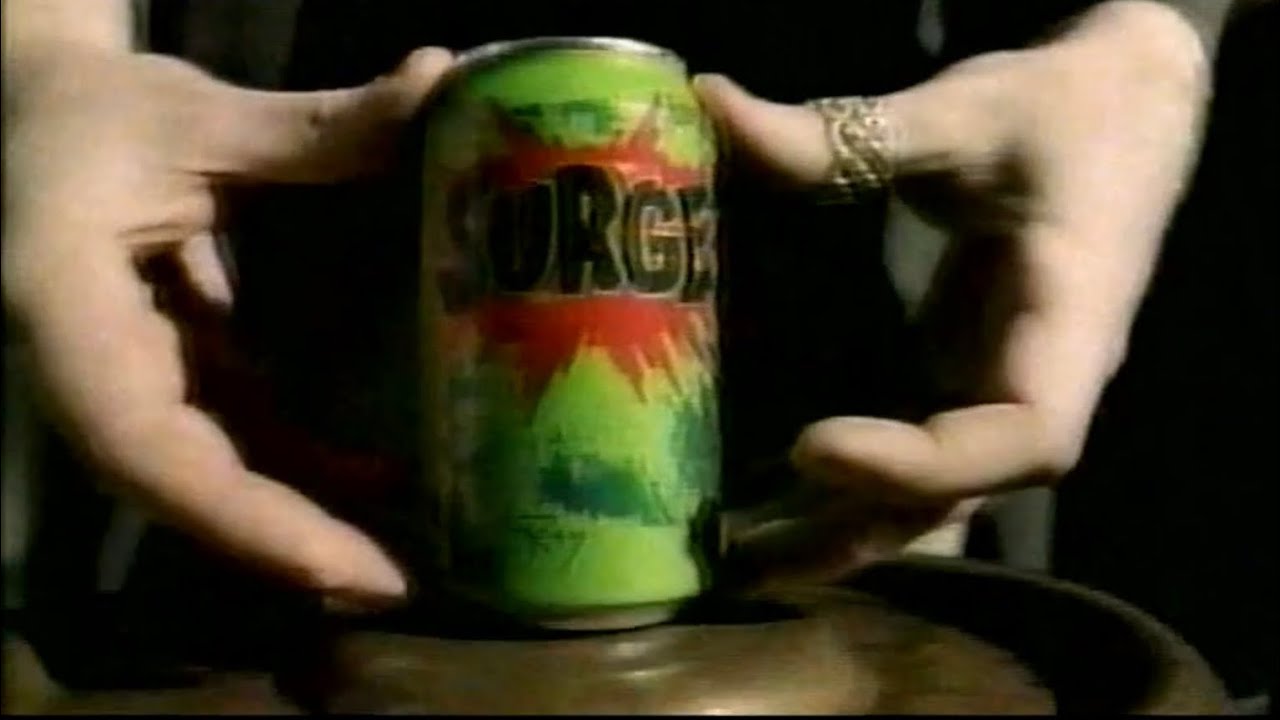
Surge
Coca-Cola's aggressively marketed neon-green citrus soda that positioned itself as the extreme-sports answer to Pepsi's Mountain Dew. Heavy on caffeine and attitude, Surge fueled the mayhem marketing of the late 90s before vanishing from shelves in 2003 — only to surge back after a passionate fan movement brought it to Amazon in 2014.
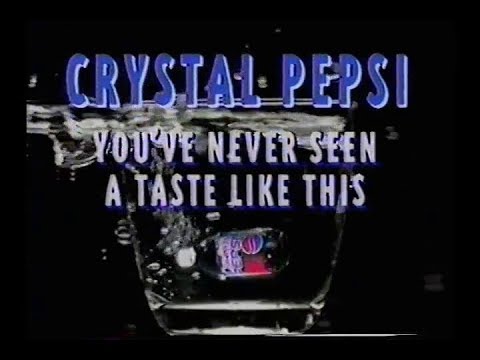
Crystal Pepsi
The clear cola that tasted like 90s optimism and regret mixed together. Crystal Pepsi was caffeine-free, marketed on a fever dream of purity, and backed by a Super Bowl ad that tried desperately to make it cool.

Jay-Z
Shawn Corey Carter rose from Marcy Projects hustler to rap's defining CEO, making the 2000s the decade when hip-hop conquered the boardroom. His Imperial period—from Hard Knock Life through The Black Album and beyond—turned street rap into stadium singalongs and Grammy gold. Jay-Z didn't just make hits; he made an industry, proving rappers could own their own records and empires. The 2000s belonged to him.
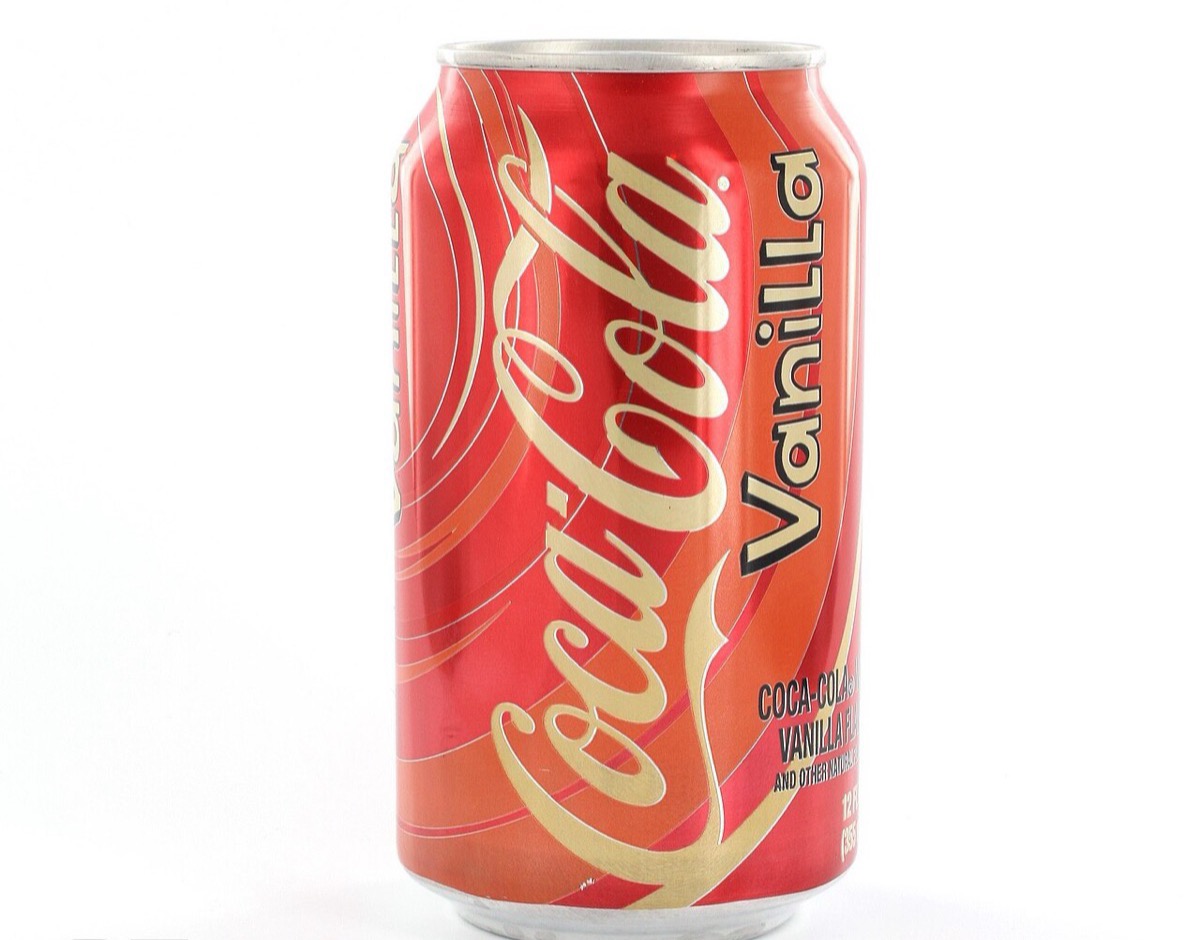
Vanilla Coke
Billed as Coca-Cola's biggest launch since Diet Coke, it arrived in 2002 in a tan-and-gold can that tasted like cream soda had merged with cola. Roughly 29 percent of US households bought it that year. By 2005, it was gone. Then it came back.