Butterfinger BB's
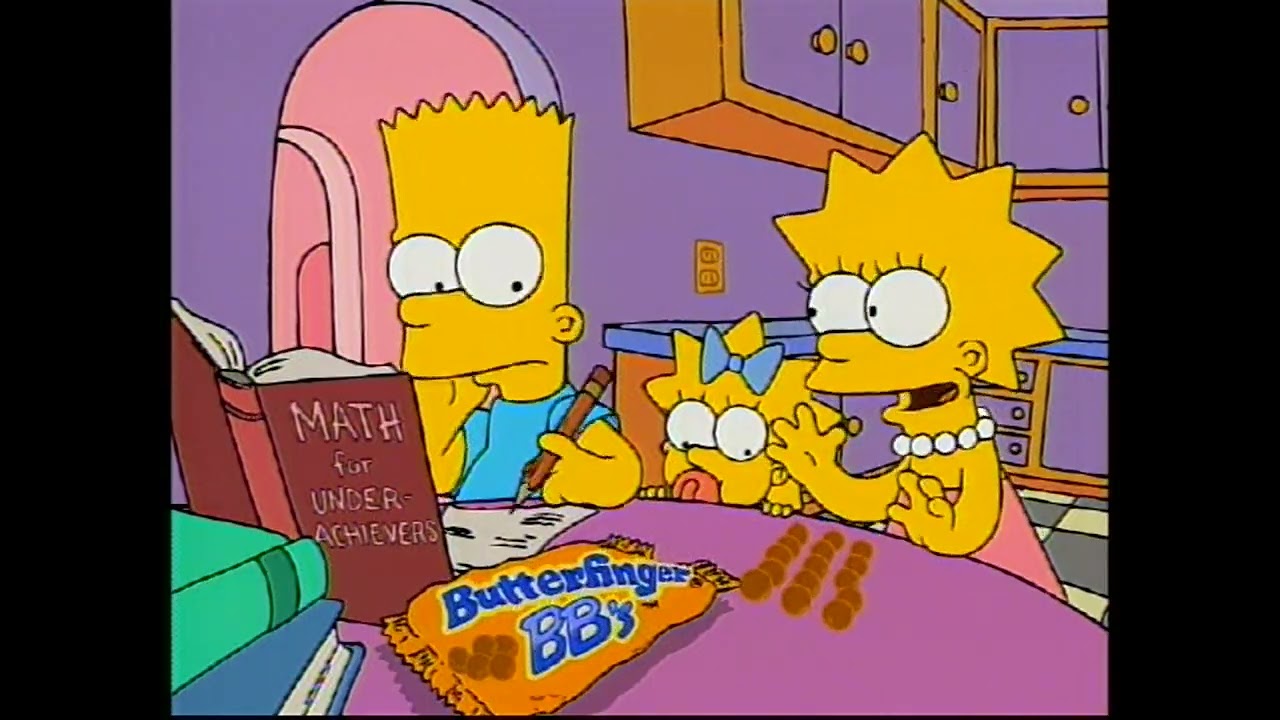
Marble-sized spheres of Butterfinger — crispy peanut-butter core wrapped in chocolate — sold in resealable pouches and at movie-theater counters. The Simpsons were the face: Homer eternally scheming to get at Bart's stash, Bart warning that nobody better lay a finger on his Butterfinger. Launched in 1992, discontinued in 2006 with no explanation — and fans never stopped asking for a comeback.
Nestlé acquired the Butterfinger brand from RJR Nabisco in February 1990, and two years later launched BB's as a poppable, shareable take on the flagship bar. The timing was shrewd: the Simpsons had been running Butterfinger ads since 1988, and starting in 1992, BB's got their own spots, turning the candy into a cultural artifact. Homer's desperation and Bart's defiant ownership made the product unmissable on 90s TV.
By the mid-90s, BB's lived in two ecosystems: theater lobbies (where they competed with popcorn for snacking real estate) and home pantries, where the resealable pouch meant a stash that could last days or get demolished in an afternoon. The Simpsons connection ran straight through 2001, keeping BB's in the cultural consciousness longer than most candy experiments.
Nestlé never explained the 2006 discontinuation. Fans have their theories — chief among them the melting problem, since a bag left in a locker or a warm pocket had a way of fusing into one solid Butterfinger boulder — plus the usual suspects of slipping sales and market shift. The company introduced Butterfinger Bites in 2009 — chunk-shaped, not spheres — but they weren't the same. Fans have petitioned for a true BB's comeback ever since, and the candy remains one of the 90s' most-mourned discontinued treats. Butterfinger itself has belonged to Ferrero since 2018.
Similar items

Buncha Crunch
Bite-sized nuggets of Nestlé Crunch — crisped rice drenched in milk chocolate — launched in 1994 exclusively for movie-theater concession stands, because chocolate bars sell poorly at theaters and poppable, rattling boxes don't. It stayed a theater exclusive for nearly two decades, and it's still on concession counters today: one of the few 90s candy inventions that never went away.
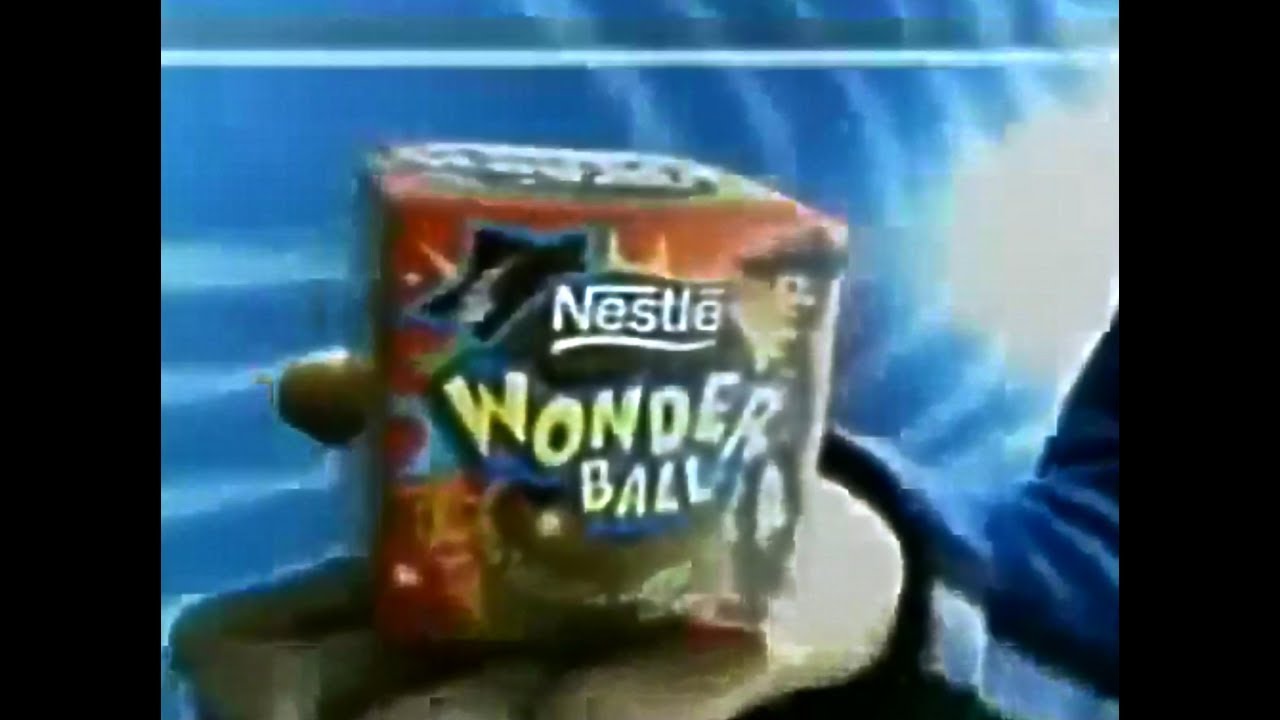
Nestlé Wonder Ball
The hollow milk-chocolate sphere with a surprise sealed inside. 'What's in the Wonder Ball?' You cracked it open to find little candies — a treasure-hunt snack that had a much stranger backstory than most kids ever knew.
The Halloween Candy Haul
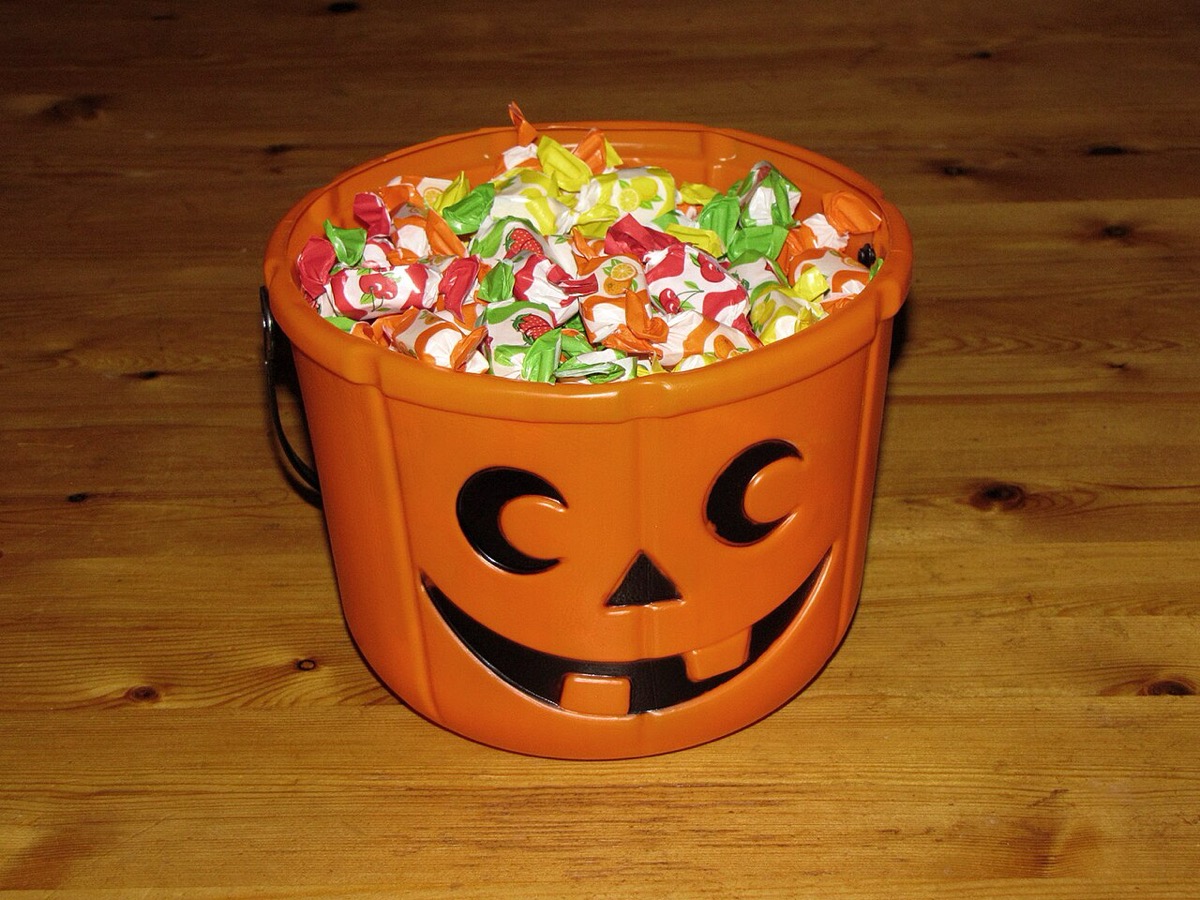
The real event started after trick-or-treating: dumping the pillowcase onto the living-room floor and sorting the haul into a personal taxonomy — chocolate aristocracy, fruity middle class, the circus-peanut underclass. Then came the trading floor: sibling negotiations with exchange rates everyone understood (one full-size anything was worth a fistful of anything else). And the parental 'safety inspection' tax: unwrapped candy confiscated, suspicious pinholes examined, a few 'tested' Snickers never seen again.

Hershey's Kissables
Miniature Hershey's Kisses in a crunchy candy shell — red, orange, yellow, green, and blue, poured straight from the pouch. Hershey's answer to M&M's lasted less than four years before quietly vanishing in 2009, leaving behind one of the 2000s' most specifically mourned candies.