Milk 'n Cereal Bars

A bowl of cereal impersonating a candy bar: two cereal layers with a white "milk" cream stripe through the middle, eaten with your hands in the back seat. For a few years in the early 2000s they were everywhere — lunchboxes, gas stations, vending machines — and then they quietly weren't.
General Mills launched Milk 'n Cereal Bars in the Northeast in August 2000 and rolled them out nationally on January 2, 2001. The concept was simple and slightly absurd: take a familiar cereal, bind it into a bar, and run a layer of white "milk" cream through the middle so the whole breakfast — bowl, milk, and spoon — fit in a wrapper. The launch lineup leaned on the house brands kids already loved: Cinnamon Toast Crunch, Honey Nut Cheerios, and Chex. Demand was immediate; trade press reported the bars sold so fast in early 2001 that General Mills had to cap how many retailers could order.
The bars settled into lunchbox and gas-station canon through the 2000s, then eventually vanished from shelves without ceremony — no announcement, just an empty spot where they used to be. They live on in copycat recipes and periodic waves of social-media mourning from everyone who remembers peeling the cream layer off first.
Similar items
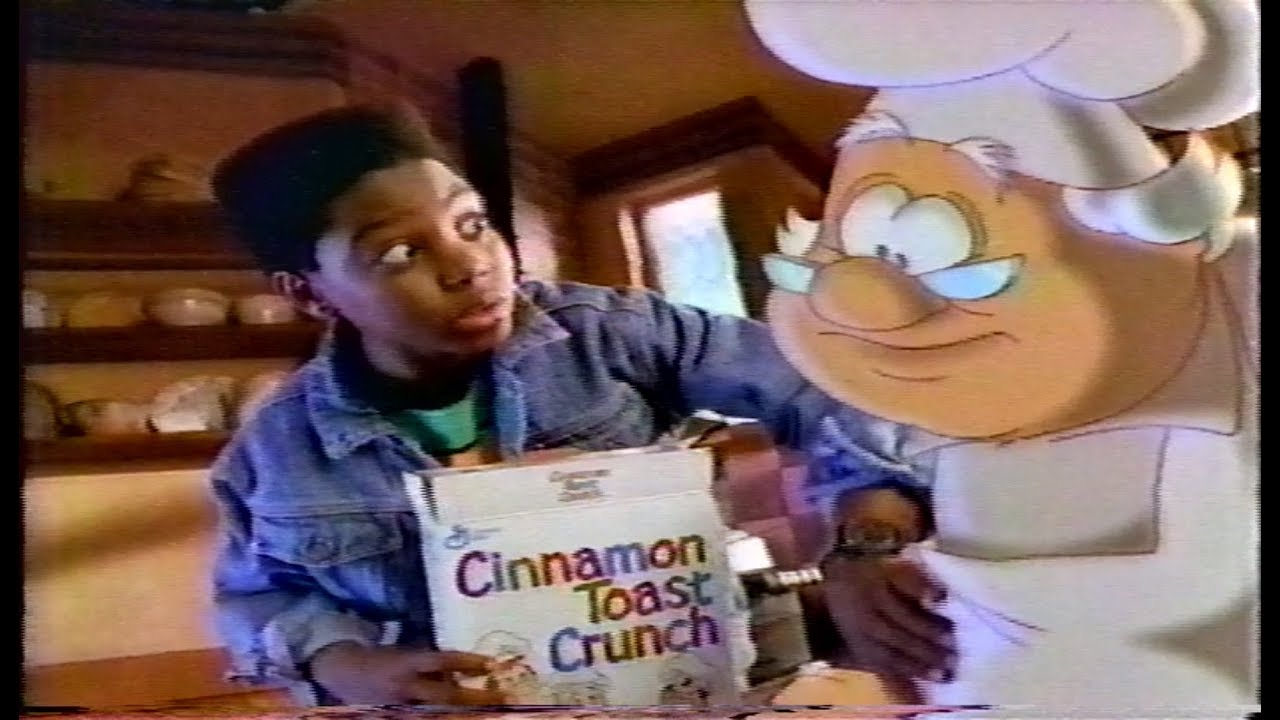
Cinnamon Toast Crunch
Cinnamon-sugar swirls you could actually see on every square — the commercials made sure you knew it. Chef Wendell sold it, the milk turned to dessert at the bottom of the bowl, and no amount of adult supervision could stop a third helping.

Reese's Puffs
Peanut butter and chocolate at the breakfast table — the transgressive thrill of eating a Reese's Cup and calling it cereal. It launched in 1994 as Reese's Peanut Butter Puffs, and every kid who poured a bowl understood exactly what they were getting away with.

Dunkaroos
Betty Crocker's kangaroo snack pack: tiny cookies plus a frosting cup for dunking. The ultimate lunchbox flex of the mid-90s, Dunkaroos were so coveted they became playground currency—until parents killed the sugar craze.
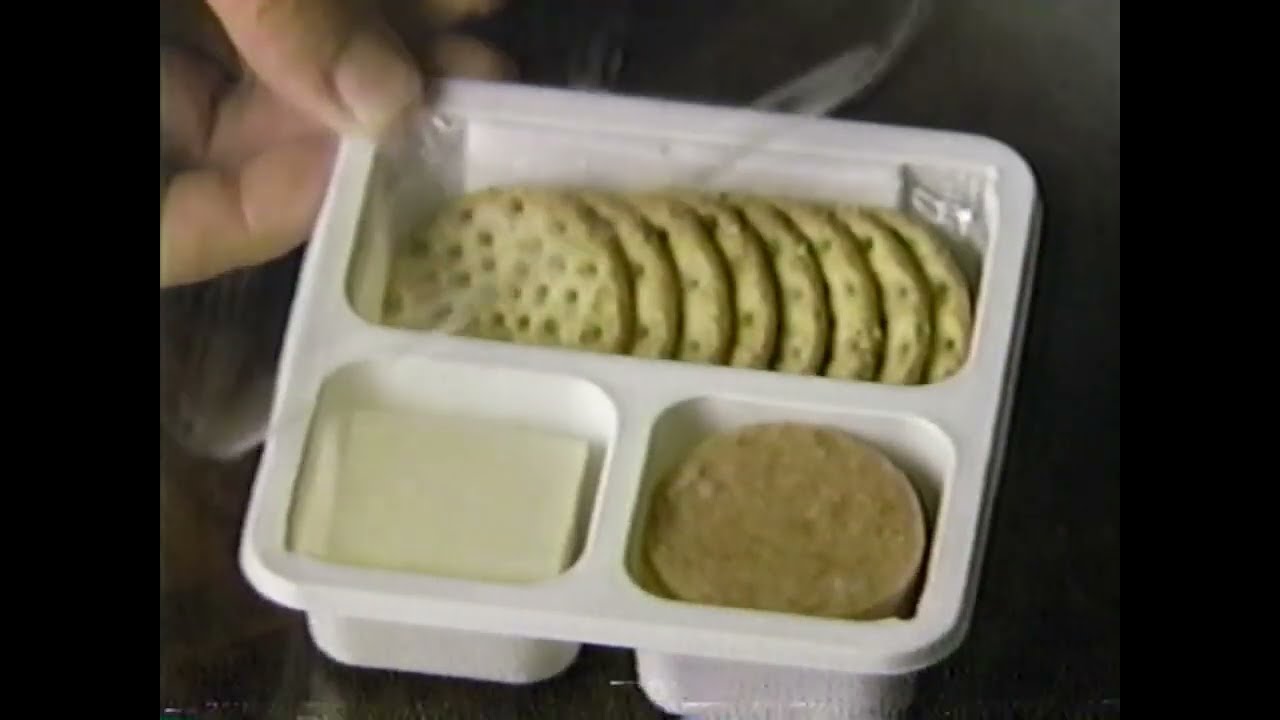
Lunchables
Prepackaged lunch trays where kids assembled their own mini-sandwiches from stackable crackers, meat slices, and cheese. The appeal was autonomy — you were in charge — making Lunchables a 1990s lunchbox status symbol that transformed eating from a chore into an activity.