Warheads
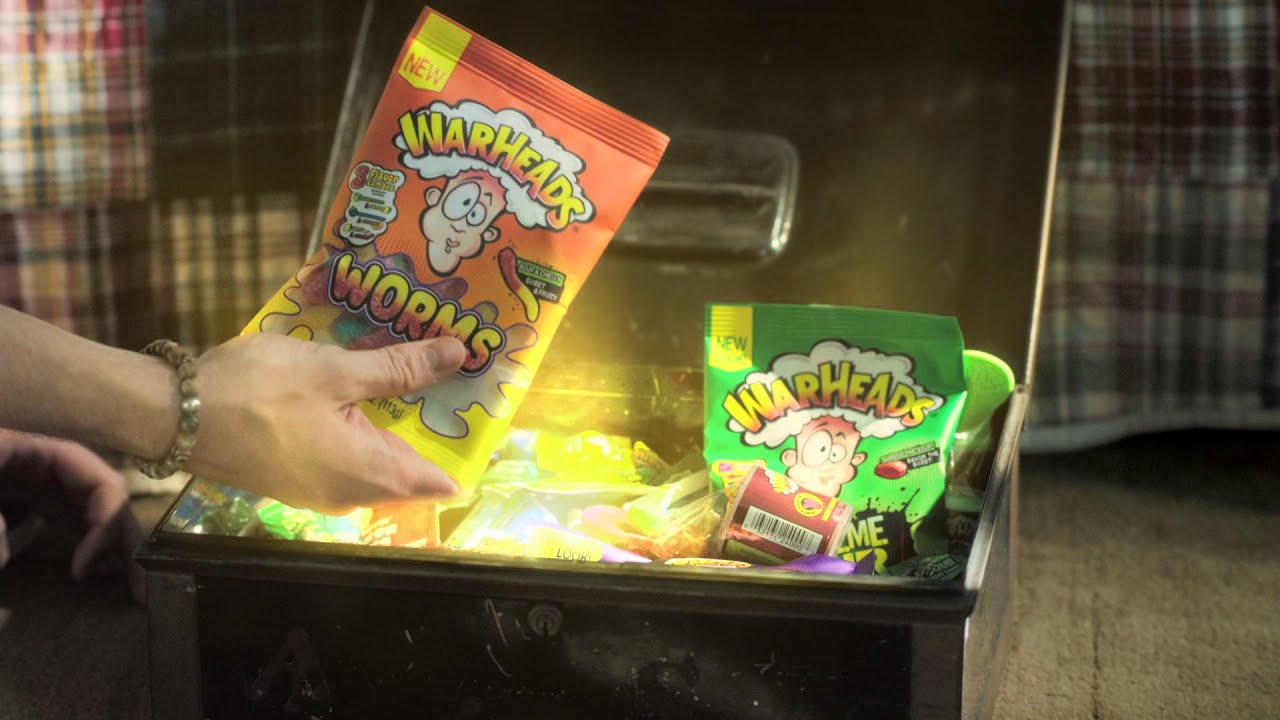
The sour candy that burned your face off for five glorious seconds. Warheads turned the playground dare into a $40 million industry — keeping a straight face through the first ten seconds made you playground royalty.
Invented in Taiwan in 1975, Warheads were imported to America in 1993 by The Foreign Candy Company of Hull, Iowa. The sourness came from a malic-acid coating that scorched your taste buds for the first 5–10 seconds before fading to ordinary candy — which made it perfect for the only way anyone actually ate them: the playground dare. Who can keep a straight face? Who can do two at once? The puckered-lipped mascot Wally Warhead, with a mushroom cloud over his head, sold the explosion concept.
Original flavors included black cherry, blue raspberry, lemon, green apple, and watermelon. By 1999, period press was calling it a $40 million brand. Impact Confections bought it in 2004, and Warheads remain on shelves today — still sour, still daring, still a rite of passage.
Similar items
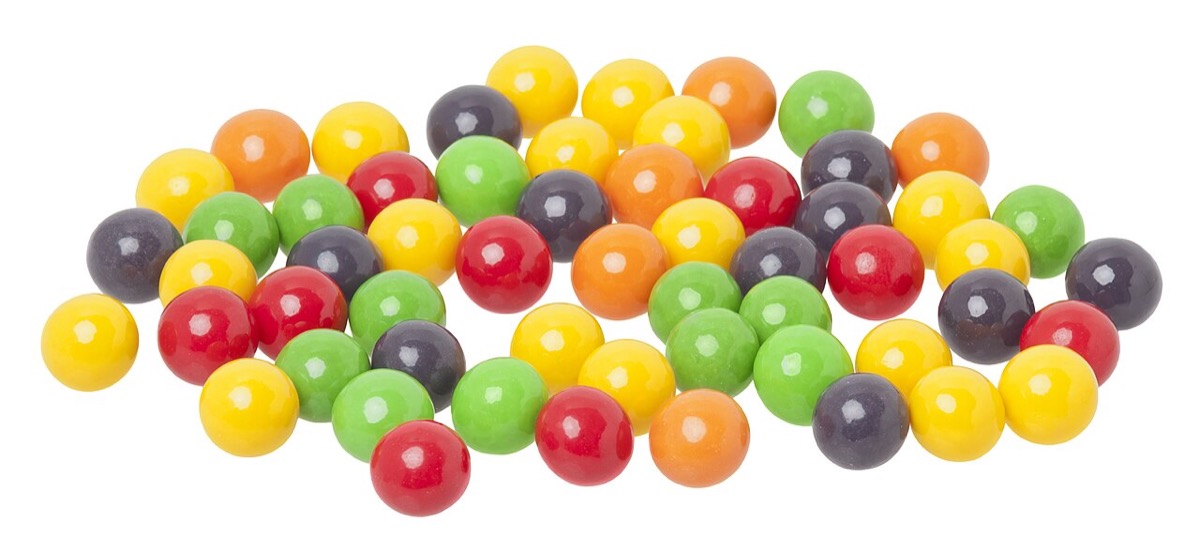
Everlasting Gobstoppers
The real-world candy named after Roald Dahl's fictional invention: small multicolored layered jawbreakers that change flavor and hue as they dissolve. Launched in 1976 under the Willy Wonka Candy brand, they became a staple of 1990s lunchboxes and movie-theater concessions.
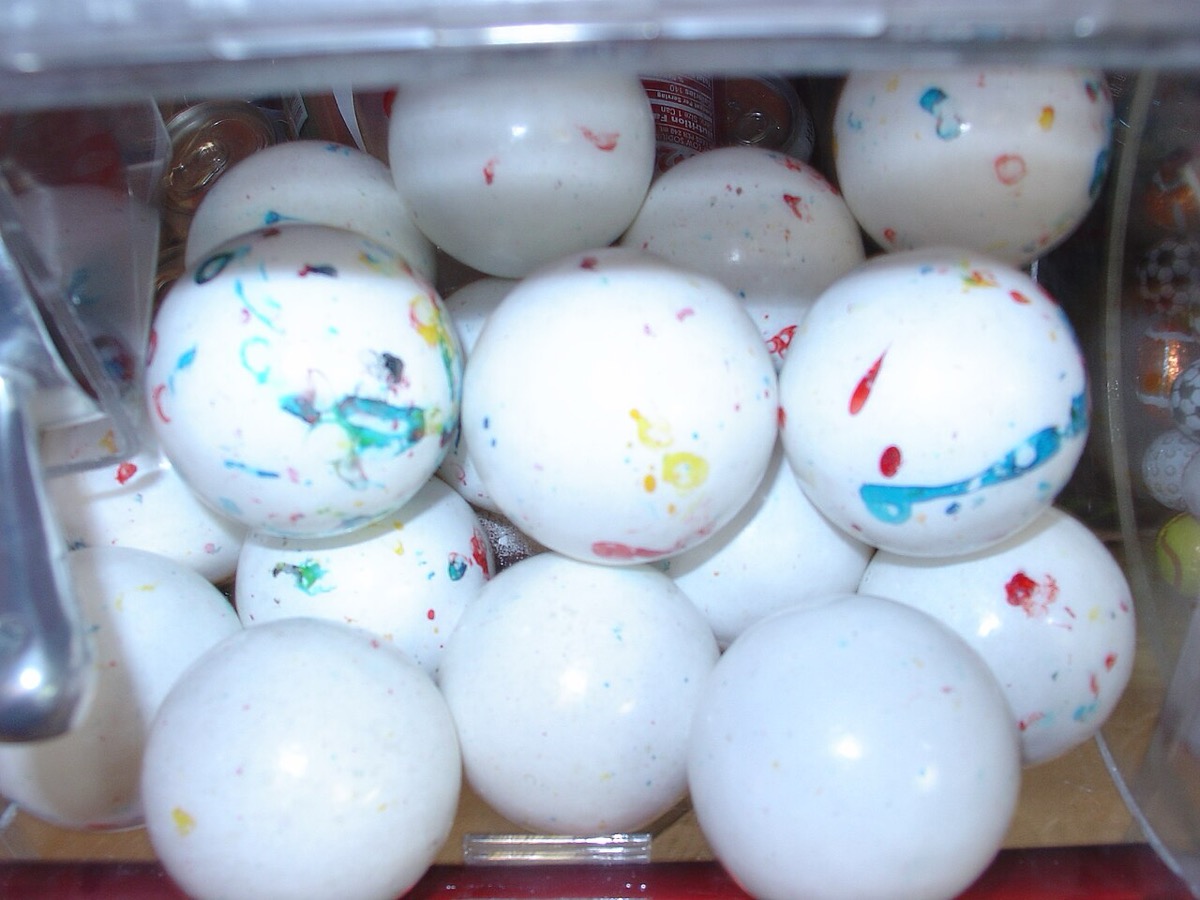
Giant Jawbreaker in a Bag
Baseball-sized or larger multicolor jawbreakers (2–3+ inches across) that were physically impossible to finish, so kids licked them for weeks and carried them in plastic sandwich bags between sessions. Comparing color layers and tracking progress became peak 1990s playground status symbol.
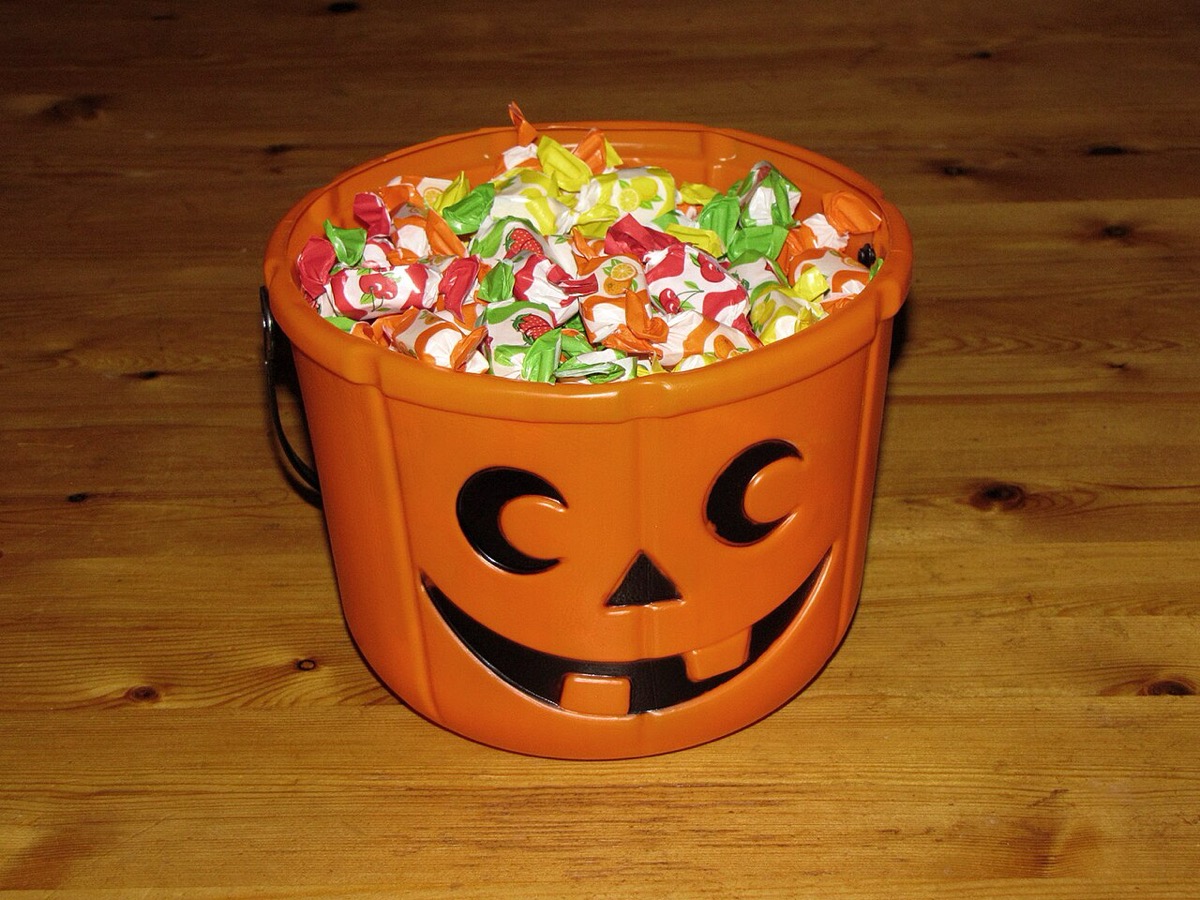
The Halloween Candy Haul
The real event started after trick-or-treating: dumping the pillowcase onto the living-room floor and sorting the haul into a personal taxonomy — chocolate aristocracy, fruity middle class, the circus-peanut underclass. Then came the trading floor: sibling negotiations with exchange rates everyone understood (one full-size anything was worth a fistful of anything else). And the parental 'safety inspection' tax: unwrapped candy confiscated, suspicious pinholes examined, a few 'tested' Snickers never seen again.
Sour Skittles
Regular Skittles under a grainy sour-sugar coating that genuinely shredded your tongue if you finished the bag — and everyone finished the bag. The green-and-yellow pouch turned the candy aisle's safest brand into a dare.