Chupa Chups
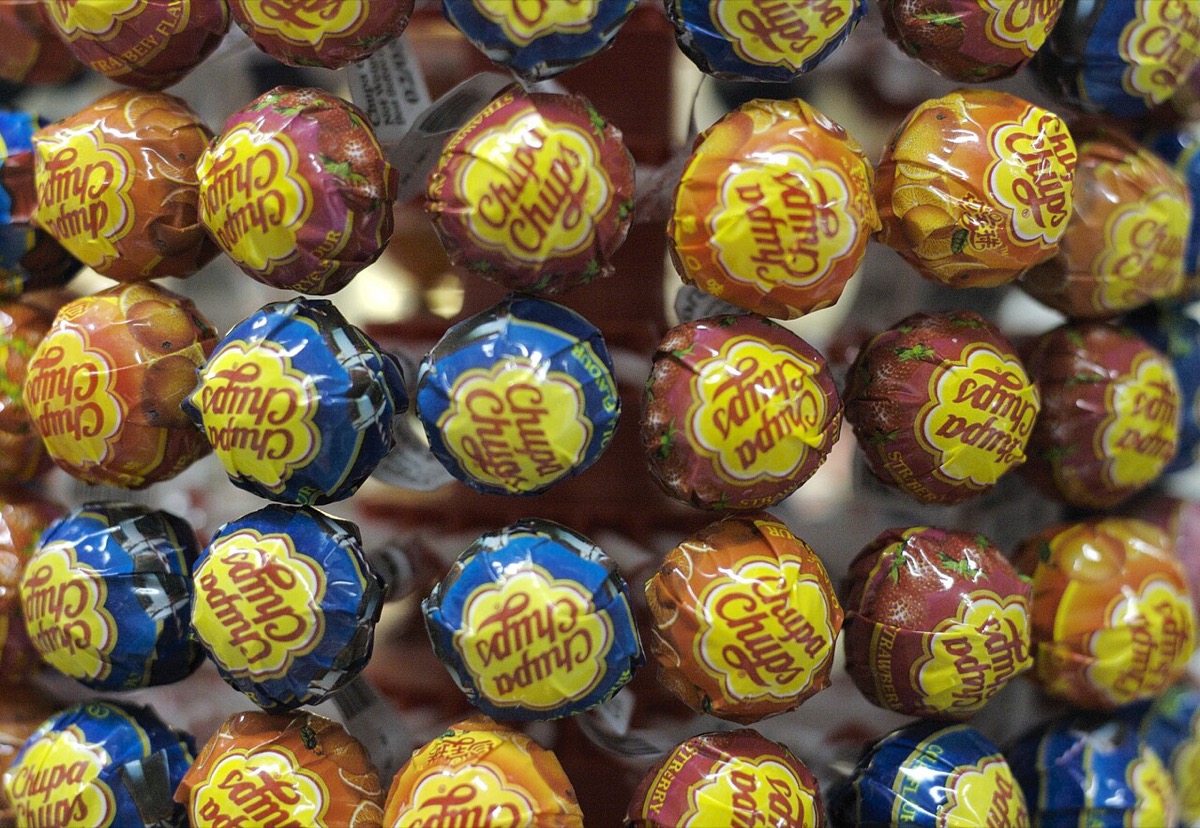
Photo credit: Photo: Miguel Angel, CC BY-SA 3.0, via Wikimedia Commons
The Spanish lollipop with the unforgettable daisy-shaped logo designed by Salvador Dalí. The round candy on a stick solved a kid's eternal problem — no sticky hands — and the distinctive red-and-white wrapper with a centered daisy became one of the world's most recognizable candy marks.
Chupa Chups was founded in 1958 by Enric Bernat, a Spanish candy maker whose core innovation was deceptively simple: a hard candy affixed to a stick so children could eat it without getting their hands sticky. The name itself came from the Spanish verb "chupar," meaning "to suck" — a direct and playful moniker that worked across many languages. Bernat's invention was practical, but it needed an icon.
In 1969, Bernat approached Salvador Dalí, the legendary surrealist artist, to design a logo for the brand. According to company lore, Dalí created the now-iconic daisy flower in roughly an hour, and insisted on one crucial detail: the flower must be printed on TOP of the wrapper so it would remain visible while the candy was being eaten. This requirement transformed the logo from mere branding into an integral part of the product experience — every Chupa Chups in the world carried Dalí's sunburst design as a constant visual companion. The logo's simplicity and symmetry proved timeless; it remains largely unchanged today.
By the 1990s, Chupa Chups had become a global phenomenon, sold in over 150 countries with more than 100 different flavors ranging from cherry and strawberry to exotic tropical varieties. The brand's distinctive round countertop display stands — often featuring the daisy logo prominently — were fixtures in candy shops, convenience stores, and kiosks worldwide, making them instantly recognizable icons of the commercial landscape. The combination of the memorable logo, the practical stick format, and the sheer variety of flavors made Chupa Chups a universal childhood experience across generations and continents, cementing its status as one of the most successful and enduring confections of the twentieth century.
Similar items
Jelly Belly Jelly Beans
Tiny, intensely flavored gourmet jelly beans with a soft center that taste like their name — from banana to blueberry to buttered popcorn. Jelly Belly launched in 1976 as a premium departure from standard penny candy, becoming the gold standard for a generation of kids sorting through flavor combinations and swapping flavors with friends.
Warheads
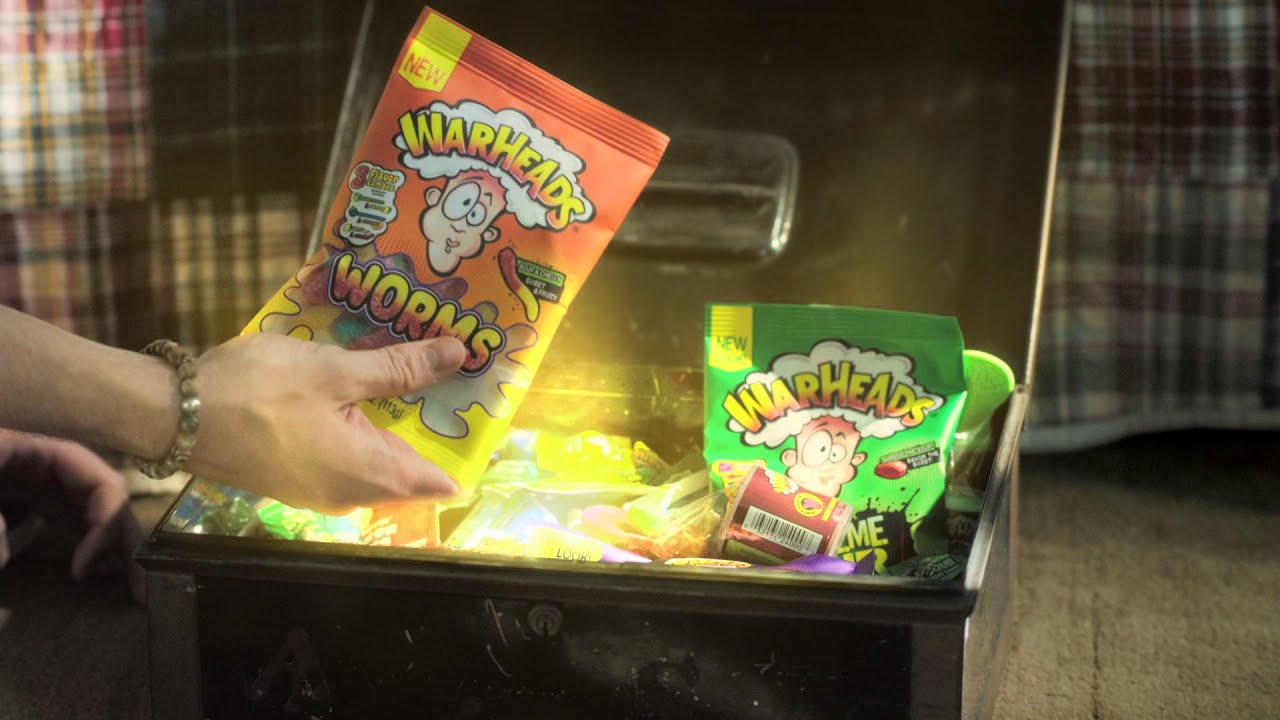
The sour candy that burned your face off for five glorious seconds. Warheads turned the playground dare into a $40 million industry — keeping a straight face through the first ten seconds made you playground royalty.

Push Pop
The lollipop you didn't have to finish: push it up, lick it sticky, cap it, and slide it back into your pocket for third period. Topps' retractable candy cylinder was half treat, half gadget — and the cap made it feel like contraband you were licensed to carry.

Airheads
The stretchy, tangy taffy bar in the loud mylar wrapper — Blue Raspberry stained your tongue, and White Mystery was a gamble by design. Fifty cents of pure lunchbox status.