#Trend

37 items

Video thumbnail — 1-800-Collect David Spade Grunge Ad 1994
Trends 1993–2005 peak

1-800-COLLECT

Dial 1-800-COLLECT and let the operator know you're calling collect — MCI's dial-around service promised cheaper collect calls than your payphone's default carrier. One of the most aggressively advertised services of the 1990s, it burrowed into Gen X's brain via TV spots with celebrity spokespeople.
Video thumbnail — msn messenger - TV Ad 1 - Australia 2004
Trends 1997–2007

AIM & MSN Messenger

The after-school ritual: logging on to a dial-up modem, scanning your buddy list, typing AIM away messages packed with song lyrics and veiled drama, and knowing your 12-year-old screen name would haunt you forever. AIM and MSN Messenger were the social nervous system of the '90s and 2000s — instant, informal, and utterly addictive.

Video thumbnail — Angelfire Hosting Review
Trends 1996–2000s

Angelfire

The free web host where the internet got weird and stayed that way. Angelfire grew into one of the "big three" free-hosting services of the late 90s, offering bare-bones page building for personal fan sites, rants, and niche collections—all with guestbooks, hit counters, and clashing backgrounds.

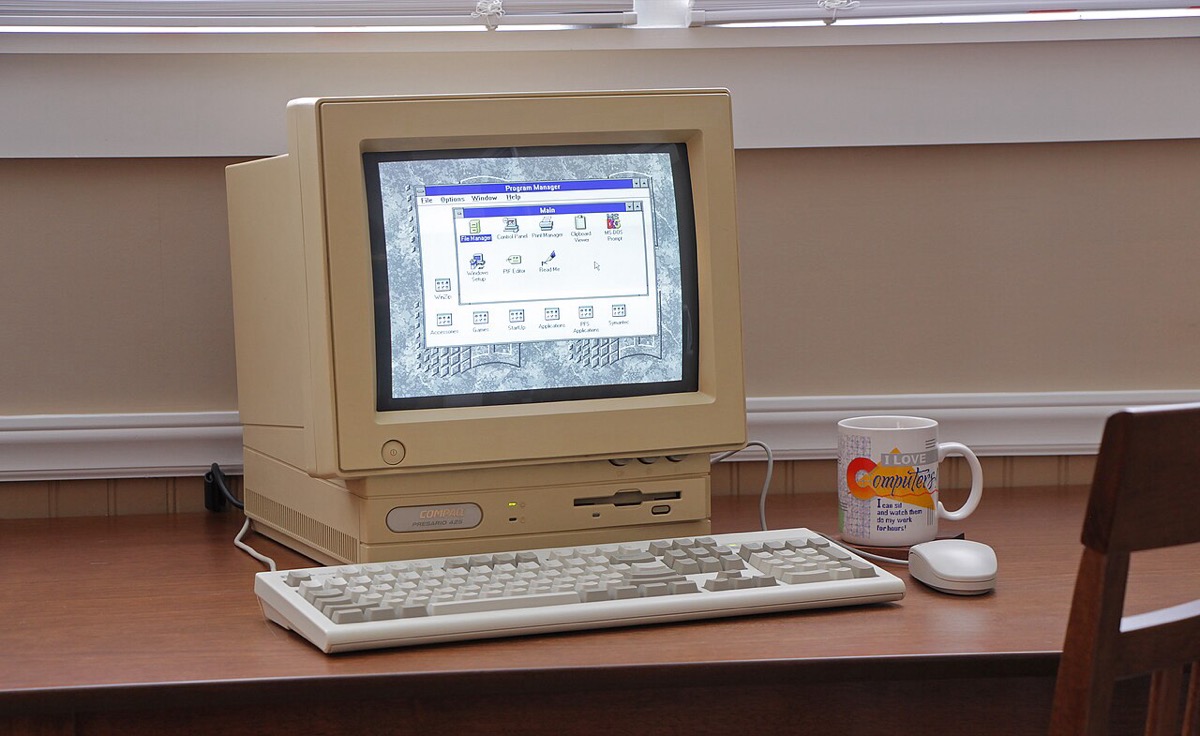
a mid-1990s beige desktop computer — the kind AOL chat rooms were visited on
Trends 1995–2001

AOL Private Chat Rooms

The hidden rooms where 90s internet culture actually lived. Capped at 23 people, joinable only if you knew the name, and greeted by universal "A/S/L?" — private rooms were where friendships, flirtations, and warez trades quietly thrived.

Video thumbnail — AOL Prog | Rampage Toolz
Trends 1994–1999

AOL Punters & Progs

Homemade Visual Basic programs that exploited and weaponized the AOL client. AOHell kicked off the era; "punters" crashed users offline; the scene thrived in secret warez rooms until AOL clamped down.

Video thumbnail — Blockbuster Video - A Night Off (1990s) TV Commercial
Trends 1985–2010

Blockbuster Video

The blue-and-yellow torn-ticket empire where Friday nights meant wandering the new-release wall, hoping the big movie wasn't rented out, and dreading the late fees. At its peak in 2004, Blockbuster dominated home entertainment with 9,094 stores worldwide—until Netflix and streaming dismantled the whole business model.

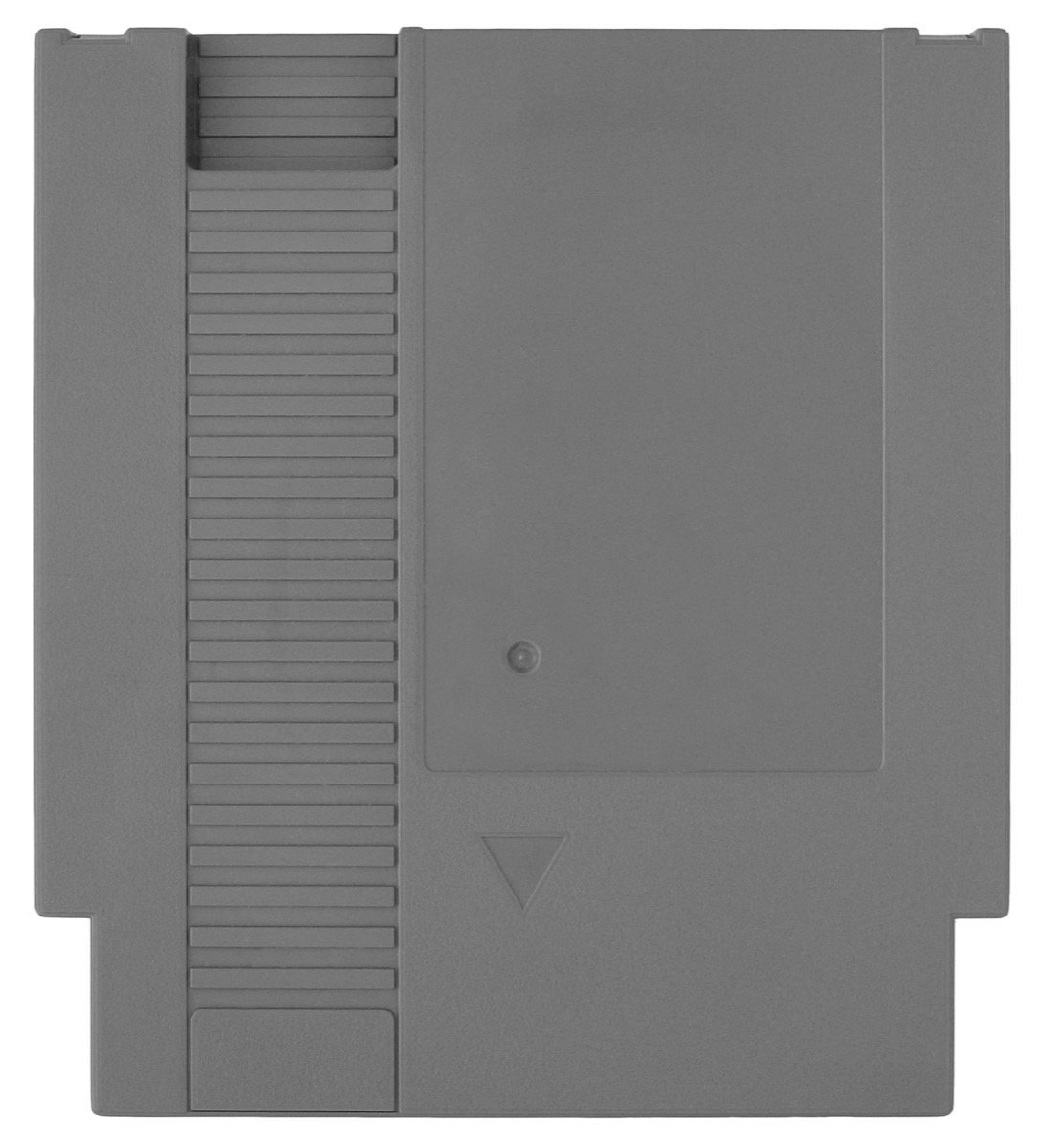
A gray NES game cartridge standing upright on a white background — the kind every 90s kid blew into
Trends 1985–1999

Blowing Into Cartridges

The universal remedy for a glitching NES, SNES, or N64 game: pull the cartridge, blow hard across the contacts, and pray. It never actually worked—the real fix was just reseating the cart—but the ritual of blowing was so universal that every gamer swore by it, confirmation bias at its finest.

Placeholder graphic for 90s chain emails
Trends 1994–2005

Chain Emails

"FORWARD THIS TO 10 PEOPLE OR..." — the chain letter reborn at internet speed in 90s inboxes. Bad-luck threats, sick-kid legends, glurge poems, free-money hoaxes and virus panics, all forwarded with a wall of ">>>" quote marks and a hundred strangers' email addresses.

Video thumbnail — Columbia House Music CD 90s TV Commercial (1997)
Trends 1990s–2000s

Columbia House

The mail-order music gamble that tangled millions in negative-option billing: "Get 12 CDs for a penny," then buy more albums at full price or face automatic charges. Columbia House was the trap that snapped shut after the free shipment arrived—and every kid who signed up under a fake name was trying to outsmart the system.

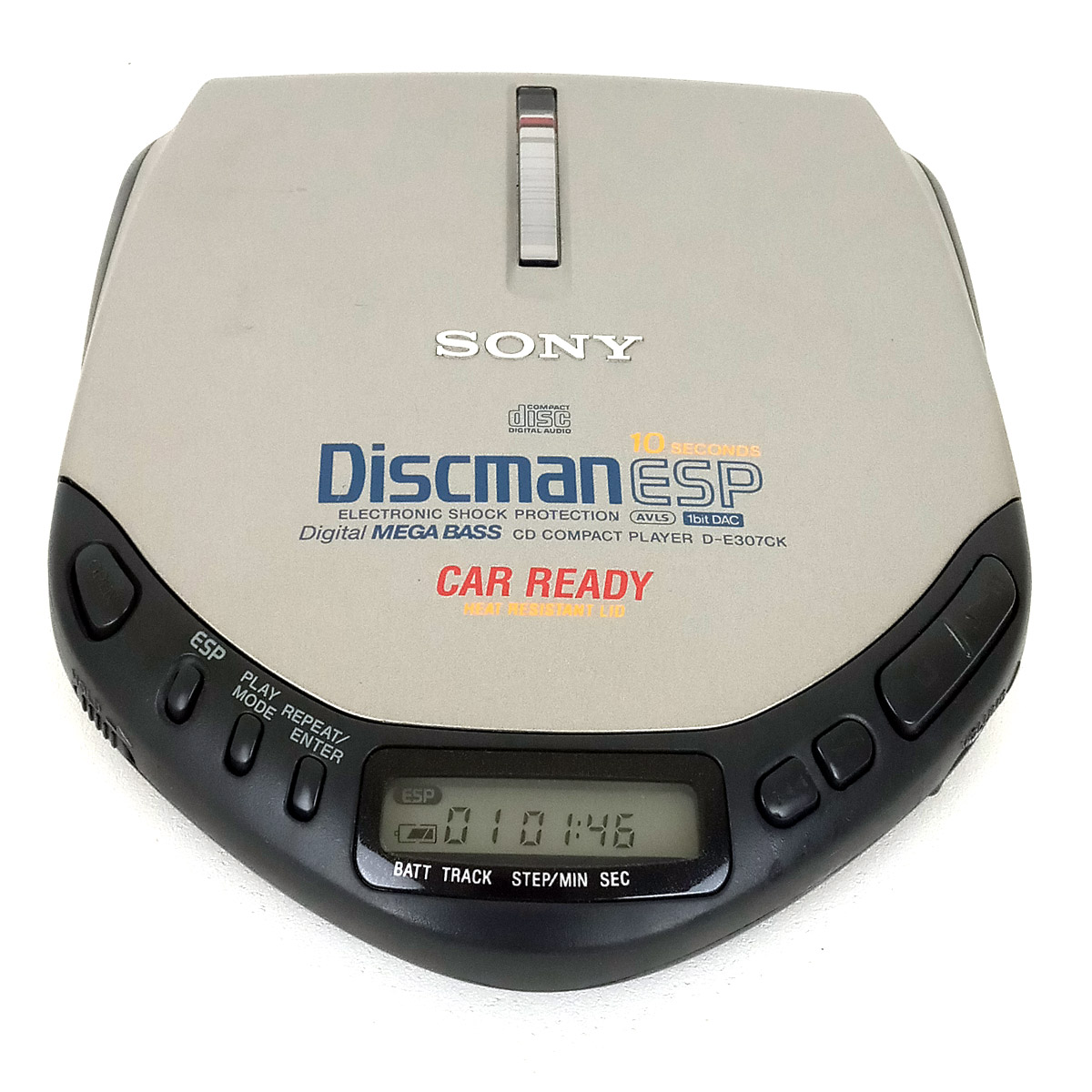
A Sony Discman ESP D-E307CK portable CD player, viewed from above with the lid closed
Trends 1992–2002

Discman & CD Binders

The ritual of portable CD life: a Sony Discman clipped to your waist or backpack, Electronic Skip Protection bragged on the box, and a zip-up CD binder holding exactly 24 discs — the ones that defined you. CD binders like Case Logic wallets replaced jewel cases, turning your music taste into curated, tangible proof of personality.

the original YouTube 'Broadcast Yourself' logo (2005–2011)
Trends 2005–2009

Early YouTube

The video platform that made viral content a daily ritual. YouTube launched in 2005 as low-res, ad-free, and gloriously weird—a space where "Lazy Sunday," "Chocolate Rain," and "Charlie Bit My Finger" became the lingua franca of internet culture.

the GeoCities logo — the black 'g' mascot over the blue-and-green wordmark
Trends 1995–2009

GeoCities

The free web hosting empire where the internet learned to be chaotic. GeoCities gave millions of people their first webpage, organized into themed neighborhoods, and established the visual language of under-construction GIFs, MIDI soundtracks, and blinking text that defined the early web.

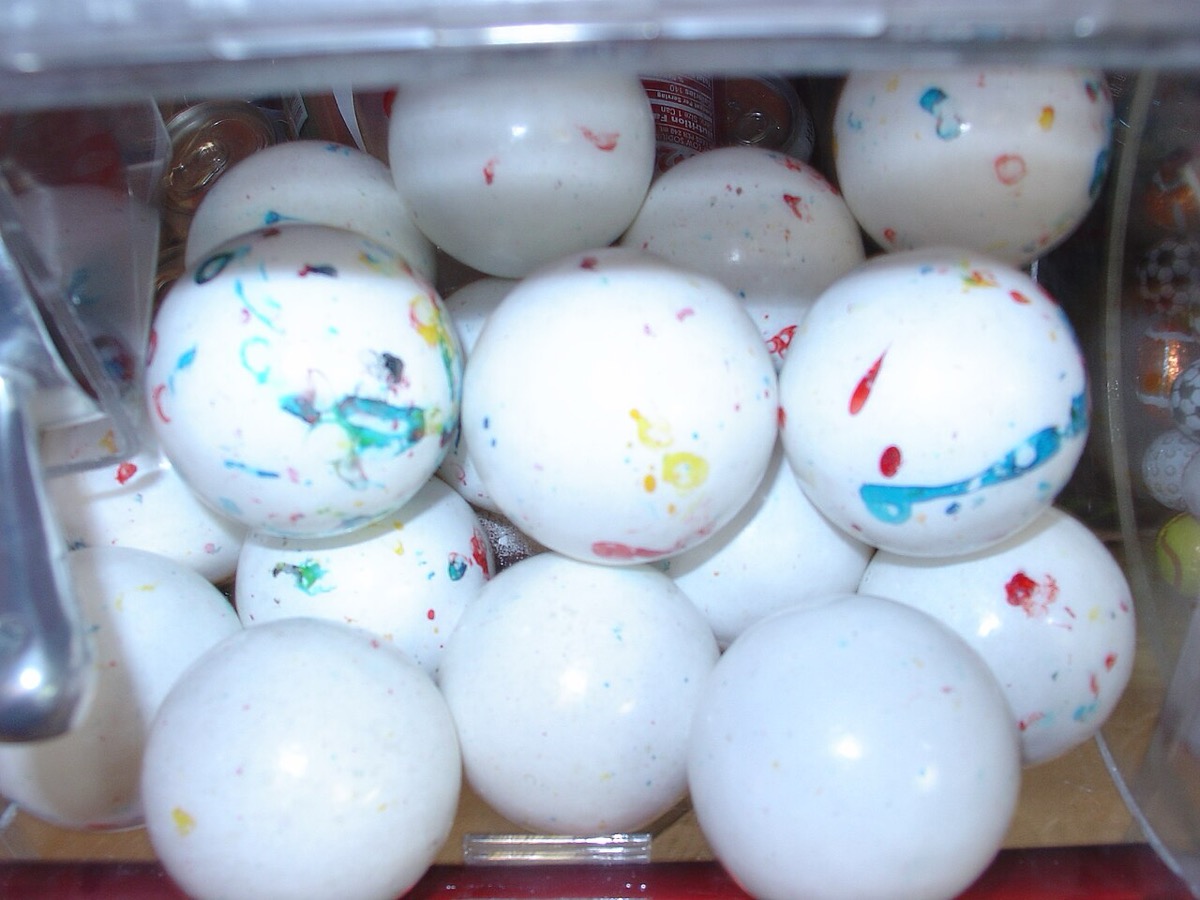
A bin full of large speckled, marbled giant jawbreaker candies
Trends 1990s

Giant Jawbreaker in a Bag

Baseball-sized or larger multicolor jawbreakers (2–3+ inches across) that were physically impossible to finish, so kids licked them for weeks and carried them in plastic sandwich bags between sessions. Comparing color layers and tracking progress became peak 1990s playground status symbol.

Video thumbnail — Bedtime Hack for Kids... Glow Stars for Ceiling!
Trends 1990–1999

Glow-in-the-Dark Star Stickers

Adhesive plastic stars that glowed faintly when you turned off the lights, arranged in random chaotic constellations across your ceiling and walls — the ultimate low-effort bedroom customization. Kids spent hours peeling and sticking them in patterns, occasionally attempting actual star charts, mostly just creating glowing chaos overhead to stare at before sleep.

Video thumbnail — Napster - Changing an Industry
Trends 1999–2010

LimeWire & Napster

The lawless era of free music: you queued up a download that would take three hours on dial-up, crossed your fingers it wasn't mislabeled, and hoped even harder it wasn't a virus. Napster and LimeWire were the P2P revolution that detonated the music industry, made kids into accidental outlaws, and eventually gave way to iTunes.

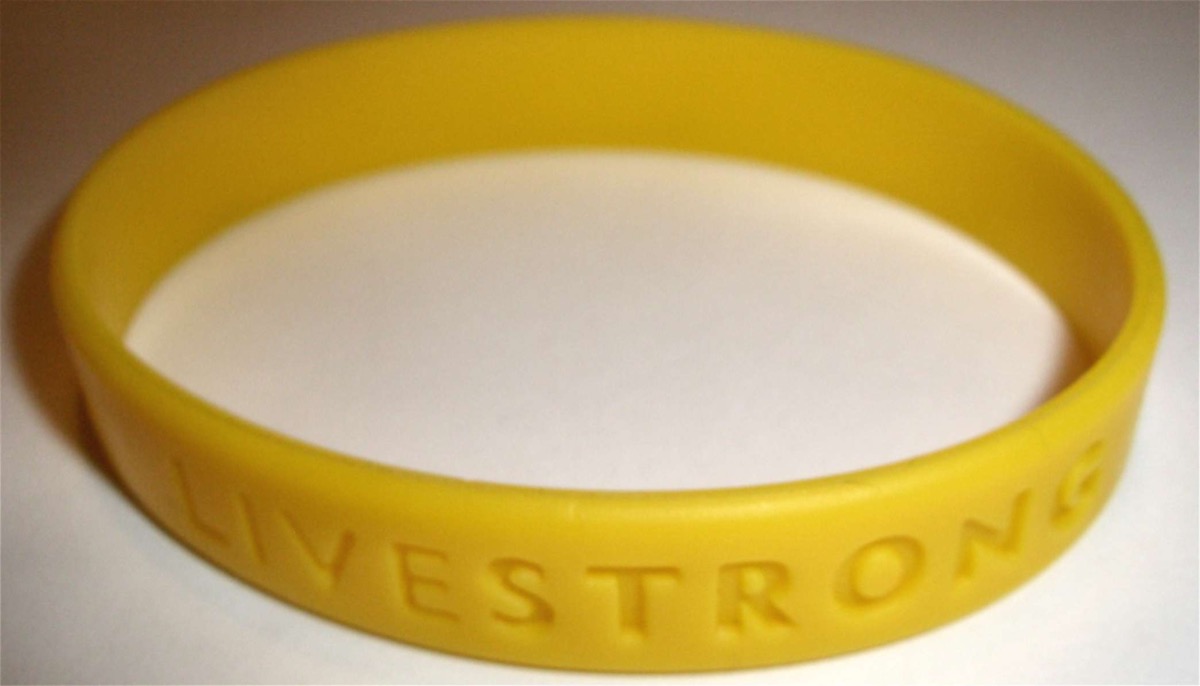
A yellow silicone LIVESTRONG wristband on a plain background
Fashion 2004–2007

Livestrong Bands

The yellow silicone gel wristband launched in 2004 by the Lance Armstrong Foundation with Nike, sold for $1 to support people affected by cancer. Tens of millions sold, and it ignited the entire cause-awareness rubber-bracelet craze—soon every color stood for a different charity, and everyone stacked them on their wrists like a visible moral portfolio.

A blank Verbatim CD-R disc, 700MB / 52x / 80 min
Trends 1998–2008

Mix CDs

The mixtape of the CD-R era: download MP3s from file-sharing sites, burn them to a blank disc in Nero or iTunes, label it with Sharpie, and pray it didn't skip. Mix CDs were the late-90s and 2000s ritual—track order agonized over, burnable only by those with a CD-R drive, given as love offerings and road-trip soundtracks.

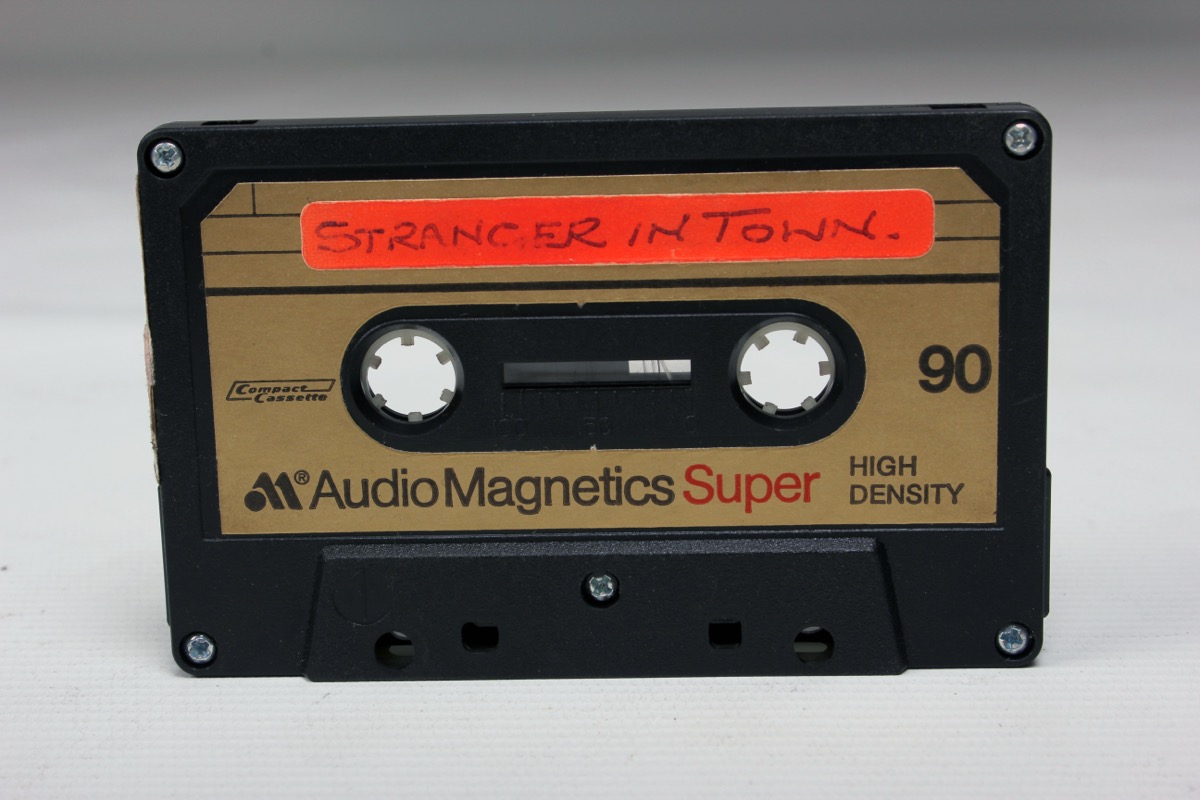
A close-up of a compact cassette with a handwritten label listing the recorded tracks
Trends 1979–2000

Mixtapes

The compact cassette made music personal; the Walkman made it portable; and the mixtape made it meaningful. A hand-labeled tape was a love letter, a friendship offering, an identity statement — hovering over the record button to catch a song off the radio, agonizing over track order, building the perfect sequence for someone who mattered.

The mid-2000s MySpace logo: 'myspace.com — a place for friends' wordmark with the three-person silhouette icon
Trends 2003–2008

MySpace

MySpace launched in August 2003 and became the social network that swallowed the mid-2000s internet — where everyone's first friend was Tom. Top 8 rankings sparked drama, profile songs played on auto-load, and DIY HTML customization meant glitter graphics and autoplay music ruled. Bands broke careers there; it was the most-visited website in the US by 2006.

Video thumbnail — 1994 Motorola Pagers Commercial | How We Communicated In The 1990s | Bravo Express Beepers
Trends 1987–1999

Pagers (Beepers)

The numeric pager that showed callback numbers and cryptic codes: 143 meant 'I love you,' 911 meant call me NOW, 411 was gossip time. Clipped to your waistband, getting beeped meant hunting for a payphone with a quarter—and by 1994, 61 million pagers were in use, with Motorola owning roughly 80% of the market.

Video thumbnail — AllAdvantage Promo Video (2000)
Trends 1999–2001

Get Paid to Surf

The dot-com fantasy made real: companies would literally pay you to browse the web. Millions signed up for the Viewbar, watched ads while surfing, and actually got checks—until the ad market crashed and the dream evaporated in 2001.

Close-up of a landline telephone number keypad showing the 1-9, 0, star and pound keys with letter groupings
Trends 1990s

Star Codes (*67 & *69)

Dial *67 before someone's number to block your caller ID and appear as 'Private' — the anonymous call superpower every 90s kid knew. Dial *69 to find out who just called you and call them back. Two simple codes that transformed what you could do from a landline.

Illustrated placeholder card for Power Bead Bracelets
Fashion 1998–2001

Power Bead Bracelets

Stretchy bracelets of round semi-precious stone beads, each color supposedly granting something—happiness, luck, smarts, money—according to the little card on the rack. Stacked a dozen deep on every late-90s wrist, powers pending.

the Scholastic wordmark — white lettering on the red banner
Trends 1981–present

Scholastic Book Fairs

The ritual: your school gym transforms overnight into a pop-up bookstore of rolling display cases, and you wander the aisles with a wish list and a budget. Scholastic Book Fairs dominated the 90s market, though what kids actually bought — glittery gel pens, novelty pencils, poster books — often had nothing to do with the Goosebumps stacks they wandered past.

Video thumbnail — Ionic Breeze - Quadra Commercial Sharper Image (2002)
Trends 1990s–2000s

Sharper Image

The mall store where you'd test-nap in a $400 massage chair while pretending to shop. Sharper Image was a playground of high-end gadgets, gizmos, and dubious contraptions—air purifiers, personal robots, noise machines, and the infamous Ionic Breeze, which looked futuristic but barely worked.

Video thumbnail — Jamster Sweety the Chick Mobile Ringtone commercial [2005, HQ]
Trends 1999–2008

T9 Texting & Ringtones

Typing "home" and getting "good," texting blind from inside your pocket, and a computerized frog selling ringtone subscriptions between every cartoon. The whole keypad-phone universe, in one glorious, beeping memory.

the LiveJournal pencil logo and wordmark
Trends 1999–2008

Xanga & LiveJournal

The blogging platforms where a generation over-shared for the first time. LiveJournal and Xanga were where teenagers documented crushes, drama, and bad poetry in semi-public diaries before social networks centralized and monetized the same behavior.

Video thumbnail — YOMEGA "Yo-Yo" COMMERCIAL (1999)
Trends 1997–1999

The Yo-Yo Craze

In the late 90s, playgrounds erupted into a worldwide yo-yo arms race fueled by technological breakthroughs—Yomega's "Brain" with its magical automatic return, ball-bearing transaxles that spun for ages, and trick hierarchies that drove kids to master walk-the-dog and around-the-world. Schools banned them, championships crowned them, and by decade's end it all collapsed just as suddenly.

Video thumbnail — AIM should have lasted forever | Version History
Trends 1999–2006 peak

AIM Away Messages

The cryptic, ever-changing status you left up for your buddy list to decode — song lyrics aimed at nobody in particular, inside jokes, coded hints about your mood and your crush. AIM away messages were half diary entry, half performance art, and everyone was reading.

Video thumbnail — Bebo | The Forgotten Social Network - PKMX
Trends 2005–2010

Bebo

The social network that beat MySpace in Britain, sold to AOL for $850 million at the top, and got bought back by its own founders for $1 million five years later. America barely noticed Bebo; for a few years the UK and Ireland barely used anything else.

Video thumbnail — Don't Dream Machine it's over - Sony's last clock radio (ICF-C1)
Trends 1950s–2000s (then the phone took over)

Bedside Alarm Clocks

The glowing red digits on the nightstand, the snooze bar slapped in the dark, the 12:00 blink after every power outage — a device so mundane you didn't think of it as technology until it vanished from every bedroom at once. The smartphone didn't just beat the bedside alarm clock; it quietly deleted the whole category.

The blue and orange Meebo wordmark
Trends 2005–2012

Meebo

The browser tab that ran AIM, MSN, Yahoo and ICQ all at once — no download, no install, no getting caught. On locked-down school and library computers, Meebo was the loophole: the IT department could block installers, but the browser was always open.

Video thumbnail — When Seconds Matter: Nextel Direct Connect
Trends 1996–2013

Nextel Push-to-Talk Chirp

The two-tone chirp that echoed across every construction site, warehouse, and parking lot of the 2000s. Nextel's Direct Connect made a cellphone work like a walkie-talkie — press the side button, talk instantly — and everyone within fifty feet heard both sides of the conversation.

Illustrated placeholder card for Photobucket
Trends 2003–2010 peak

Photobucket

The image host that decorated the entire early internet — MySpace profiles, forum signatures, eBay listings. Photobucket's ten billion images were invisible infrastructure, right up until June 2017, when a paywall turned millions of embedded pictures into upgrade-nag placeholders all at once.

Video thumbnail — RealPlayer: The media player from the 90s that was spyware
Trends 1995–2005

RealPlayer Buffering

The ritual of early streaming: the "Buffering..." wheel, the mid-song stutter, the postage-stamp video window, the eternal nag to download the player. By 2000, more than 85% of streaming content on the internet ran on RealNetworks' format — which meant everyone, everywhere, was buffering.

trillian
Trends 2000–2007 peak

Trillian

AIM, ICQ, MSN and Yahoo in one window — and AOL hated it. Trillian was the power user's messenger, locked in a patch-versus-block war with the biggest network of the IM era.

Video thumbnail — Basshunter - Vi sitter i ventrilo och spelar DotA
Trends 2002–2010 peak

Ventrilo

The voice server of 2000s PC gaming — "Vent" to everyone who ever memorized an IP, a port, and a password to get on it. The crackle of raid nights, the guildmate who paid for the server, the push-to-talk key you forgot to release. Then Discord arrived, and the servers emptied out.