Livestrong Bands
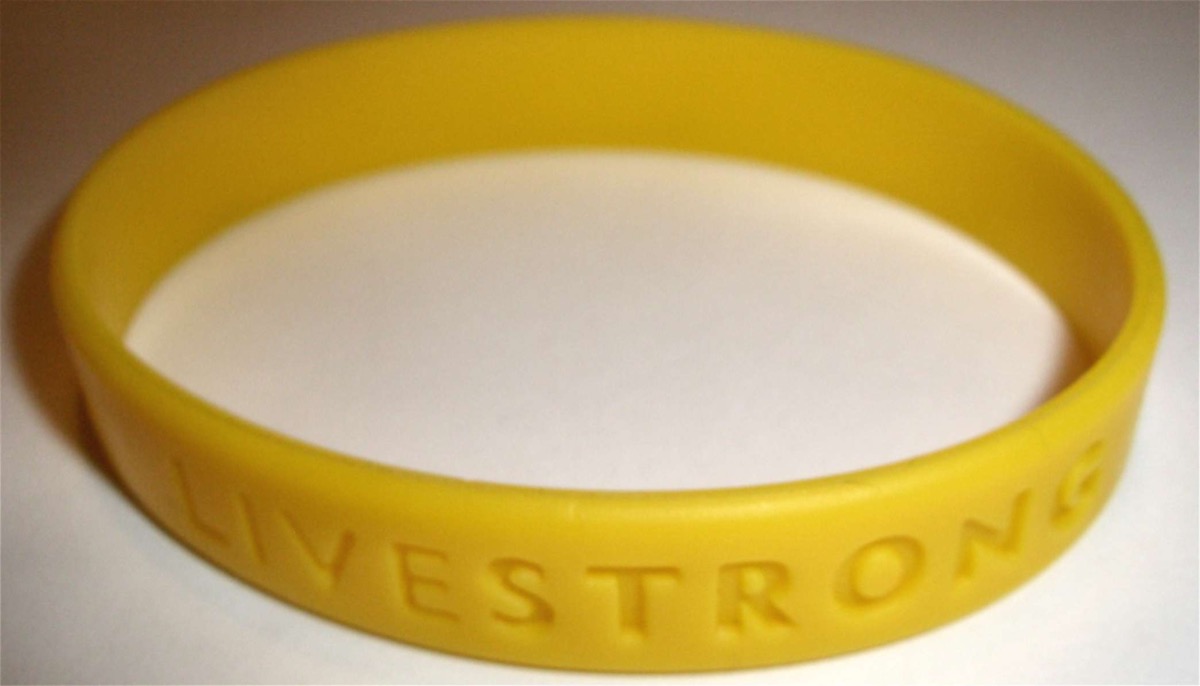
Photo credit: Photo: Sherool, CC BY-SA 3.0, via Wikimedia Commons
The yellow silicone gel wristband launched in 2004 by the Lance Armstrong Foundation with Nike, sold for $1 to support people affected by cancer. Tens of millions sold, and it ignited the entire cause-awareness rubber-bracelet craze—soon every color stood for a different charity, and everyone stacked them on their wrists like a visible moral portfolio.
In 2004, the Lance Armstrong Foundation partnered with Nike to create a simple yellow silicone bracelet with the word 'Livestrong' embossed on it. Priced at just $1 per band with proceeds funding the foundation's cancer-support programs, the bracelet became a phenomenon almost overnight. Athletes, celebrities, and everyday people wore them not just as charity support but as a fashion statement and symbol of activism.
The success of the yellow Livestrong band sparked a wave of cause-colored rubber bracelets. Soon pink bands supported breast cancer awareness, and every cause imaginable had a corresponding wristband color. Kids and adults stacked dozens on their forearms; the bracelets became trading items, conversation starters, and visible expressions of social consciousness. The trend peaked in the mid-to-late 2000s before gradually fading, though the silicone wristband model remains a standard fundraising tool today.
Similar items

Jelly Bracelets
Thin, neon plastic hoops that came in every color imaginable and were stacked up the arm like jewelry—the fashion accessory that cost almost nothing and became trading currency on every playground. Sparked by Madonna's 1980s stacked-arm look, they dominated the early 80s and stayed essential into the 90s, cheap enough to lose constantly and buy again without guilt.
Tattoo Chokers
The tight, lace-patterned plastic necklace that mimicked a hand-drawn tattoo band—one size fits all, no clasp, just stretch it over your head and let it snap snug. Worn by Kate Moss, Drew Barrymore, Gwen Stefani, and every kid with an allowance, the choker's actual origin is lost to history, and it simply appeared everywhere at once.
Italian Charm Bracelets
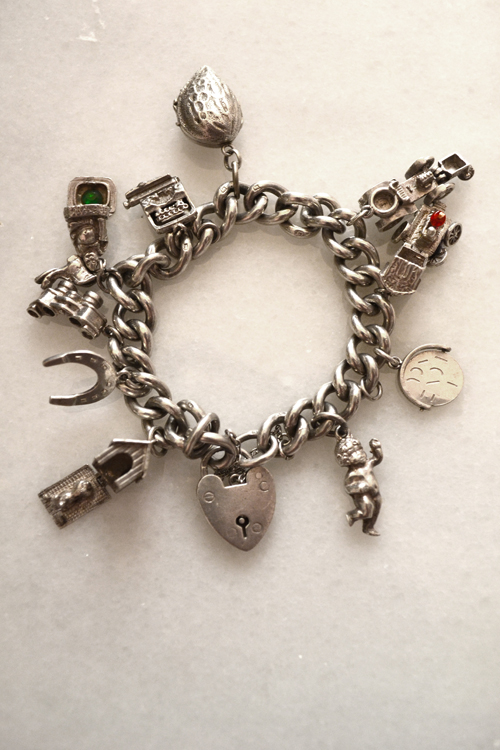
A stretchy steel band of flat little links, each one snapped out and swapped for a charm — your initial, a soccer ball, a ladybug, your best friend's name. Italian charm bracelets turned a wrist into a customizable scrapbook, and for a few years in the early 2000s every girl in school was comparing links.
Chain Wallets
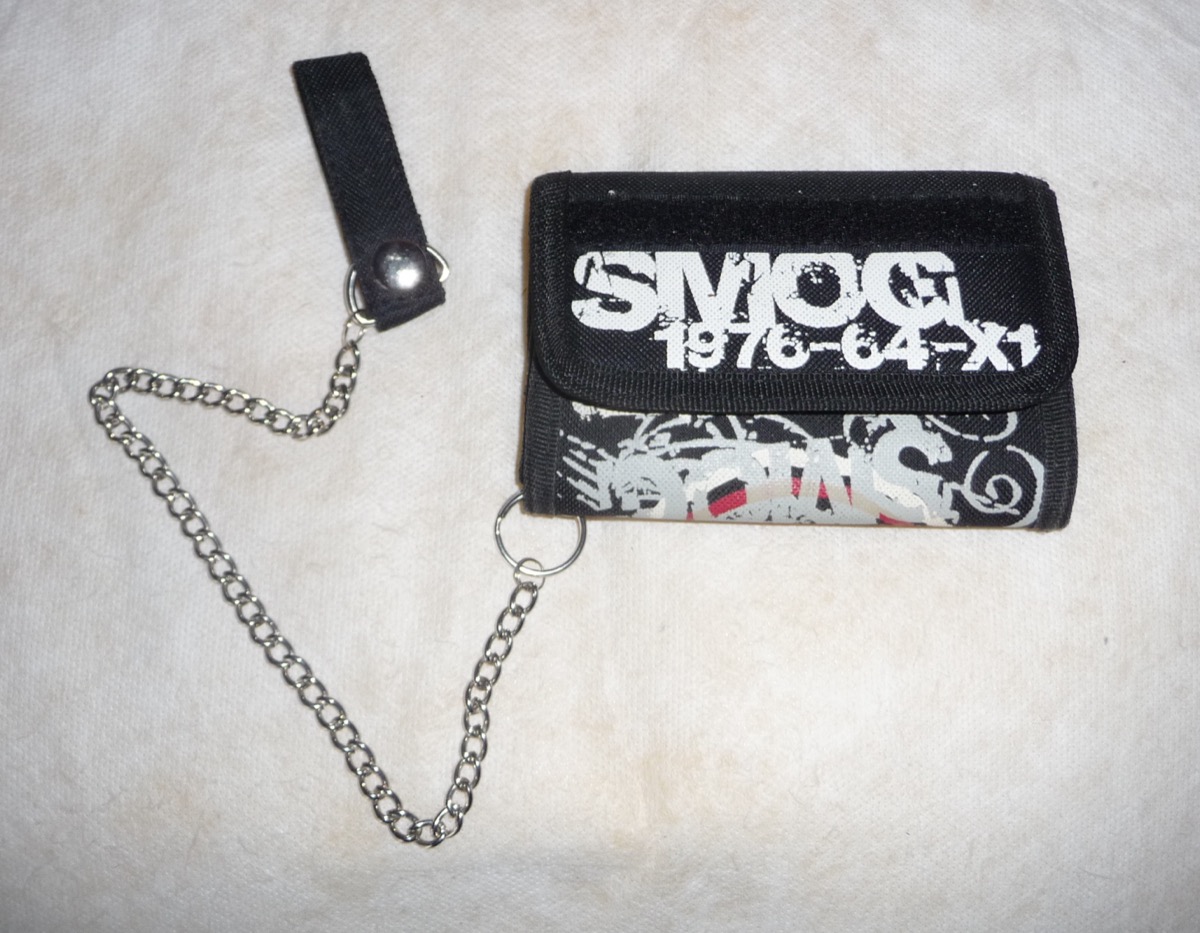
A metal chain connecting your trifold wallet to your belt loop—the ultimate 90s mall accessory that nobody actually needed for security but everyone desperately wanted anyway. Biker chic meets suburban shopping mall.