#School

34 items

Video thumbnail — Cloudy With a Chance of Meatballs — Kids Book Read Aloud
Books 1978–present

Cloudy with a Chance of Meatballs

The picture book about the town of Chewandswallow, where the weather came three times a day as food falling from the sky. Breakfast, lunch, and dinner rained down until the portions got dangerously big. A read-aloud staple that every elementary-school kid seemed to meet at some point.

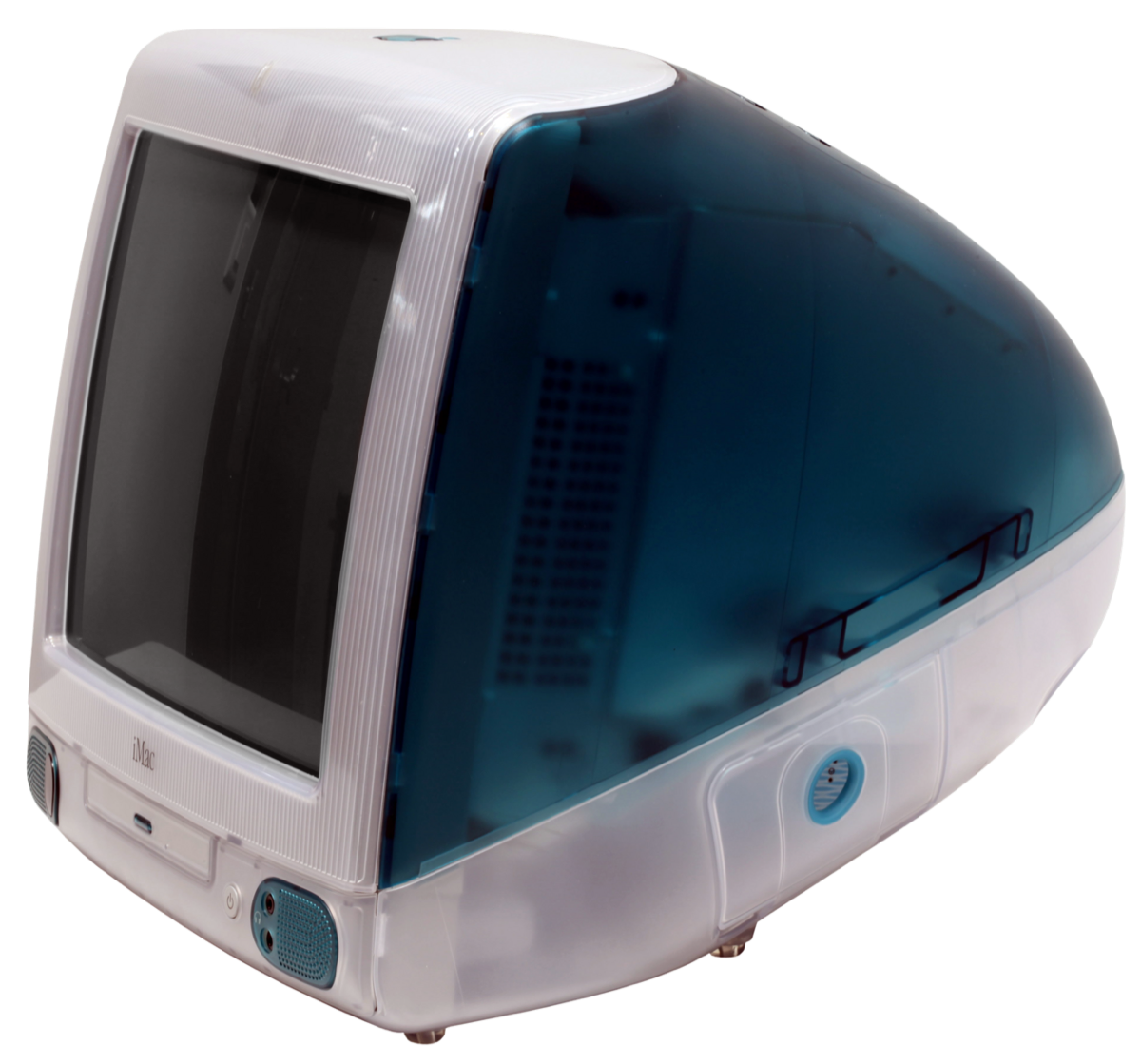
A translucent-blue Apple iMac G3 (1998) — a late-'90s all-in-one that filled school computer labs
Trends 1985–2005

Computer Lab

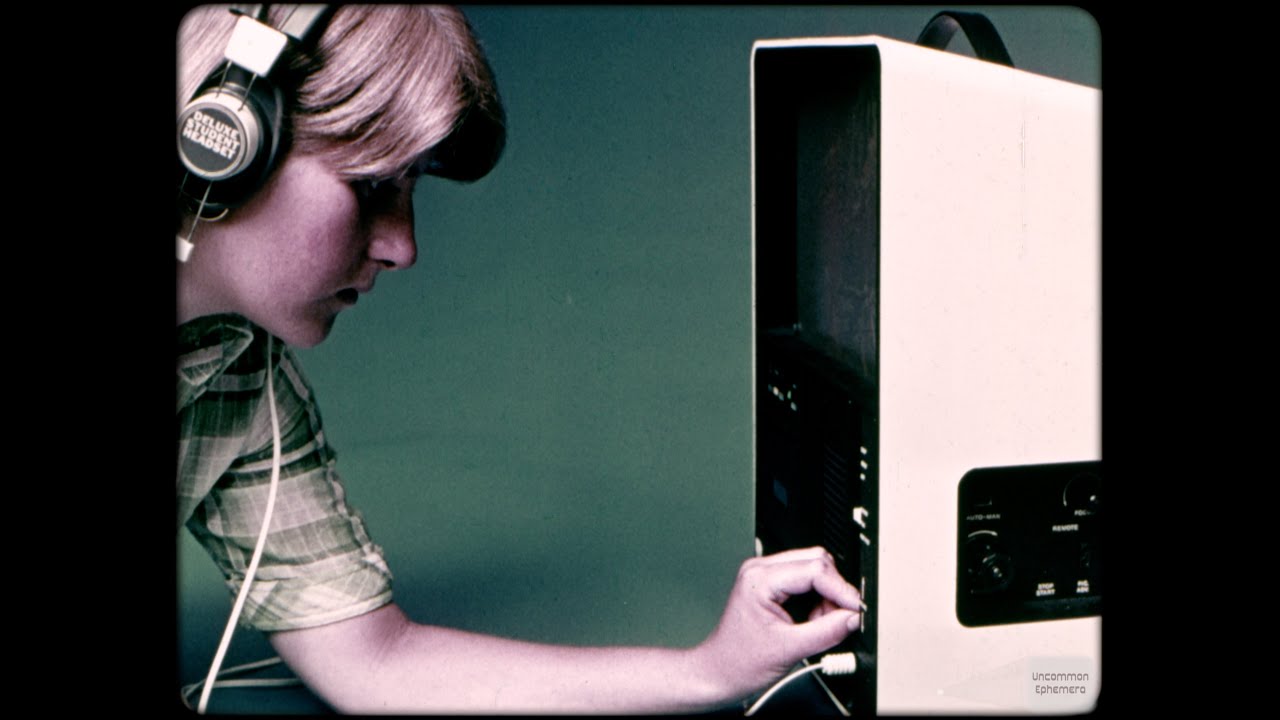
The weekly pilgrimage down the hall to the room full of beige Apple computers, where you'd slot in a floppy disk, wait, and take turns dying of dysentery on the Oregon Trail. "Computer Day" was equal parts educational software and the first place a lot of kids ever touched a keyboard.

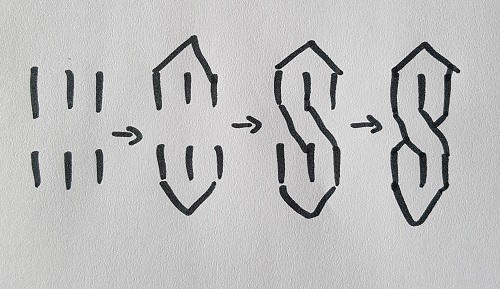
A hand-drawn, step-by-step construction of the pointy "Cool S" doodle in pen on paper
Trends 1980s–present

The "Cool S"

The pointy, six-stroke "S" that every kid somehow knew how to draw — on notebook margins, desks, backpacks, and bathroom stalls. Nobody taught it in class and nobody knows where it came from, yet it spread kid-to-kid across the entire world.

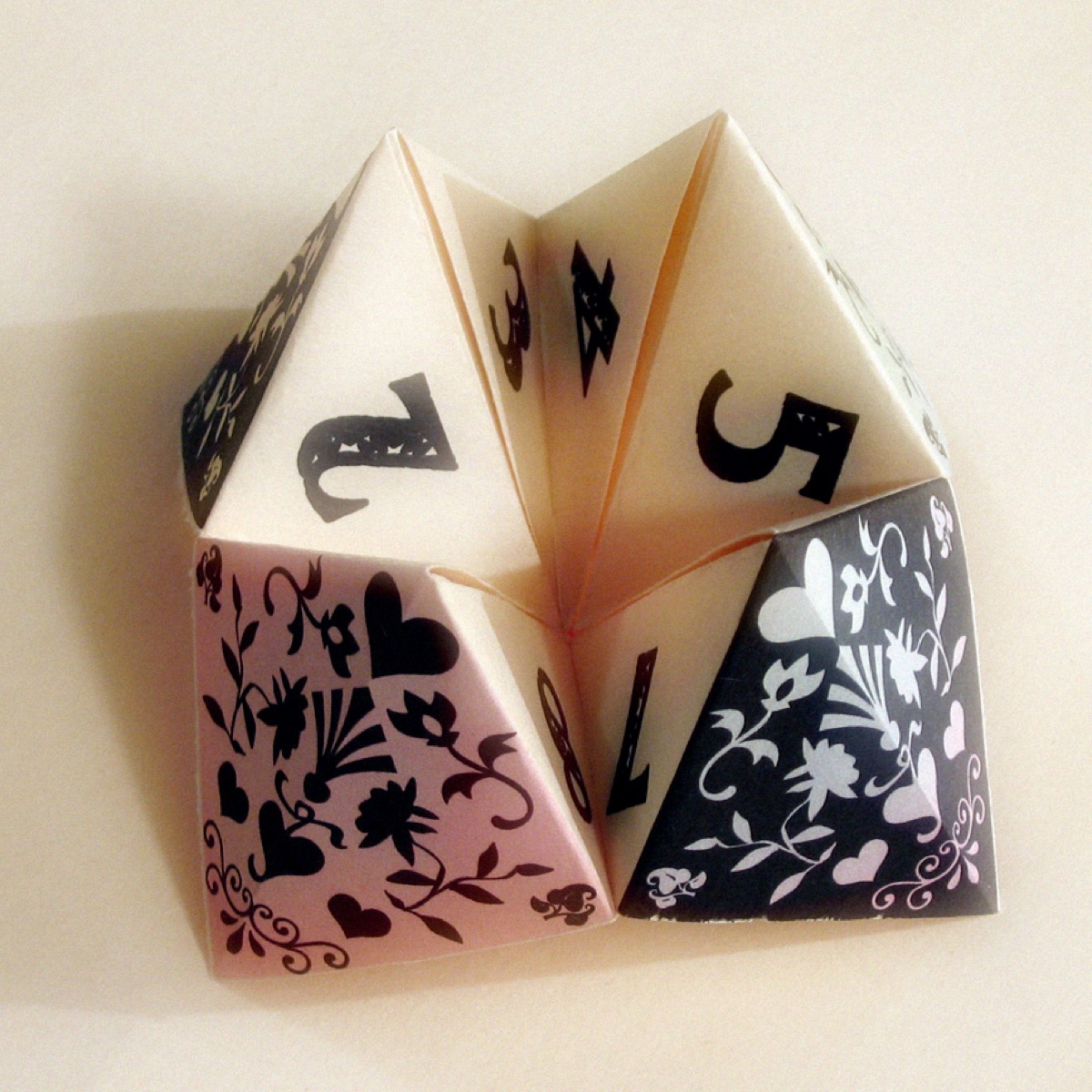
A folded paper fortune teller (cootie catcher), its flaps marked with numbers and patterned in pink and black
Trends 1880s–present

Paper Fortune Tellers

The folded-paper contraption you worked with your fingers to tell someone their future. Pick a color, pick a number, and under the last flap was your fate — who you'd marry, or something rude your friend had written. The classroom fortune-teller you could make out of a single square of notebook paper.

Video thumbnail — How to Make a Paper Bag Book Cover
Trends 1970s–2000s

Covering Your Textbooks

The first week of school came with homework before you'd learned anything: take home the stack of hardcover textbooks the teacher just issued and cover every single one. You either cut open a brown paper grocery bag and folded it into a snug jacket, or slid on a stretchy fabric cover in a color you actually liked. Then you brought them back the next day for the teacher to check.
Video thumbnail — DARE commercial
Trends 1983–present

D.A.R.E.

Drug Abuse Resistance Education — the program that sent a uniformed police officer into your elementary classroom to talk about saying no to drugs. You watched slideshows, filled out a workbook, maybe met a police dog, and graduated with the T-shirt everyone in the '90s wore. The message was simple; the results, it turned out, were complicated.

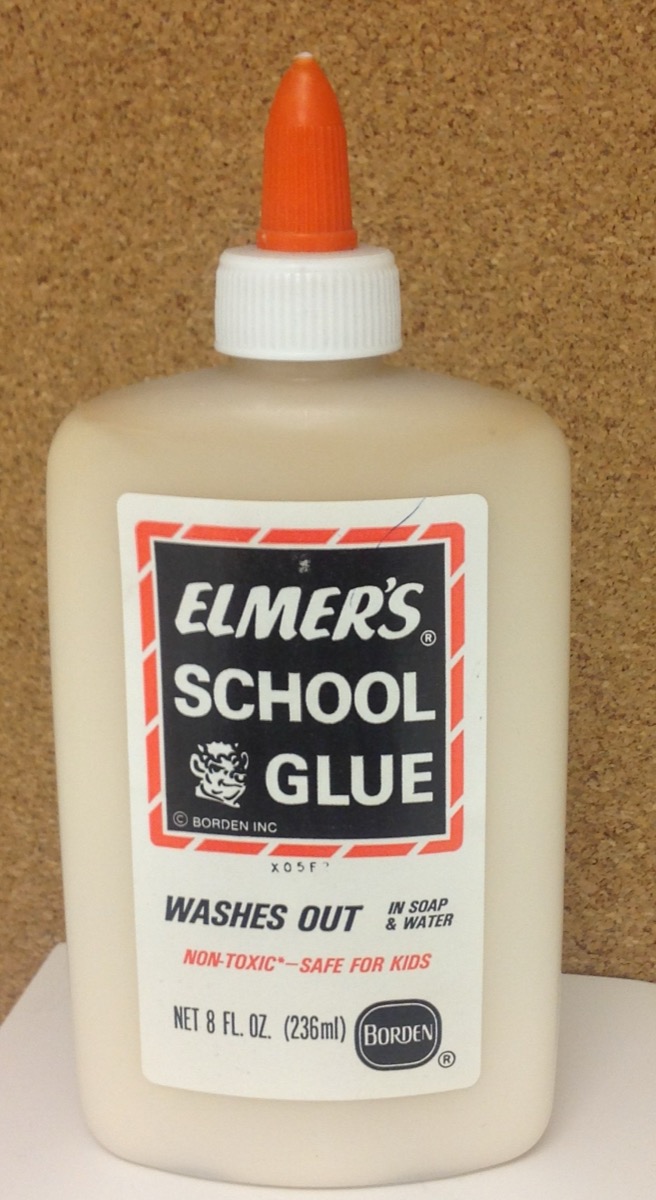
A vintage Borden-era Elmer's School Glue bottle with the orange twist cap and Elmer the bull on the label
Trends 1947–present

Elmer's Glue

The white bottle with the orange twist cap and the bull on the label — the glue of every 90s classroom, and the raw material of two sacred rituals: peeling dried glue off your palm, and the (never-quite-true) legend of the kid who ate paste.

Video thumbnail — DK "Eyewitness" - Opening & Closing theme
Books 1988–present

Eyewitness Books

Visual reference books from Dorling Kindersley that broke the mold of dense gray textbook type. Crisp object photography floating on white pages, labeled and captioned — you didn't read them front-to-back, you wandered them. Within eight years, 18 million copies had sold worldwide; they became the default grab for every school report.

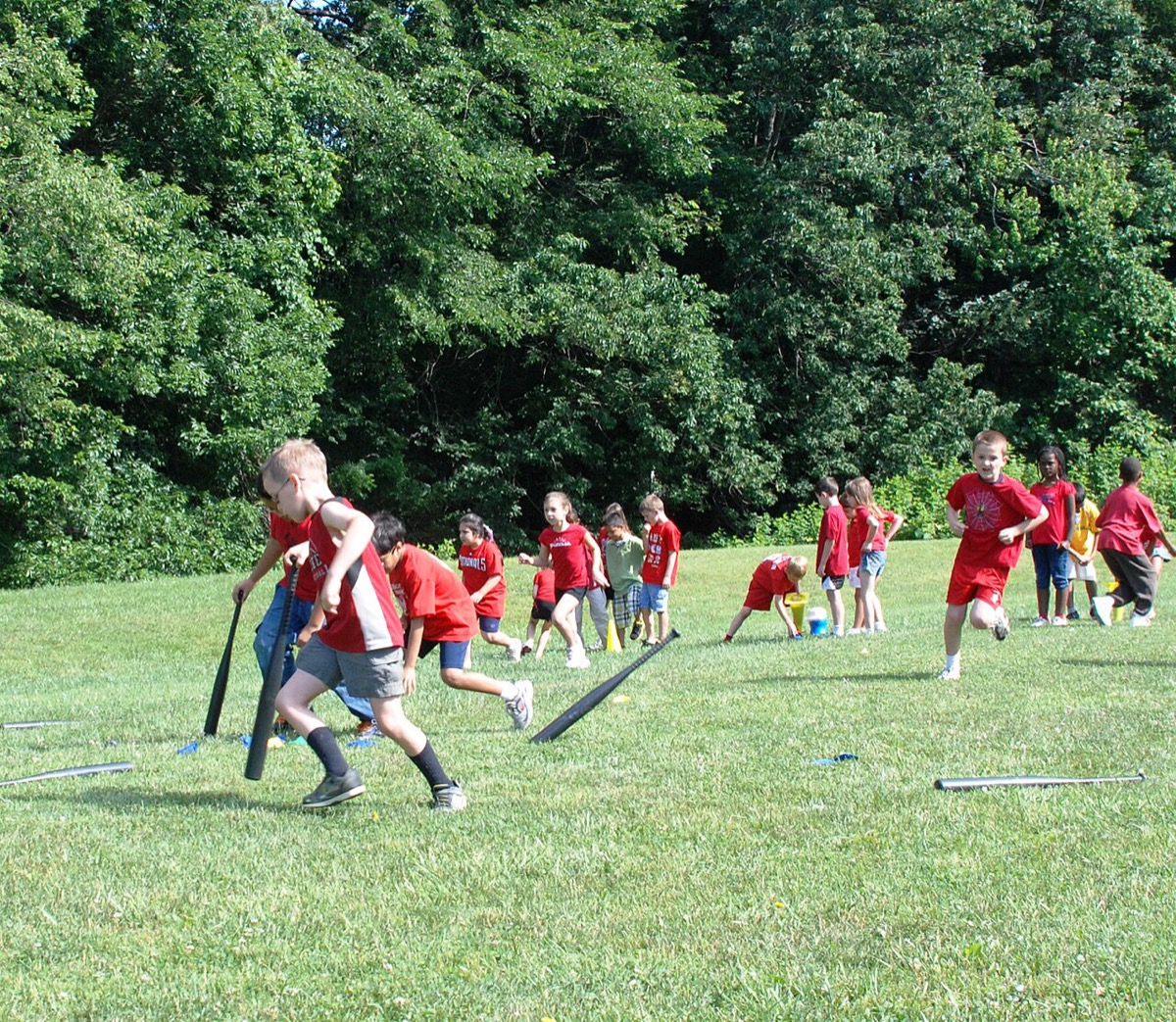
Elementary-school kids in matching shirts playing outdoor games on a grassy field at a school field day
Trends 1990–2005 peak

School Field Day

The end-of-year outdoor blowout when class got canceled for a day of sack races, tug-of-war, three-legged races, and water-balloon tosses out on the field. Everybody went home sunburned and clutching a ribbon — even if it just said "Participant."

Video thumbnail — How To Play FOUR SQUARE
Trends 1950s–present

Four Square

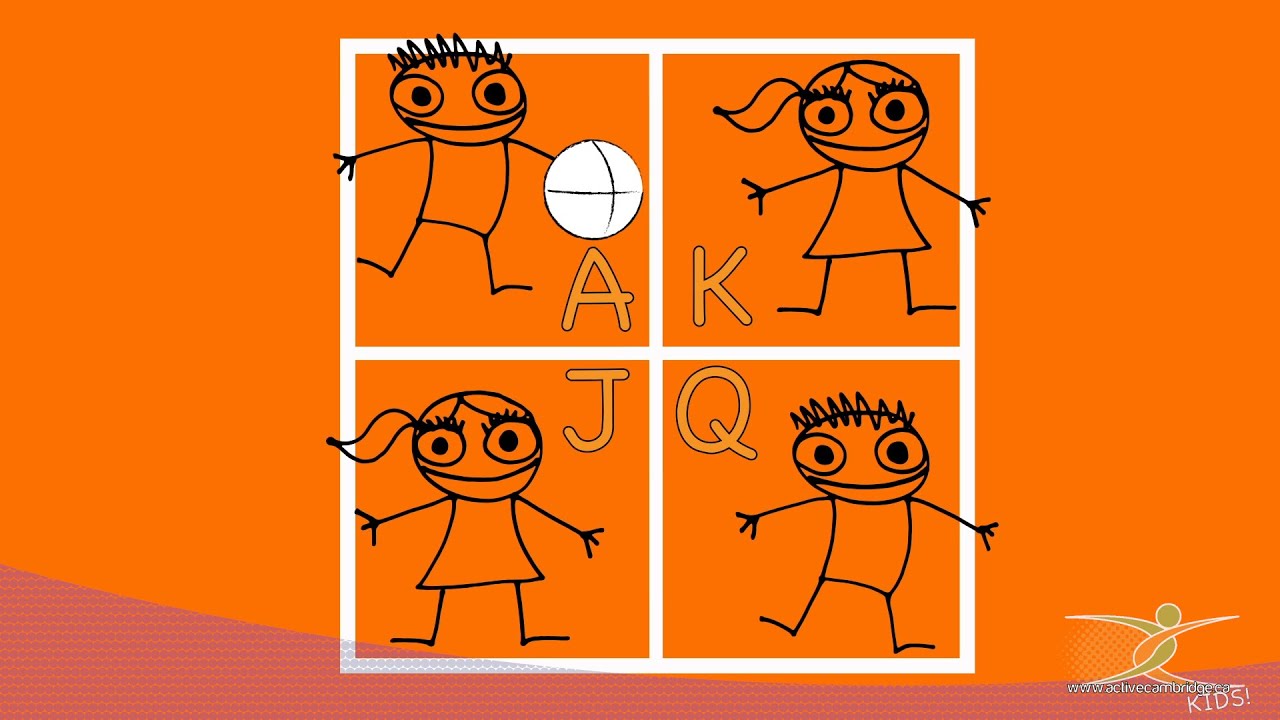
The recess court painted in four big squares, ruled by whoever held the top square and whatever house rules they felt like declaring that day. Bounce the rubber ball into someone else's square, they had to hit it on before it bounced twice, and one blown return sent you to the back of the line while everybody moved up.

Video thumbnail — Star Stickers - Foil Star Stickers - Gold Star Stickers
Trends 1960s–2000s

Gold Star Stickers

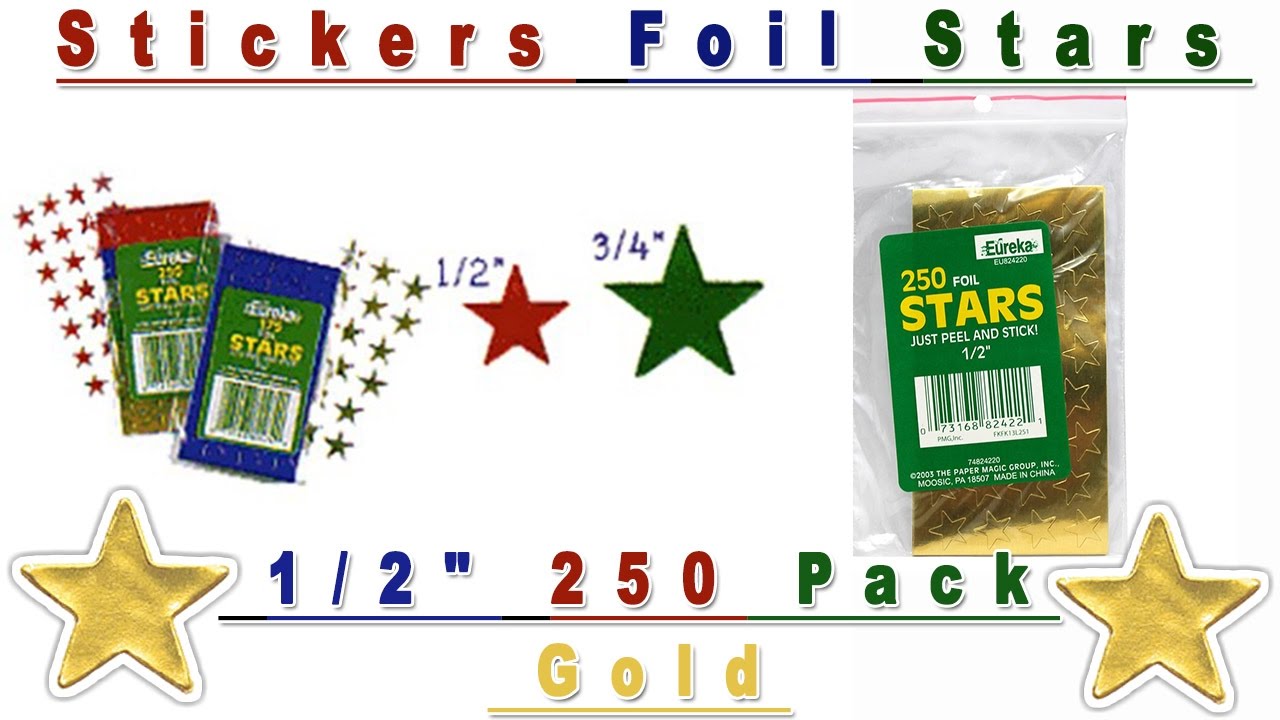
The foil star the teacher pressed next to your name on the chart taped to the classroom wall. Names ran down one side, a row of little boxes ran across, and the stars were the public ledger of who was doing well. Five in a row might mean the prize box. An empty row was its own quiet punishment.

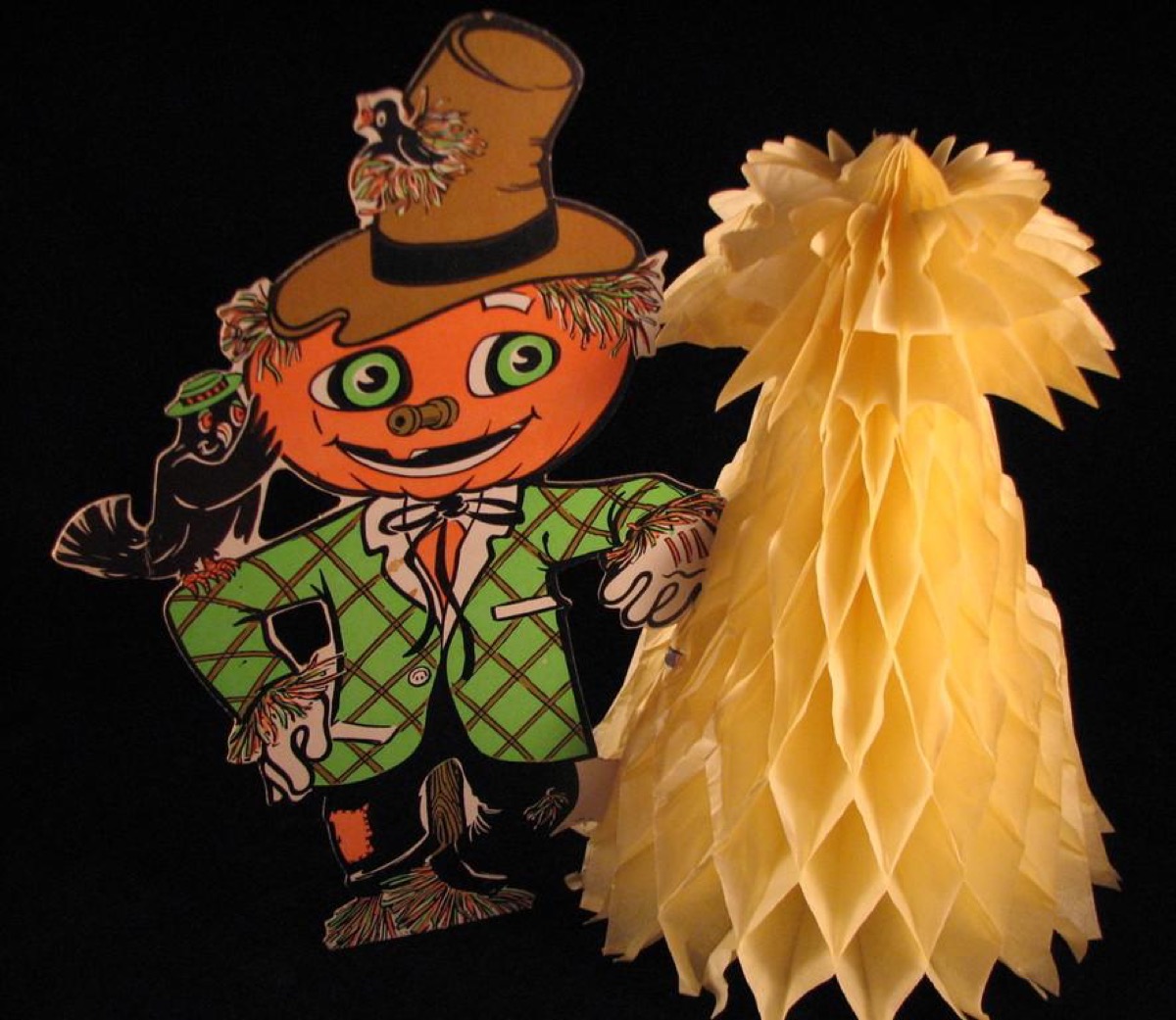
Vintage die-cut paper Halloween decorations — the kind taped up on classroom walls every October
Trends 1990–2005 peak

Halloween Classroom Decorations

Every October, elementary-school teachers transformed their rooms — construction-paper pumpkins taped to the windows, black paper bats on the walls, stretchy fake cobweb in the corners, and the jointed cardboard skeleton grinning by the door. It was the classroom's yearly costume.

Video thumbnail — A Cry in the Wild (1990) Official Trailer
Books 1987–2003

Hatchet

Gary Paulsen's 1987 survival novel about a thirteen-year-old crash-landed alone in the Canadian wilderness with nothing but a hatchet — the book that convinced a generation of middle schoolers they could survive in the woods if they just tried hard enough.

Video thumbnail — How to Play Seven Up
Trends 1950s–present

Heads Up, Seven Up

The rainy-day classroom game where seven kids crept up and down the aisles while everyone else put their heads down, eyes closed, one thumb up. Get your thumb pressed and you stood to guess who did it — a correct call and you took their place at the front. It was less a game than a way to survive an indoor recess.

Video thumbnail — Horrible Harry and the Green Slime Book 2 by Suzy Kline · Audiobook preview
Books 1988–present

Horrible Harry

Harry loves horrible things — slime, snakes, gross schemes — and his loyal best friend Doug narrates the chaos from Miss Mackle's class in Room 2B. Suzy Kline's chapter books were Scholastic order-form gold, and if you remember it as Room 3B, you're not wrong: the class moves up to third grade in the later books.

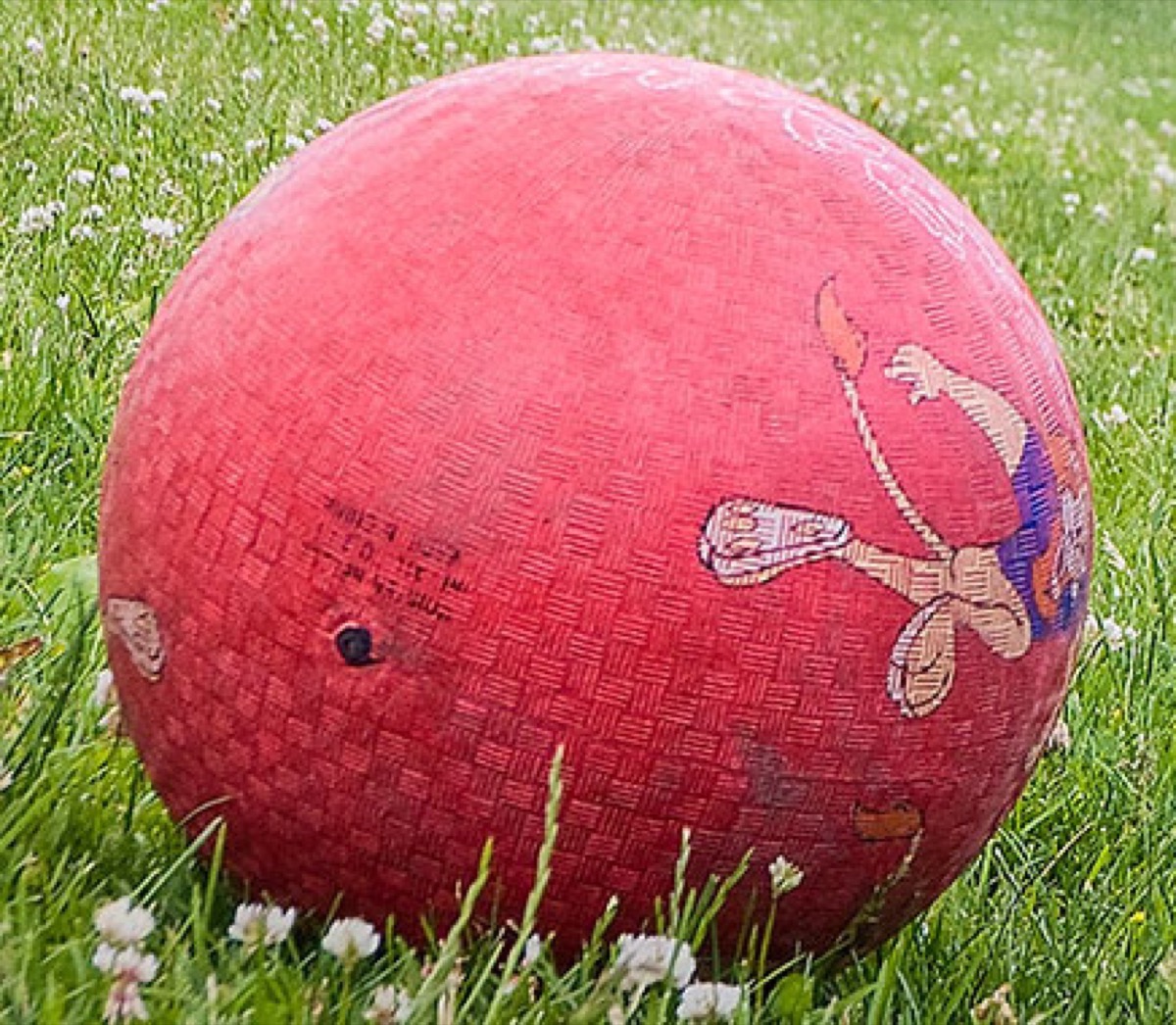
A big red rubber playground ball in the grass — the ball of every schoolyard kickball game
Trends 1990–2005 peak

Kickball

The great equalizer of elementary recess: a big red rubber ball, a diamond scuffed into the grass, and a game of baseball you played with your feet. The same ball did double duty for four-square and dodgeball.

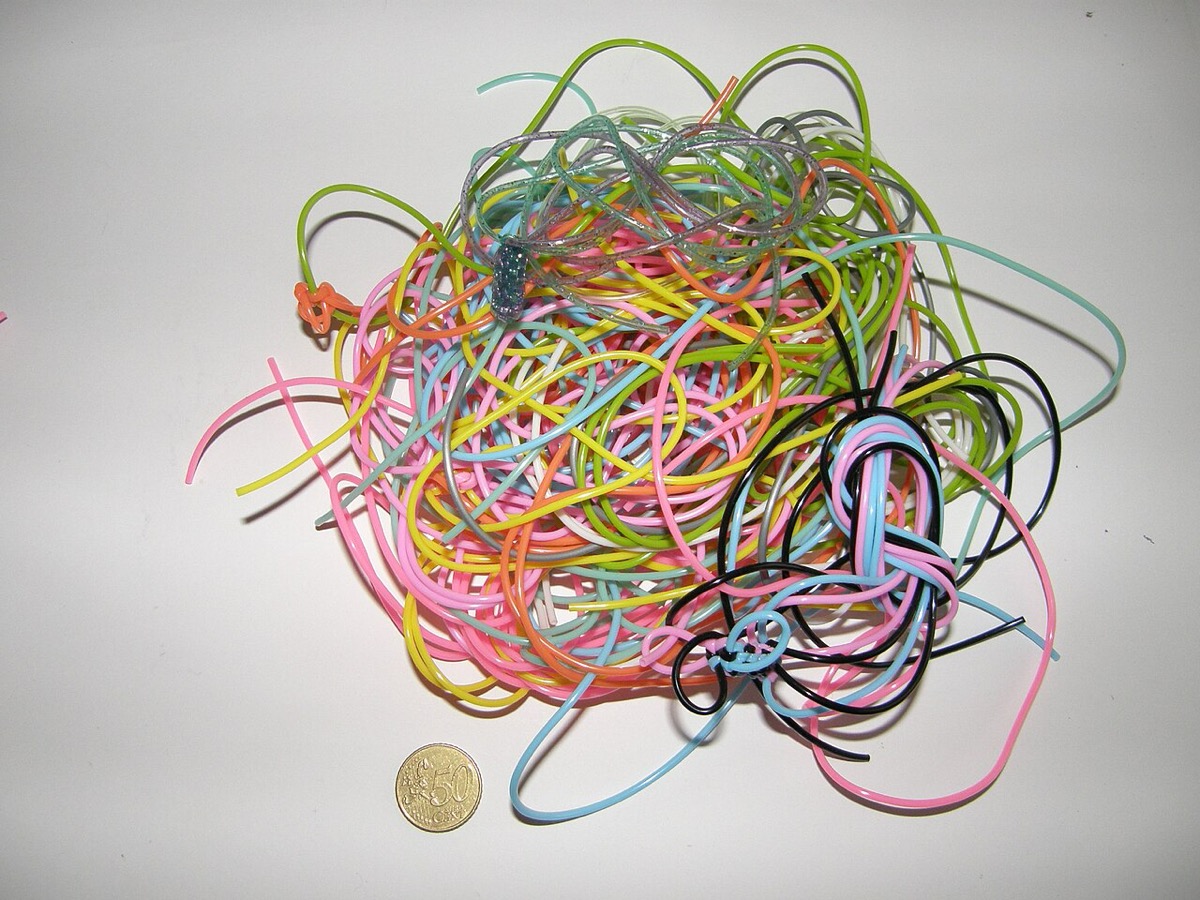
A tangle of brightly colored scoubidou / gimp plastic lacing, the material of the lanyard craft
Trends 1958–present

Lanyards

The plastic-lace keychain craft that ran on camp tables and classroom desks — box stitch, cobra, Chinese staircase — in every neon color the gift-shop rack sold. Depending on where you grew up you called it gimp, boondoggle, or scoubidou, and you made yards of it you had no use for.

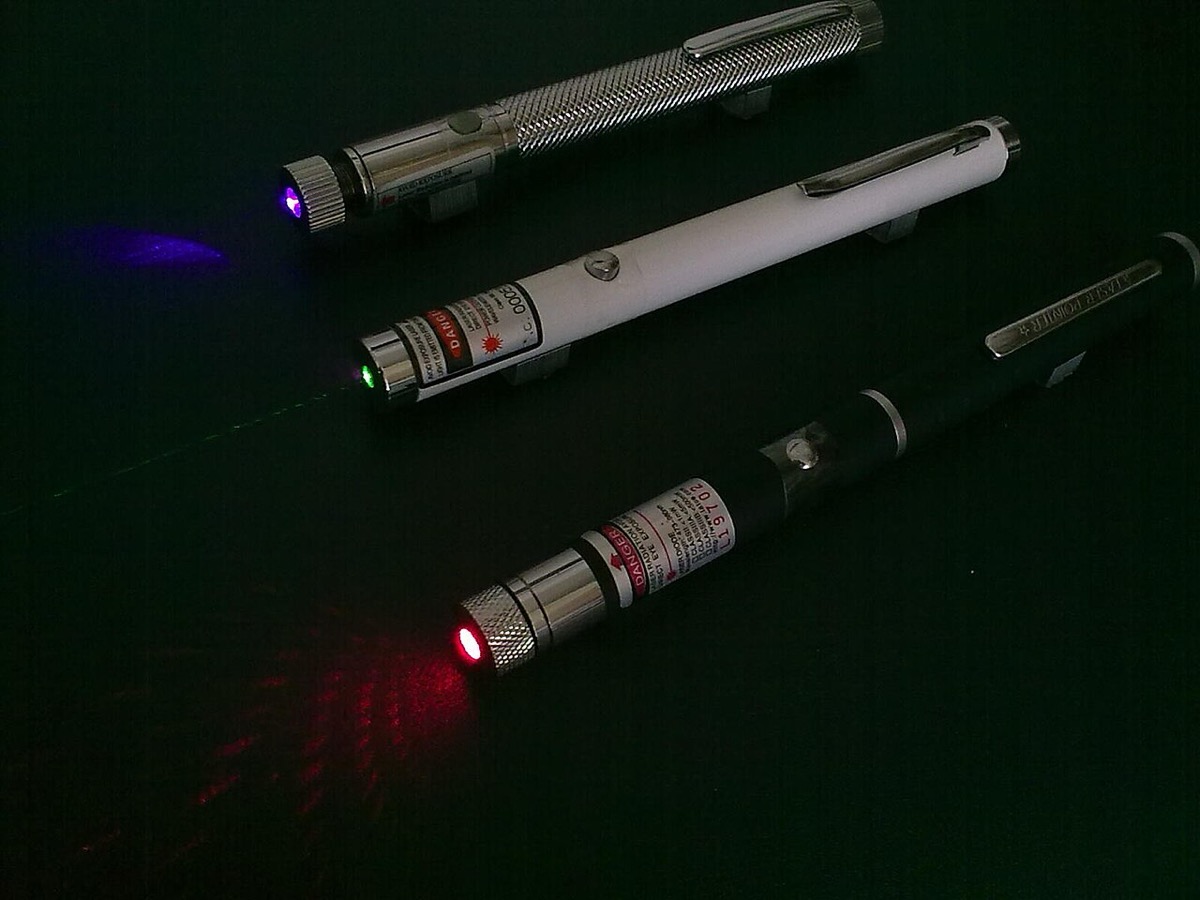
Three handheld laser pointers on a black background, each lit — a violet, a green, and a red beam and dot
Toys 1996–2000

Laser Pointers

The little metal cylinder that shot a tiny red dot across the room — and, briefly, across every classroom, movie screen, and school bus in America. When laser diodes got cheap in the late 90s, the laser pointer became the pet rock of the decade: irresistible, everywhere, and quickly banned.

Placeholder illustration for the MASH pencil game
Trends 1980s–present (true origin unrecorded)

MASH

The pencil-and-paper fortune game that predicted your whole adult life in a few minutes: who you'd marry, what car you'd drive, how many kids you'd have, and — the joke of the whole thing — whether you'd end up in a Mansion, an Apartment, a Shack, or a House.

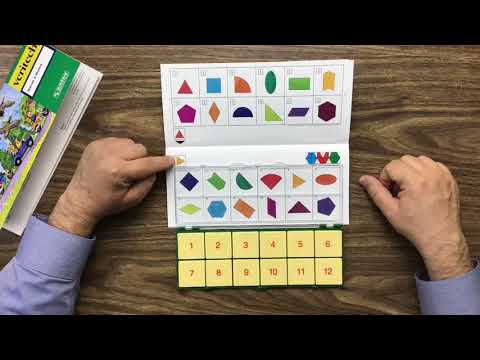
Video thumbnail — Veritech Numéracie
Toys 1967–present

Mini Veritech

A self-checking tile puzzle: twelve numbered tiles in a clear plastic case, each with a fragment of a geometric pattern on the back. You worked through a workbook puzzle, placed each numbered tile on its answer, then flipped the case closed — if the pattern matched what was printed in the book, every answer was right. The game told you before the teacher could.

Video thumbnail — How to Make a Triangular Fold : Paper Folding Projects
Trends 1980s–2000s

Note Folding

The lost art of turning a torn sheet of notebook paper into a tightly folded packet — a triangle you could flick across the room, or a rectangle finished with a tucked corner someone had to pick loose — and passing it hand to hand when you couldn't just say it out loud. In a '90s classroom, a folded note was how a secret got three rows over.

Video thumbnail — 80s Commercials - Presidential Physical Fitness Award
Trends 1966–2013

The Presidential Physical Fitness Test

Once a year, gym class turned into a testing gauntlet: the pull-up bar, the sit-and-reach box, the shuttle run, and the curl-ups counted out by a partner. Do well enough across all of it and you earned the Presidential Physical Fitness Award. Come up short on the pull-ups in front of everyone and you just prayed for it to be over.

Video thumbnail — the original rainforest rap with lyrics
Trends 1988–1999

Save the Rainforest

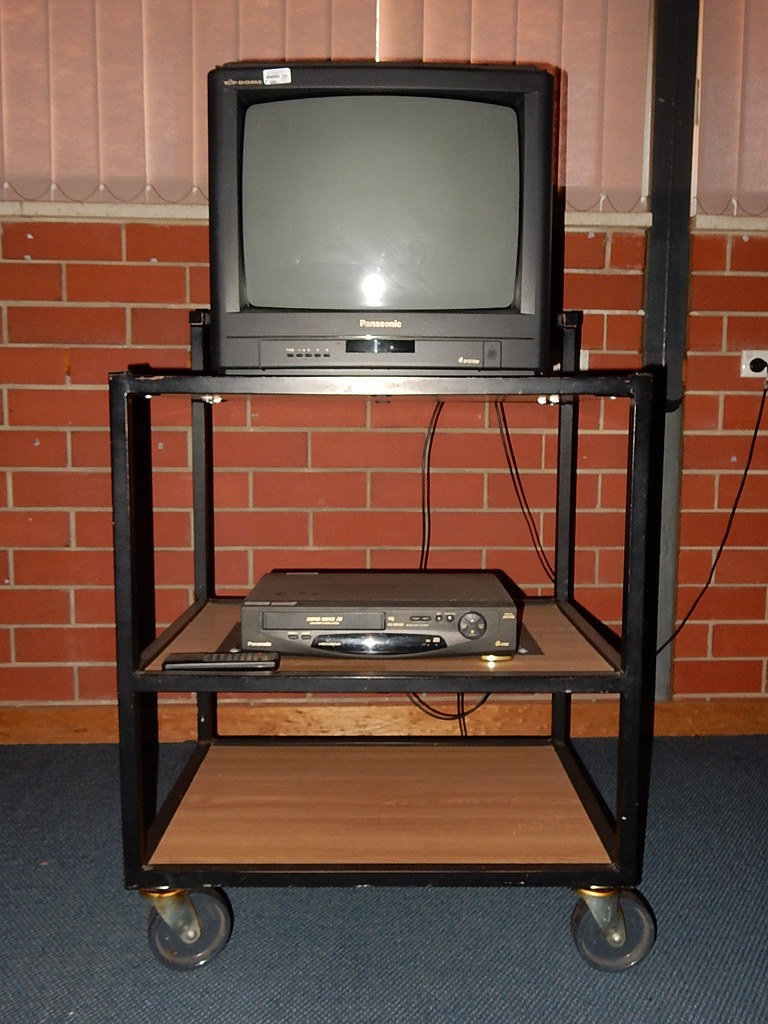
For a stretch of the late 80s and 90s, American elementary school ran on rainforest content: canopy diagrams on every bulletin board, endangered-species reports in every unit, and the hypnotic "Rain Forest Rap" on the TV cart until entire grade levels had it memorized. Saving the rainforest was simply THE cause.

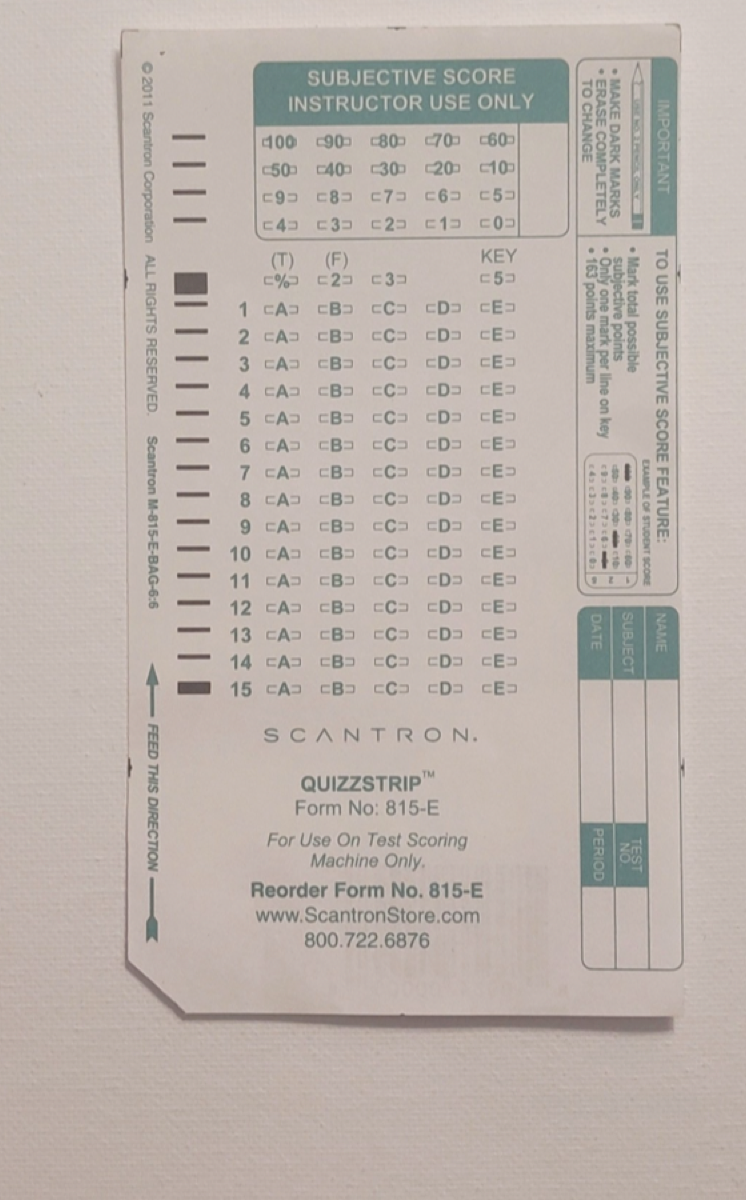
a Scantron 815-E bubble answer sheet (cropped)
Trends 1972–present

Scantron

The green (or blue, depending on your school) bubble sheet that turned testing into a ritual of dread. The Scantron form—with its perfectly aligned bubbles and #2-pencil-only mandate—wasn't just a testing tool; it was a rite of passage, complete with the terror of erasure shadows and red hash marks on the returned sheet.

Video thumbnail — Scholastic School Book Fairs of The '80s & '90s
Trends 1948–present

Scholastic Book Club Order Forms

The monthly newsprint order form that landed on your desk — a tabloid catalog of paperbacks you circled with a stubby pencil, then begged your parents to fund. Ordering meant handing your teacher the torn-off form and some crumpled bills; the payoff was delivery day, when a stack of new books arrived with your name on it.

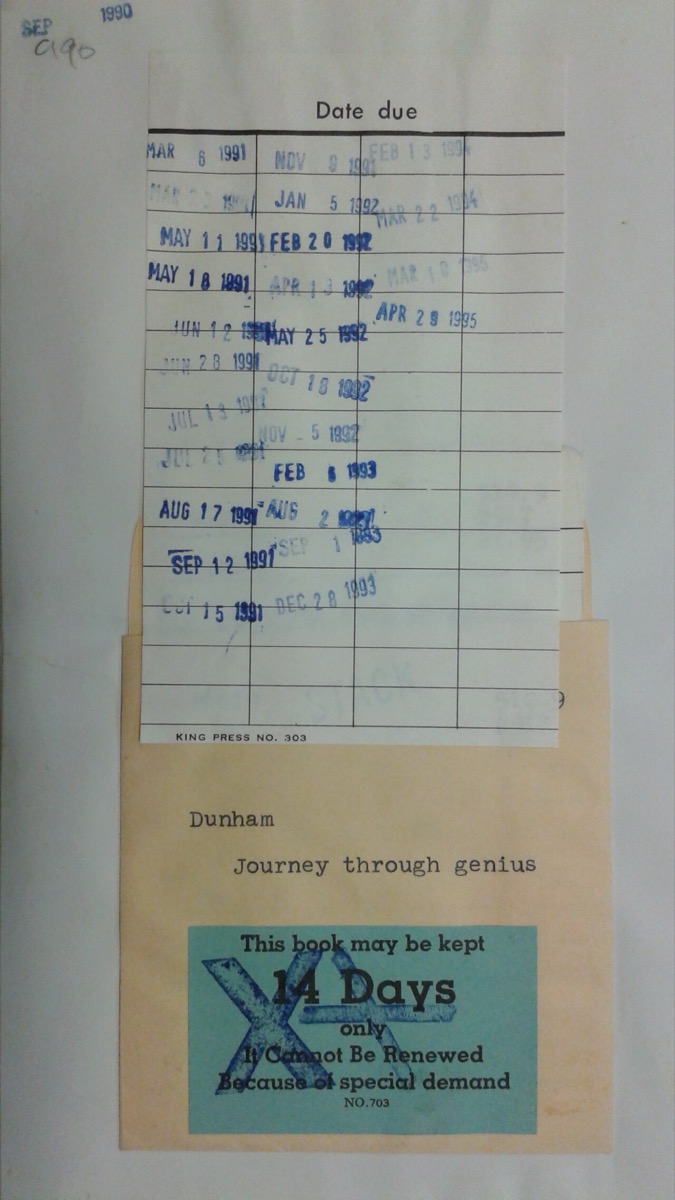
A library book's date-due slip stamped with due dates from 1990 to 1995, above the manila card pocket in the back cover
Trends 1900–1999

The Library Card & Pocket Checkout

A manila pocket glued inside the back cover of library books, a lined card inside listing every name who'd borrowed the copy before you, stamped with due dates — a fossil record of readers going back years, and you signed in to add yourself to the ledger. Then came barcodes, and 90s kids were among the last to know this ritual.

Placeholder graphic for School Assignment Planners
Trends 1990s–2000s

School Assignment Planners

The agenda book your school handed out on the first day — printed with your school's name, a homework grid for every class, and pages of rules and study tips. The Y2K editions came wrapped in a holographic cover that made an irresistible record-scratch sound when you dragged a fingernail across it.

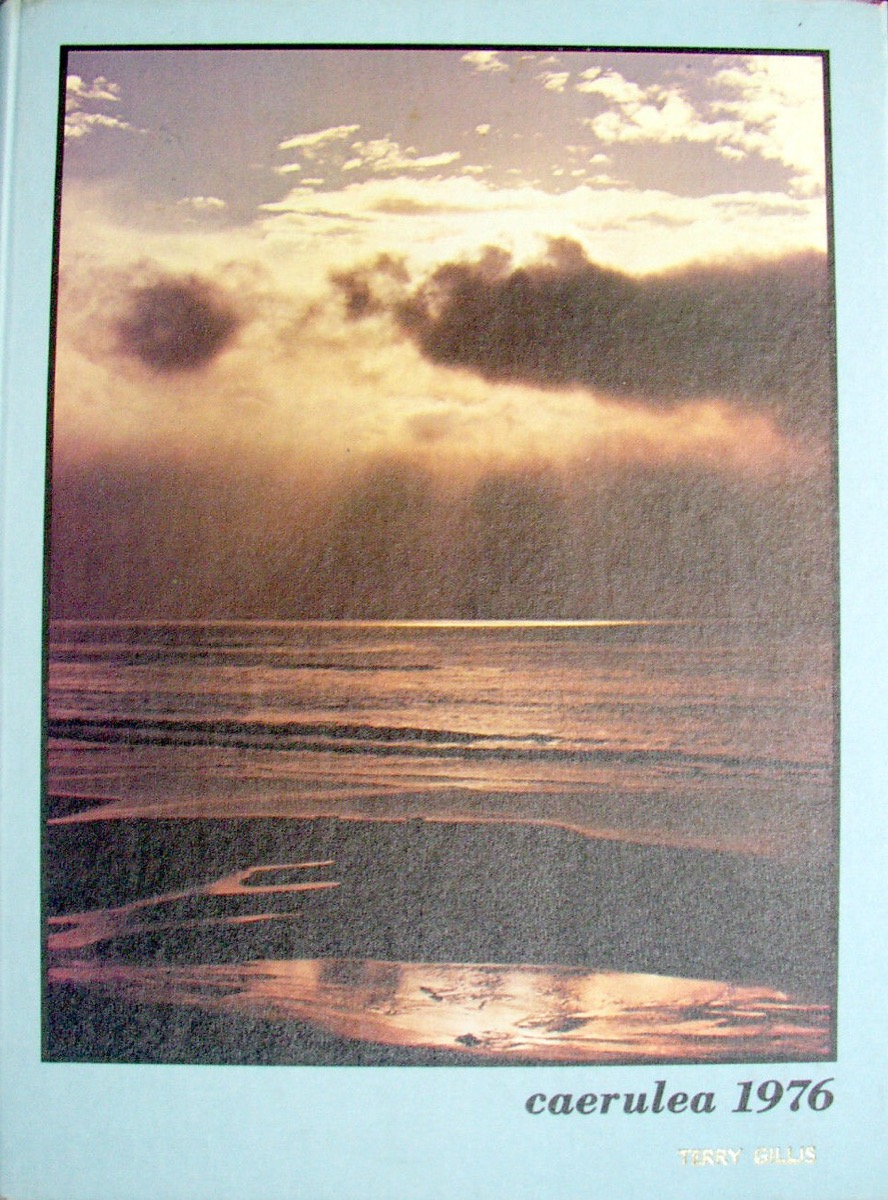
The cloth hardcover of a 1976 school yearbook, embossed 'caerulea 1976' over a sunset-ocean cover photo
Trends 1980s–present

Signing Yearbooks

The last week of school, when the yearbooks came out and everyone traded them around to scrawl in the margins and across each other's photos. 'HAGS,' 'stay sweet,' '2 good 2 be 4 gotten,' 'don't ever change, KIT!' — the same handful of phrases written over and over, sometimes next to a kid you'd barely spoken to all year.

Illustrated placeholder card
Trends 1900–2009

Writing Your Name in the School Textbook

A grid stamped inside the front cover: ISSUED TO / YEAR USED / CONDITION. On the first day you wrote your name in the column alongside every kid who'd had your copy before — sometimes going back a decade. You scanned the list for older siblings, anyone you recognized, anyone famous. The condition column warned: New, Good, Fair, Poor — and you'd pay the difference.

Video thumbnail — The Giver Official Trailer #1 (2014) - Jeff Bridges, Taylor Swift Movie HD
Books 1993–present

The Giver

Lois Lowry's 1993 dystopian novel about a boy chosen to receive all of human memory and emotion in a world stripped of both — and the devastating truth he discovers about 'release.' A generation's introduction to questioning authority, delivered via the middle-school curriculum.

Video thumbnail — Award Winning Science Fair Layout | ArtSkills Project Tip
Trends 1990s–2000s

Tri-Fold Presentation Board

The white cardboard monolith that folded open into three panels and stood up on the table by itself. Every science fair, history day, and book report eventually came down to one: glue-sticked construction paper, printed clip art, and a rainbow WordArt title. You balanced it across the back seat on the drive to school, praying nothing peeled off before the bell.

Video thumbnail — Where's Waldo Theme Song
Books 1987–1995 peak

Where's Waldo?

Find the man in the red-striped shirt hiding in impossibly crowded scenes — a simple concept that became a full-blown craze when American kids discovered Where's Waldo? in the early 1990s. It swept schools, Halloween parties, and bookstore displays.

A word search puzzle grid beside a word list, with one word circled in red
Trends 1968–present

Word Search Puzzle Sheets

The themed word-search worksheet the teacher photocopied for Friday afternoons and holiday parties — a grid of letters hiding a list of words, hunted down with a highlighter. Fall leaves, Halloween, Thanksgiving: there was a seasonal one for everything.

Video thumbnail — The Macintosh Chronicles — Brickles
Video Games 1985–present

Brickles

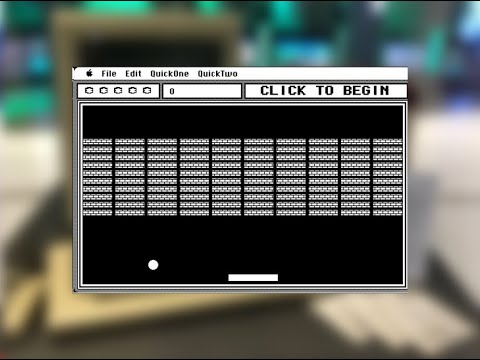
Black bricks, a white ball, a paddle, and the entire free period gone. Brickles was the brick-breaker that lived on the school Macs — a one-man shareware game from 1985 that somehow ended up defining computer-lab downtime a decade later. It is still on sale today.