Brickles
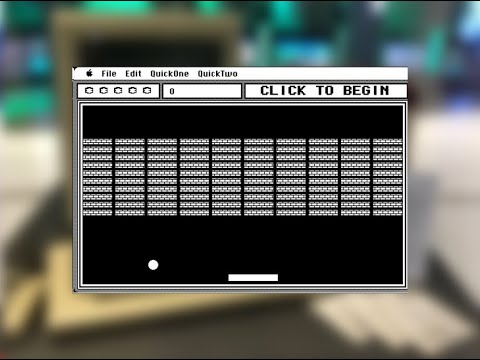
Black bricks, a white ball, a paddle, and the entire free period gone. Brickles was the brick-breaker that lived on the school Macs — a one-man shareware game from 1985 that somehow ended up defining computer-lab downtime a decade later. It is still on sale today.
Brickles is the work of one person: Ken Winograd, an MIT electrical-engineering and music graduate who founded a computer consulting company called Space-Time Associates in Merrimack, New Hampshire, in 1982. By his own account he released the first version in 1985, the year after the first Macintosh — which is worth stating carefully, because that date comes from Winograd himself and from the archives that follow him, not from any independent record of the time. It ran on the 68K compact Macs, from Mac OS 1.0 through 6.0: black and white, a wall of bricks, a paddle, and nothing else.
Its ancestor is Breakout, the 1976 arcade game — not Arkanoid, which didn't arrive until 1986 and gets the credit far too often. Brickles was the simpler, older idea, rendered in the exact monochrome of a Mac Plus.
The part that made it a memory rather than a footnote was how it spread. It was shareware rather than anything Apple shipped, so it moved by disk, copied from machine to machine and quietly installed across school labs by whoever administered them. A generation met it not because anyone bought it but because it was simply on the Mac when you sat down, and the lesson had ended early.
Winograd never let it go, and the sequels people assume were knock-offs are all his: Brickles Plus followed, and the line continued through Windows versions and Brickles Pro. That last one is still sold and runs on Apple Silicon — which means the little black-and-white time-waster from the earliest days of the Macintosh has been in continuous commercial life for more than forty years, outlasting every computer lab it was ever played in.
Similar items
Computer Lab
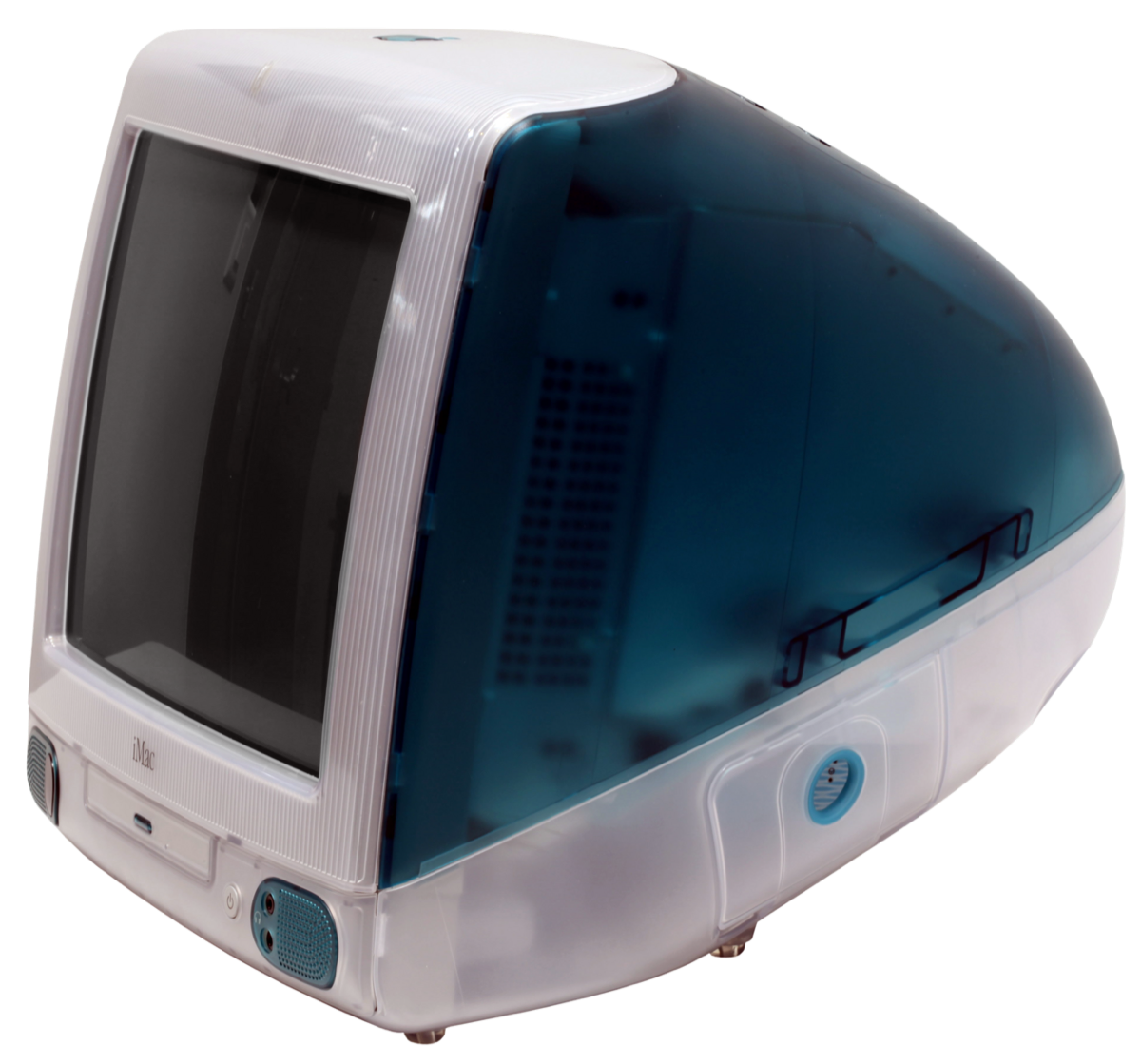
The weekly pilgrimage down the hall to the room full of beige Apple computers, where you'd slot in a floppy disk, wait, and take turns dying of dysentery on the Oregon Trail. "Computer Day" was equal parts educational software and the first place a lot of kids ever touched a keyboard.

Windows Solitaire
The Klondike card game that shipped with virtually every Windows PC — and quietly taught a generation how to use a mouse. The real reward was winning: the whole deck cascading off the stacks and bouncing across the screen.

Minesweeper
The grid of gray squares you clicked to uncover numbers — and the flags you planted over the mines you hoped weren't there. Bundled with Windows for years, it was equal parts logic puzzle and nerve test.
Bloons Tower Defense
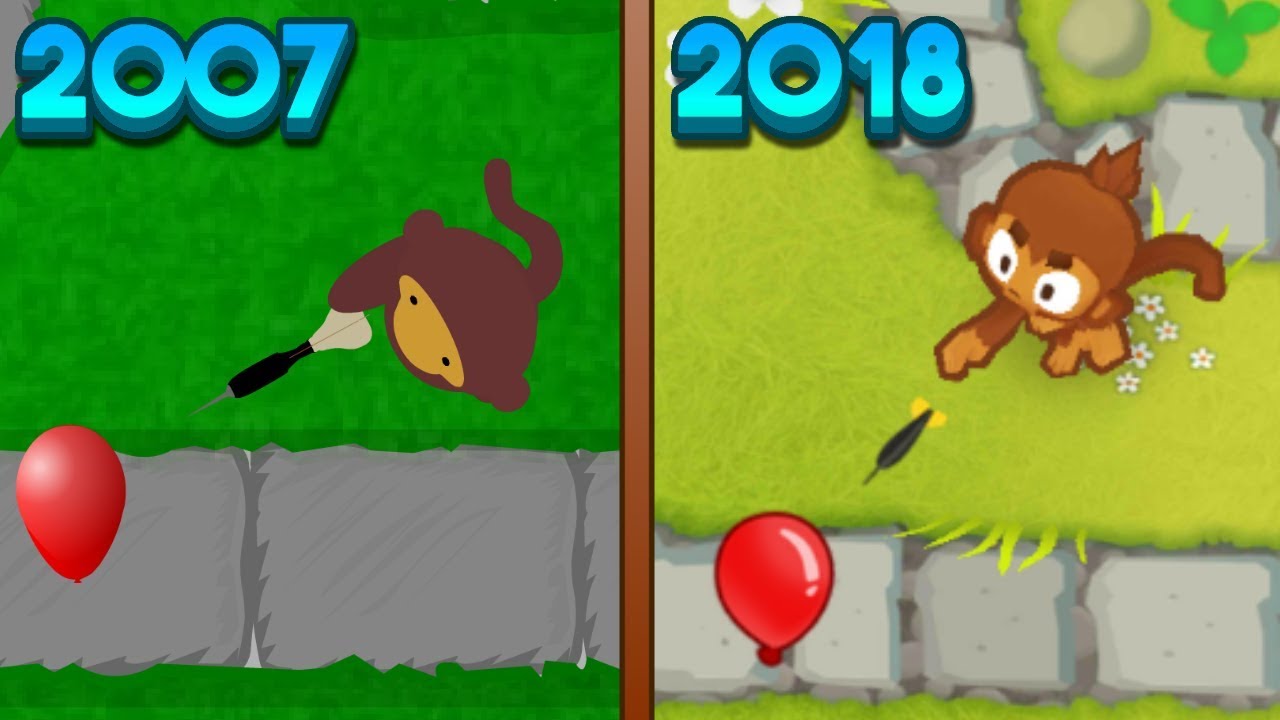
Monkeys throw darts at balloons. That's it — and it was enough to devour a billion study halls. Bloons Tower Defense loaded in any browser, ran fine on a school computer, and turned "one more round" into the defining lie of 2000s homework time.