Laser Pointers
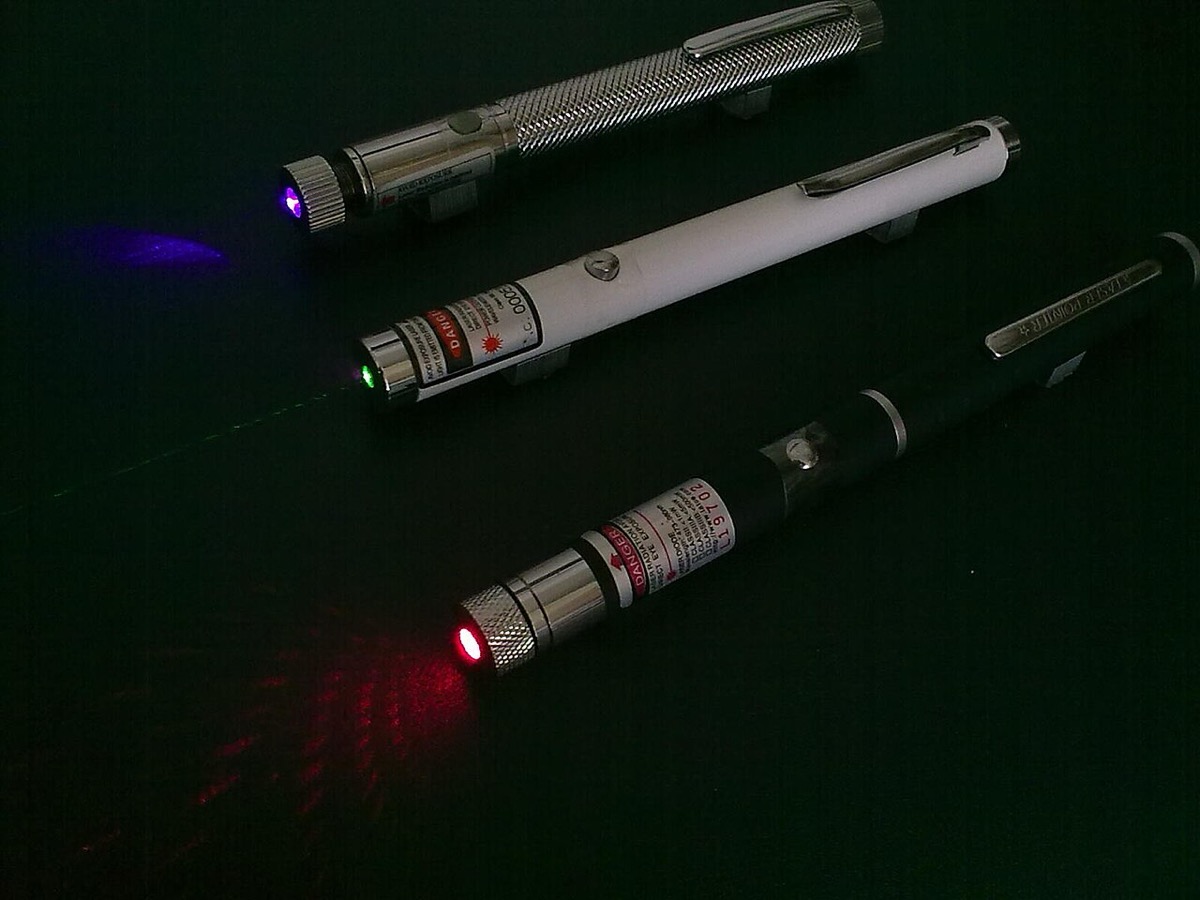
Photo credit: Photo: Netweb01, CC BY-SA 3.0, via Wikimedia Commons
The little metal cylinder that shot a tiny red dot across the room — and, briefly, across every classroom, movie screen, and school bus in America. When laser diodes got cheap in the late 90s, the laser pointer became the pet rock of the decade: irresistible, everywhere, and quickly banned.
The first red laser pointers appeared in the early 1980s as large, unwieldy devices that sold for hundreds of dollars — tools for professors and executives, not kids. That changed as red laser diodes got cheaper: by the late 1990s a pointer that once cost $80 to $100 could be had for as little as $9 to $30, and they filled the racks of office-supply and electronics stores. Overnight, a professional presentation tool became a schoolyard craze.
And a menace. The tiny red dot turned up on classroom whiteboards, movie screens, athletes on the field, and — to everyone's alarm — on other people. Cats chased it across living-room floors; kids chased each other with it. Concern grew fast: in October 1998 the American Academy of Ophthalmology issued an advisory warning parents and schools about possible eye damage, and a wave of bans followed, with cities from Philadelphia to New York restricting sales to minors and school after school confiscating them. Police had their own worry — the red dot looked unnervingly like a handgun's laser sight.
Green laser pointers arrived around 2000, brighter and more visible, and by the 2000s the story shifted to far more serious misuse, including beams aimed at aircraft and the strict laws that followed. But the pure 90s artifact is the cheap red keychain pointer — the impulse-buy gadget that every kid had for a season, and that every teacher learned to dread.
Similar items
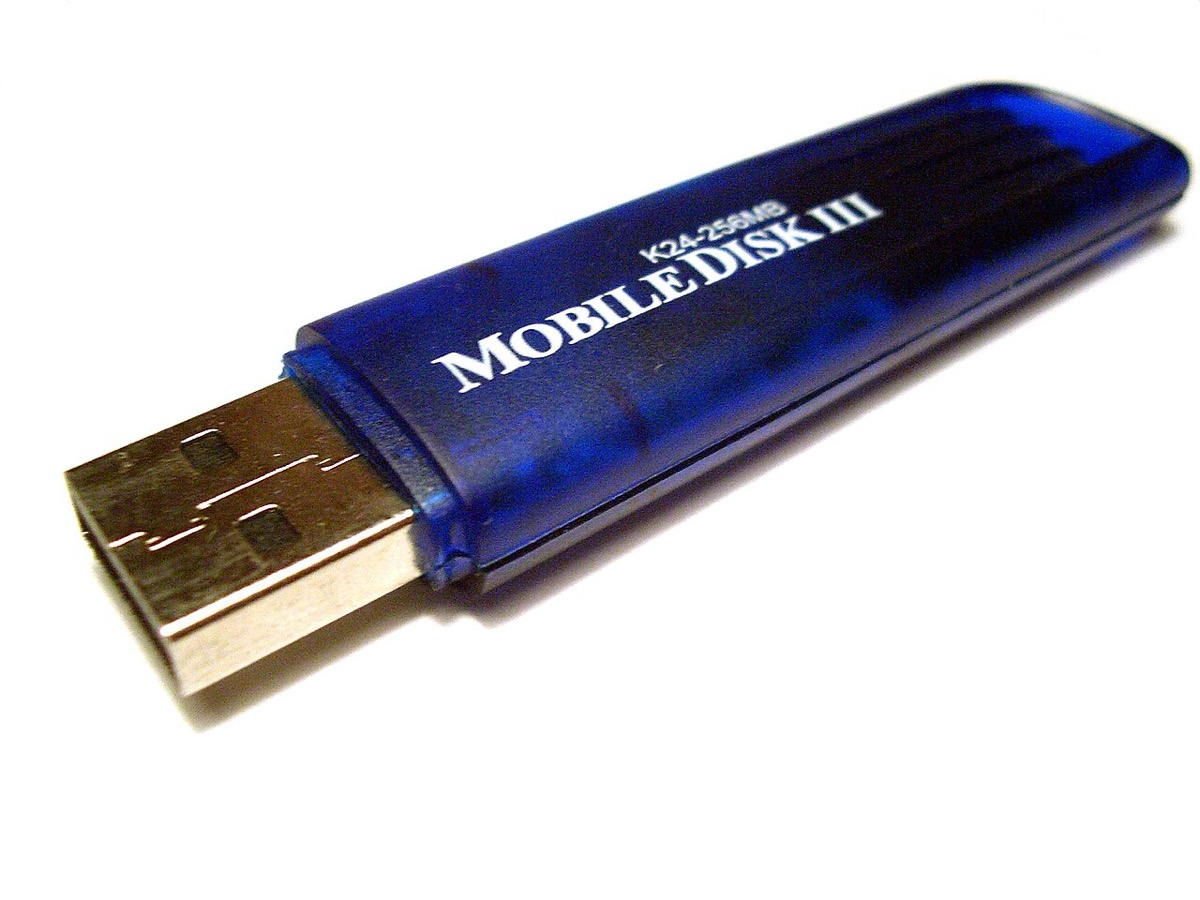
USB Flash Drives
A stick the size of your thumb that held everything. By the mid-2000s, USB flash drives had killed the floppy disk, and everything moved on a lanyard: your homework, your music, your games. Losing one was a 2000s tragedy — the only copy of your essay, gone with the keychain.

Beyblades
These spinning-top battle toys from Takara launched a worldwide mania in the early 2000s. You loaded a Beyblade into a rip-cord launcher, shouted "Let it rip!", and battled rivals in plastic arena bowls called Beystadiums. Customizable parts (attack, defense, stamina types) and the anime tie-in made them trading-post essentials.
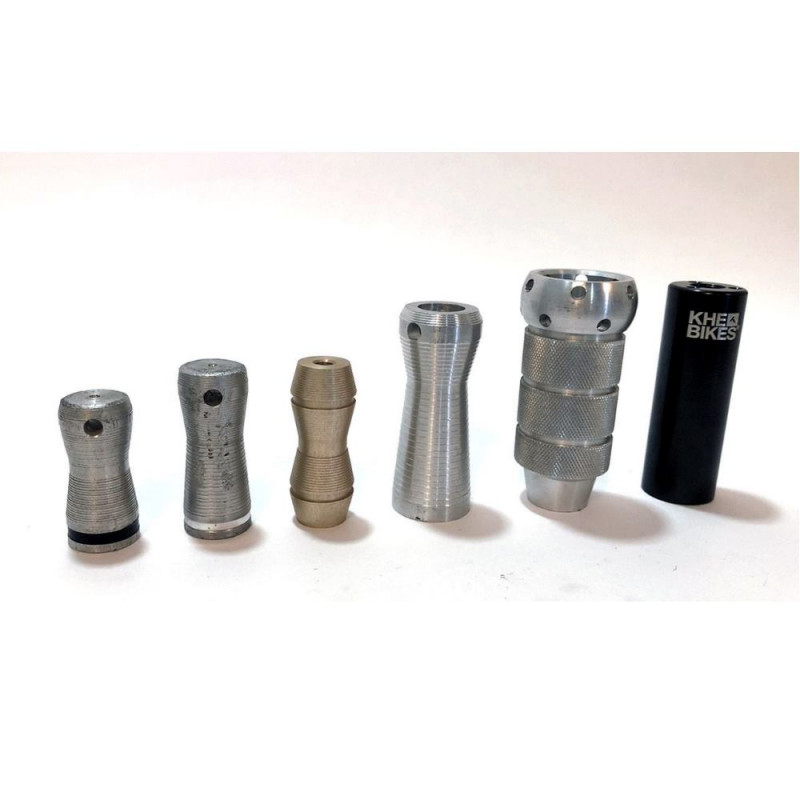
Bike Pegs
Metal stunt pegs that bolted onto bike wheel axles — the essential accessory for grinding rails and the iconic move of doubling up by having a friend stand on your rear pegs. Cheap, ubiquitous, and a rite of passage for any kid with a BMX.
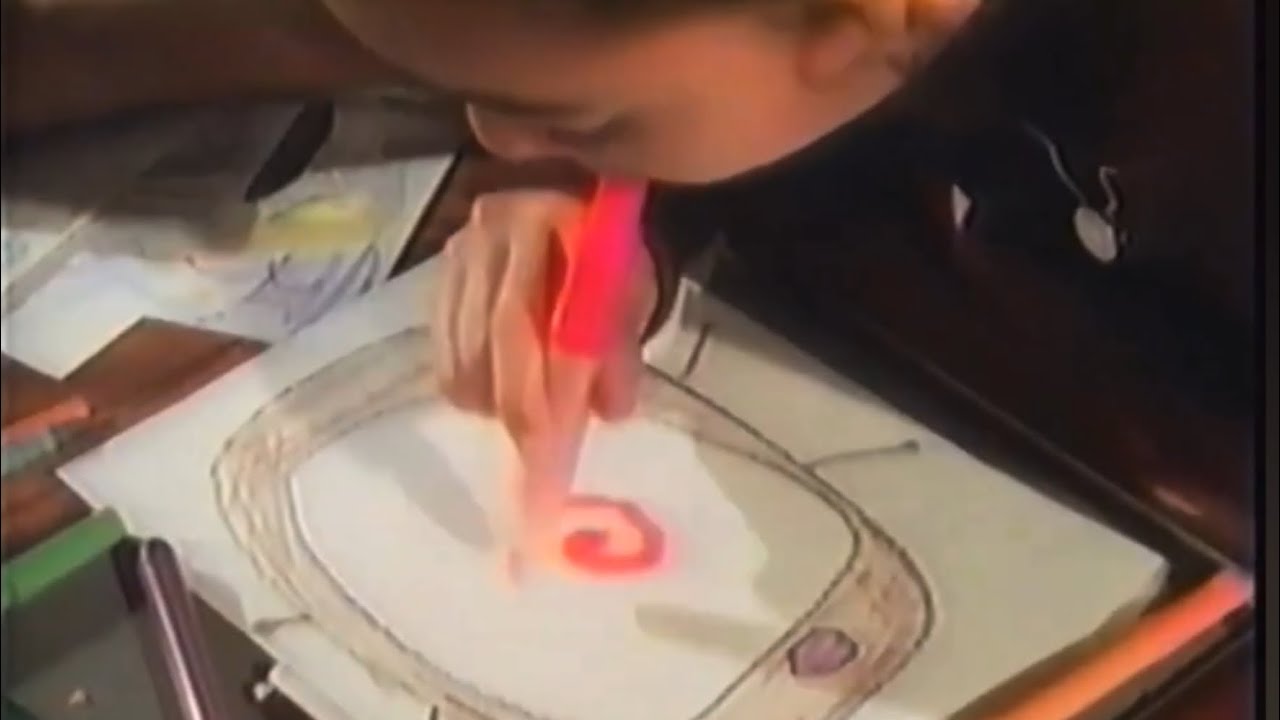
Blo-Pens
An airbrush in marker form — you aimed the plastic nib at the paper, took a deep breath, and blew hard through the mouthpiece to spray a fine mist of ink. The stencils promised crisp dinosaurs and stars; the reality was overspray, light-headedness, and a few flecks of spit on every masterpiece.