Mini Veritech
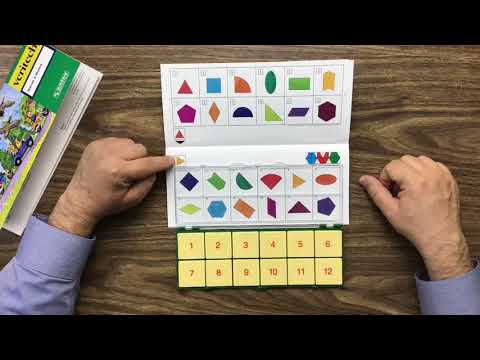
A self-checking tile puzzle: twelve numbered tiles in a clear plastic case, each with a fragment of a geometric pattern on the back. You worked through a workbook puzzle, placed each numbered tile on its answer, then flipped the case closed — if the pattern matched what was printed in the book, every answer was right. The game told you before the teacher could.
The system was invented in the 1960s by German educator Heinz Vogel (1919–1980) as LÜK — short for "lernen, üben, kontrollieren": learn, practice, check. It spread globally under different names in different regions: Veritech in France and Canada, the original LÜK in German-speaking countries, YUP in Turkey, LYCK in Sweden, ARCO in Venezuela, Tutor Systems in Australia. The core was always the same: a clear case, numbered tiles, workbooks aligned to each tile's position, and a geometric pattern on the back that verified correctness instantly. The system eventually spread to 18 languages in 35 countries, with several hundred workbooks spanning preschool matching games to advanced math.
The Mini Veritech was the 12-tile version designed for younger kids, with workbooks spanning roughly ages 4 to 12 in reading, numbers, and natural science. In Canada it became a classroom-center staple, distributed by school-supply houses such as Brault & Bouthillier, often stored on the shelves near the math worksheets and the globe. It's still sold to schools today — the design has proven too effective to discard.
For a 90s kid working through a puzzle during "choice time" or a rainy recess, the Mini Veritech was a small rebellion: you didn't need a teacher to tell you if you were right. You placed each tile, closed the case, flipped it, and the geometric pattern on the back gave you the answer instantly. That click of the case closing, the anticipation before the flip, the immediate gratification (or disappointment) of the pattern — it was self-sufficiency, self-correction, and a little bit of magic compressed into twelve plastic tiles. No erasing, no second-guessing, no waiting for a grade.
Similar items

Math Blaster
The space shooter your parents wanted you to play: math problems zip across the screen, you fire the cannon at the correct answer, and somehow you're drilling fractions without noticing. Every 90s school computer lab had it, and every kid who touched it felt like an arcade ace instead of a student.
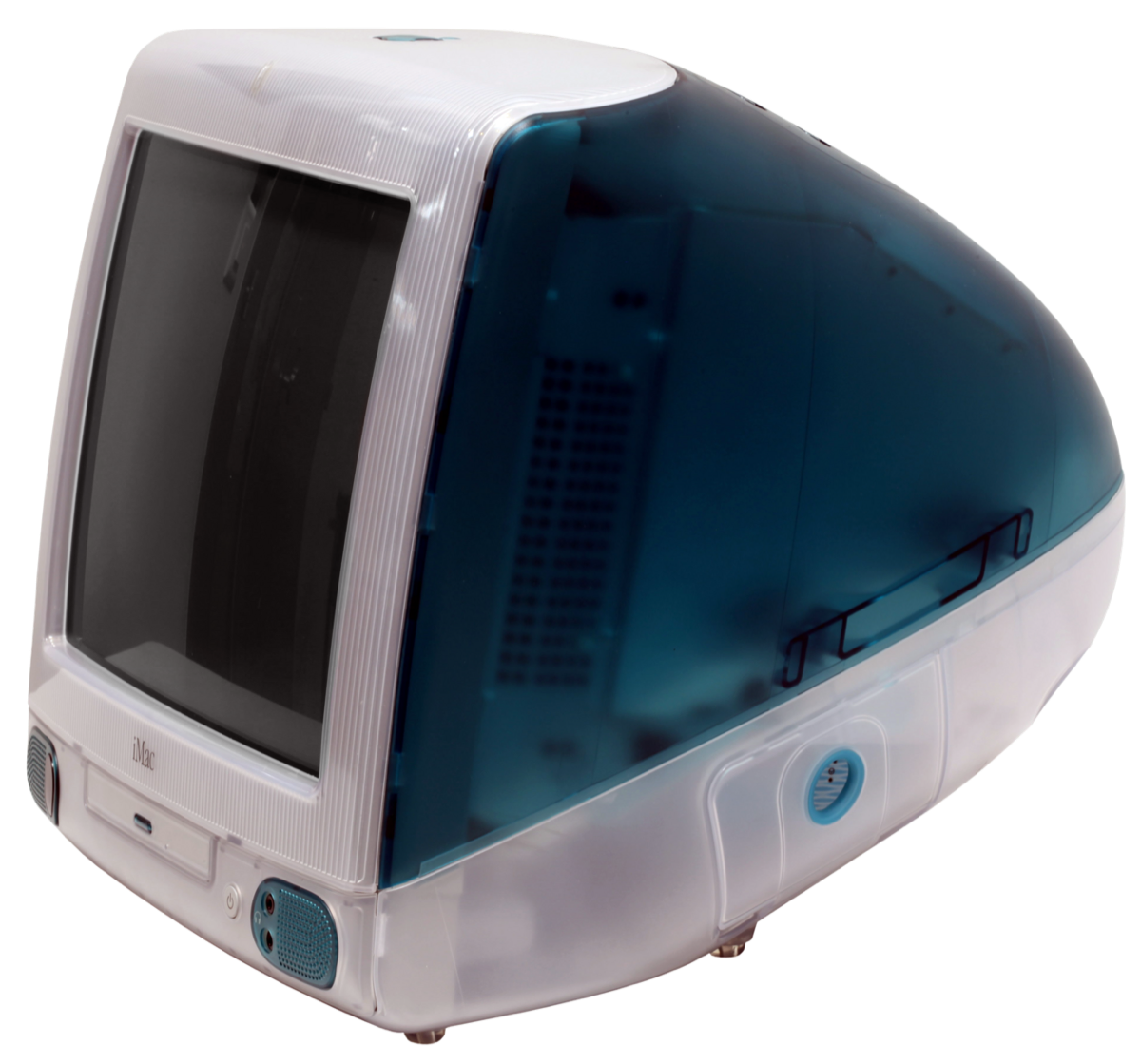
Computer Lab
The weekly pilgrimage down the hall to the room full of beige Apple computers, where you'd slot in a floppy disk, wait, and take turns dying of dysentery on the Oregon Trail. "Computer Day" was equal parts educational software and the first place a lot of kids ever touched a keyboard.
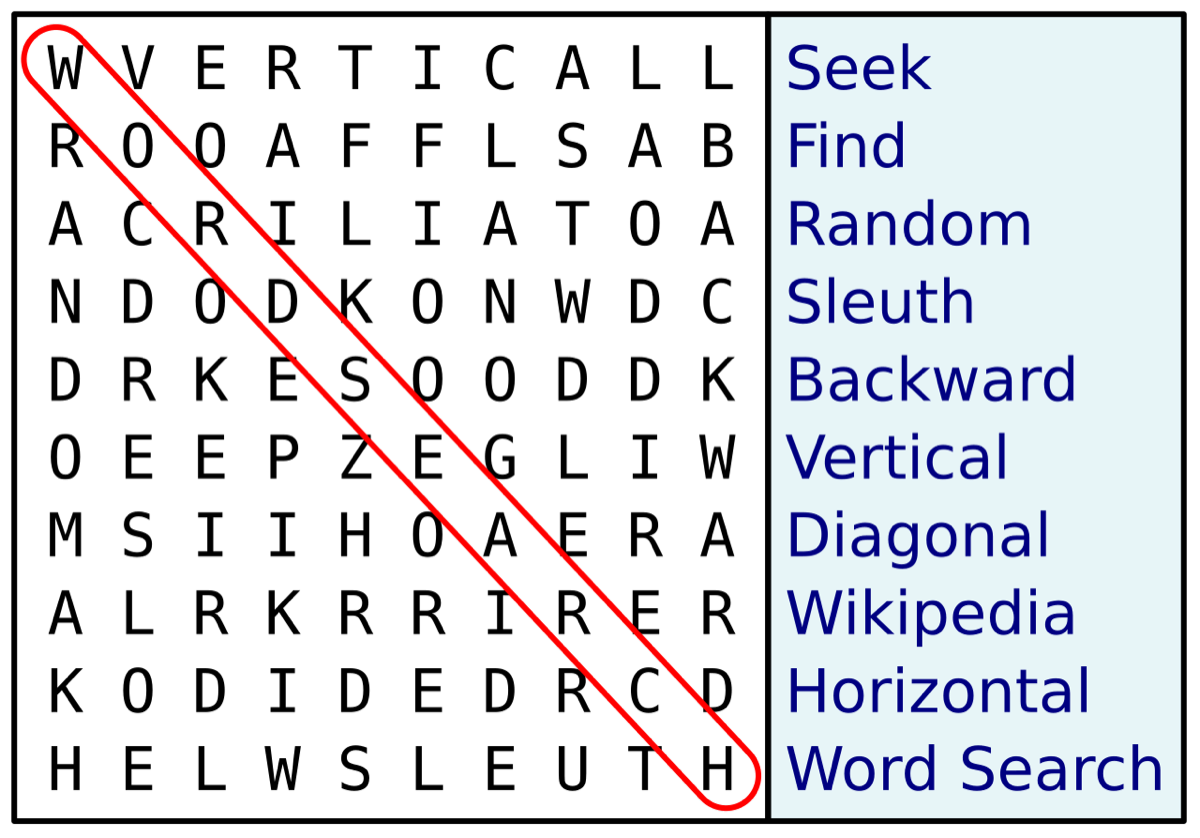
Word Search Puzzle Sheets
The themed word-search worksheet the teacher photocopied for Friday afternoons and holiday parties — a grid of letters hiding a list of words, hunted down with a highlighter. Fall leaves, Halloween, Thanksgiving: there was a seasonal one for everything.
![Video thumbnail — Bill Nye: The Science Guy [Original Intro] ᴴᴰ](https://i.ytimg.com/vi/UtVJdPfm0F8/maxresdefault.jpg)
Bill Nye the Science Guy
The beloved PBS/syndication science show that dominated classrooms throughout the '90s. Bill Nye, the bow-tie-wearing mechanical engineer-turned-science-communicator, made physics and chemistry accessible—and fun—with MTV-style energy, wild demonstrations, and an unforgettable theme song. Substitute teachers everywhere knew exactly what to do: wheel out the TV cart and press play. A cultural institution that made science cool before it was cool.