CD Boom Boxes
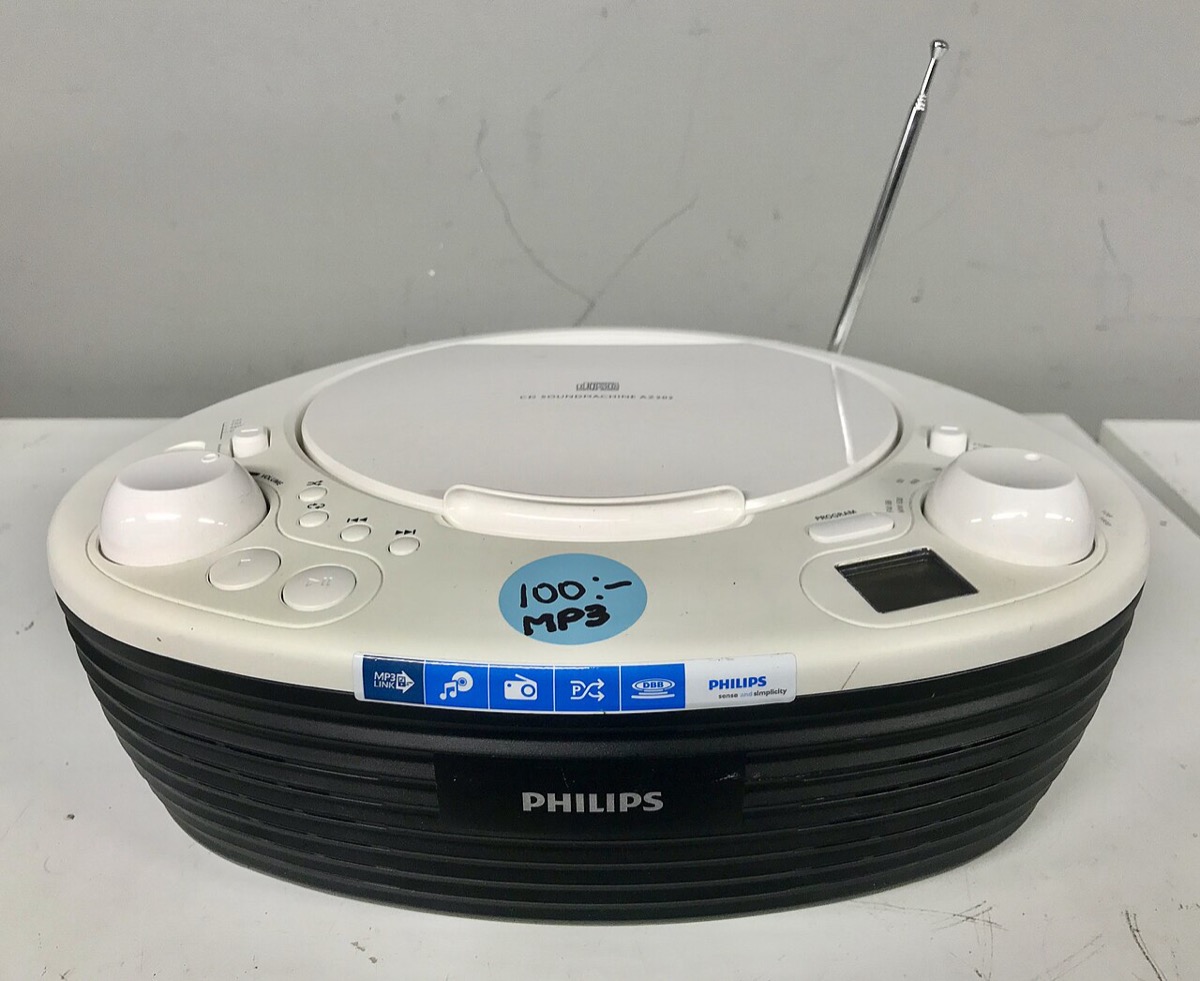
Photo credit: Photo: Vogler, CC BY-SA 4.0, via Wikimedia Commons
The portable stereo that ruled the bedroom and the backyard: a CD player up top, a cassette deck (or two), and speakers loud enough to annoy the neighbors. In the mix-CD era it was command central for playing your burned discs and taping songs off the radio.
The boombox began in 1966 with Philips's "Radiorecorder," and by the 1980s it had swelled into the icon everyone pictures — dual cassette decks, big speakers, equalizer sliders. But the version that defined the 90s bedroom was smaller and CD-first: beginning in the mid-1990s, boomboxes routinely bundled a top-loading CD player alongside the tape deck.
That combo made it the hub of the burning-and-taping era. You could blast a mix CD you'd burned on the family computer, dub a cassette, or sit with your finger over the record button waiting for the DJ to stop talking so you could tape a song clean off the radio. Dual-deck models let you copy a tape straight across, and anti-skip buffering finally made the CD side survive being carried around.
The CD boombox was the affordable, portable soundtrack machine of the late 90s and early 2000s — hauled to the beach, the backyard, and the sleepover. Its decline tracked the rise of the iPod and digital audio, and by the mid-2000s the all-in-one boombox had given way to dock speakers and earbuds. But for the mix-CD generation, that plastic box with the glowing display was the center of the room.
Similar items
Mix CDs
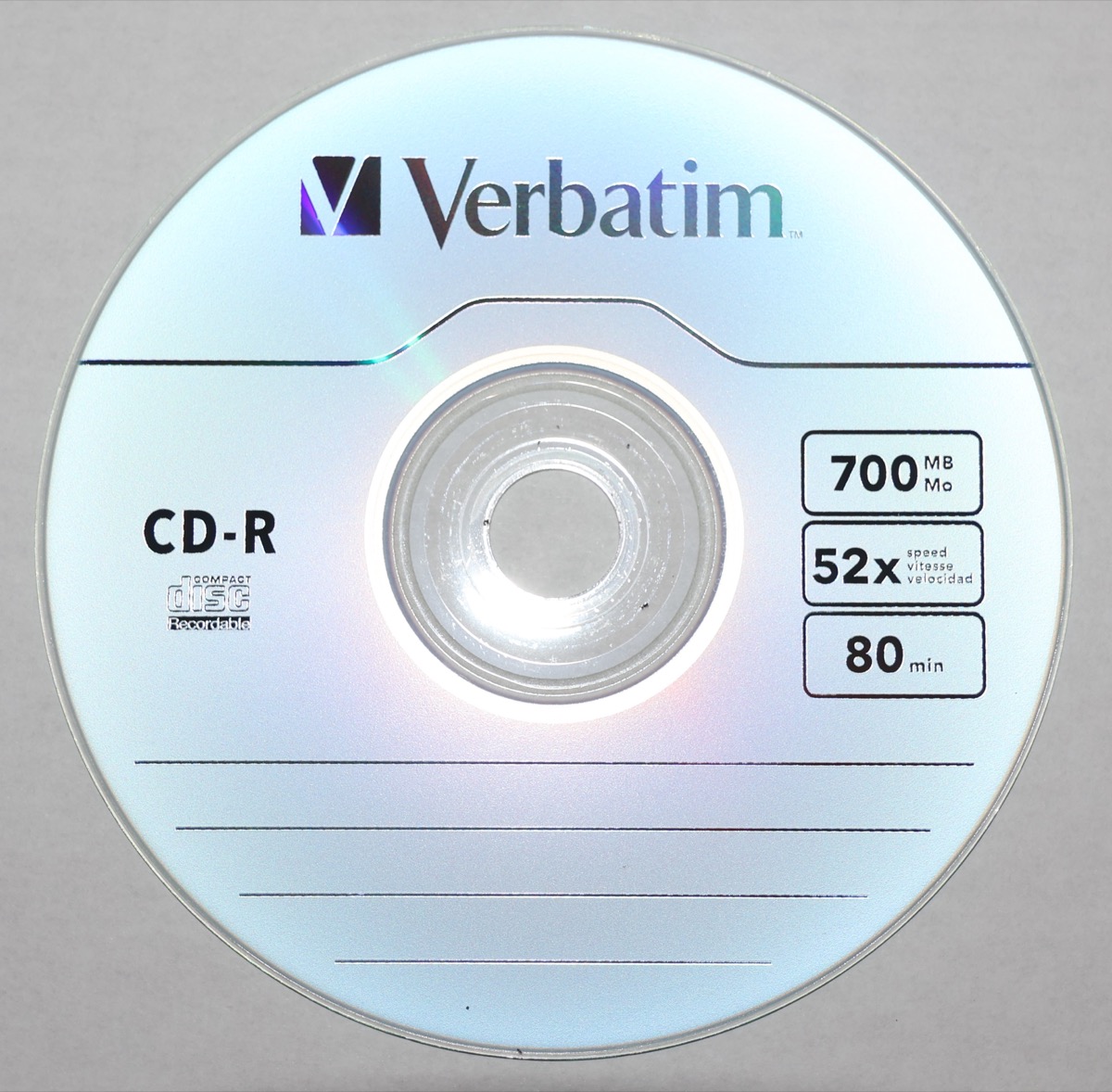
The mixtape of the CD-R era: download MP3s from file-sharing sites, burn them to a blank disc in Nero or iTunes, label it with Sharpie, and pray it didn't skip. Mix CDs were the late-90s and 2000s ritual—track order agonized over, burnable only by those with a CD-R drive, given as love offerings and road-trip soundtracks.
Discman & CD Binders
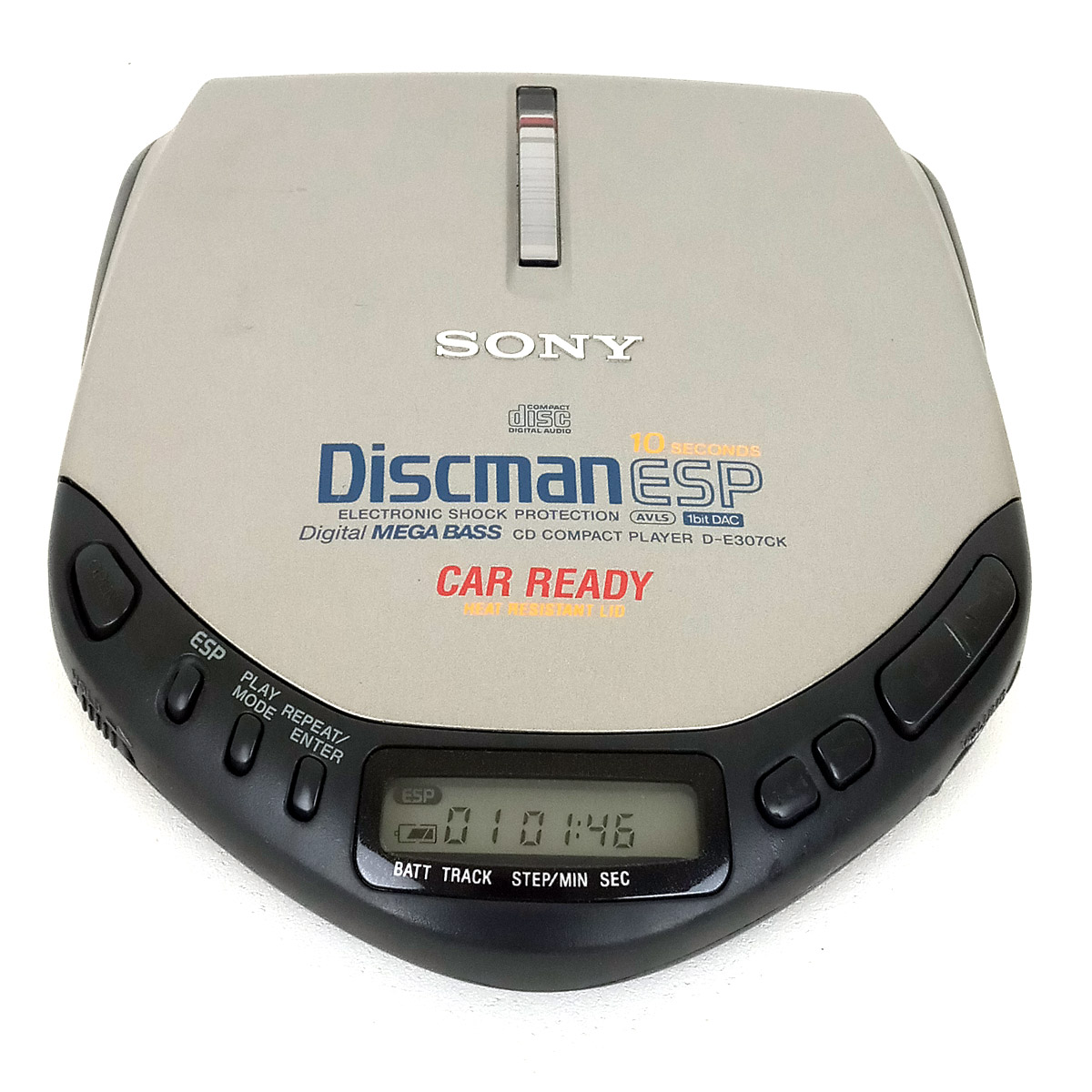
The ritual of portable CD life: a Sony Discman clipped to your waist or backpack, Electronic Skip Protection bragged on the box, and a zip-up CD binder holding exactly 24 discs — the ones that defined you. CD binders like Case Logic wallets replaced jewel cases, turning your music taste into curated, tangible proof of personality.
Mixtapes
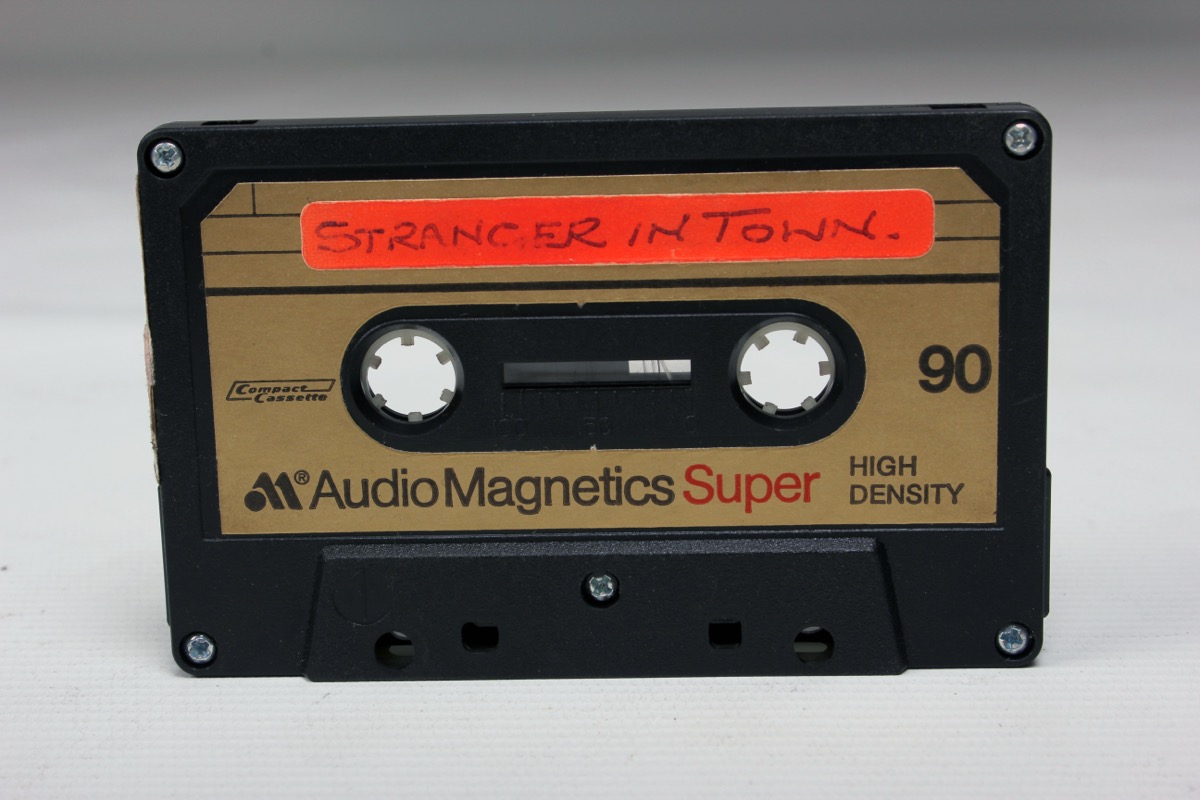
The compact cassette made music personal; the Walkman made it portable; and the mixtape made it meaningful. A hand-labeled tape was a love letter, a friendship offering, an identity statement — hovering over the record button to catch a song off the radio, agonizing over track order, building the perfect sequence for someone who mattered.

PSP
Sony's widescreen handheld that made your backpack feel like contraband. The PSP played UMD games and movies, had actual graphics, and let you game or watch on the go—turning every school lunch period into a gaming session. It felt like the future until the future moved on.