Pay Phones
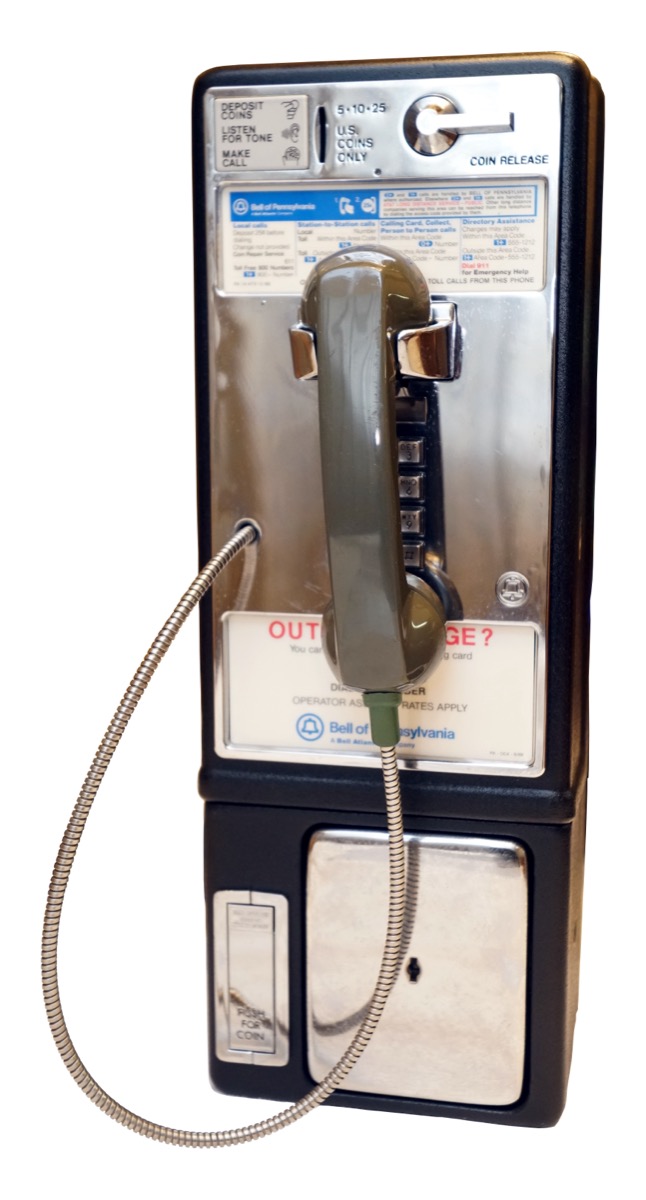
Coin-operated public telephones on street corners, in malls, and outside every gas station — the fallback when you needed to call home or were out of pocket change. At their 1990s peak, the US had over 2 million payphones; by the 2010s, they'd nearly vanished.
Pay phones were ubiquitous fixtures of the 20th century, but their golden age peaked in the mid-to-late 1990s when the US supported more than 2 million of them nationwide. The economics were simple: drop a dime for a local call (later a quarter, then 35–50¢), and talk until your time was up. The technology evolved visibly — enclosed phone booths with their folding doors (the Superman changing station, the Bill & Ted phone-booth time machine) gradually gave way to open pedestal phones, more vandal-resistant and easier to maintain.
The culture around pay phones shaped an entire generation's workarounds. Kids learned to call collect and have someone pick up at home before they spoke, for a free connection. Calling-card users memorized long access numbers and PINs. There was the universal money-saving trick: call home and let it ring a specific number of times, then hang up before it connected — your parent knew you'd arrived safely without paying for the call. Every booth came with a chained phone book, scratched graffiti, chewed gum stuck under the shelf, and the lingering smell of feet and desperation.
The payphone's disappearance is itself the nostalgia. Cell phones made them economically obsolete within a decade. By the early 2010s, finding a working payphone required effort — a few lingered in rural towns, small airports, and under highway overpasses, but the fixture that had defined urban life for the better part of a century had essentially vanished from the landscape. For those who grew up hunting through jacket pockets for quarters, that sudden absence hits harder than the phone itself ever did.
Similar items

1-800-COLLECT
Dial 1-800-COLLECT and let the operator know you're calling collect — MCI's dial-around service promised cheaper collect calls than your payphone's default carrier. One of the most aggressively advertised services of the 1990s, it burrowed into Gen X's brain via TV spots with celebrity spokespeople.
Prepaid Phone Cards
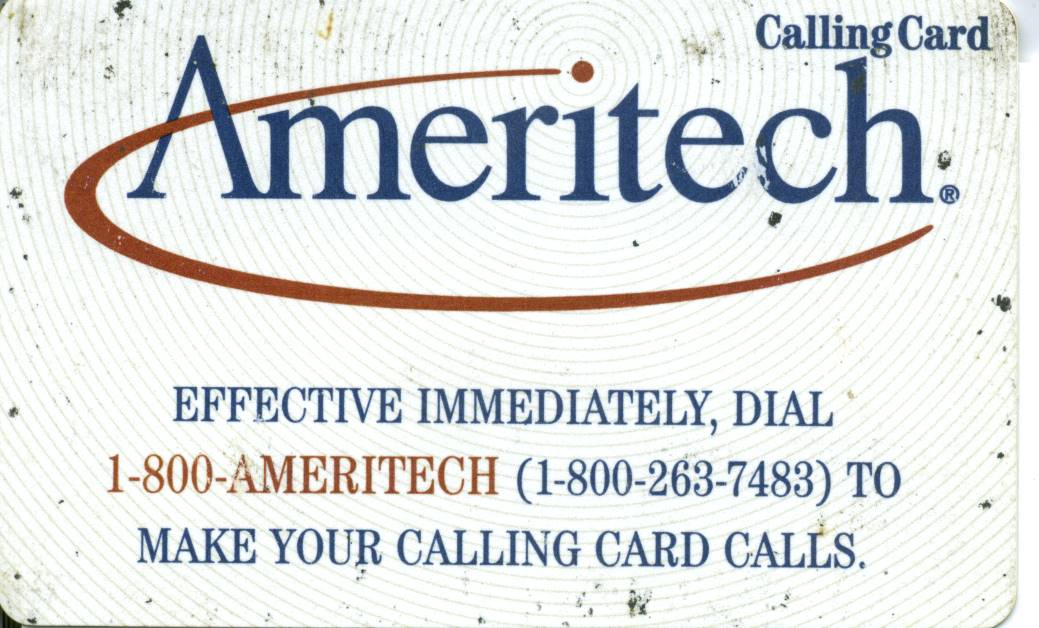
Scratch off the panel, punch in the PIN, dial the access number, and talk until your minutes ran out — prepaid phone cards were the pre-cell-plan answer to long-distance calls and international dialing. Stacked in convenience stores and gas stations, they were lifelines for travelers and immigrants.
Star Codes (*67 & *69)
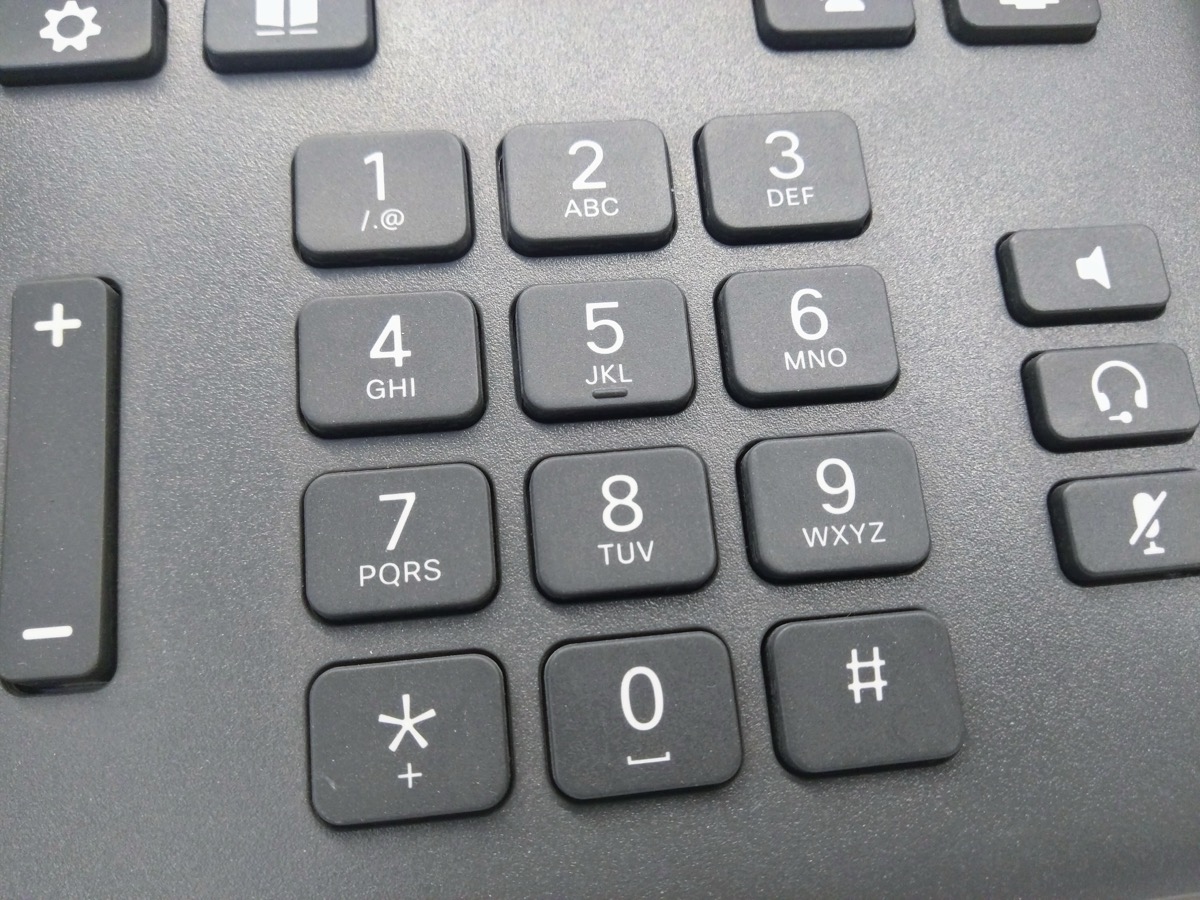
Dial *67 before someone's number to block your caller ID and appear as 'Private' — the anonymous call superpower every 90s kid knew. Dial *69 to find out who just called you and call them back. Two simple codes that transformed what you could do from a landline.
Pagers (Beepers)
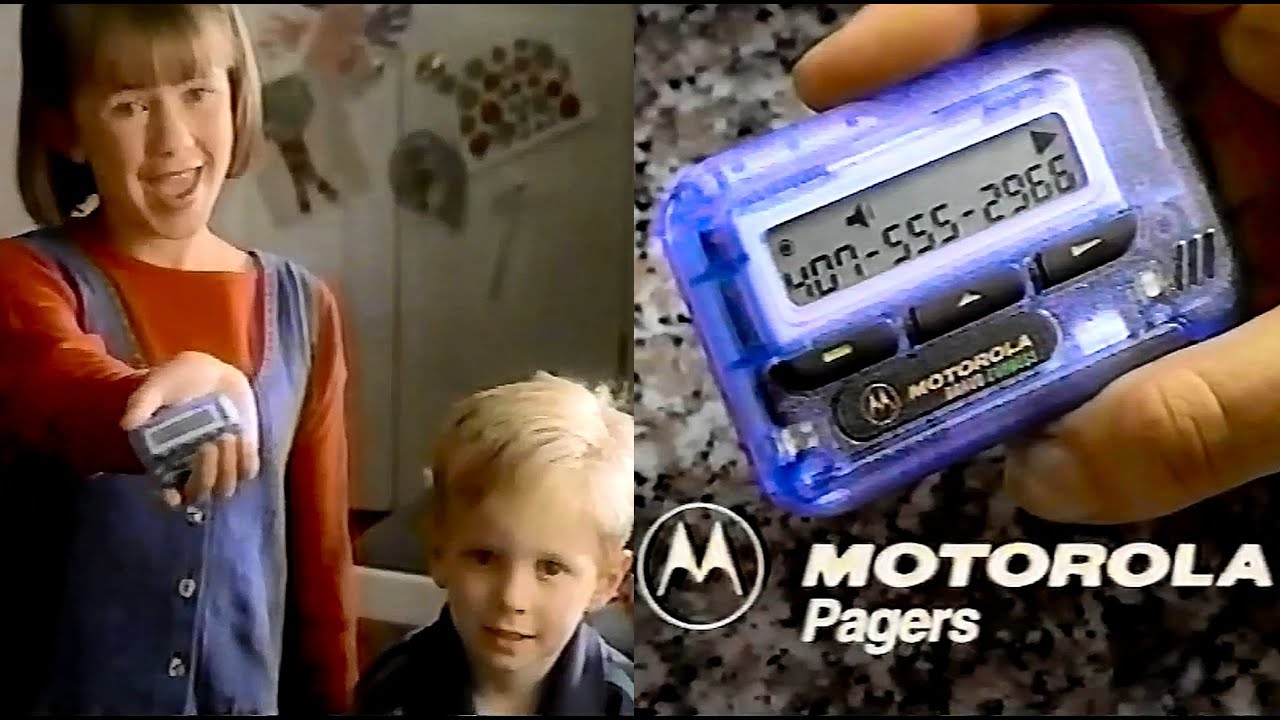
The numeric pager that showed callback numbers and cryptic codes: 143 meant 'I love you,' 911 meant call me NOW, 411 was gossip time. Clipped to your waistband, getting beeped meant hunting for a payphone with a quarter—and by 1994, 61 million pagers were in use, with Motorola owning roughly 80% of the market.