Microsoft Encarta

The CD-ROM encyclopedia that killed the twenty-volume set on the shelf. Encarta turned book reports into a multimedia experience — clickable maps, audio clips of national anthems and animal sounds, video snippets — and hid the MindMaze trivia game inside for when you were supposed to be studying.
Microsoft launched Encarta in 1993 under the codename "Gandalf." It wasn't written from scratch: after Britannica turned Microsoft down, the first edition was built on the text of Funk & Wagnalls, later folding in Collier's and other encyclopedias. Sold on a stack of CD-ROMs (and later a single DVD), it cost $395 at release, soon dropped to $99, and — crucially — was frequently bundled free with new family PCs, putting it on millions of home computers.
What made it magic to a '90s kid was the multimedia. Where a paper encyclopedia gave you text and a photo, Encarta let you click a map, hear an anthem play, watch a short video, and play the MindMaze word game in the corner. By 2008 the Premium edition held more than 62,000 articles, 25,000 images, and over 300 videos.
Then the web caught up. Free, ever-expanding Wikipedia (launched 2001) and Google search made a fixed disc feel obsolete, and Microsoft pulled the plug: Encarta was discontinued in 2009, with the MSN Encarta site closing on October 31, 2009 and the companion dictionary lingering until 2011. For a generation, though, "just look it up on Encarta" was how homework got done.
Similar items

GeoCities
The free web hosting empire where the internet learned to be chaotic. GeoCities gave millions of people their first webpage, organized into themed neighborhoods, and established the visual language of under-construction GIFs, MIDI soundtracks, and blinking text that defined the early web.

Windows XP
The operating system with the rolling green hill wallpaper—Windows XP arrived in October 2001 with Luna's glossy blue taskbar, the green Start button, and the cheerful startup chime that defined a generation's relationship with computers. It was stable, beloved, and so enduring that users clung to it long after Microsoft stopped supporting it, making it the most iconic OS of the 2000s.

AOL
The dial-up gateway that wired up America. AOL's "You've Got Mail" voice, aggressive free-trial CD carpet-bombing, and shift to unlimited $19.95/month pricing triggered the legendary busy-signal crisis — millions of Americans' first taste of the internet.
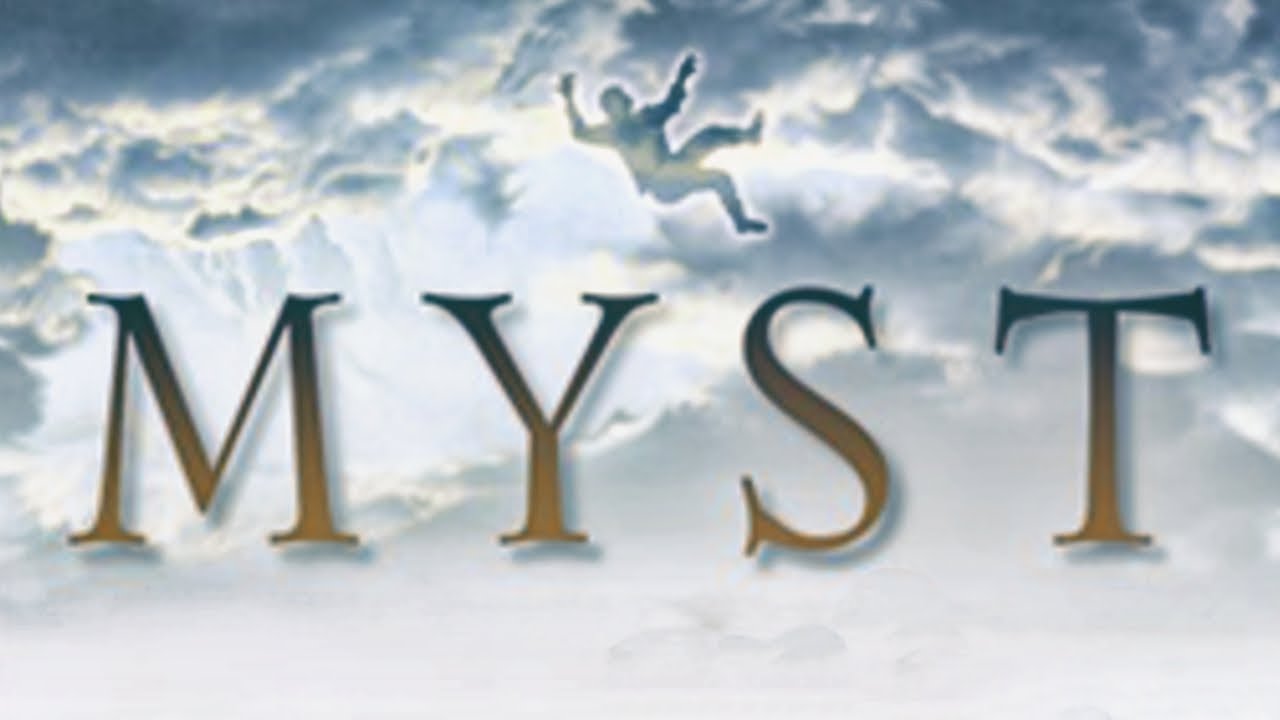
Myst
An island with no instructions, no timer, no way to die — just a series of machines to solve, each more surreal than the last. Myst proved a computer game could be a slow, atmospheric mystery with no combat and endless patience.