Gateway Computers

The PC that came in a cow-spotted box. Born above an Iowa cattle brokerage, Gateway 2000 mail-ordered family computers straight to your door in black-and-white Holstein-print cardboard — ordered over the phone from a friendly Midwest rep, delivered by truck. For countless kids, that spotted box showing up meant the house was about to get its first computer.
Ted Waitt and Mike Hammond founded Gateway in September 1985, starting with a borrowed $10,000 from Waitt's grandmother — the company initially operated on the empty upper floor of his father's cattle-brokerage office in Sioux City, Iowa. When Waitt saw a designer's Holstein-cow-spotted box, he loved it and made it the signature of Gateway 2000 (the official name from 1986). The company sold personal computers by direct mail and telephone order, a model that bypassed retail middlemen and appealed to budget-conscious families. In January 1990, Gateway moved across the border to North Sioux City, South Dakota (for the state's lack of income tax), and by 1992 the company had become the leading mail-order PC builder in the United States with $1.1 billion in revenue.
As the PC became a household commodity through the 1990s, the spotted boxes turned into a doorstep event: for many American families a Gateway delivery meant the first home computer — monitor, beige tower, bundled software, and a stack of spotted boxes worth keeping. Gateway expanded into brick-and-mortar retail in March 1997 with its first Gateway Country store in Tampa, Florida — farmhouse-styled showrooms designed to evoke the Midwestern roots — and the chain grew to over 140 locations by 1999. In 1998 the company began dropping the "2000" from its name (formally reincorporating as Gateway, Inc. in 1999) and moved its headquarters to San Diego in pursuit of a hipper image.
The 2000s brought the collapse of the PC retail market as margins plummeted. Gateway closed 76 stores in early 2003 and shuttered all remaining locations in April 2004, laying off 2,500 employees. The company merged with budget-PC maker eMachines in March 2004, and in October 2007 was acquired by Acer for approximately $710 million. Acer revived the Gateway brand on budget Walmart laptops starting in 2020, but the original Gateway — the cow boxes, the Midwest phone reps, the first-computer memory for an entire generation — effectively ended with the Acer acquisition.
Similar items

AOL
The dial-up gateway that wired up America. AOL's "You've Got Mail" voice, aggressive free-trial CD carpet-bombing, and shift to unlimited $19.95/month pricing triggered the legendary busy-signal crisis — millions of Americans' first taste of the internet.
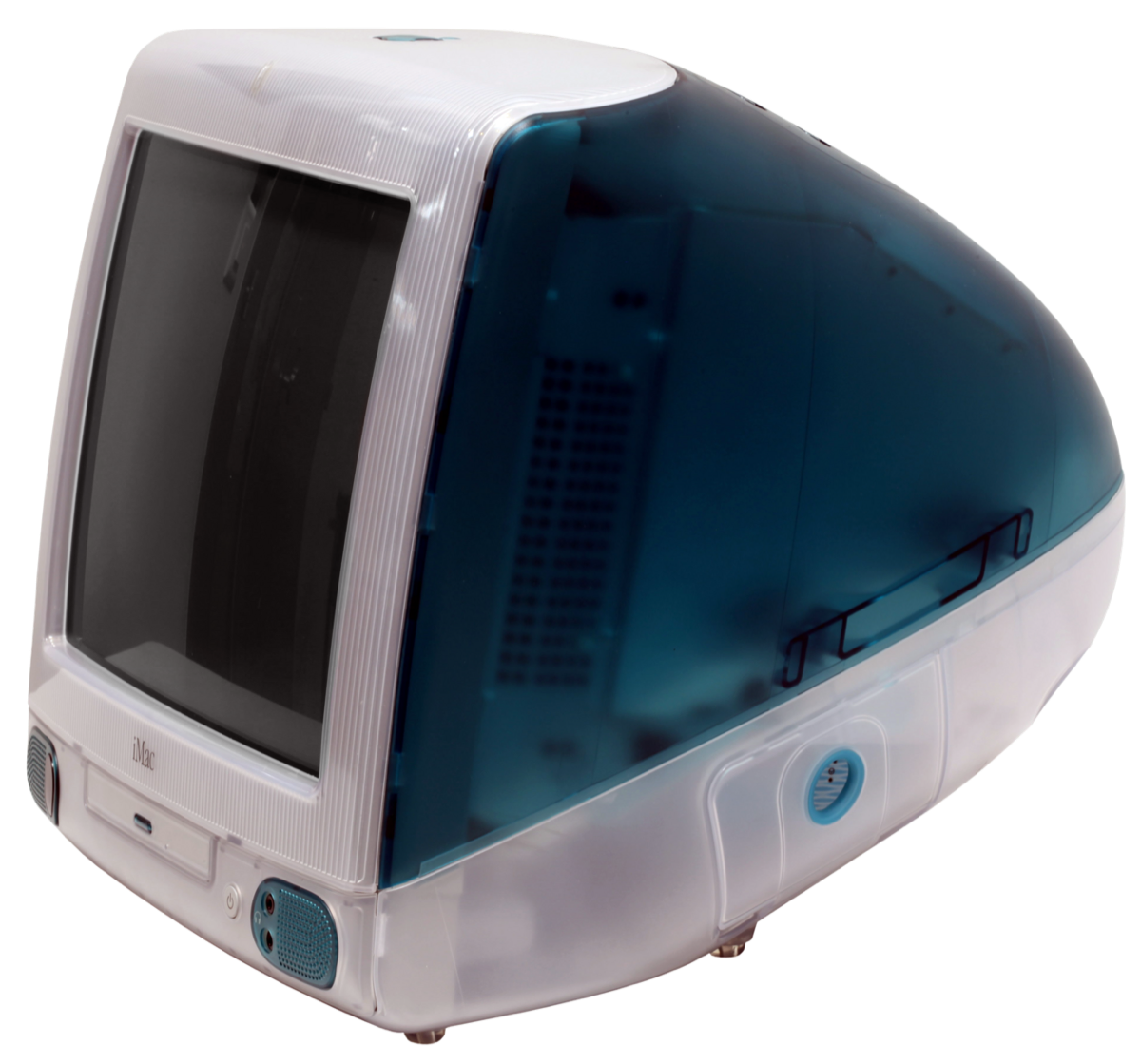
Computer Lab
The weekly pilgrimage down the hall to the room full of beige Apple computers, where you'd slot in a floppy disk, wait, and take turns dying of dysentery on the Oregon Trail. "Computer Day" was equal parts educational software and the first place a lot of kids ever touched a keyboard.

Circuit City
The electronics superstore where your parents went to buy the first family PC, camcorder, or big-screen TV — with a commissioned salesman in a dress shirt walking them through every feature. Those red-tower storefronts were the 90s temple of consumer electronics. From superstore dominance to total liquidation in 2009, Circuit City is the retail ghost story of the era.
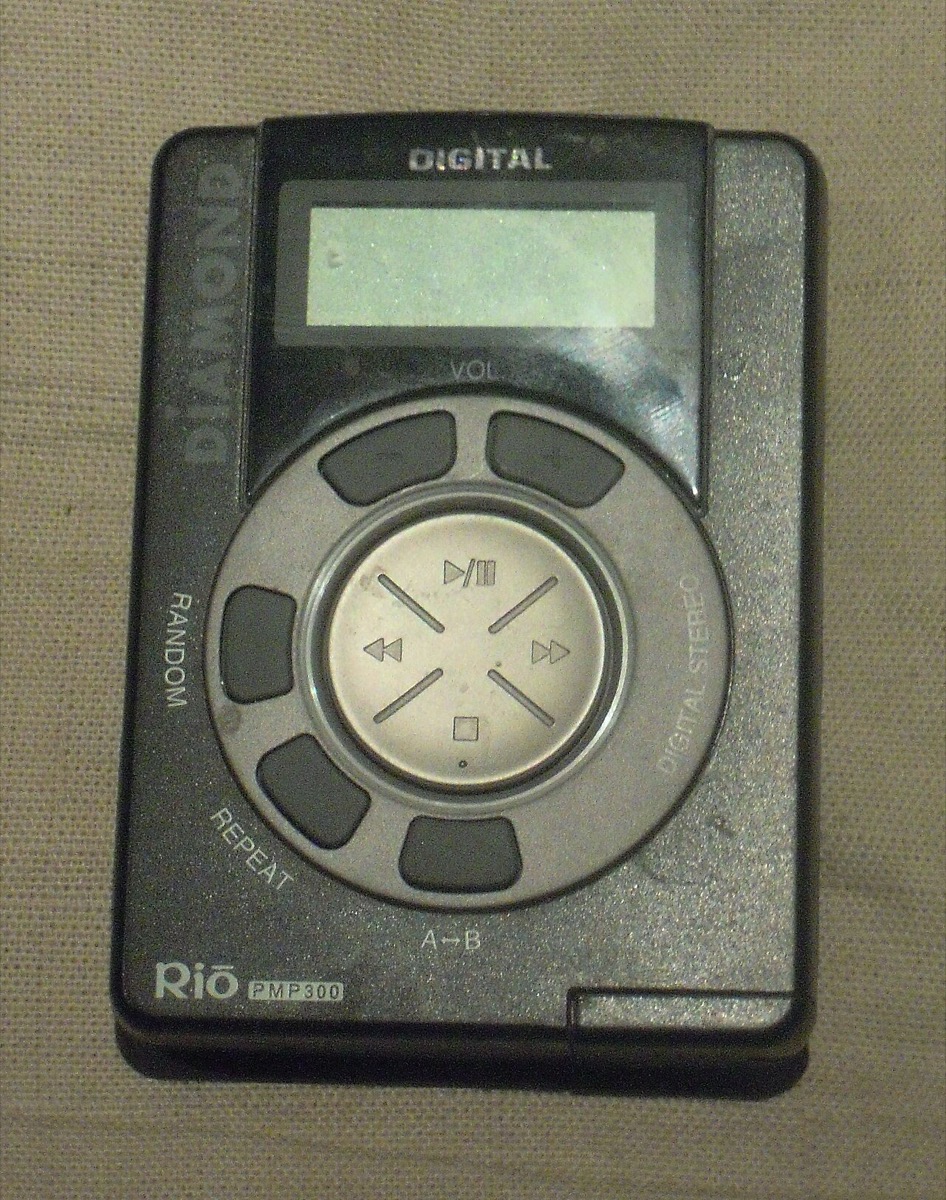
Early MP3 Players
The flash-memory bricks that freed your MP3s from the desktop. Diamond's Rio PMP300, arriving in September 1998 at $200, was the first MP3 player that actually caught on — deck-of-cards sized, running forever on one AA battery, holding maybe eight or ten songs. No moving parts meant no skips, a revelation after a decade of portable CD players. The RIAA sued to kill it; the courts sided with you instead.