Clip Art

Before Google Images, decorating a book report meant clip art: flipping through a phone-book-thick catalog of tiny thumbnails, finding the picture you wanted by number, digging out the right CD-ROM, and printing it one image at a time. Every 90s birthday flyer and school newsletter was built from these libraries.
The term "clip art" is older than computers — it once meant images literally clipped from printed books of "stock cuts." The digital version arrived in 1984 when the T/Maker Company launched ClickArt, the pioneering electronic clip-art brand; vector clip art followed in 1986. But it was the early-90s spread of CD-ROMs that turned clip art into a mass phenomenon, letting a single disc hold thousands of copyright-free images.
The libraries got enormous. Broderbund, which bought T/Maker in 1996, shipped ClickArt collections of 300,000 images across 18 CDs; Nova Development's Art Explosion series climbed toward a million, with the 800,000 set spanning 34 CD-ROMs plus an 1,800-page printed catalog and a "Quick Locator" index. That catalog book was the whole experience — you flipped through page after page of thumbnails, found your image, noted its number, loaded the matching CD, and printed. Meanwhile Microsoft Word 6.0 shipped with just 82 clip-art files by default: the handful of images that ended up on a million school projects.
Clip art was the visual grammar of the pre-web document — the borders, the cartoon pencils, the praying hands, the little running man. WordArt-and-clip-art projects defined 90s desktop publishing at home and in the computer lab. Web image search eventually made the giant CD sets and their catalog books obsolete, but the aesthetic — and the specific, slightly cheesy images everyone recognized — is pure 90s.
Similar items
Computer Lab
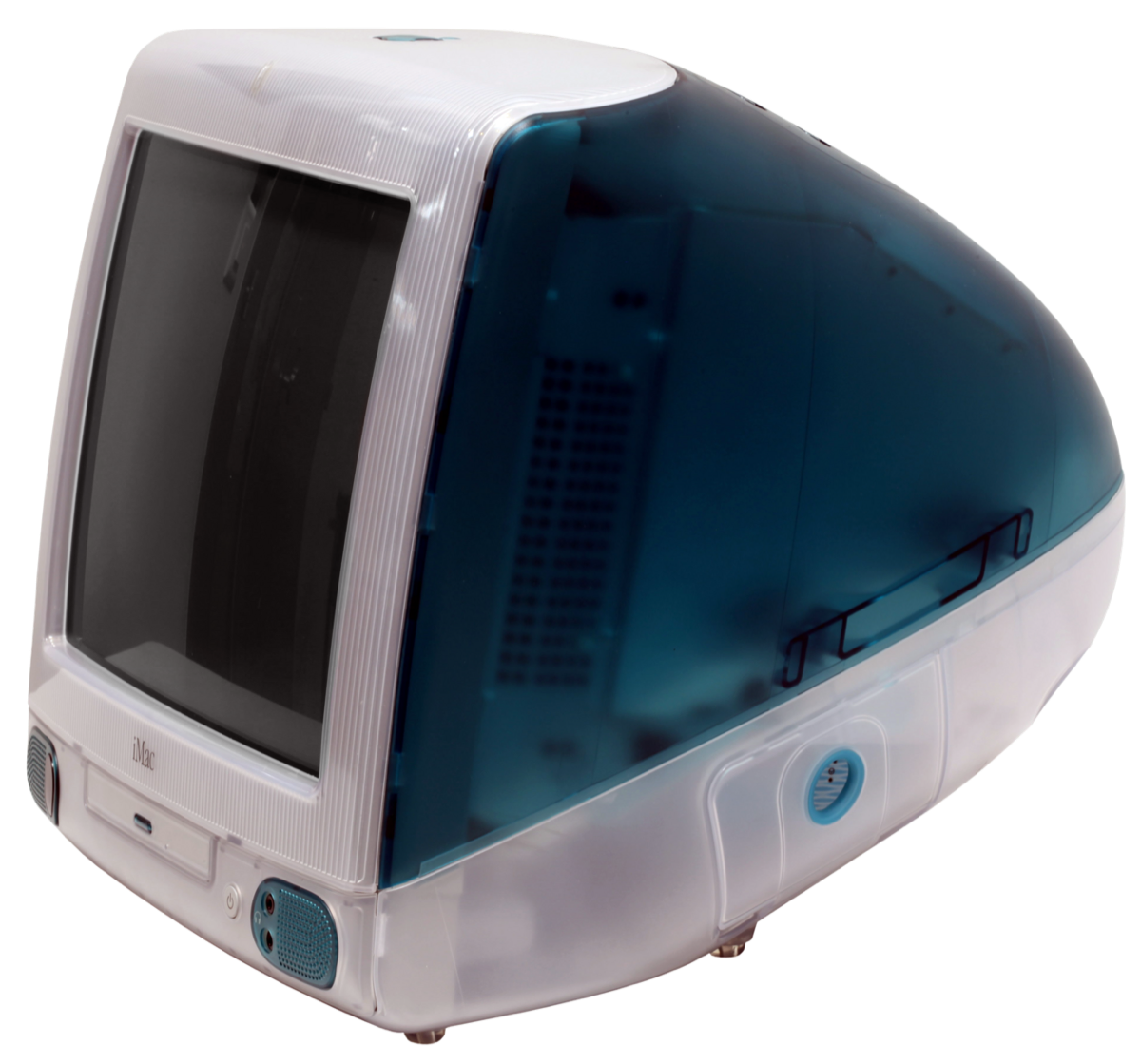
The weekly pilgrimage down the hall to the room full of beige Apple computers, where you'd slot in a floppy disk, wait, and take turns dying of dysentery on the Oregon Trail. "Computer Day" was equal parts educational software and the first place a lot of kids ever touched a keyboard.

Kid Pix
Broderbund's gloriously chaotic kids' drawing program — the one with the honking sound effects, the rubber stamps, and the stick of dynamite that blew your whole picture apart in a burst of black-and-white circles. For a generation of 90s kids it was the first "art" they ever made on a computer.

Tri-Fold Presentation Board
The white cardboard monolith that folded open into three panels and stood up on the table by itself. Every science fair, history day, and book report eventually came down to one: glue-sticked construction paper, printed clip art, and a rainbow WordArt title. You balanced it across the back seat on the drive to school, praying nothing peeled off before the bell.

Microsoft Encarta
The CD-ROM encyclopedia that killed the twenty-volume set on the shelf. Encarta turned book reports into a multimedia experience — clickable maps, audio clips of national anthems and animal sounds, video snippets — and hid the MindMaze trivia game inside for when you were supposed to be studying.