Nero Burning ROM

The software that turned a blank disc into a mix CD, a backup, or a copy of something you probably shouldn't have had. Nero came bundled with drive after drive, so for a lot of people it wasn't the disc burner they chose — it was simply the one that was there. Its icon is a burning Colosseum, which is both a pun and a historical error.
Nero Burning ROM shipped its first version in 1997, from a German company called Ahead Software — founded in 1995 by Richard Lesser. That name matters for anyone reconstructing the era: through Nero's entire classic run it was an Ahead product, not a Nero product. Ahead became Ahead Software AG in 2001 and only renamed itself Nero AG in 2005, eight years after the program that made it famous.
The name is a pun on the emperor Nero, rumoured to have ordered the Great Fire of Rome. The icon takes the joke one step too far — it shows the Colosseum in flames, a building that wasn't even begun until after Nero was dead.
What put it on so many machines was distribution rather than persuasion. Nero came bundled as part of Nero Essentials with OEM computers and optical disc writers, so plenty of people never chose it; it was simply what appeared when they got a burner. That is why it occupies the memory it does — not as a product anyone shopped for, but as the window that was always there when you had a stack of blanks and a tracklist.
It has also outlived the era that needed it. Nero Burning ROM is still sold today, edition by edition, decades after the last car stereo cared whether you had finalised the disc.
Similar items
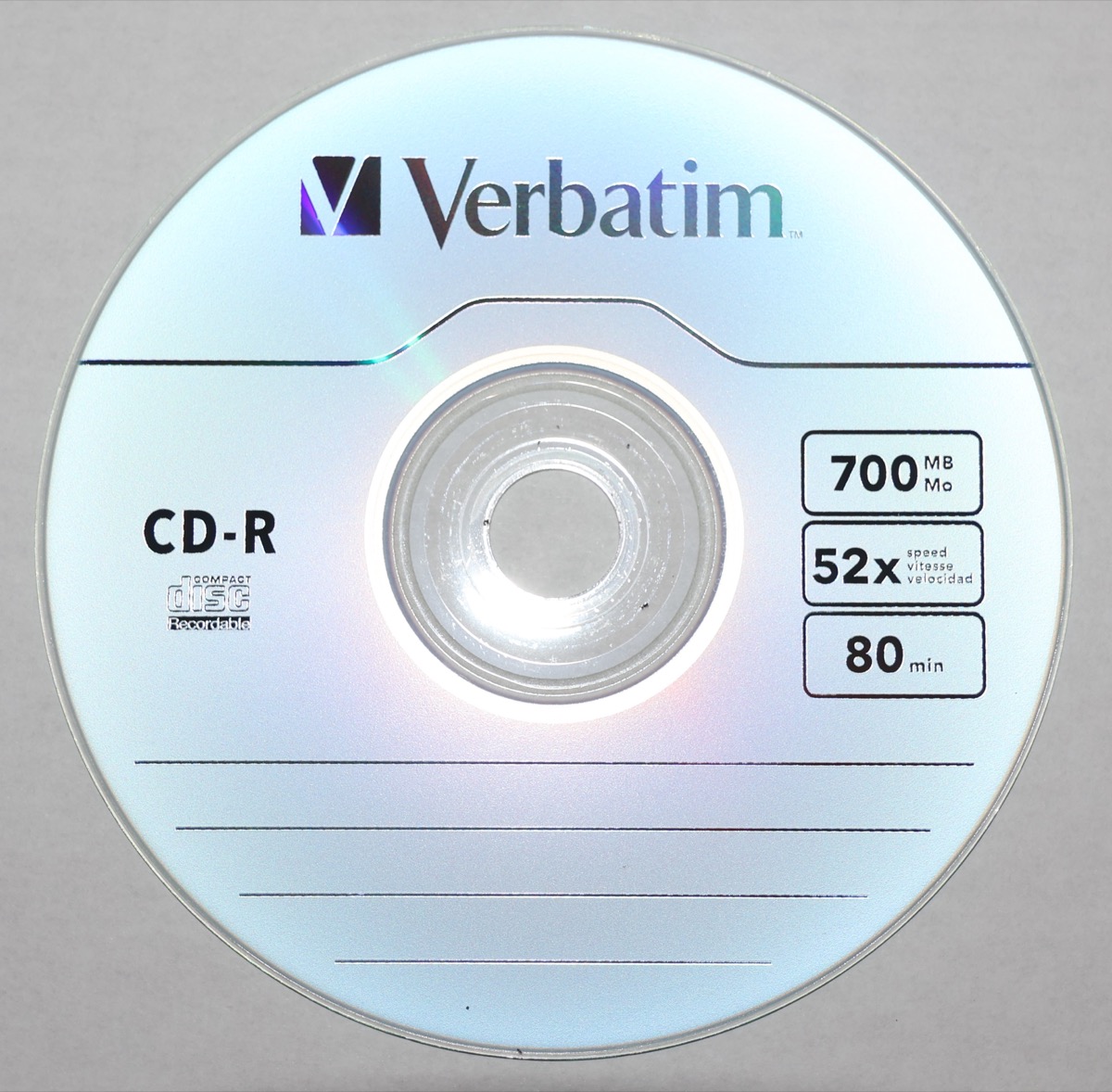
Mix CDs
The mixtape of the CD-R era: download MP3s from file-sharing sites, burn them to a blank disc in Nero or iTunes, label it with Sharpie, and pray it didn't skip. Mix CDs were the late-90s and 2000s ritual—track order agonized over, burnable only by those with a CD-R drive, given as love offerings and road-trip soundtracks.

LimeWire & Napster
The lawless era of free music: you queued up a download that would take three hours on dial-up, crossed your fingers it wasn't mislabeled, and hoped even harder it wasn't a virus. Napster and LimeWire were the P2P revolution that detonated the music industry, made kids into accidental outlaws, and eventually gave way to iTunes.

Windows Media Player Visualizations
Rip the CD, hit play, go fullscreen, lights off: the swirling neon ribbons of Windows Media Player turned every family PC into a bedroom planetarium. Nobody chose to watch Alchemy exactly — it just happened to you, for hours.

BonziBuddy
A purple gorilla who lived on your desktop, told you jokes, and quietly went through your business. BonziBuddy is the friendliest thing ever classified as adware by two antivirus companies. Half the internet remembers installing it on purpose.