CD Burners
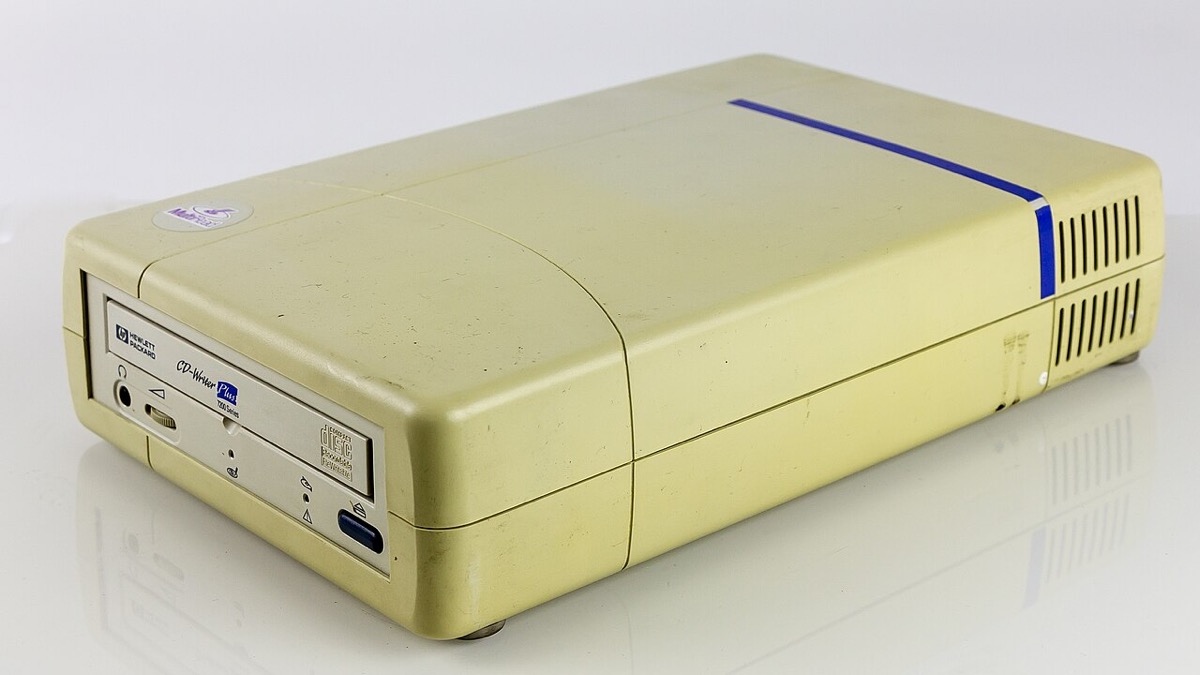
The drive that made every PC a record-pressing plant. You fed in a blank CD-R, dragged your downloads into Nero or Easy CD Creator, and held your breath: one buffer underrun mid-burn and the disc was a coaster. When it worked, you walked away with a fresh mix CD and the quiet pride of having pressed it yourself.
CD recorders started as professional equipment — $10,000 to $12,000 in the early 1990s — until Hewlett-Packard's 4020i shipped in September 1995 at $995, the first burner under a thousand dollars. By decade's end, IDE CD-R drives were cheap enough for regular home computers, and many teenagers nervously opened their tower cases to install one themselves. A blank CD-R held 650 MB for 74 minutes of audio (later upgraded to 700 MB and 80 minutes), early drives wrote at 2x or 4x speed, and the burn process was a held-breath ritual: if your PC's data buffer ran dry mid-burn — often because you dared to keep using the computer — the disc became a worthless coaster, a word every burner owner knew well.
The software defined the experience. Nero Burning ROM, released by German company Ahead Software in 1997 (a pun on Emperor Nero burning Rome), and Adaptec's Easy CD Creator became the household names; Adaptec spun off its software division as Roxio in 2001. Later drives added buffer-underrun protection technologies like BurnProof and SafeBurn that made the process safer, and speeds climbed toward 52x as the decade progressed. The PC burner boom was fueled by Napster downloads and Winamp playlists: teenagers and young adults burned personalized mix CDs for road trips, carefully labeling each disc with Sharpie, stashing spindles of blank CD-Rs from office-supply stores, and making backup copies of games and software.
The golden age ran from roughly 1999 to 2005 — the window when the burner was the way music moved between people who'd outgrown the record store. USB sticks, the iPod, and streaming ended it, and most laptops eventually dropped the optical drive entirely, leaving only the shoeboxes of Sharpie-labeled discs to prove any of it happened.
Similar items
Mix CDs
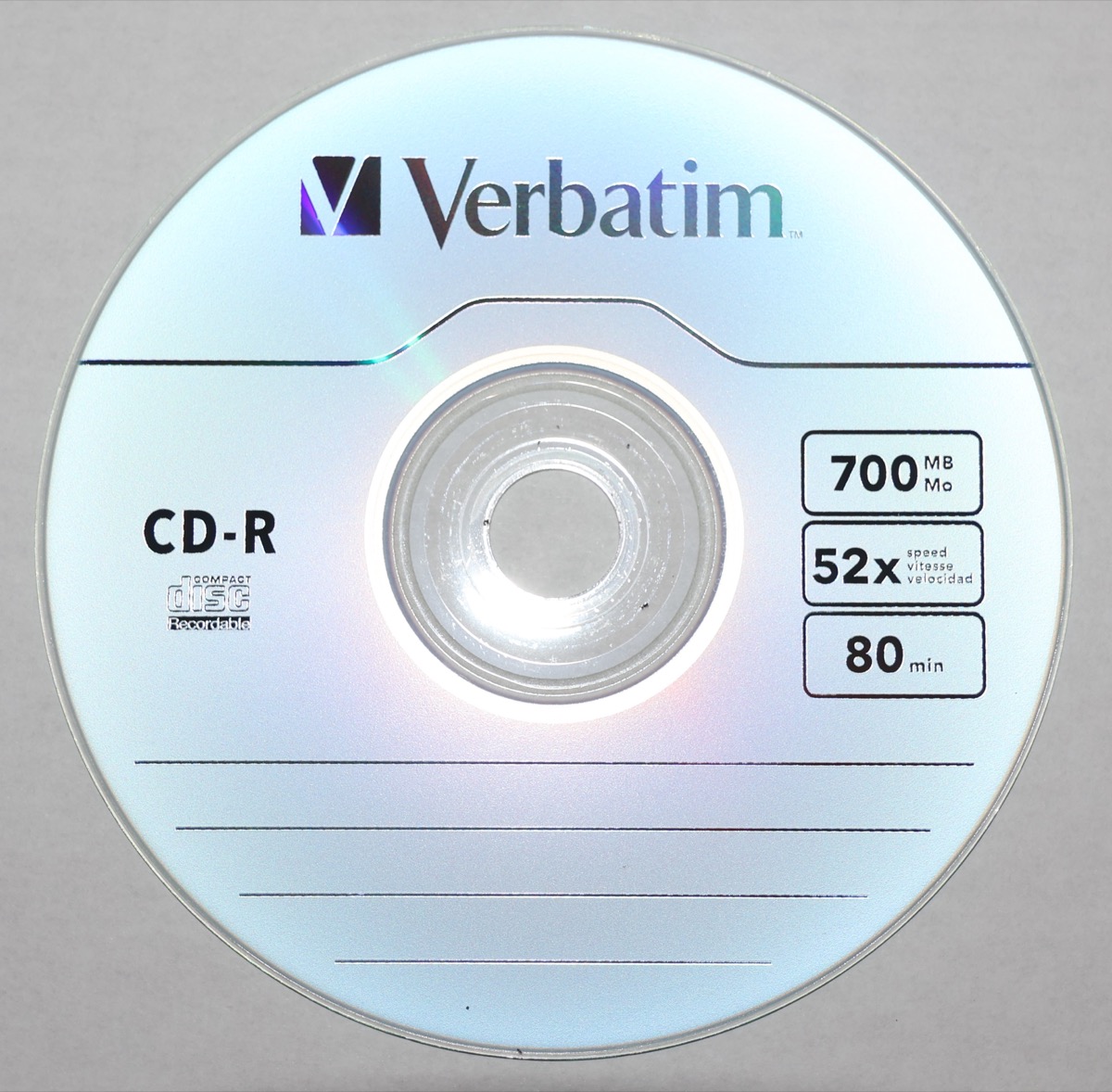
The mixtape of the CD-R era: download MP3s from file-sharing sites, burn them to a blank disc in Nero or iTunes, label it with Sharpie, and pray it didn't skip. Mix CDs were the late-90s and 2000s ritual—track order agonized over, burnable only by those with a CD-R drive, given as love offerings and road-trip soundtracks.

LimeWire & Napster
The lawless era of free music: you queued up a download that would take three hours on dial-up, crossed your fingers it wasn't mislabeled, and hoped even harder it wasn't a virus. Napster and LimeWire were the P2P revolution that detonated the music industry, made kids into accidental outlaws, and eventually gave way to iTunes.

Winamp
The media player that ran the MP3 era. Winamp's dark little window with the glowing green equalizer, endlessly customizable skins, and the MilkDrop visualizer pulsing to your music was where a generation organized its first ripped-and-downloaded music collection — and yes, it really whipped the llama's ass.
Discman & CD Binders
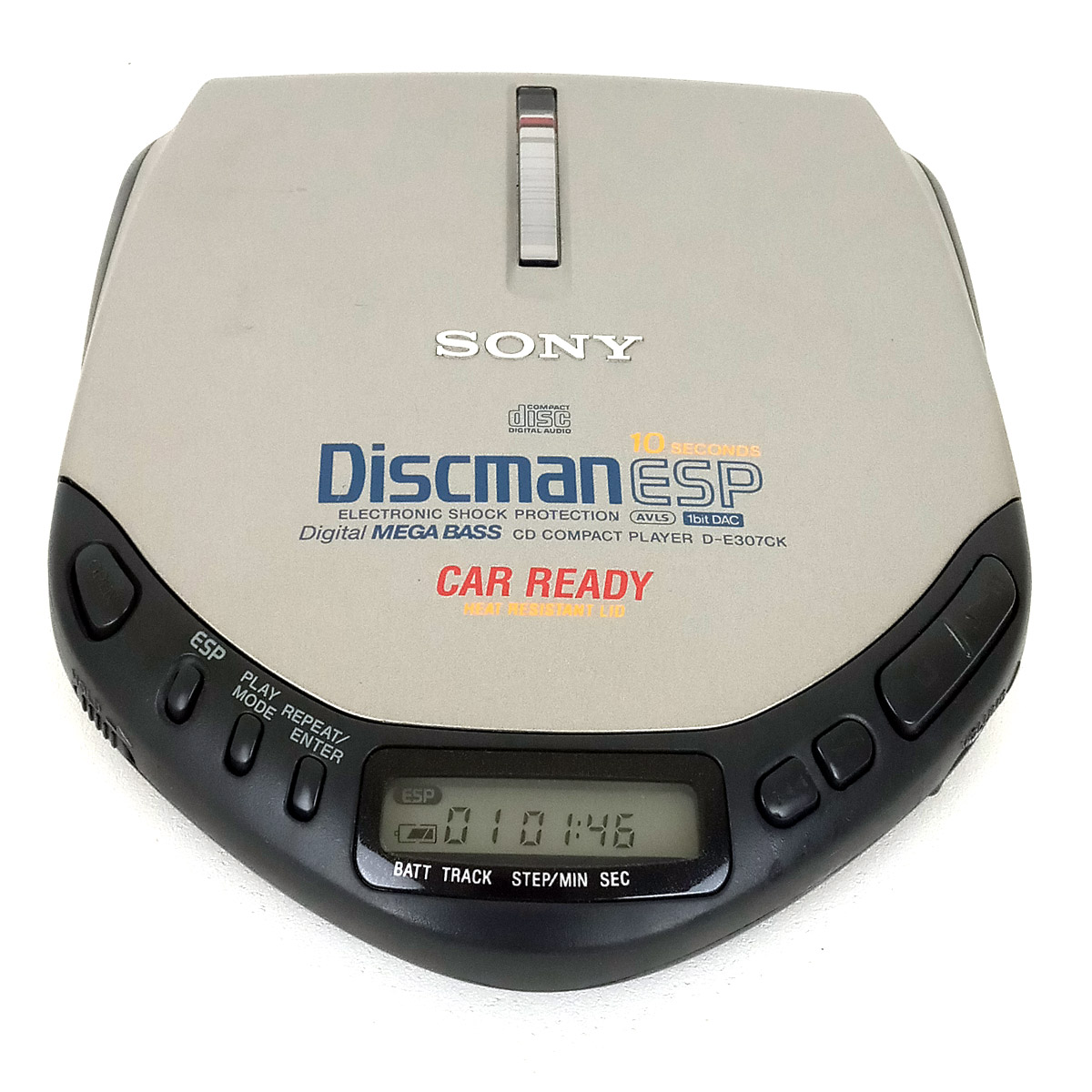
The ritual of portable CD life: a Sony Discman clipped to your waist or backpack, Electronic Skip Protection bragged on the box, and a zip-up CD binder holding exactly 24 discs — the ones that defined you. CD binders like Case Logic wallets replaced jewel cases, turning your music taste into curated, tangible proof of personality.