iPod

Steve Jobs unveiled the iPod on October 23, 2001, promising "1,000 songs in your pocket." The original model packed a 5GB hard drive, mechanical scroll wheel, and FireWire connection—Mac-only, $399. The click wheel, iTunes Music Store (2003), and later Windows support made it the gateway device to digital music and one of the most influential electronics ever built.
The first iPods were premium devices aimed at Mac users willing to pay for quality. But the 2003 launch of the iTunes Music Store—a legal, fast way to buy music digitally—transformed the iPod from a curiosity into a necessity. The silhouette advertising campaign — black dancing figures, white earbuds, vivid backdrops — became iconic, and the white earbuds themselves turned into the universal status signal of iPod ownership.
By 2007, the iPod had sold over 100 million units and fundamentally changed how the world consumed music. The form factor was so successful that it became absorbed into the iPhone, which launched in 2007. The iPod continued in various forms but lost its cultural dominance almost overnight as phones took over. Across its lifetime, nearly 450 million iPods sold—a staggering run that shaped portable audio for a generation.
Similar items
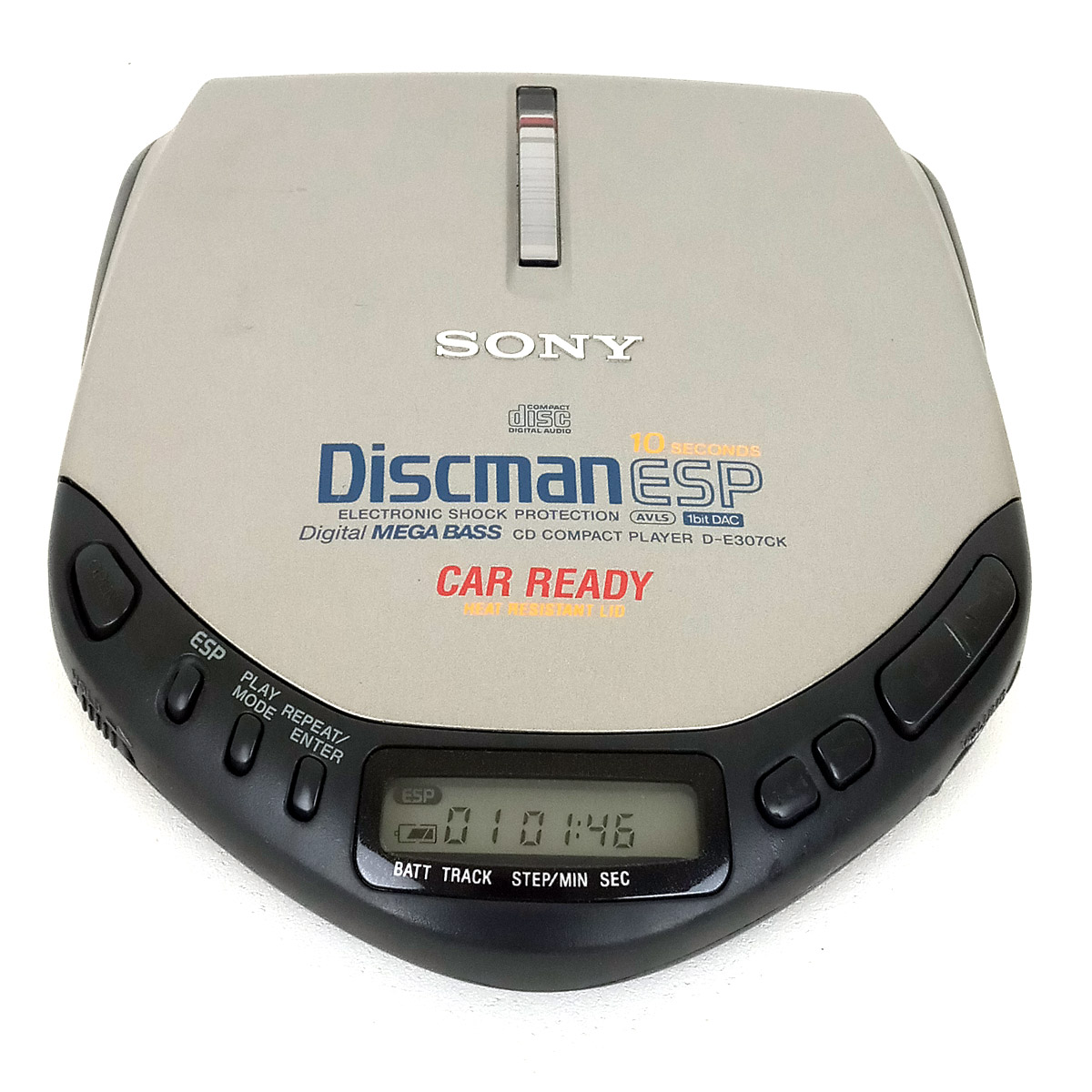
Discman & CD Binders
The ritual of portable CD life: a Sony Discman clipped to your waist or backpack, Electronic Skip Protection bragged on the box, and a zip-up CD binder holding exactly 24 discs — the ones that defined you. CD binders like Case Logic wallets replaced jewel cases, turning your music taste into curated, tangible proof of personality.
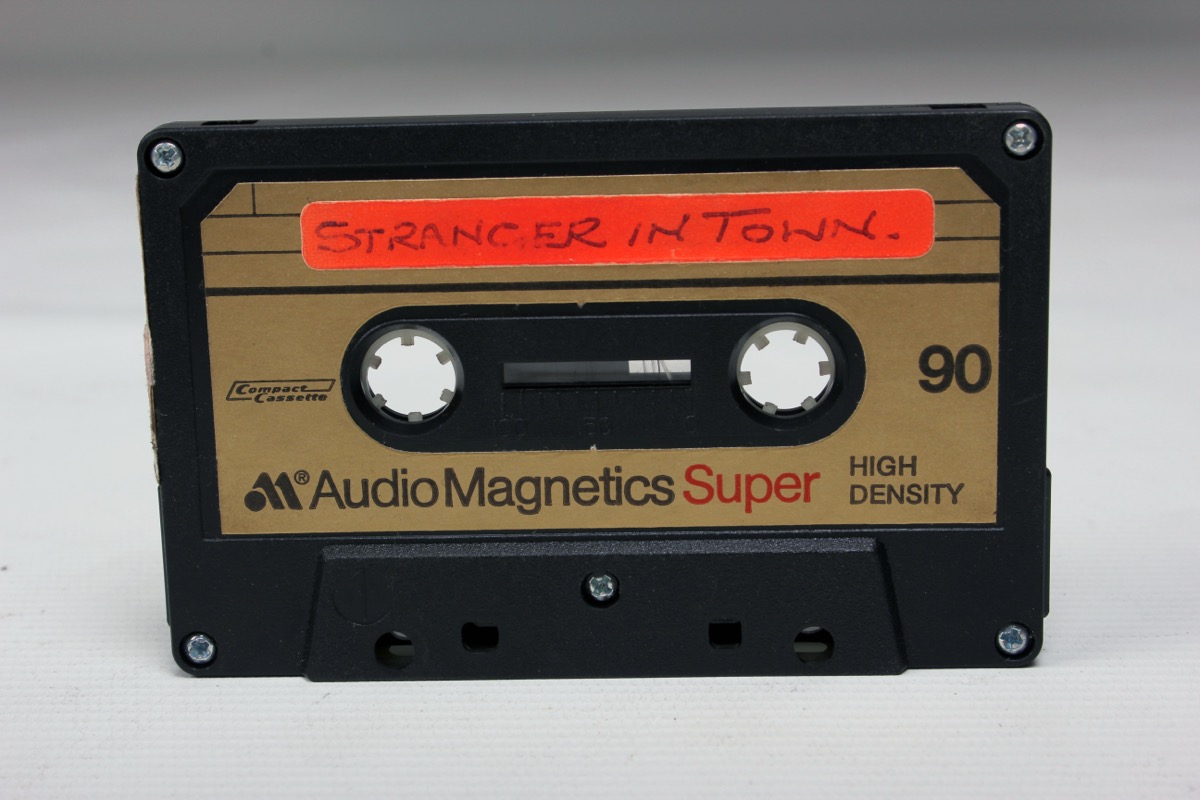
Mixtapes
The compact cassette made music personal; the Walkman made it portable; and the mixtape made it meaningful. A hand-labeled tape was a love letter, a friendship offering, an identity statement — hovering over the record button to catch a song off the radio, agonizing over track order, building the perfect sequence for someone who mattered.

MySpace
MySpace launched in August 2003 and became the social network that swallowed the mid-2000s internet — where everyone's first friend was Tom. Top 8 rankings sparked drama, profile songs played on auto-load, and DIY HTML customization meant glitter graphics and autoplay music ruled. Bands broke careers there; it was the most-visited website in the US by 2006.
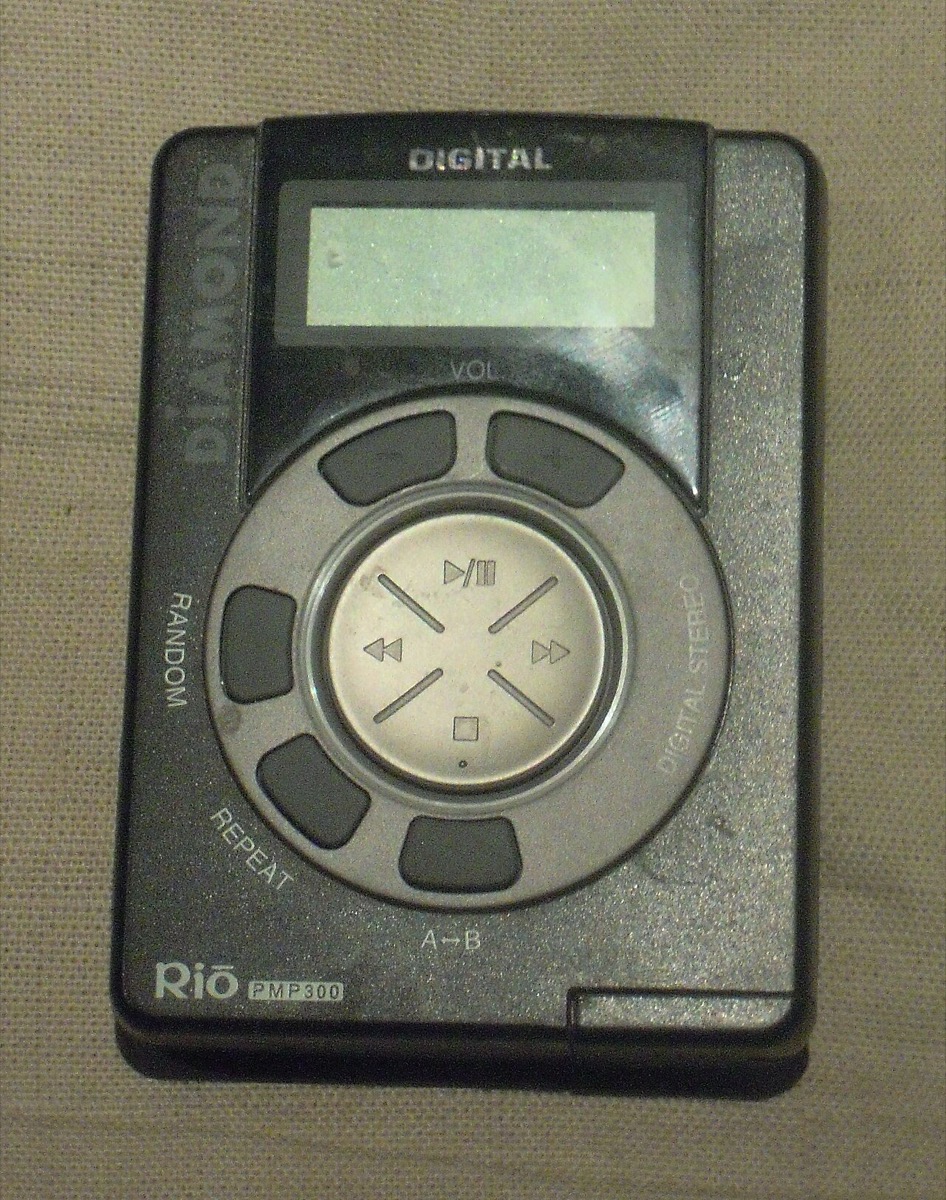
Early MP3 Players
The flash-memory bricks that freed your MP3s from the desktop. Diamond's Rio PMP300, arriving in September 1998 at $200, was the first MP3 player that actually caught on — deck-of-cards sized, running forever on one AA battery, holding maybe eight or ten songs. No moving parts meant no skips, a revelation after a decade of portable CD players. The RIAA sued to kill it; the courts sided with you instead.