Motorola Talkabout
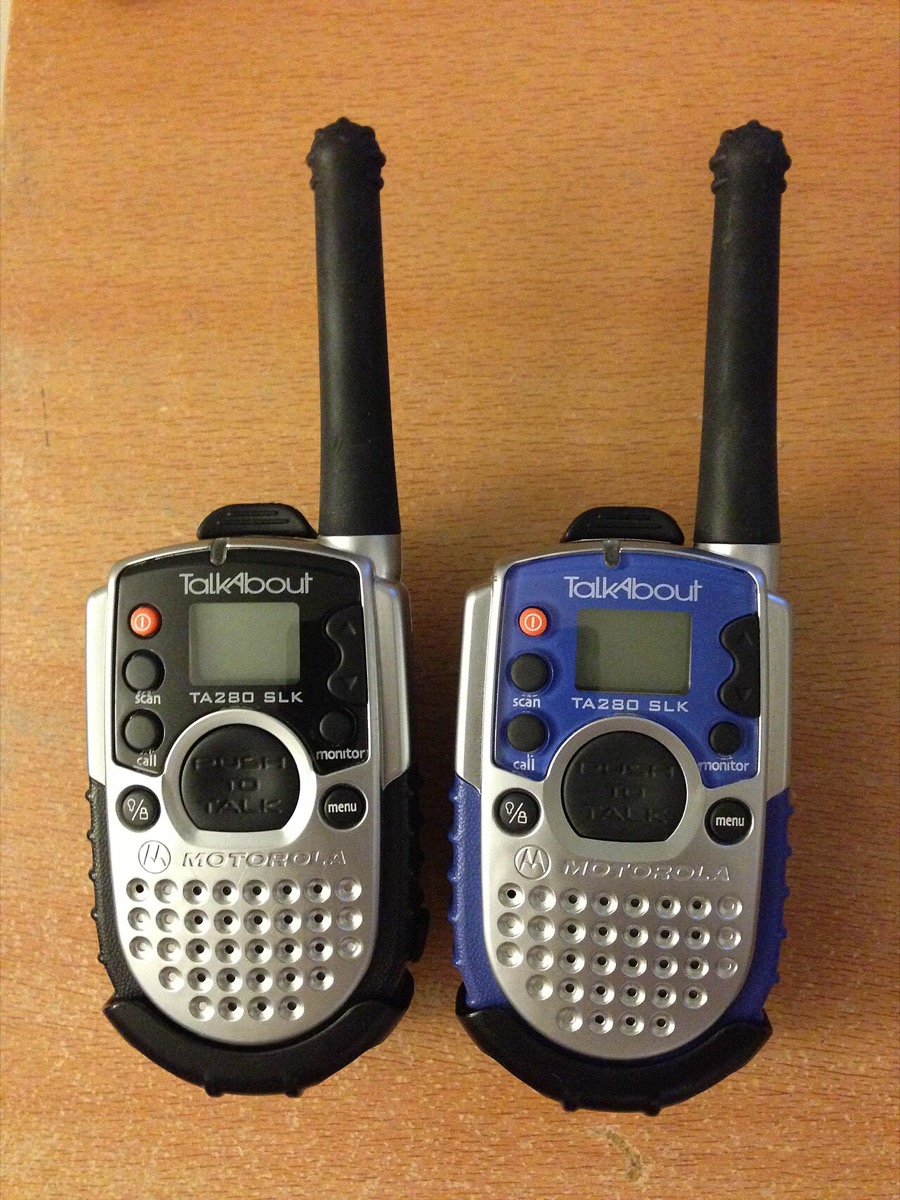
Photo credit: Photo: Jaysin Trevino, CC BY 2.0, via Wikimedia Commons
The chunky yellow walkie-talkies that kept families connected before everyone had a cellphone — two-car road-trip caravans, ski slopes, theme parks, and kids roaming the neighborhood with a two-mile leash. Over.
The Talkabout owes its existence to a piece of radio real estate: the Family Radio Service, a license-free slice of UHF spectrum the FCC created in 1996 after RadioShack proposed it in 1994 'for use by families.' Motorola helped shape the technical rules and beat everyone to market, launching its consumer Talkabout line in 1997 — and staying the category's sales leader for years. Suddenly a two-way radio wasn't trucker gear; it was a bright plastic gadget in the sporting-goods aisle.
The icon of the line was the T250: palm-sized, backlit screen, running on three AA batteries, most famously in taxi-cab yellow with black rubber grips, sold in two-packs for under a hundred bucks. The box promised a two-mile range — real-world performance through trees and buildings was usually well under a mile, but that hardly mattered. In the last years before cellphones were universal (and when they were, minutes cost money), Talkabouts were how the family minivan talked to the family sedan on the interstate, how parents tracked kids across a campground or a mall, and how the neighborhood crew ran its operations. Fourteen channels plus 'privacy codes' meant you could usually find a frequency that wasn't some other family's chatter. New models kept coming — the T289 in 1999, then rugged outdoorsy units with compasses and NOAA weather channels — and the category kept exploding: in 2001 alone, FRS radios sold some 9.5 million units.
The boom was brief but intense. As cellphones went from luxury to default through the mid-2000s, the family walkie-talkie quietly went back in the junk drawer, batteries corroding beside the manual. The Talkabout brand survives today as an outdoor-recreation line — but its true era was that narrow window when 'press the button to talk' was cutting-edge family tech, and every kid signed off with a completely unnecessary 'over and out.'
Similar items

Nokia 3310
The brick phone that became a meme—Nokia's 3310 was the phone that survived drops that would kill any modern device. Released in 2000 and sold over 126 million times, it was famous for its indestructibility, the built-in Snake II game, interchangeable colored covers, and the iconic Nokia tune ringtone. It was the anti-smartphone years before the smartphone era, representing the peak of durable simplicity.
Pay Phones
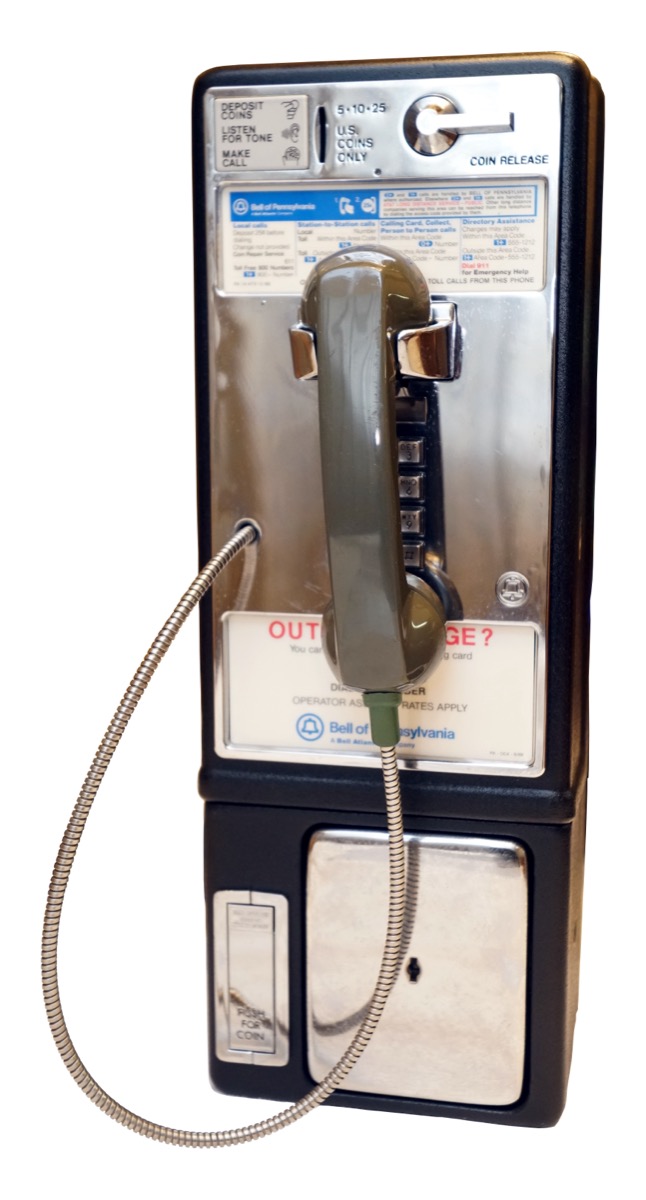
Coin-operated public telephones on street corners, in malls, and outside every gas station — the fallback when you needed to call home or were out of pocket change. At their 1990s peak, the US had over 2 million payphones; by the 2010s, they'd nearly vanished.
Prepaid Phone Cards
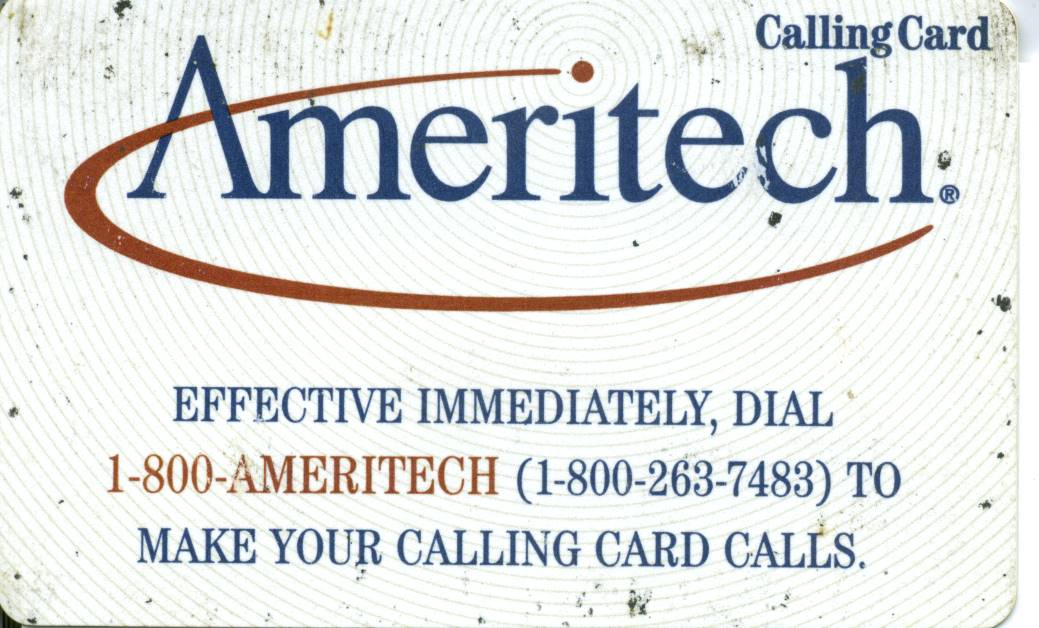
Scratch off the panel, punch in the PIN, dial the access number, and talk until your minutes ran out — prepaid phone cards were the pre-cell-plan answer to long-distance calls and international dialing. Stacked in convenience stores and gas stations, they were lifelines for travelers and immigrants.
PalmPilot
A little gray slab that put your calendar, contacts, memos — and, let's be honest, games — in your pocket, years before smartphones. You wrote on it with a stylus in Graffiti, its own alphabet you had to learn stroke by stroke. For a while, it was the future.