Caller ID Box

A little LCD slab that sat beside the phone and did exactly one thing: showed you who was calling before you picked up. For about a decade, knowing that required buying a second device and paying the phone company a monthly fee for the privilege. Then telephones learned to do it themselves and the box quietly vanished.
The service came first, and the box existed only because the service was useless without something to display it on. Caller ID reached the public in stages in the late 80s — New Jersey Bell in 1987, then BellSouth's Memphis rollout in December 1988. By the reckoning of CIDCO — the company that would go on to build more of these boxes than anyone else — it was the first intelligent network service that required customers to have specialized equipment of their own before it could do anything at all. CIDCO was incorporated in July 1988 for precisely that opportunity; the name is simply Caller ID Co. Robert Diamond and Paul Locklin funded it themselves and shipped their first unit in 1989. By 1996 they had sold more than fourteen million of them.
The thing itself was modest and strange. CIDCO called it an "adjunct unit" — an accessory to a telephone that couldn't do the job — and early ones showed you a number and nothing else, and only for calls from inside your own local calling area. Name display came along in the early 90s but rolled out region by region, slowly enough that Radio Shack's 1996 catalog had to hedge in print: one model, it promised, "tells you the caller's number, or in some areas the caller's name and number." The small thrill people remember — seeing who it was and deciding not to answer — was for years a thrill that only half worked, in some places, on some calls.
Buying in took two transactions, and this is the part that sounds invented now. You bought the box, and then you paid your phone company every month for the number to actually arrive. Radio Shack's 1996 spread ran eleven models from $39.99 to $119.99, and it told you in the fine print that none of them did anything unless you also subscribed to Calling Number Delivery. CIDCO's own range went from about $30 to $300 for a fancy screenphone. But the boxes were also, routinely, free — the regional phone companies handed them out to close a subscription, because the hardware was never where the money was. The box cost forty dollars and the box cost nothing, both true, depending on how you got yours.
It is easy to forget that this was contentious. Putting a caller's number on a stranger's kitchen counter struck a lot of people as surveillance, and in Pennsylvania the courts agreed: Caller*ID was ruled a trap-and-trace device that violated the state's wiretap act — the lower court found a constitutional privacy violation as well — and the state Supreme Court upheld the wiretap ruling in 1992. The challengers included the ACLU and the Pennsylvania Coalition Against Domestic Violence, for whom an unblockable number was not an abstraction. The fight was settled nationally by the FCC in 1995: carriers had to pass the number on interstate calls, and had to honor *67 to withhold it, effective that December. California, which had wanted automatic blocking for every unlisted household, held out until mid-1996 — at which point the service finally existed in all fifty states.
The box's peak and its obsolescence were the same moment, which is why nobody remembers it ending. At the height of it — CIDCO's sales went from $15.7 million in 1992 to $215.2 million in 1996 — the company was already listing caller-ID telephones from AT&T, Nortel, Panasonic, Sony and Thomson as its competition, and had started building feature phones itself. That same 1996 Radio Shack page selling the boxes also sold a telephone with the display built in. Once everyone who wanted the service had it, CIDCO said plainly what happened next: penetration rose, new customers got expensive, and "volumes and profits declined." It lost money in 1998, 1999 and 2000, tried its luck with an email appliance, and sold the caller ID business in December 2000 for five million dollars. The feature didn't die. It just moved inside the phone, where it has lived ever since — and where nobody has to think about it at all.
Similar items
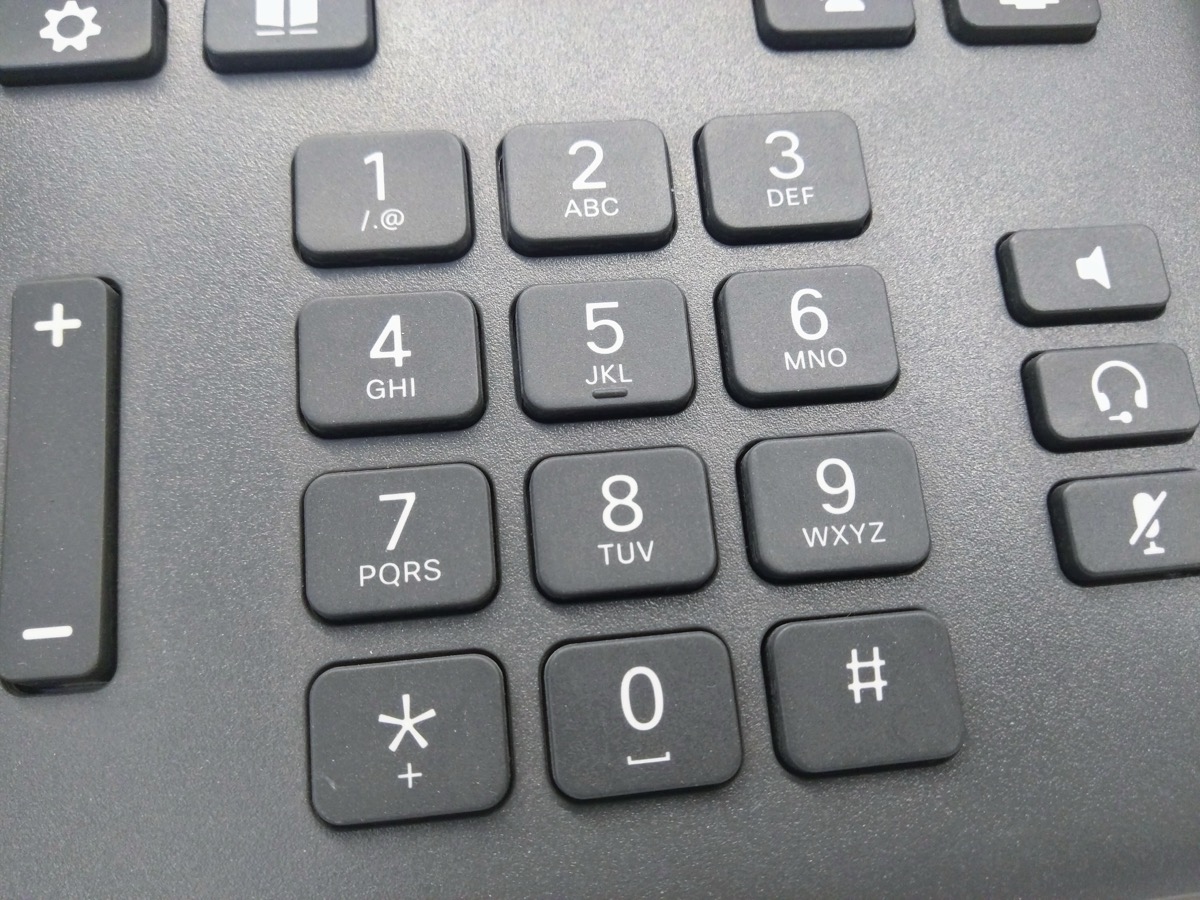
Star Codes (*67 & *69)
Dial *67 before someone's number to block your caller ID and appear as 'Private' — the anonymous call superpower every 90s kid knew. Dial *69 to find out who just called you and call them back. Two simple codes that transformed what you could do from a landline.
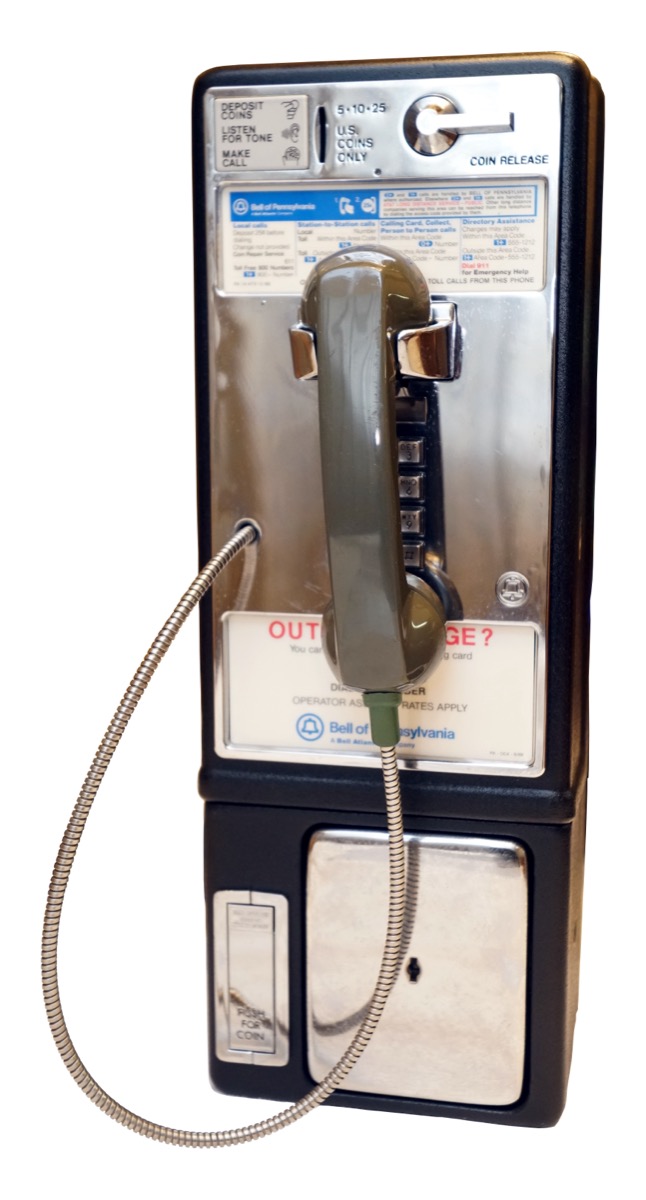
Pay Phones
Coin-operated public telephones on street corners, in malls, and outside every gas station — the fallback when you needed to call home or were out of pocket change. At their 1990s peak, the US had over 2 million payphones; by the 2010s, they'd nearly vanished.
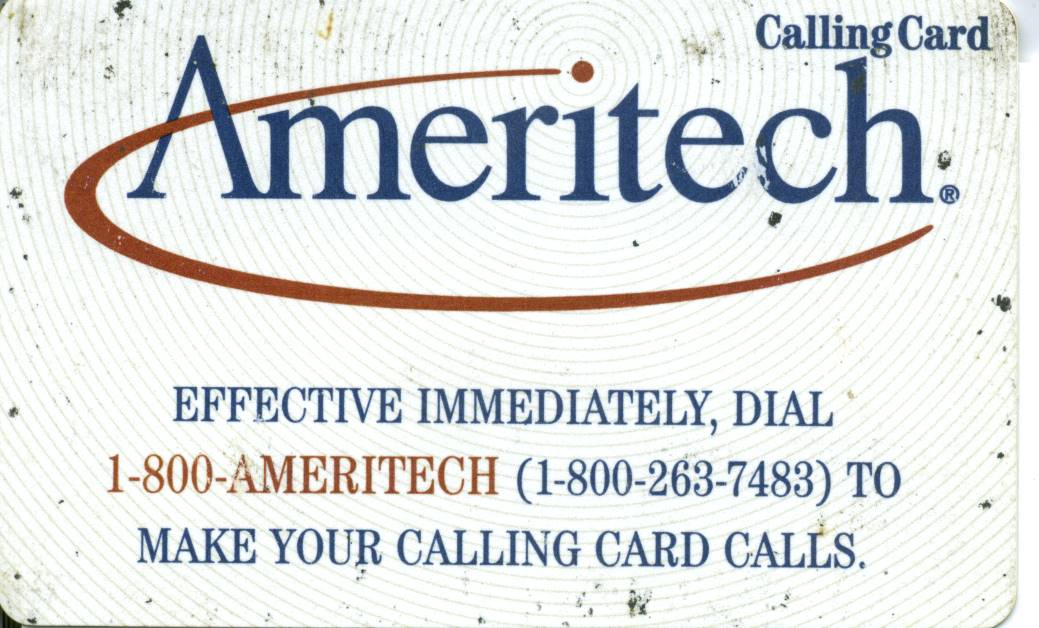
Prepaid Phone Cards
Scratch off the panel, punch in the PIN, dial the access number, and talk until your minutes ran out — prepaid phone cards were the pre-cell-plan answer to long-distance calls and international dialing. Stacked in convenience stores and gas stations, they were lifelines for travelers and immigrants.

Answering Machine Greetings
"You've reached the Johnsons! We can't come to the phone right now..." Before voicemail lived in your pocket, the family answering machine greeting was a homemade radio production — rehearsed, re-recorded, occasionally sung — and every caller had to sit through it.