Winamp

The media player that ran the MP3 era. Winamp's dark little window with the glowing green equalizer, endlessly customizable skins, and the MilkDrop visualizer pulsing to your music was where a generation organized its first ripped-and-downloaded music collection — and yes, it really whipped the llama's ass.
Winamp arrived on April 21, 1997 as free software from Nullsoft, the tiny company founded by Justin Frankel. Early versions barely did more than play, stop, and pause, but the name ("Windows" plus "AMP") and the irreverent tagline — "Winamp, it really whips the llama's ass" — signaled a piece of software with personality. Winamp 2.0, released September 8, 1998, was the breakout: dockable playlist and equalizer windows, and support for the custom skins and visualization plugins that made it feel like yours — the hypnotic MilkDrop visualizer followed in 2001.
Its timing was perfect. As MP3s and Napster exploded, Winamp became the default way to play them — over three million downloads by mid-1998, more than 25 million registered users by 2000, and 60 million by 2001. AOL took notice and acquired Nullsoft in June 1999 for about $80 million in stock.
Under AOL the magic faded; the player drifted through the 2000s as iTunes and streaming took over, and it was eventually sold off to Radionomy in 2014. But for anyone who spent hours hunting skins and watching the visualizer swirl, Winamp's cluttered, beautiful little interface is pure nostalgia.
Similar items
Mix CDs
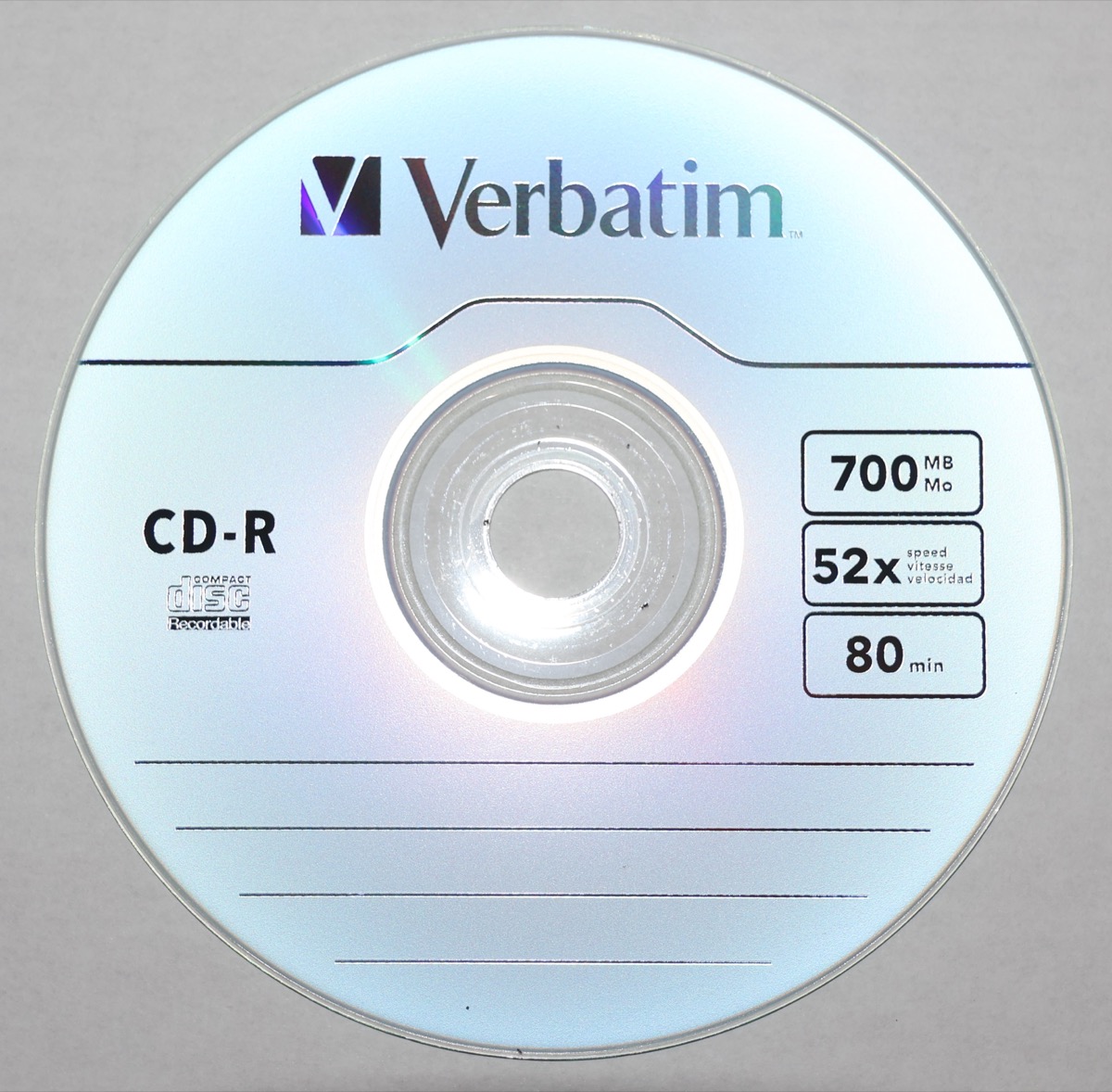
The mixtape of the CD-R era: download MP3s from file-sharing sites, burn them to a blank disc in Nero or iTunes, label it with Sharpie, and pray it didn't skip. Mix CDs were the late-90s and 2000s ritual—track order agonized over, burnable only by those with a CD-R drive, given as love offerings and road-trip soundtracks.

LimeWire & Napster
The lawless era of free music: you queued up a download that would take three hours on dial-up, crossed your fingers it wasn't mislabeled, and hoped even harder it wasn't a virus. Napster and LimeWire were the P2P revolution that detonated the music industry, made kids into accidental outlaws, and eventually gave way to iTunes.
Discman & CD Binders
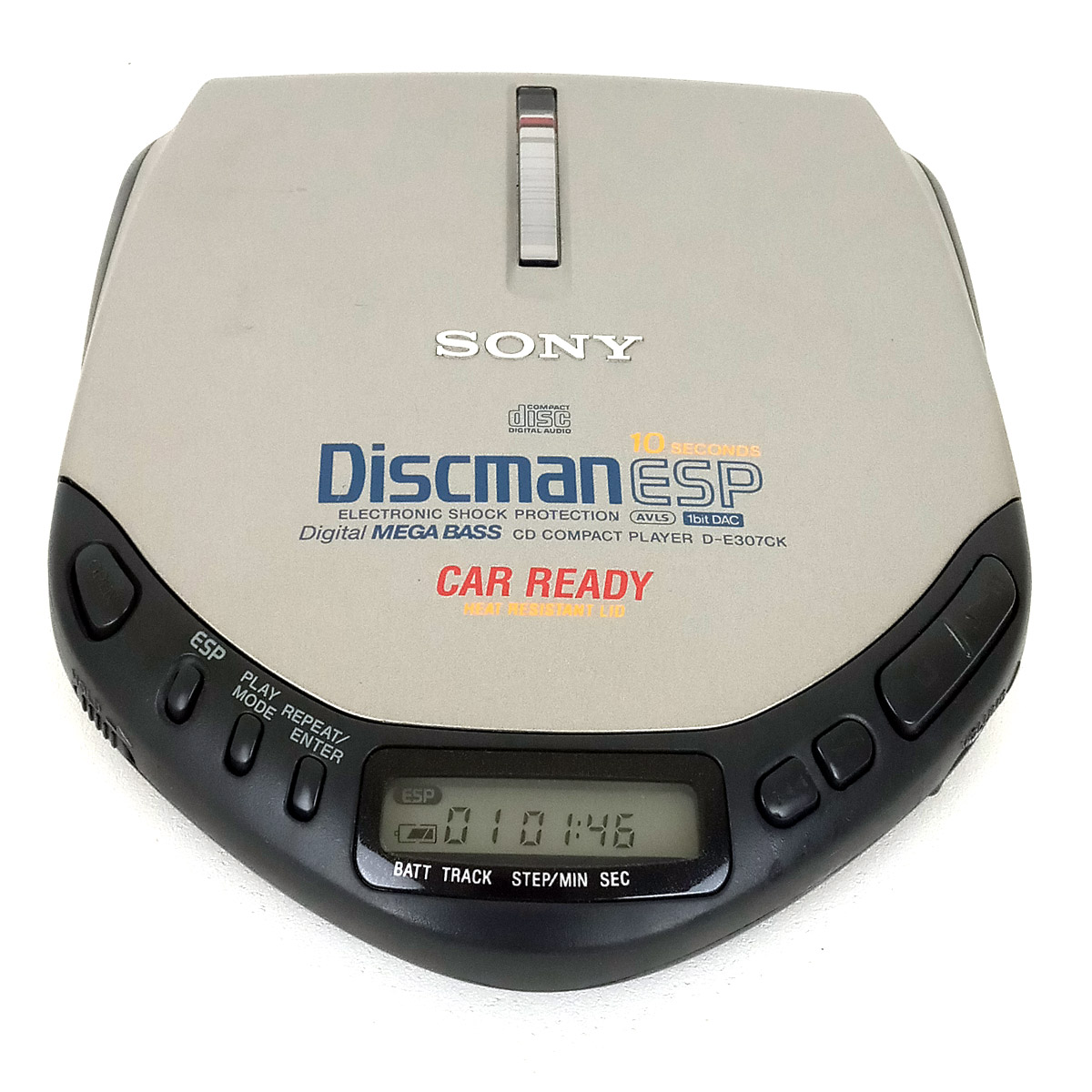
The ritual of portable CD life: a Sony Discman clipped to your waist or backpack, Electronic Skip Protection bragged on the box, and a zip-up CD binder holding exactly 24 discs — the ones that defined you. CD binders like Case Logic wallets replaced jewel cases, turning your music taste into curated, tangible proof of personality.
Early MP3 Players
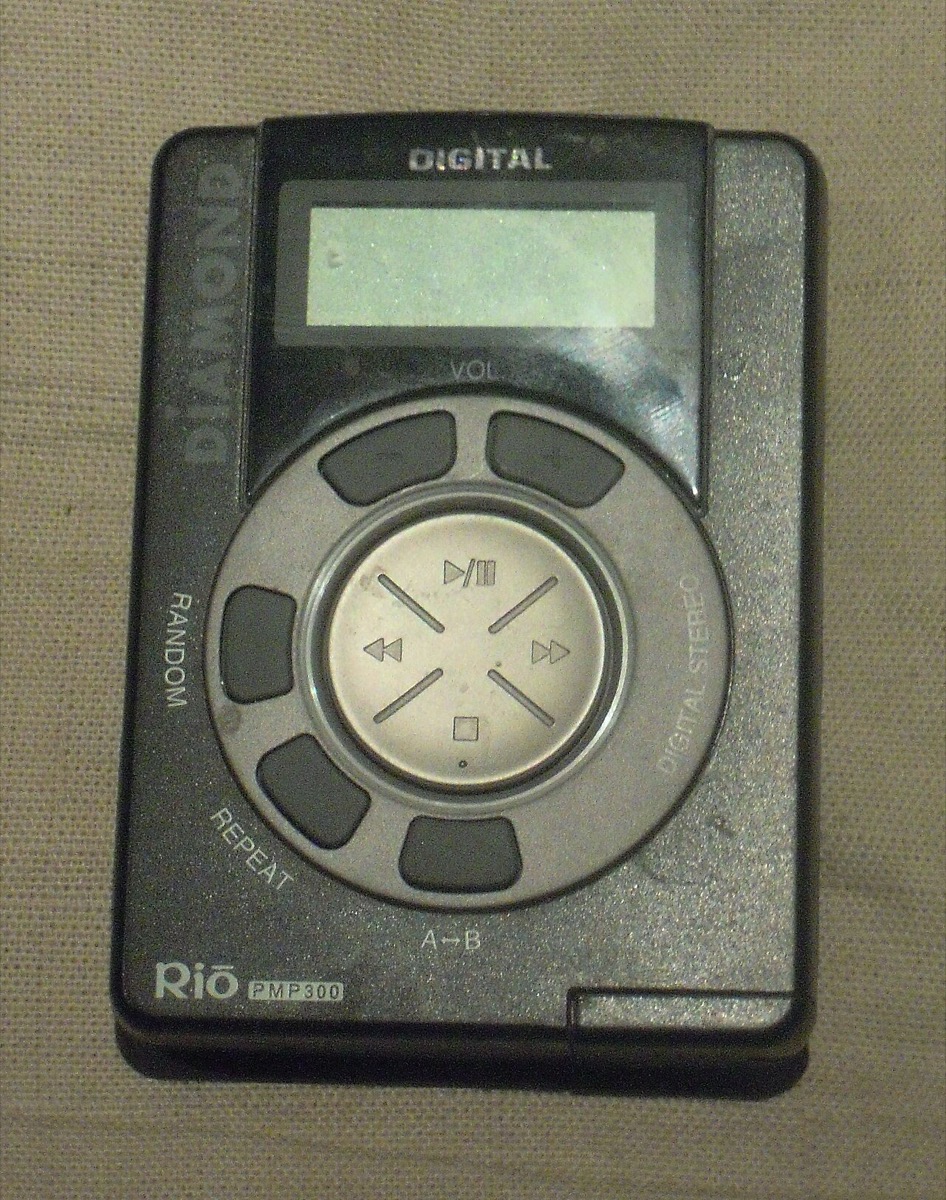
The flash-memory bricks that freed your MP3s from the desktop. Diamond's Rio PMP300, arriving in September 1998 at $200, was the first MP3 player that actually caught on — deck-of-cards sized, running forever on one AA battery, holding maybe eight or ten songs. No moving parts meant no skips, a revelation after a decade of portable CD players. The RIAA sued to kill it; the courts sided with you instead.