Slap Bracelets
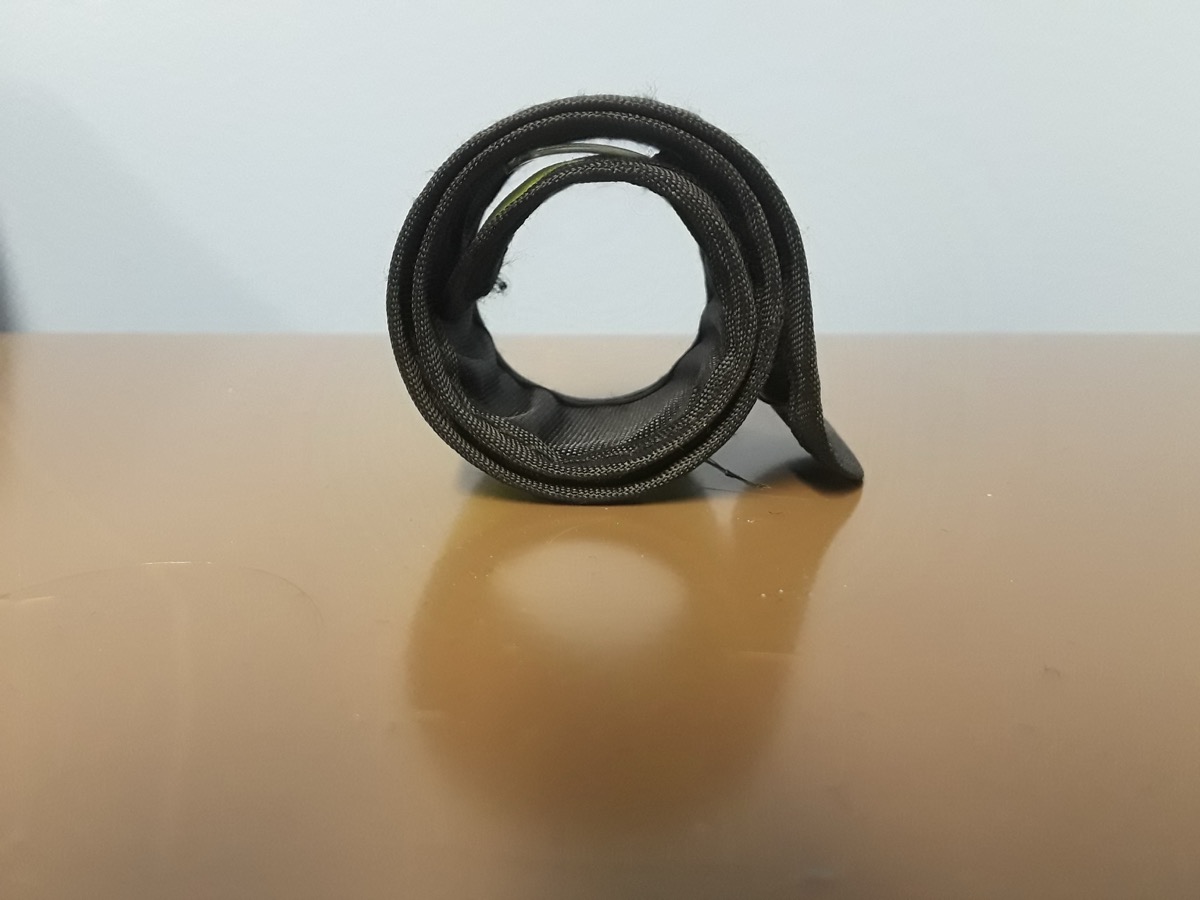
A spring-steel band in a fabric sleeve that snapped flat around your wrist when slapped on — equal parts accessory and weapon. Stuart Anders's invention became a summer craze that vanished just as fast when cheap knockoffs cut kids' wrists and schools banned them outright.
Wisconsin substitute teacher Stuart Anders came up with the idea while fidgeting with a self-rolling tape measure at his mother's sewing table. He engineered a bistable spring-steel band wrapped in fabric that could snap from a coiled cylinder to a flat bracelet in one satisfying slap. Marketed as 'Slap Wrap' from summer 1990, the original product sold roughly 1 million genuine units in three months at $2.50 each at retail. Then the market flooded — 10 to 15 million cheap knockoffs appeared at 70 cents per unit, with thinner steel that rusted and easily wore through the fabric sleeve, cutting skin.
The injury reports triggered official recalls in Connecticut and school bans across the nation. Administrators cited 'safety concerns' but everyone knew the real issue: kids had turned them into weapons, slapping each other constantly until the novelty imploded. The entire arc — invention, mania, panic, ban — compressed into roughly eighteen months, setting a template the 90s would repeat.
Similar items

Pogs
Circular cardboard caps stacked and slammed on playgrounds from coast to coast. A simple game descended from Hawaiian milk-cap traditions, Pogs spiraled into a full-blown craze—until schools banned them as gambling and the market collapsed.
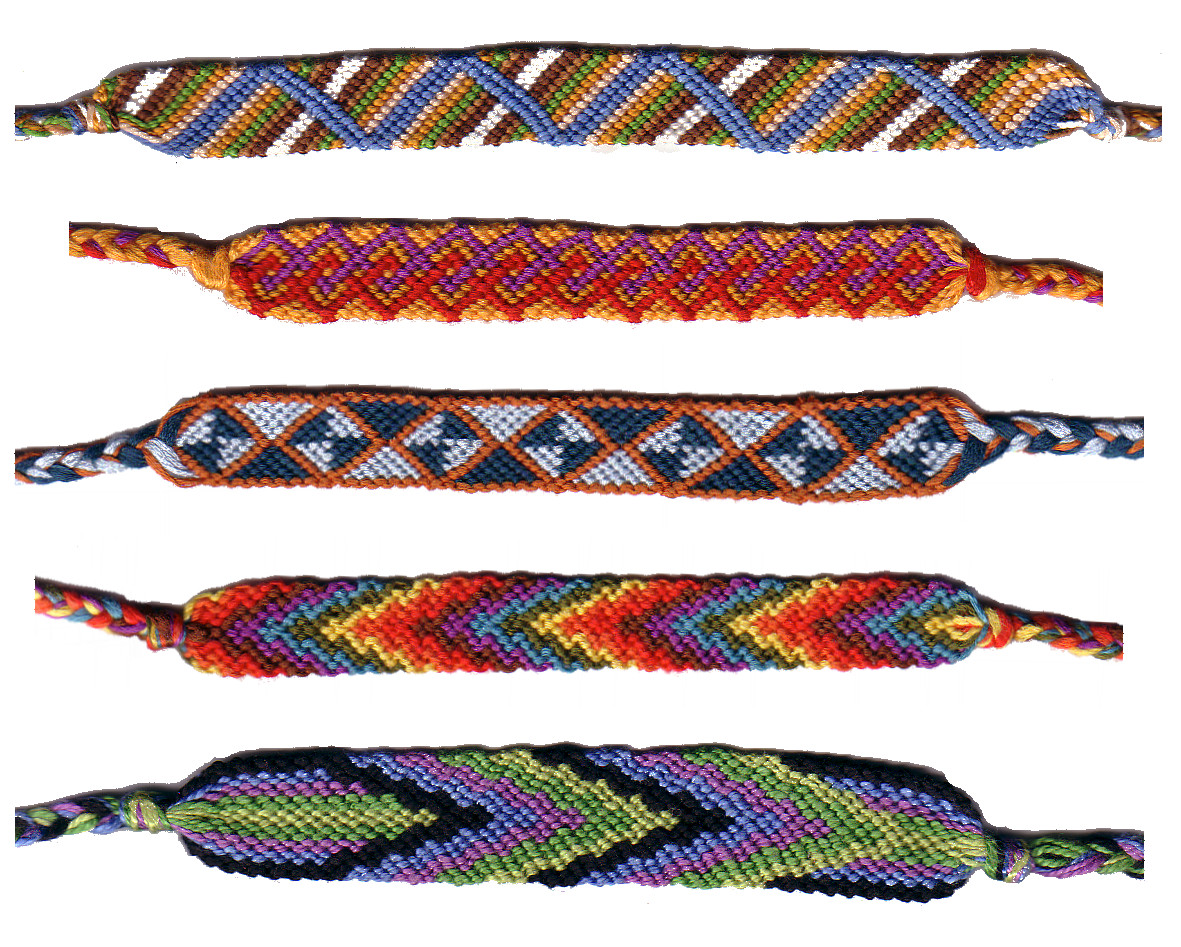
Friendship bracelets
Embroidery floss, a safety pin through your jeans, and forty minutes of tiny knots: the candy-stripe band you made at camp or recess and tied onto a friend's wrist for keeps. The rules were sacred — they make a wish, and it comes true only when the bracelet finally falls off on its own.

Heelys
Sneakers with a hidden wheel in the heel that made kids feel like they were gliding through the mall in ways shoes were never meant to allow. Schools banned them almost as fast as they sold, malls put up 'no Heelys' signs, and the fad burned from the early 2000s to its 2006–07 peak before the cool factor evaporated.

Jelly Bracelets
Thin, neon plastic hoops that came in every color imaginable and were stacked up the arm like jewelry—the fashion accessory that cost almost nothing and became trading currency on every playground. Sparked by Madonna's 1980s stacked-arm look, they dominated the early 80s and stayed essential into the 90s, cheap enough to lose constantly and buy again without guilt.