Body Glitter
Roll-on, gel, or powder with a puff — applied to the collarbones, the eyelids, and eventually the entire upper body before a school dance. It came in every color imaginable, and its single defining property was that it never came off. Not that night, not that week, not from your bedsheets.
Body glitter has no inventor and no launch date. It is one of those trends that simply arrived, spread through a generation of teenage girls in the late 1990s and early 2000s, and then receded — and the honest version of its history is that nobody wrote the important parts down. What is remembered clearly is the form it took: a roll-on stick, a squeezable tube of gel, a powder with a puff, or tiny stackable pots, in every color from pastel to what the packaging insisted were hardcore metallics — much of it with roughly the texture of cold gel deodorant. Bath & Body Works sold it as "Art Stuff" in roll-on form, aimed squarely at preteens. You got it at the mall, probably while you were buying butterfly clips.
It belonged to a specific moment. Britney Spears wore it by the water main's worth, and for a few years no photograph of anyone under twenty was complete without a shimmer across the shoulders. Then the moment passed, as those moments do, and it went back to being a thing that exists at Halloween. Its real legacy is physical: a faint sparkle that turned up on car seats, bathroom towels, and school photographs for years afterward, long after everyone involved had agreed to stop talking about it.
Similar items
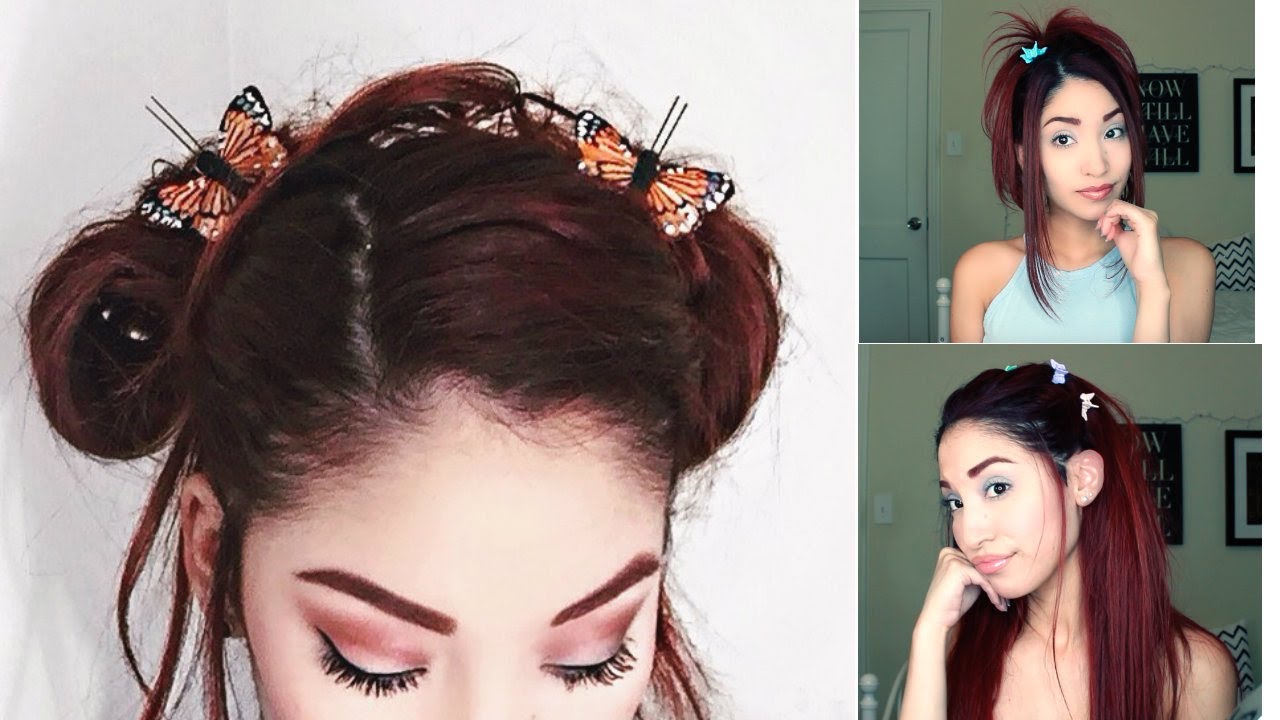
Butterfly Hair Clips
Tiny plastic butterflies clipped in careful rows across the top of your head — pastel, glittery, sometimes with a rhinestone body. For late-'90s picture day, a fistful of butterfly clips was the whole hairstyle.

The dELiA*s Catalog
It came in the mail and your afternoon was over. The teen-girl catalog you read cover to cover, dog-eared, circled, and fought your friends over — baby tees, butterfly clips, platform sandals, and girls in the photos who were never, ever smiling politely. For a lot of teenagers it was the only place the trendy clothes actually existed.

Lisa Frank
Neon-rainbow folders, stickers, and binders plastered with dolphins, unicorns, and technicolor leopards—the aesthetic that defined every 90s classroom. Lisa Frank's maximalist explosion of color became a status symbol and a collecting obsession that grossed over $60 million a year at its peak.
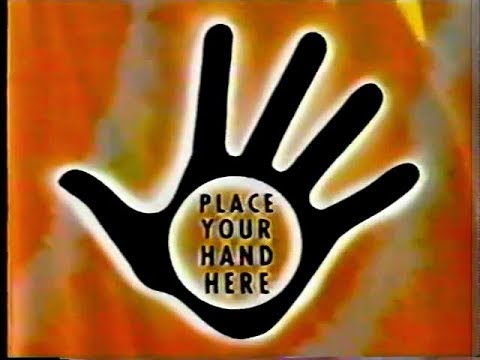
Hypercolor T-Shirts
The shirt that changed color where you touched it — a warm handprint bloomed a lighter shade across your back, and everyone in class wanted to leave a mark. Hypercolor was a full-blown 1991 craze that the washing machine quietly killed.