Hypercolor T-Shirts
The shirt that changed color where you touched it — a warm handprint bloomed a lighter shade across your back, and everyone in class wanted to leave a mark. Hypercolor was a full-blown 1991 craze that the washing machine quietly killed.
Hypercolor was a line of heat-sensitive T-shirts and shorts made by the Generra Sportswear Company of Seattle, produced beginning in 1991. The fabric was treated with a thermochromic pigment — made by Japan's Matsui Shikiso Chemical — that turned colorless above roughly 24–27°C, so body heat, a warm hand, or a breath would shift the shirt to a lighter shade wherever the warmth landed. The effect made the wearer into a walking mood ring, and it exploded.
The boom was enormous and brief. Between February and May of 1991, Generra sold $50 million in Hypercolor garments — and just over a year later, in 1992, the company filed for bankruptcy amid mismanagement and fading demand. Part of the problem was baked into the product: the color-change effect was fragile and could be permanently damaged when the clothing was washed in water hotter than recommended, ironed, bleached, or tumble-dried. Countless shirts came out of the laundry as muddy, dead-toned ghosts of themselves.
The U.S. Hypercolor business was sold to the Seattle T-Shirt Company in 1993, and the shirt passed into pure nostalgia — a perfect little artifact of an era that briefly believed the future of fashion was chemistry you could touch.
Similar items

Popcorn Shirts
The shirt that lived scrunched into a ball the size of your fist and stretched to fit almost anyone who pulled it on. Covered in tiny raised bumps, made of stretchy polyester, and sold 'one size fits all' — you bought it crumpled, wore it snug, and it sprang right back to a lump the second you took it off.
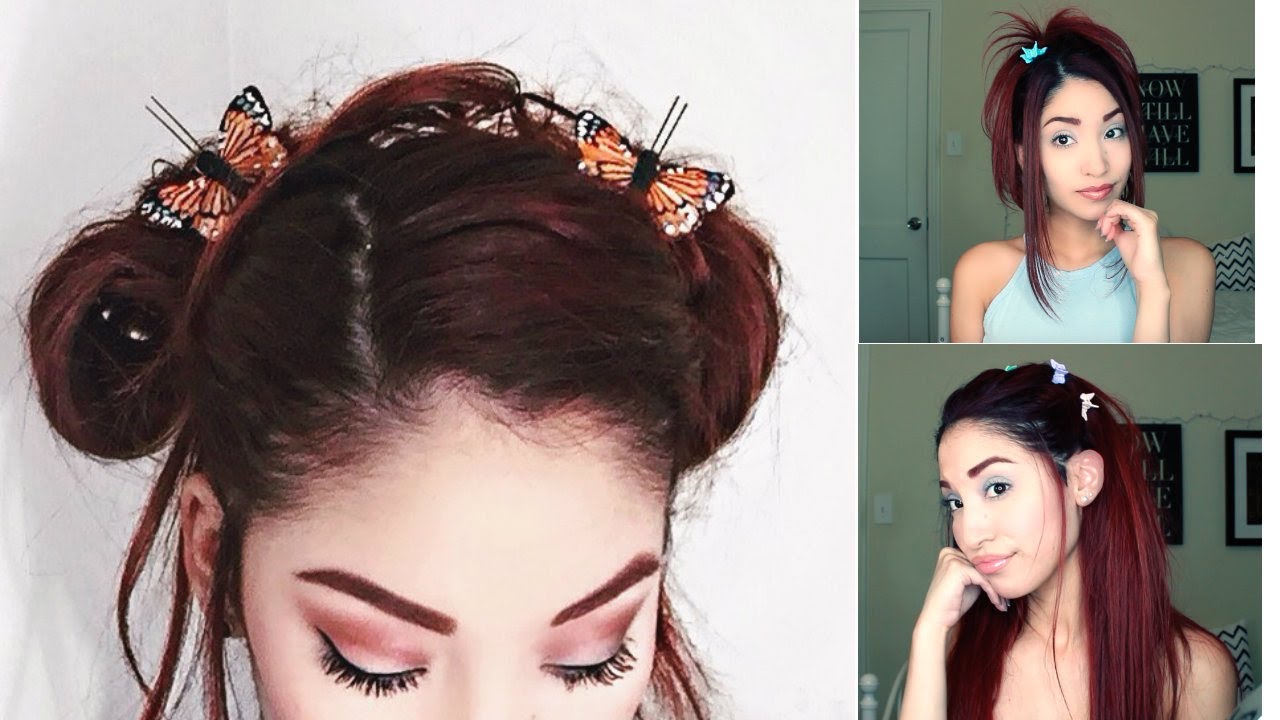
Butterfly Hair Clips
Tiny plastic butterflies clipped in careful rows across the top of your head — pastel, glittery, sometimes with a rhinestone body. For late-'90s picture day, a fistful of butterfly clips was the whole hairstyle.

Jelly Bracelets
Thin, neon plastic hoops that came in every color imaginable and were stacked up the arm like jewelry—the fashion accessory that cost almost nothing and became trading currency on every playground. Sparked by Madonna's 1980s stacked-arm look, they dominated the early 80s and stayed essential into the 90s, cheap enough to lose constantly and buy again without guilt.
Zubaz
Zebra-striped, radically baggy, elastic everywhere — the workout pants pro wrestling's Road Warriors helped dream up for guys too big for regular jeans, which somehow ended up on NFL sidelines, in JCPenney, and on your uncle at every 1991 barbecue.