Chain Wallets
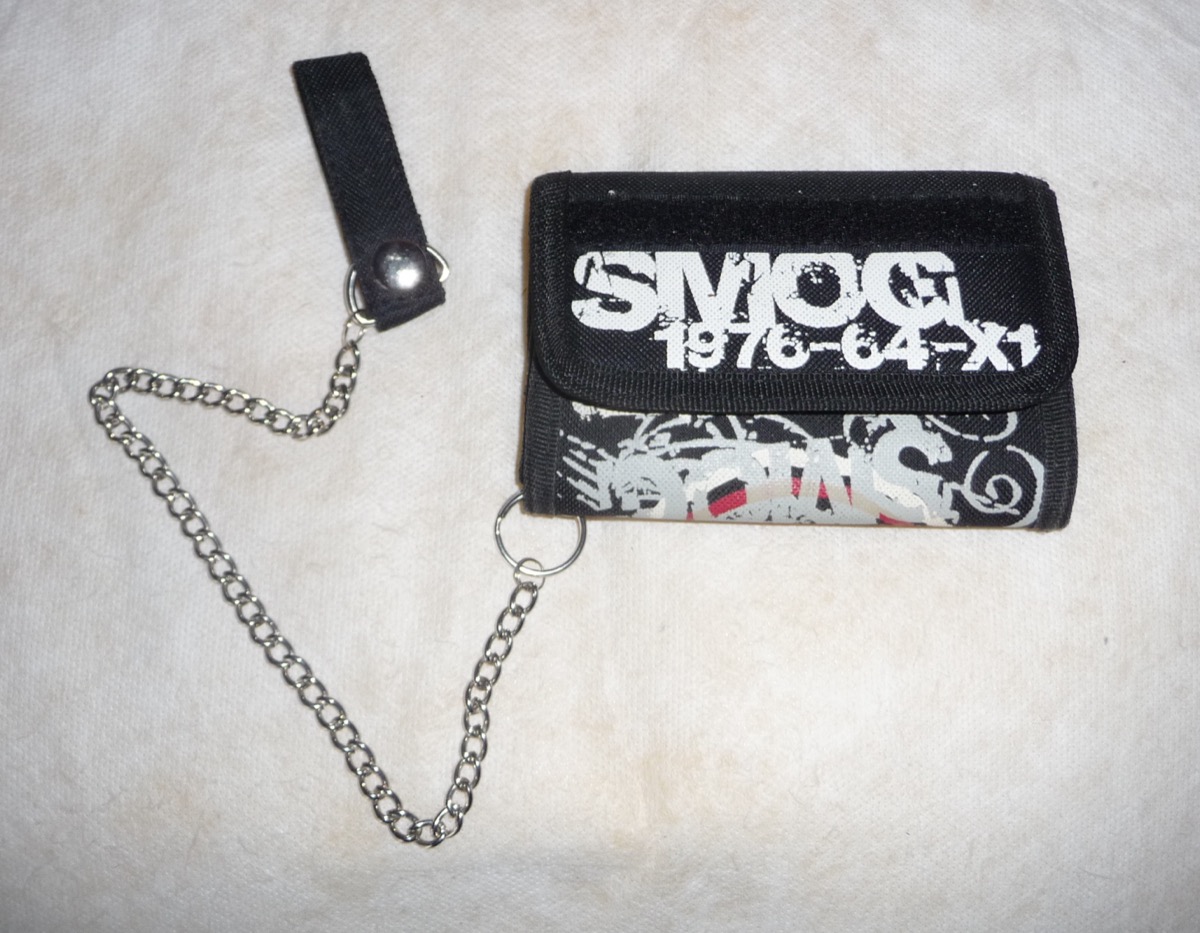
Photo credit: Photo: Pavel Ševela, CC BY-SA 3.0, via Wikimedia Commons
A metal chain connecting your trifold wallet to your belt loop—the ultimate 90s mall accessory that nobody actually needed for security but everyone desperately wanted anyway. Biker chic meets suburban shopping mall.
Chain wallets emerged from biker and punk culture decades earlier but went mainstream in the mid-1990s alongside grunge and skate culture. The standard configuration was a leather trifold wallet attached to a belt loop via a heavy metal chain, worn with the wallet stashed in the back pocket and the chain dangling visibly down the leg. They served no practical purpose—the threat of wallet theft in a suburban mall was negligible—but that was precisely the point: chain wallets were pure style signaling, a way to telegraph toughness or alternative cool without actual commitment to the lifestyle.
Sold at every mall store from Hot Topic to department store skate sections, they became ubiquitous in the mid-to-late '90s, with the distinctive jingle-slap of the chain against the thigh becoming iconic shorthand for the era. By the early 2000s they faded, though they never entirely disappeared and have seen periodic nostalgic revivals.
Similar items

JNCO Jeans
JNCO jeans were the uniform of 90s youth rebellion: outrageously baggy denim with cavernous pockets so deep you could lose a Walkman, decorated with zipper details and an attitude that rejected traditional fit. If you weren't tripping over your cuffs or making those pockets jingle, you weren't dressed for the decade.

Tattoo Chokers
The tight, lace-patterned plastic necklace that mimicked a hand-drawn tattoo band—one size fits all, no clasp, just stretch it over your head and let it snap snug. Worn by Kate Moss, Drew Barrymore, Gwen Stefani, and every kid with an allowance, the choker's actual origin is lost to history, and it simply appeared everywhere at once.

Doc Martens
The boot that went from factory floor to grunge icon. Doc Martens weren't invented in the 90s — they'd been stomping around since 1960 — but that's the decade scuffed Docs under flannel became THE youth uniform, the visual shorthand for alt culture. Breaking them in felt like a rite of passage.
Bucket Hats
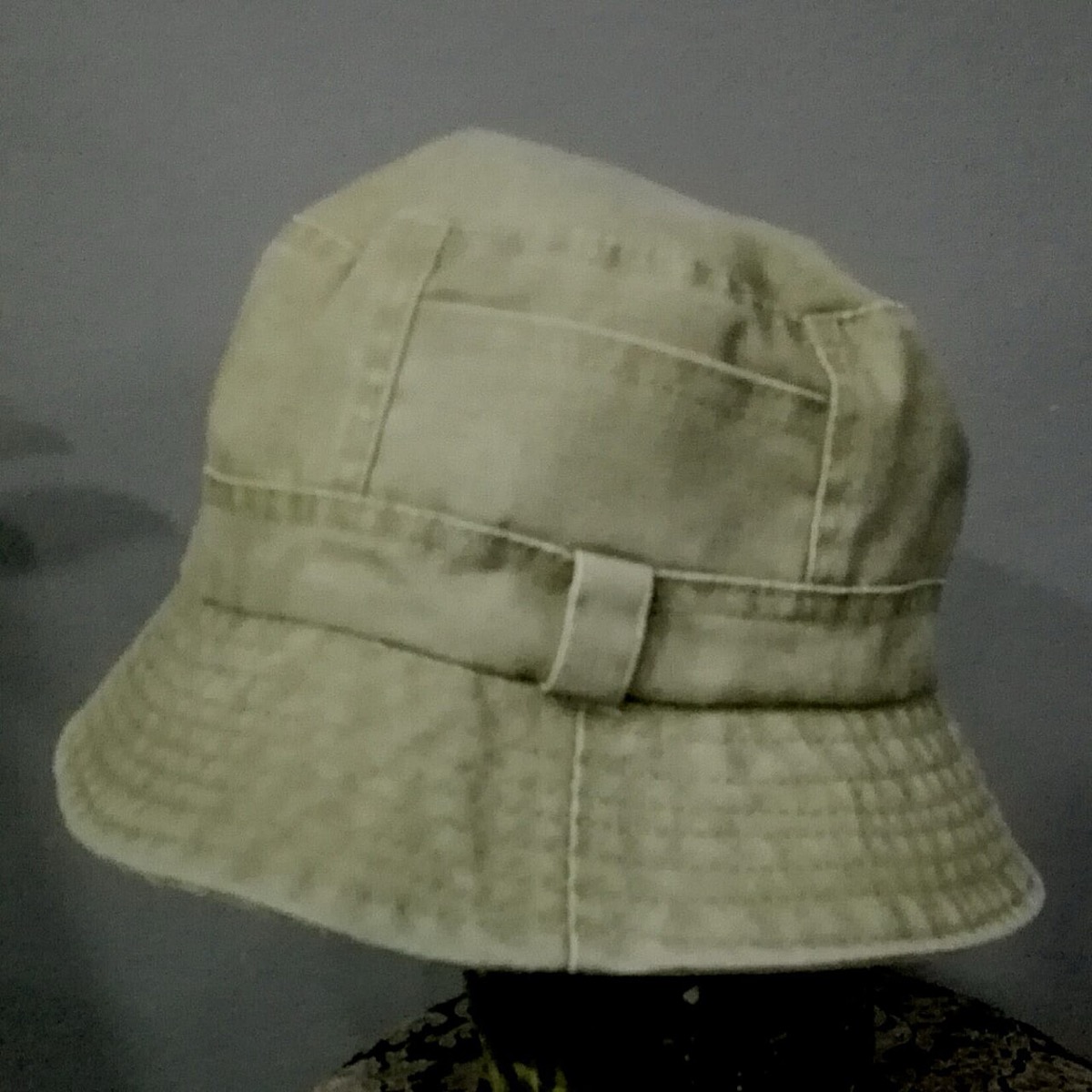
A soft crown, a downward brim you never had to shape, and no wrong way to wear it — the bucket hat was the 1990s street-fashion staple that asked nothing of anyone. Rappers made it cool in the '80s; by the '90s it sat on heads that had never heard of its farm-and-fishing past.