Hollister Co.
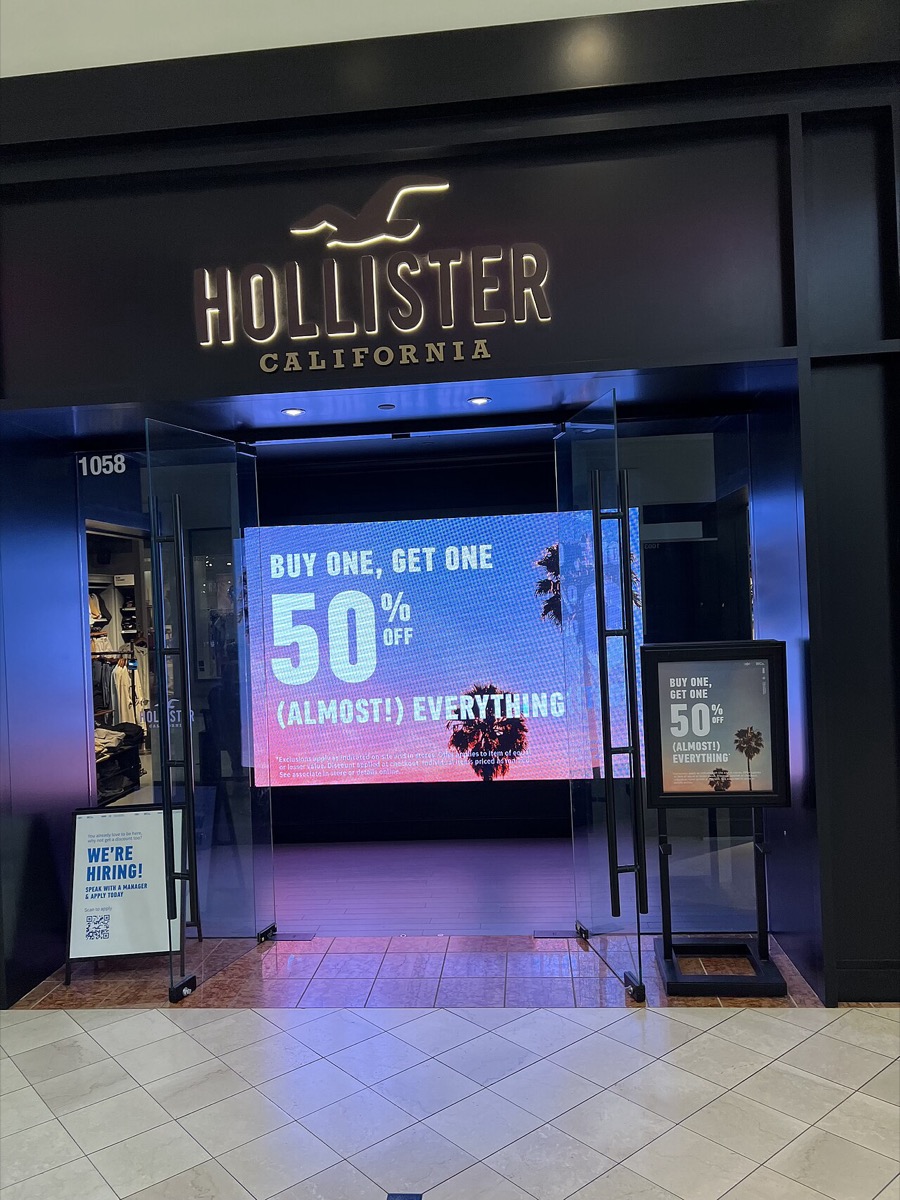
Abercrombie & Fitch's Southern-California-surf-themed spinoff brand, launched in 2000 and aimed at teens. Hollister stores were deliberately dim, cave-like spaces with beachy decor, a seagull logo, and an overwhelming signature cologne. Logo hoodies and tees were a 2000s teen status marker.
Hollister Co. debuted in 2000 as Abercrombie & Fitch's more affordable spinoff brand, targeting a slightly younger demographic than its parent company. The brand was built on a fictional 1922 heritage story set in a small California beach town — complete with a nostalgic, sun-bleached aesthetic that had nothing to do with the brand's actual corporate origins. This manufactured nostalgia was integral to the marketing; every store was designed to feel like a ramshackle beachside shack, dimly lit and packed with weathered surfboards, vintage photographs, and neon signage.
The in-store experience was highly choreographed. The lighting was intentionally dim and cave-like, creating an exclusive, intimate atmosphere. A signature scent — often described as a strong cologne — was pumped through the stores so aggressively that customers could smell Hollister from down the mall corridor. The music was loud, the aesthetic was aggressively casual California, and the merchandise was remarkably focused: graphic t-shirts, hoodies with the seagull logo, cargo shorts, and distressed jeans. The brand created a lifestyle fantasy for teenagers who wanted to feel like they belonged to a cool, laid-back surfing culture, regardless of whether they lived near an ocean.
By the mid-2000s, Hollister had become ubiquitous in American malls, a definitive marker of 2000s teen fashion. Wearing a Hollister hoodie signaled social status and taste, at least within the mall ecosystem. The brand's influence peaked around 2006–2008, when the preppy-meets-surfer aesthetic dominated teen culture. However, as fashion shifted and fast-fashion retailers like H&M and Forever 21 emerged, Hollister's grip weakened. The stores became less of a destination and more of a relic of a specific moment in 2000s consumer culture. Many locations closed or downsized after the financial crisis of 2008 and the subsequent shift toward online shopping and away from mall-dependent retail.
Similar items
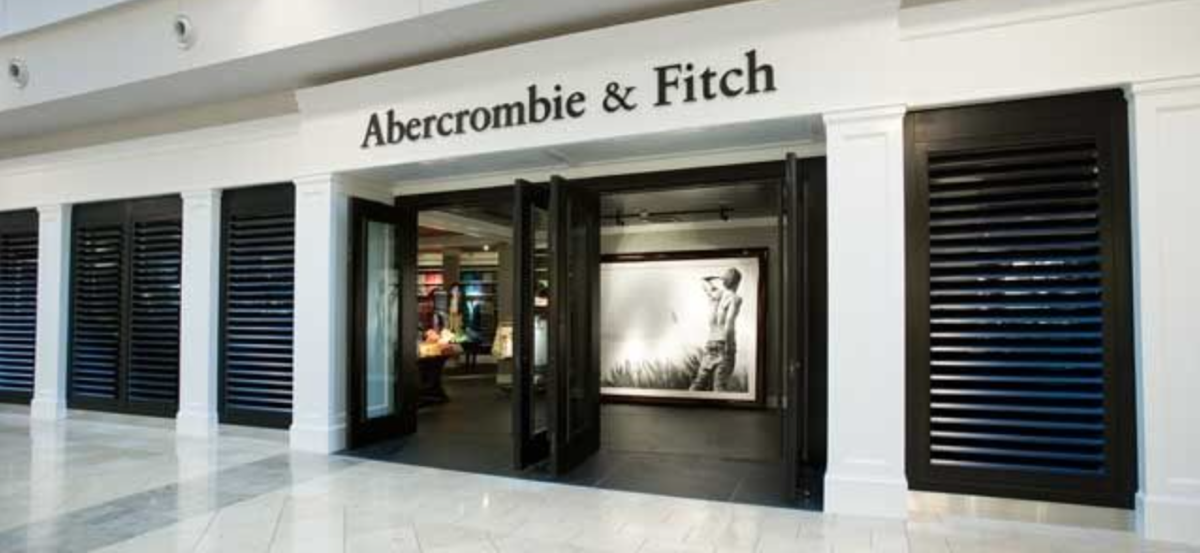
Abercrombie & Fitch
The dim-lit mall temple with impossibly loud music, a signature cologne so thick it hit you at thirty paces, and shopping bags plastered with shirtless male models. The Abercrombie & Fitch moose logo on polos and tees became a middle-school currency of cool in the 2000s. Wearing it meant you had money, taste, or both—or at least that's what everyone pretended to think. The brand launched its spinoff, Hollister, in 2000, spreading the gospel even wider.
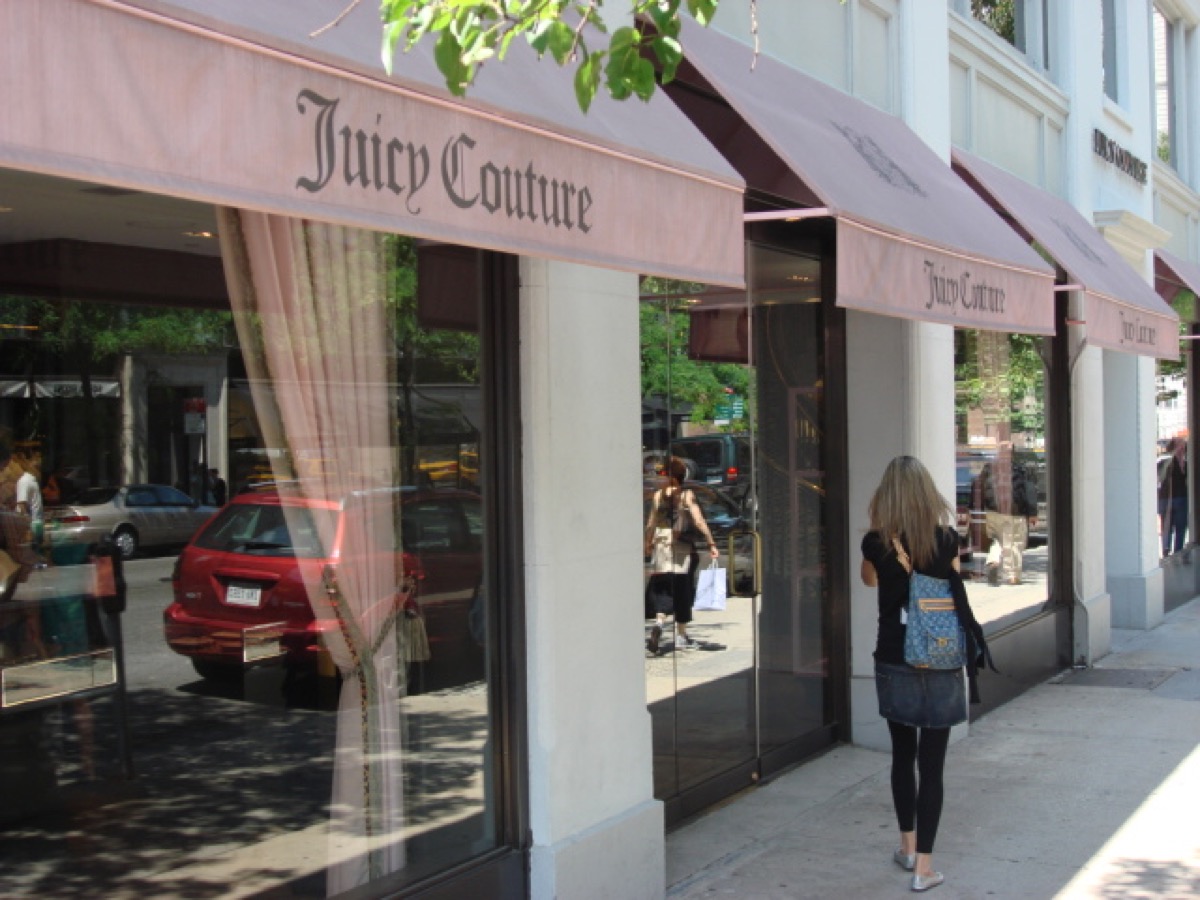
Juicy Couture Tracksuits
Matching velour or terrycloth tracksuits — zip hoodie and low-rise pants, often with "JUICY" emblazoned across the back — that screamed early-2000s louder than any other garment. Worn by celebrities like Paris Hilton and Jennifer Lopez, the Juicy tracksuit was the status symbol of the mall, equal parts comfort and conspicuous consumption.
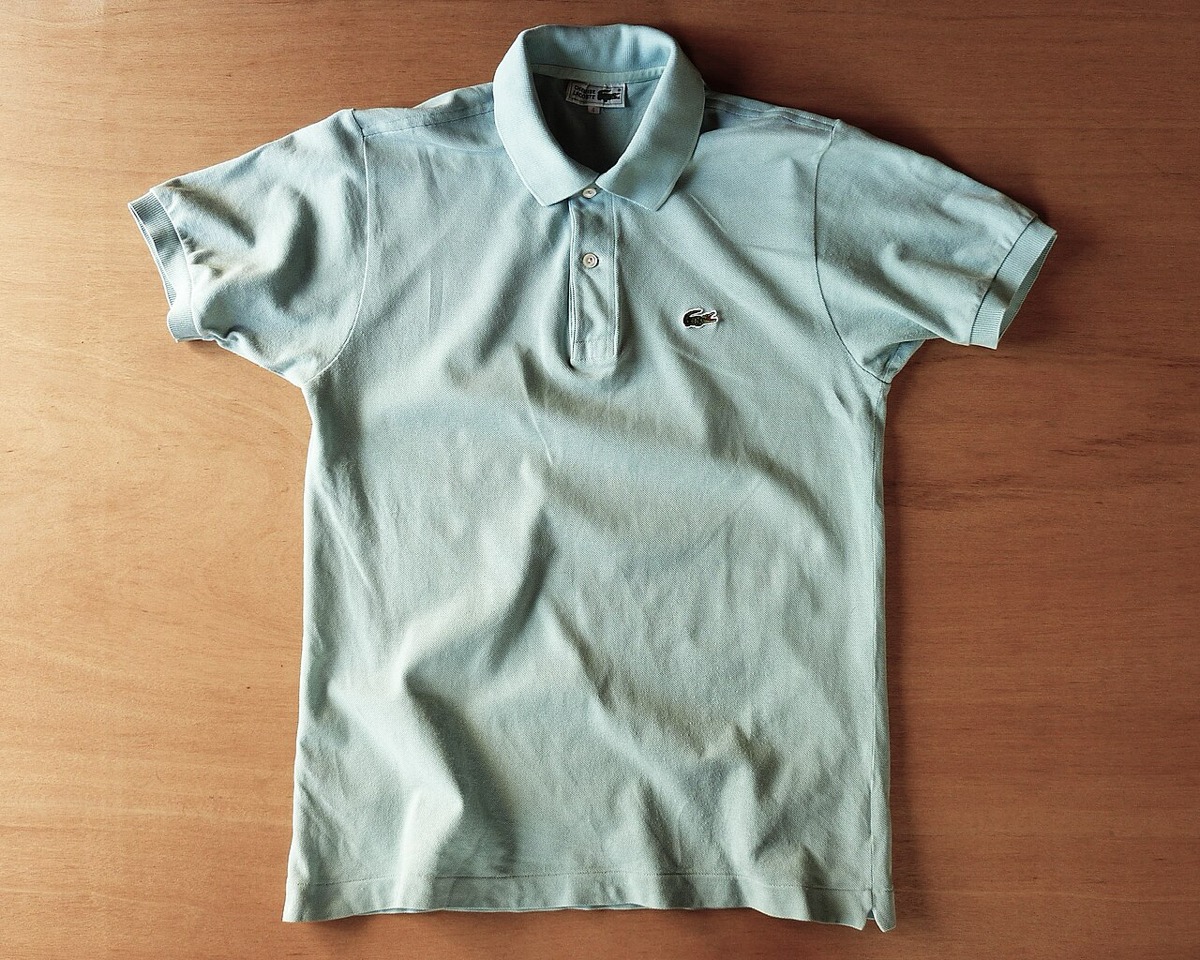
Popped Collars
Collar up. Sometimes two collars up, on two polos at once. The mid-2000s ritual that turned a tennis sun-shield into the international symbol of mall prep — and then, almost as fast, into a punchline.

Aéropostale
The mall-hierarchy middle class: not as expensive as Abercrombie, not as beachy as Hollister, and absolutely everywhere on 2000s middle-school bodies. If your hoodie said AERO in fat letters across the chest, you were dressed.