G-Shock & Baby-G Watches

Casio's G-Shock (first released in 1983) was the chunky, rugged, shock-resistant digital watch built to survive drops and abuse. The smaller, more colorful Baby-G line (launched 1994) targeted a younger audience and helped make the watches a 1990s fashion staple—big plastic bodies, digital displays, and durability marketing turned them into schoolyard status accessories.
G-Shock watches arrived as a utilitarian tool for toughness, marketed to construction workers and extreme-sports athletes, but their bold design and industrial aesthetic eventually attracted a broader audience. By the mid-1990s, when Baby-G (launched in 1994) added pastel colors and a smaller profile for a younger demographic, the line transformed from utility gear into a genuine fashion accessory.
Through the 1990s, wearing a G-Shock or Baby-G became a way to signal toughness, individuality, and taste—the watches were affordable enough that kids could collect multiple colors, yet distinctive enough to feel special. Decades later, G-Shock remains in production and is still recognized as an icon of 90s youth culture.
Similar items
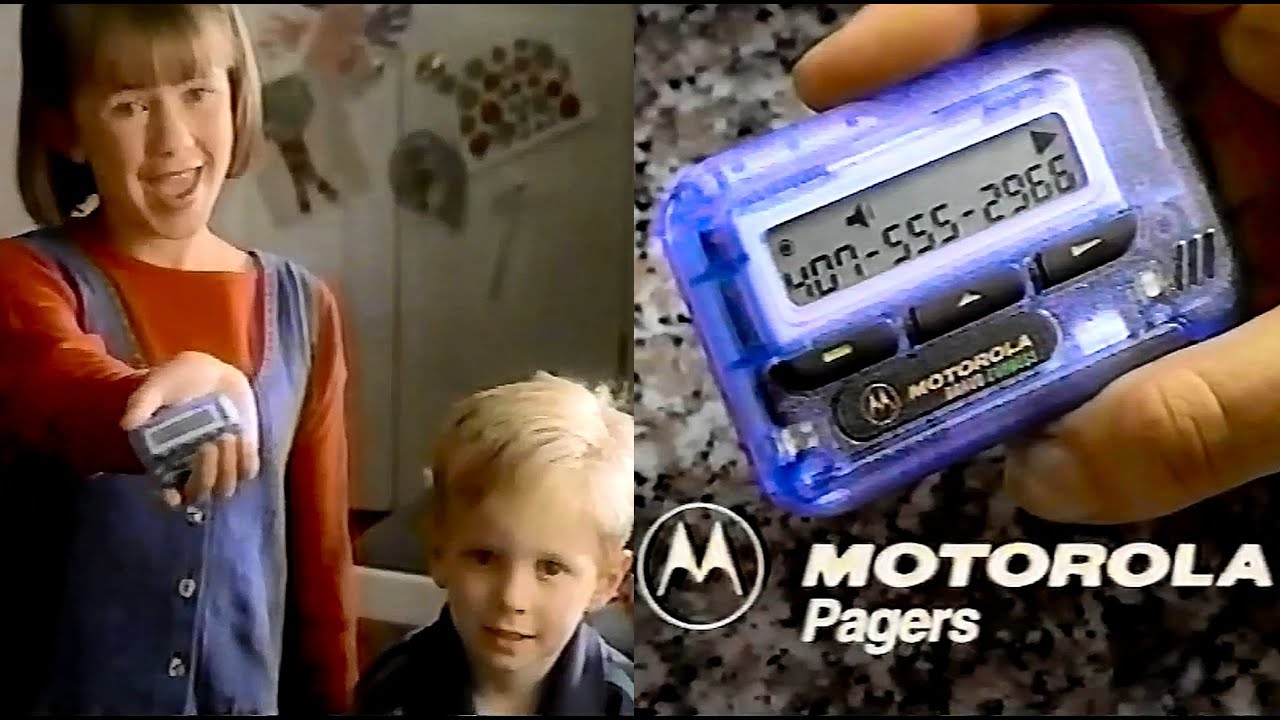
Pagers (Beepers)
The numeric pager that showed callback numbers and cryptic codes: 143 meant 'I love you,' 911 meant call me NOW, 411 was gossip time. Clipped to your waistband, getting beeped meant hunting for a payphone with a quarter—and by 1994, 61 million pagers were in use, with Motorola owning roughly 80% of the market.

Jelly Bracelets
Thin, neon plastic hoops that came in every color imaginable and were stacked up the arm like jewelry—the fashion accessory that cost almost nothing and became trading currency on every playground. Sparked by Madonna's 1980s stacked-arm look, they dominated the early 80s and stayed essential into the 90s, cheap enough to lose constantly and buy again without guilt.
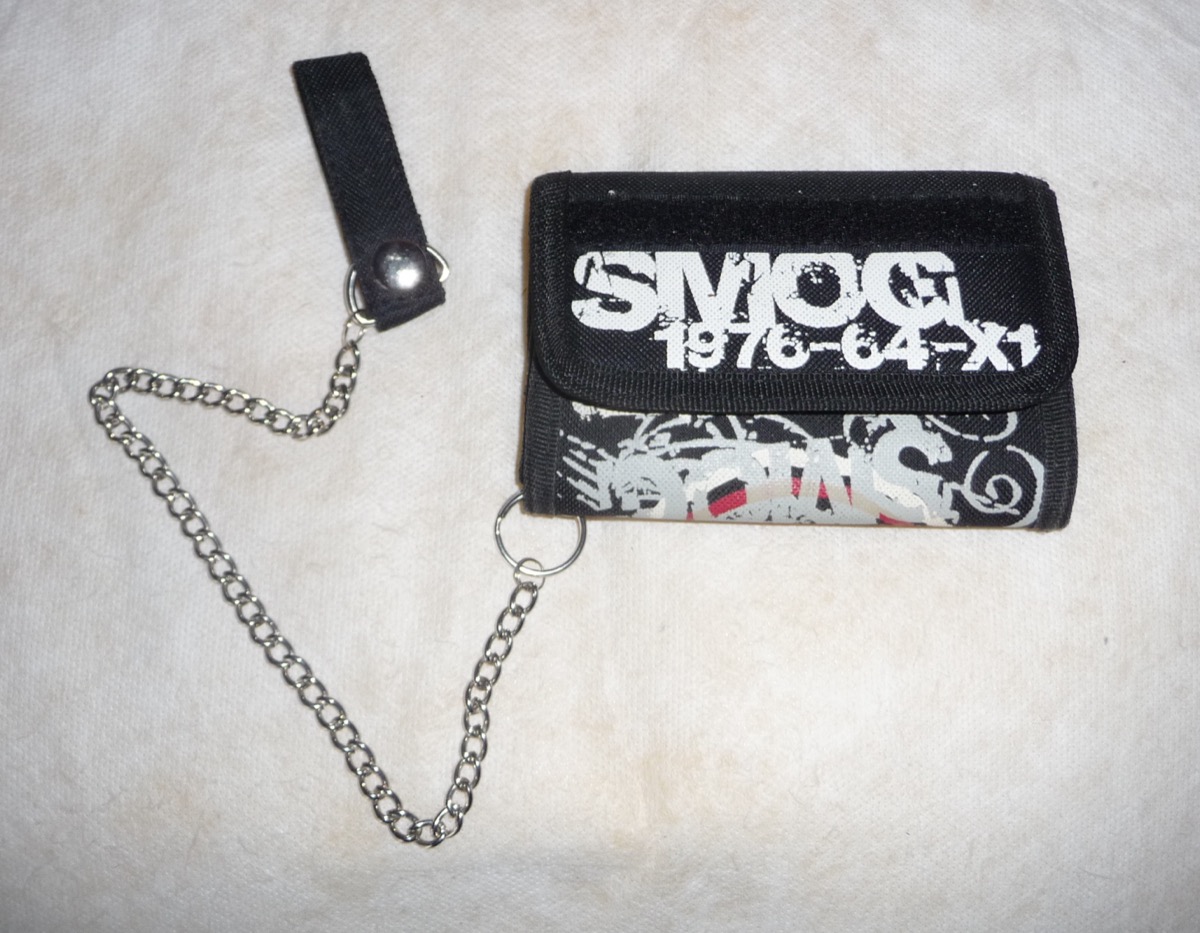
Chain Wallets
A metal chain connecting your trifold wallet to your belt loop—the ultimate 90s mall accessory that nobody actually needed for security but everyone desperately wanted anyway. Biker chic meets suburban shopping mall.
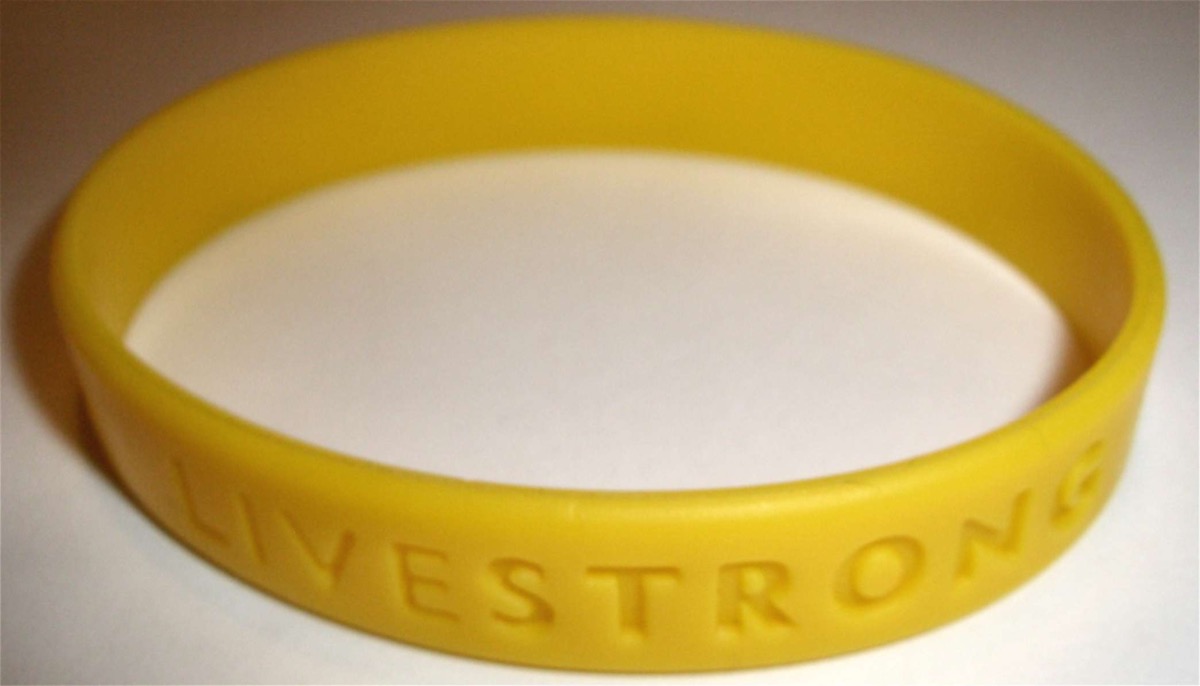
Livestrong Bands
The yellow silicone gel wristband launched in 2004 by the Lance Armstrong Foundation with Nike, sold for $1 to support people affected by cancer. Tens of millions sold, and it ignited the entire cause-awareness rubber-bracelet craze—soon every color stood for a different charity, and everyone stacked them on their wrists like a visible moral portfolio.