Mood Rings
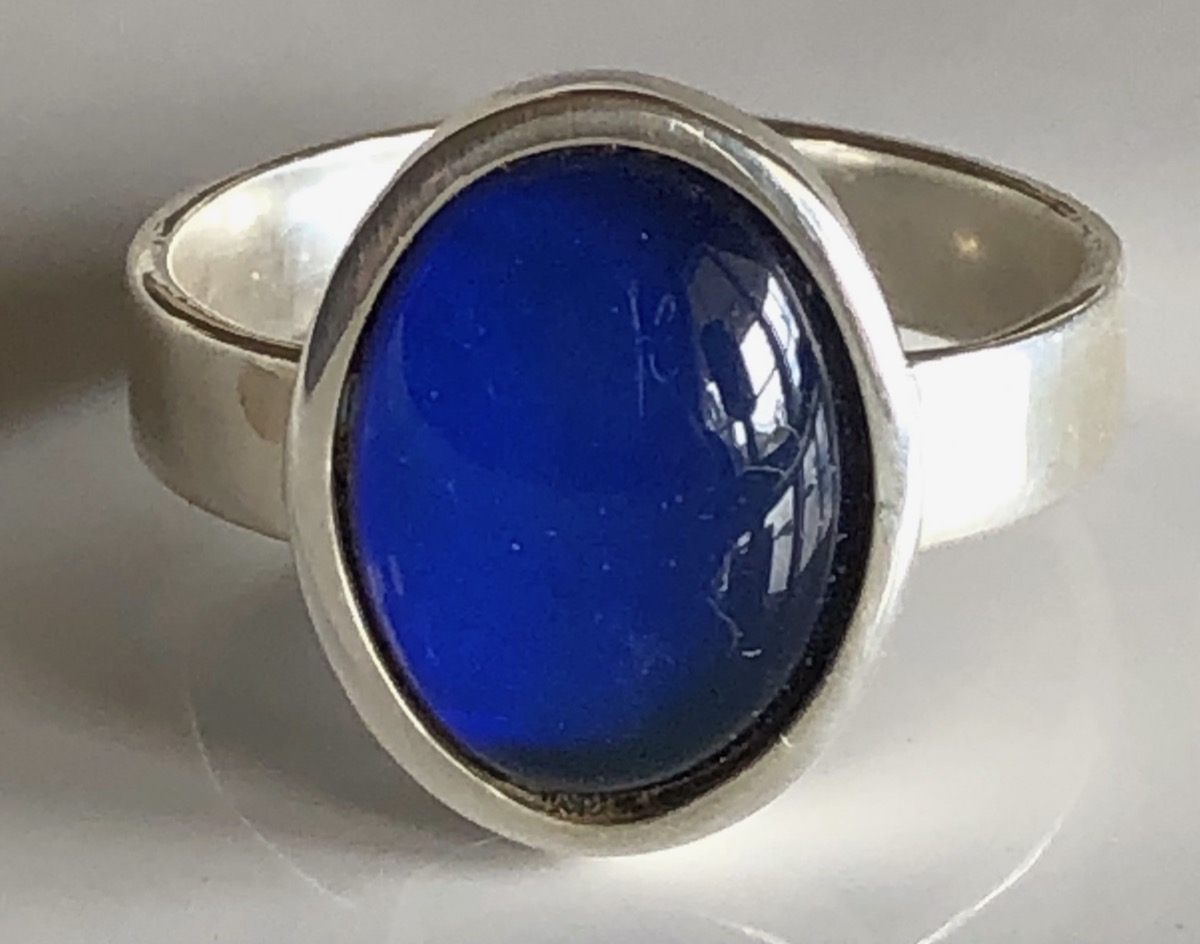
Photo credit: Photo: Moodman001, CC BY-SA 4.0, via Wikimedia Commons
A thermochromic crystal that supposedly read your emotions—blue meant calm, black meant stressed—except it mostly just measured how cold your hands were. The stone changed color with finger temperature, not feelings, but that didn't stop every kid from testing one against its color chart and knowing, deep down, it was a scam.
The mood ring was invented in the mid-1970s, though credit is disputed between jeweler Marvin Wernick and the duo Joshua Reynolds and Maris Ambats, who marketed it as a biofeedback tool. The original 1975 fad hit a reported $15 million in sales before collapsing. The thermochromic liquid crystal inside shifts color based on blood flow and finger temperature, and the color-to-mood associations (blue = calm, black = stressed) were never standardized between manufacturers, making the whole thing effectively a temperature gauge.
The 1990s brought a documented revival: a 1991 Chicago Tribune report described young entrepreneurs selling 100,000 rings in under three months, with Walt Disney World among the buyers. The nostalgic allure of a fake emotion-reader proved irresistible to 90s kids, and mood rings became a playground essential—even though everyone knew the truth.
Similar items
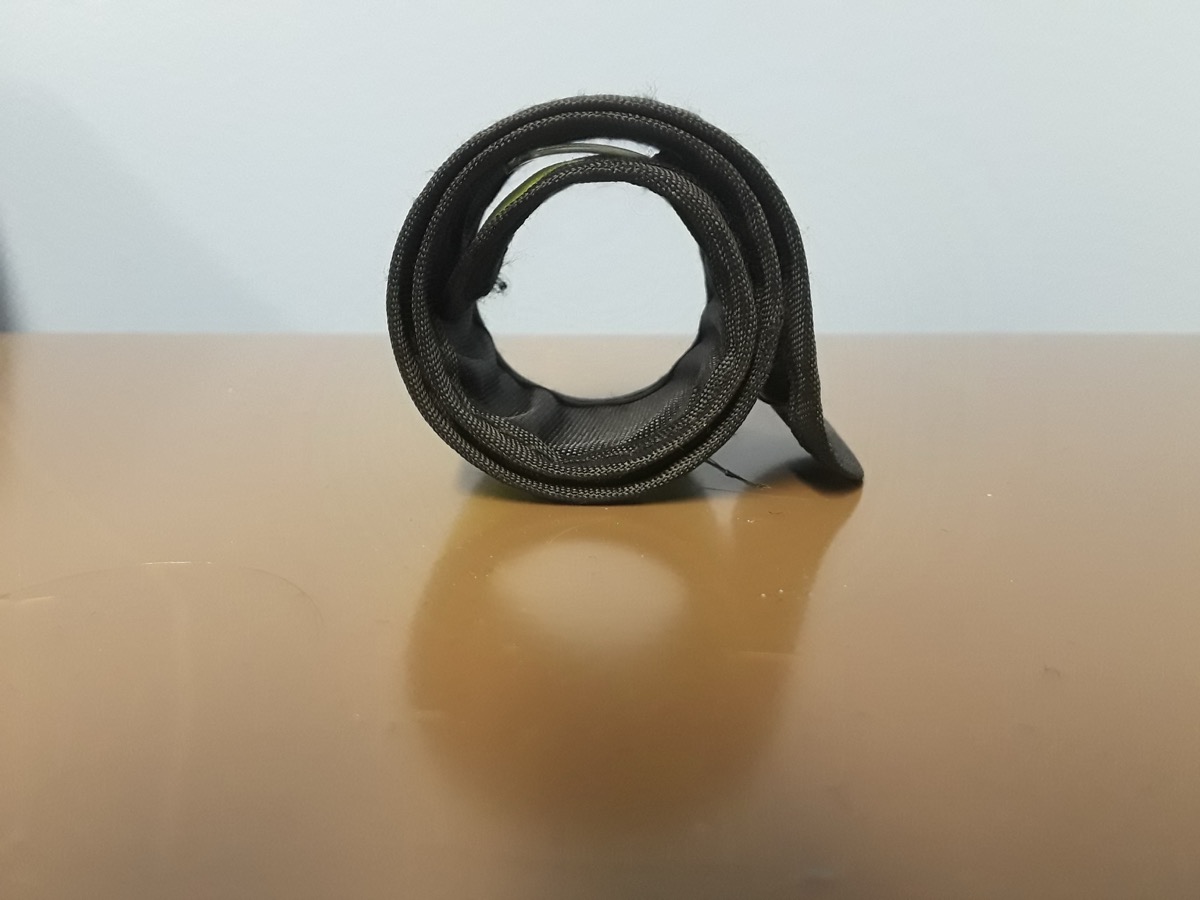
Slap Bracelets
A spring-steel band in a fabric sleeve that snapped flat around your wrist when slapped on — equal parts accessory and weapon. Stuart Anders's invention became a summer craze that vanished just as fast when cheap knockoffs cut kids' wrists and schools banned them outright.

Tattoo Chokers
The tight, lace-patterned plastic necklace that mimicked a hand-drawn tattoo band—one size fits all, no clasp, just stretch it over your head and let it snap snug. Worn by Kate Moss, Drew Barrymore, Gwen Stefani, and every kid with an allowance, the choker's actual origin is lost to history, and it simply appeared everywhere at once.
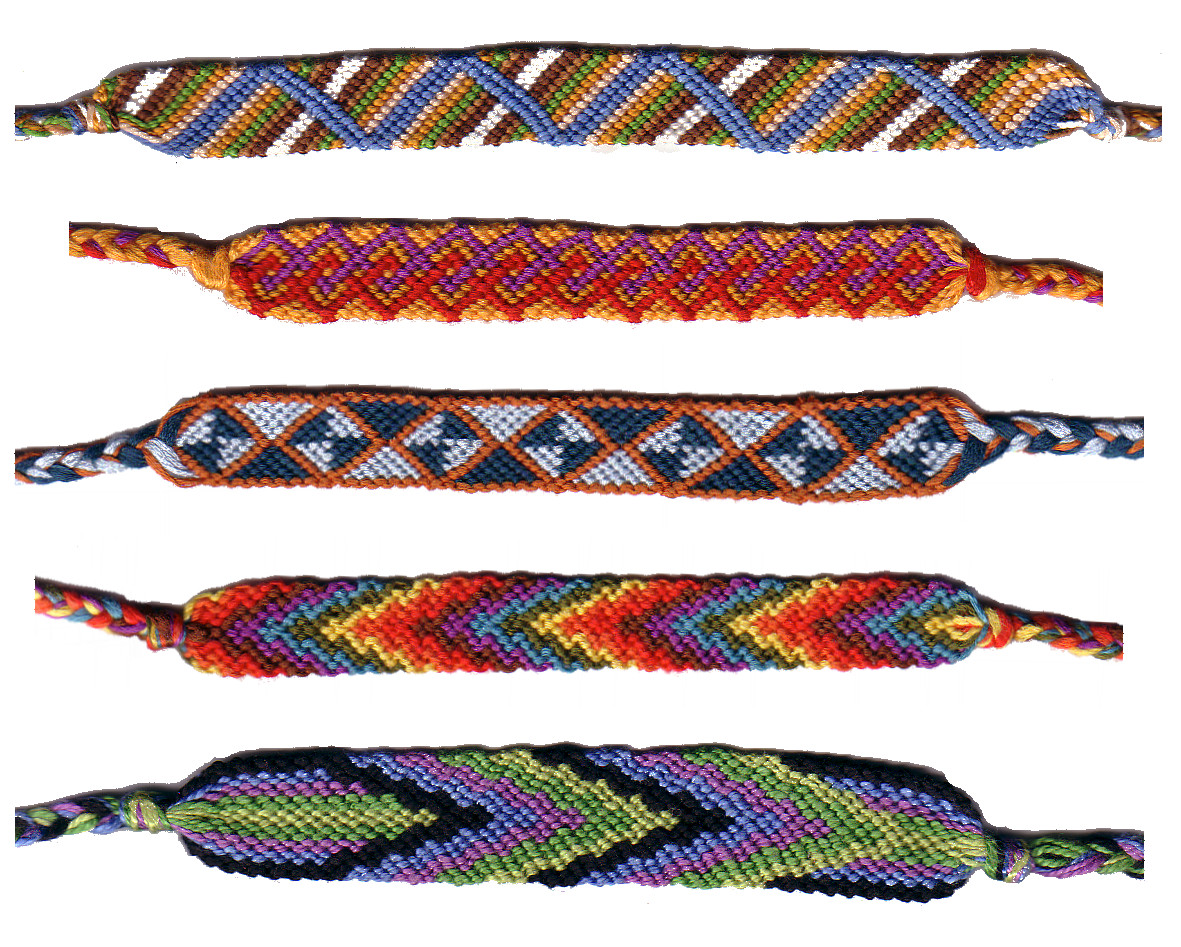
Friendship bracelets
Embroidery floss, a safety pin through your jeans, and forty minutes of tiny knots: the candy-stripe band you made at camp or recess and tied onto a friend's wrist for keeps. The rules were sacred — they make a wish, and it comes true only when the bracelet finally falls off on its own.
![Video thumbnail — MY GIRL [1991] - Official Trailer (HD)](https://i.ytimg.com/vi/KSyKO0Lklmo/maxresdefault.jpg)
My Girl
A coming-of-age story set in a funeral home, anchored by Anna Chlumsky's Vada and Macaulay Culkin fresh off Home Alone — and then the bee scene happened. For a generation of kids, this was the sleepover movie that taught them movies could break your heart.