Scrunchies
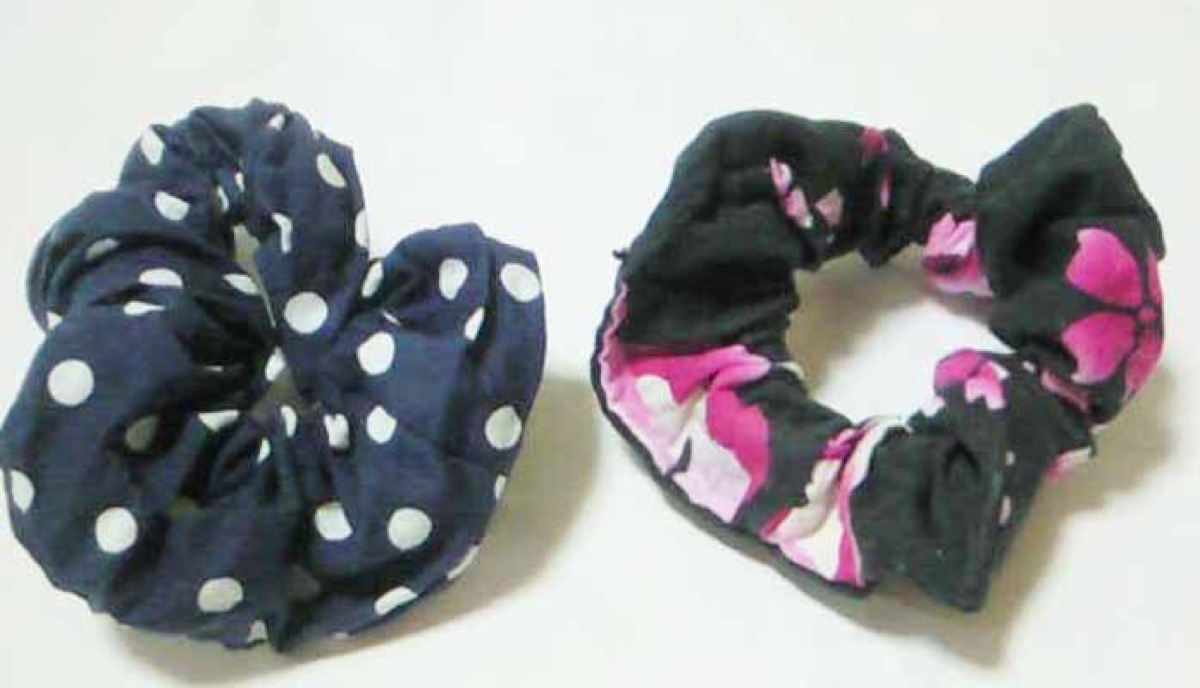
Photo credit: Photo: via Wikimedia Commons (Public domain)
The elastic hair tie wrapped in fabric that came in every color, pattern, and fabric texture imaginable — velvet, neon, holographic, gingham. Patented by Rommy Revson in 1987 and sold as Scünci, scrunchies were the ubiquitous hair staple that defined how an entire generation held up their ponytails and side-swept bangs.
Rommy Revson patented the scrunchie in 1987 — a simple but revolutionary innovation that wrapped an elastic band in a tube of fabric, protecting hair from breakage while looking infinitely better than a bare rubber band. Sold under the brand Scünci, the product launched into a market that hadn't known it needed this. By the late 1980s, scrunchies became the default hair tie, available in department stores, drugstores, and mall kiosks in an endless parade of colors and fabrics.
The 1990s were scrunchie's golden era. Worn around the wrist, in the hair, clipped to backpacks — they were ubiquitous enough that losing one felt like losing a penny, inconsequential, yet somehow you always needed another. Velvet scrunchies, holographic scrunchies, scrunchies with beads or jewels, solid colors, stripes, neon — the variety was infinite and each kid assembled a personal collection as a small expression of identity. By decade's end, the scrunchie had become so normalized that its revolutionary nature disappeared entirely.
Similar items

Tattoo Chokers
The tight, lace-patterned plastic necklace that mimicked a hand-drawn tattoo band—one size fits all, no clasp, just stretch it over your head and let it snap snug. Worn by Kate Moss, Drew Barrymore, Gwen Stefani, and every kid with an allowance, the choker's actual origin is lost to history, and it simply appeared everywhere at once.
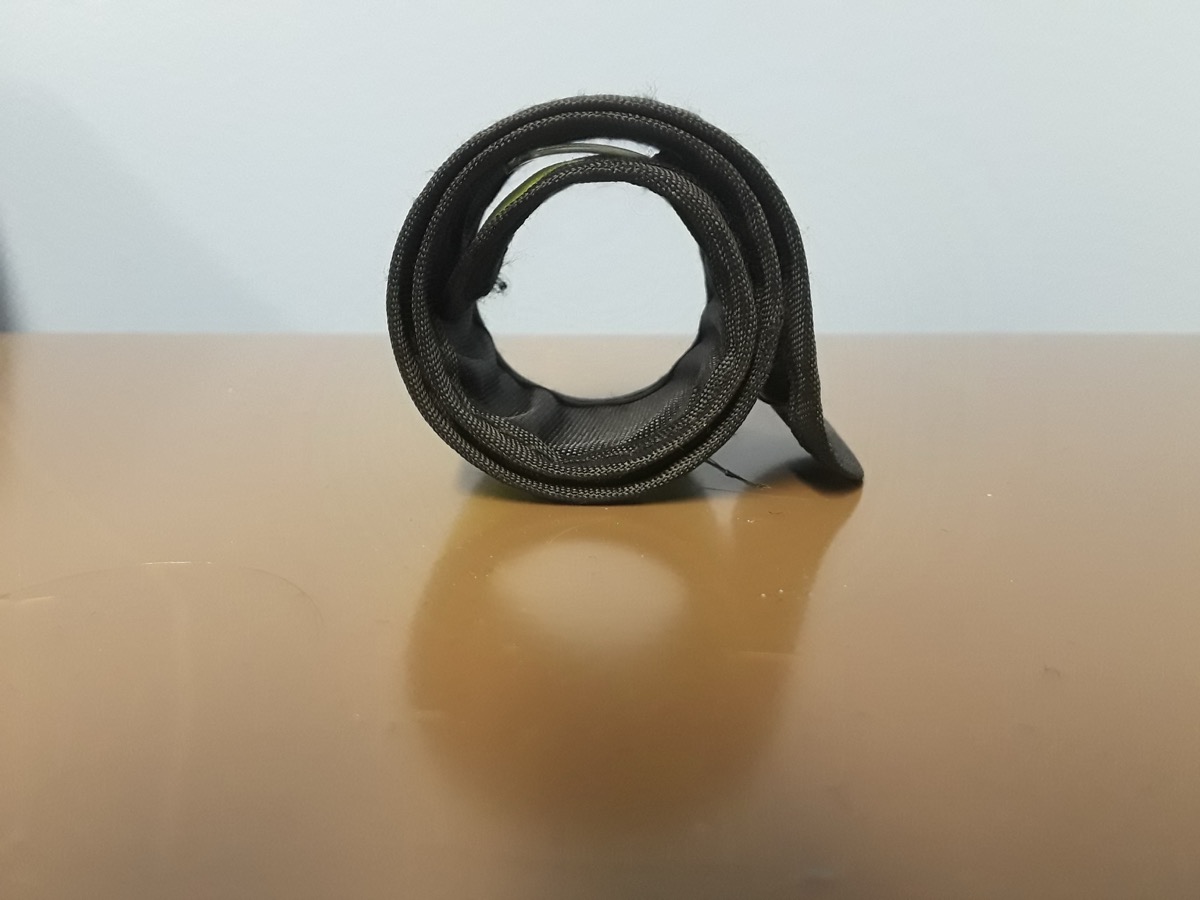
Slap Bracelets
A spring-steel band in a fabric sleeve that snapped flat around your wrist when slapped on — equal parts accessory and weapon. Stuart Anders's invention became a summer craze that vanished just as fast when cheap knockoffs cut kids' wrists and schools banned them outright.

Lisa Frank
Neon-rainbow folders, stickers, and binders plastered with dolphins, unicorns, and technicolor leopards—the aesthetic that defined every 90s classroom. Lisa Frank's maximalist explosion of color became a status symbol and a collecting obsession that grossed over $60 million a year at its peak.

The Rachel (haircut)
The bouncy, choppy, face-framing layered cut Jennifer Aniston wore on Friends became the most requested haircut in America — photos of Rachel Green handed across a million salon counters. The punchline: Aniston herself hated it, and almost nobody else's version behaved like the one on TV.