Heelys

Sneakers with a hidden wheel in the heel that made kids feel like they were gliding through the mall in ways shoes were never meant to allow. Schools banned them almost as fast as they sold, malls put up 'no Heelys' signs, and the fad burned from the early 2000s to its 2006–07 peak before the cool factor evaporated.
Heelys debuted in 2000 as sneakers with a removable wheel built into the heel, designed to let kids 'heel' through hallways and malls with the illusion of effortless gliding. The appeal transcended normal shoe boundaries—it wasn't just footwear, it was a skill, a statement, a way to move through space that felt like cheating physics. Kids appeared at grocery stores, malls, and school hallways rolling on their heels, and the reaction was immediate: schools issued bans, malls posted signs, and retailers couldn't keep them in stock. Parents either loved or hated them; their children were absolutely obsessed.
The fad rode a wave of 2000s optimism and disposable income. The company went public in 2006 near the absolute peak of the craze, but by decade's end, the cultural moment had passed. The wheels-in-heels novelty faded as kids aged out and fashion moved on, though Heelys persist as a niche product and occasional retail comeback. The 2000s Heelys era remains frozen as a perfect snapshot of playground culture at its most optimistic and anarchic.
Similar items

Razor Scooters
The folding aluminum kick scooter that showed up in 2000 and sold millions before parents and shin guards became mandatory equipment. Named Spring/Summer Toy of the Year in 2000, Razor Scooters were on every driveway and schoolyard by 2001 — until suddenly they weren't, and the brand settled into a comfortable half-life of summer rentals and nostalgia.
Moon Shoes
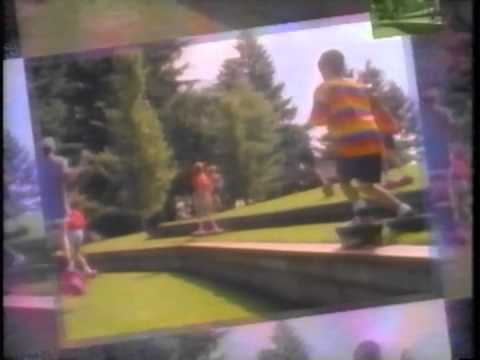
Springy platforms strapped to your shoes that promised to make you bounce like an astronaut on the moon. The concept was ancient—1950s 'satellite jumping shoes' started it all—but the neon plastic 1990s version, constantly advertised on kids' TV and backed by pure fantasy, became a playground staple. Execution never quite matched the hype, but that never stopped anyone from trying.

RipStik
A skateboard with no push-off: two pivoting platforms, one caster wheel under each, propelled entirely by wiggling your hips. The RipStik was the cul-de-sac holy grail of the late 2000s — impossible-feeling at first, and the kids who mastered it became local legends. Skateboard purists called it cheating; everyone else called it the future.
Rollerblading
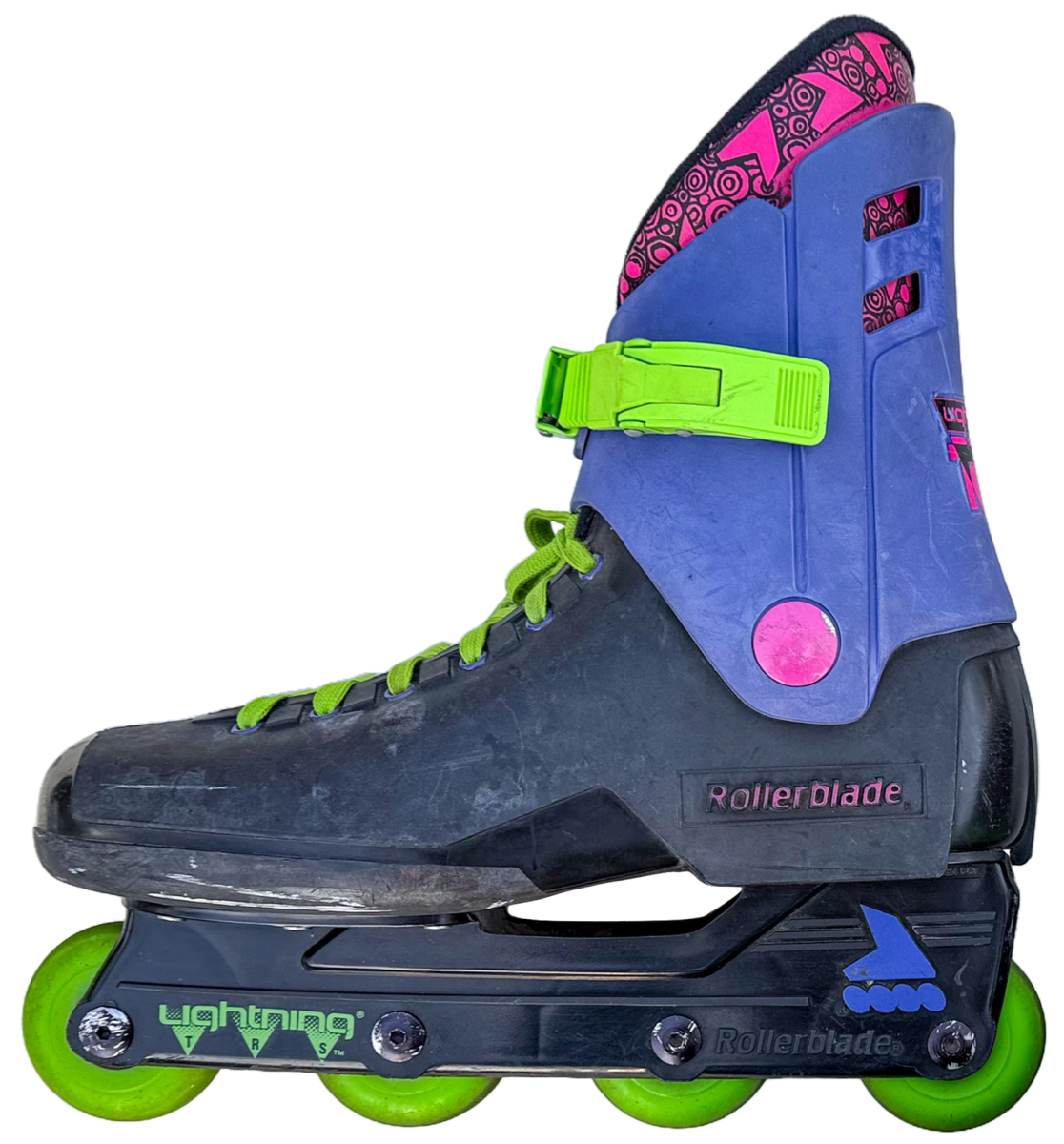
Knee pads, wrist guards, a helmet your mom insisted on, and a driveway full of wobble: for one long decade, America put its shoes on wheels. Rollerblading was the '90s outdoor craze — a brand name that swallowed an entire sport.