Uggs
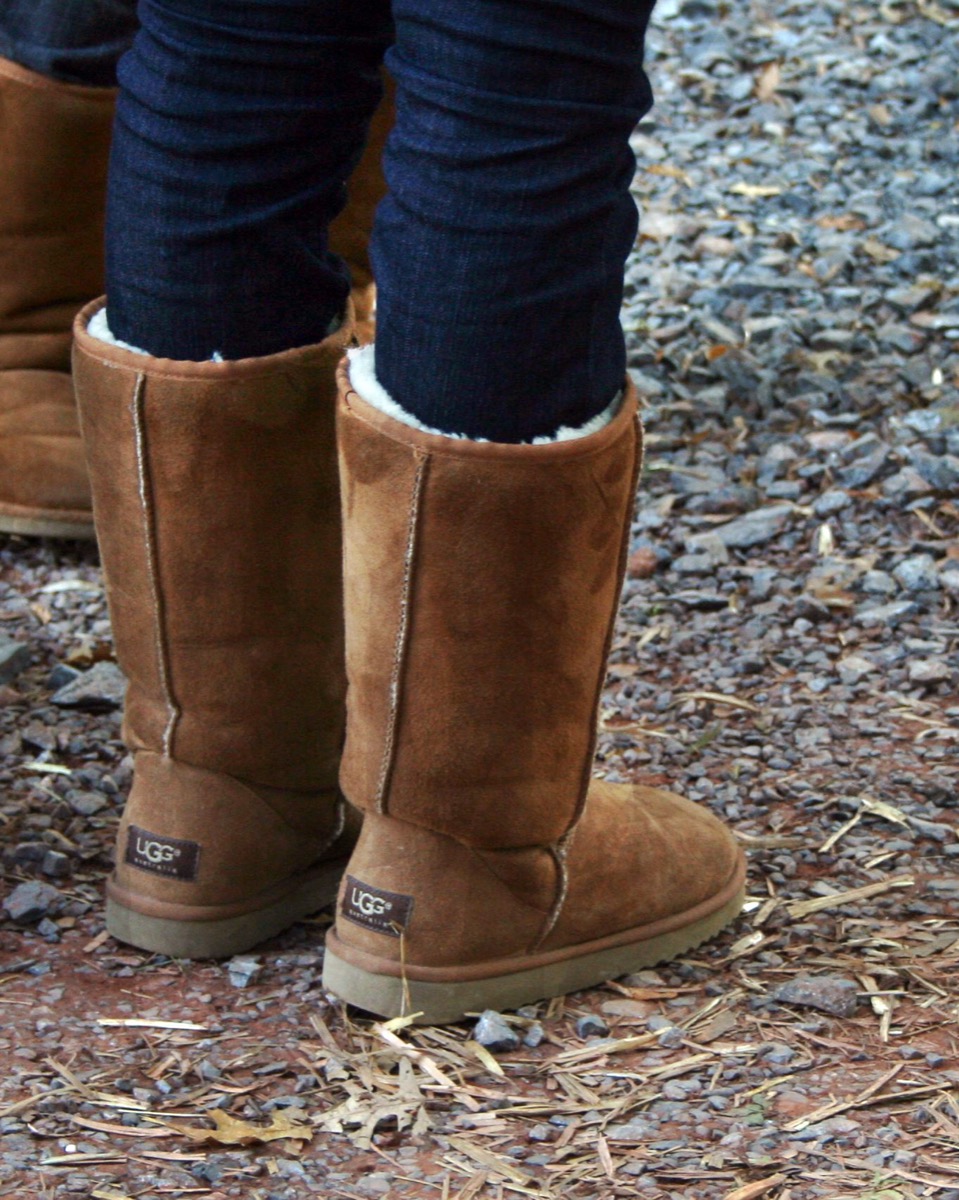
Photo credit: Photo: TexasDex, CC BY-SA 3.0, via Wikimedia Commons
Sheepskin boots that conquered the world: the UGG brand exploded into a mid-2000s craze, worn year-round by celebrities and mall crowds alike. Paired with miniskirts in winter, sweatpants in summer, or tucked under jeans any season — comfort trumped couture, and comfort won.
The UGG brand is Australian in origin, but it was Deckers' US distribution and the celebrity sightings of the early-to-mid 2000s that turned sheepskin boots into a cultural juggernaut. An Oprah's Favorite Things endorsement turbocharged the trend; suddenly, Uggs were the de facto casual footwear for anyone wanting plush comfort and a certain aspirational ease.
Worn with everything from miniskirts (and exposed legs — no logic required) to sweatpants to skinny jeans, Uggs became the defining shoe of 2000s casual culture. The style persisted, though the craze's fever pitch cooled by the early 2010s, leaving behind a legacy of comfort-first fashion and a footwear category that never went away.
Similar items
Tattoo Chokers
The tight, lace-patterned plastic necklace that mimicked a hand-drawn tattoo band—one size fits all, no clasp, just stretch it over your head and let it snap snug. Worn by Kate Moss, Drew Barrymore, Gwen Stefani, and every kid with an allowance, the choker's actual origin is lost to history, and it simply appeared everywhere at once.
Crocs
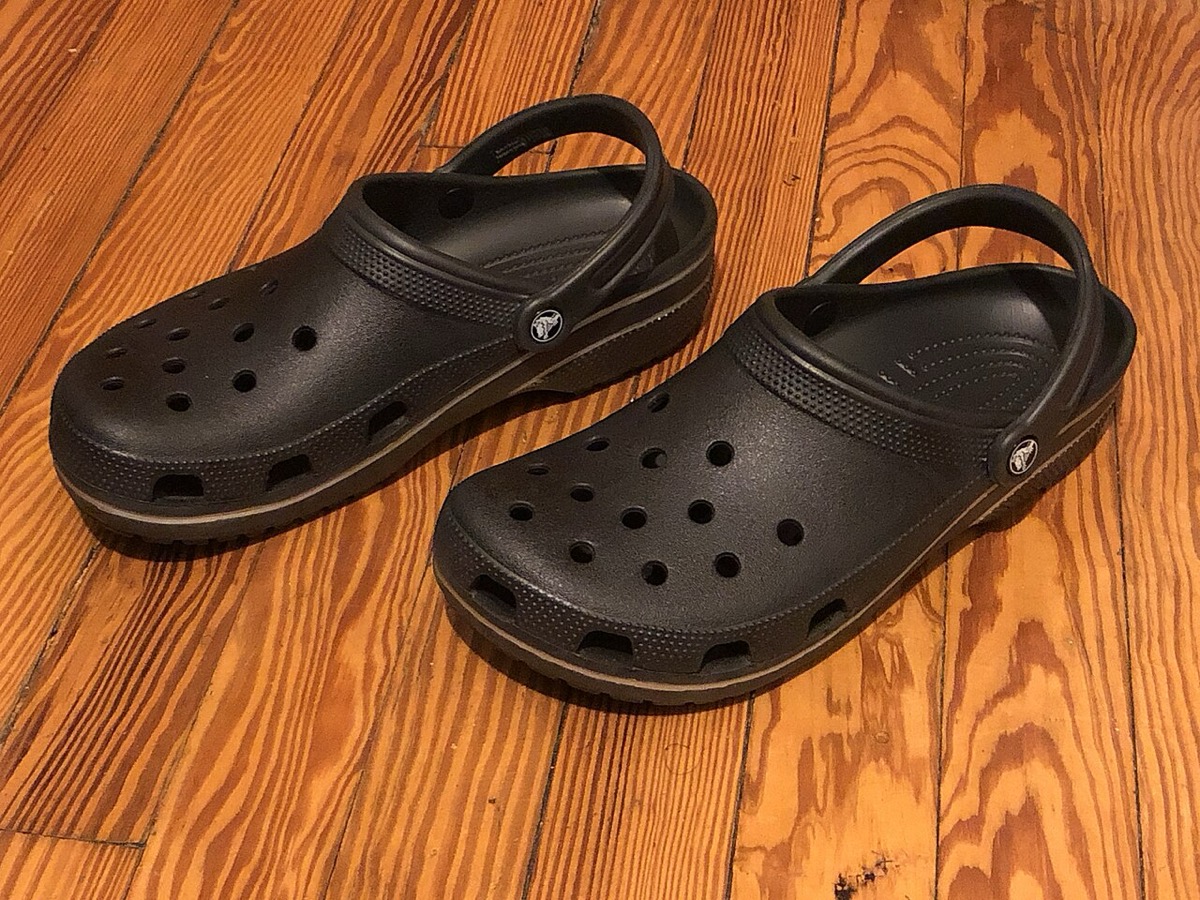
Foam clogs with signature ventilation holes and a pivoting heel strap, born on the water but conquered the streets. Crocs became a 2000s icon — beloved for their squishy comfort, mercilessly mocked for their appearance, and customizable with Jibbitz charms that clipped into the holes.

Doc Martens
The boot that went from factory floor to grunge icon. Doc Martens weren't invented in the 90s — they'd been stomping around since 1960 — but that's the decade scuffed Docs under flannel became THE youth uniform, the visual shorthand for alt culture. Breaking them in felt like a rite of passage.
Bucket Hats
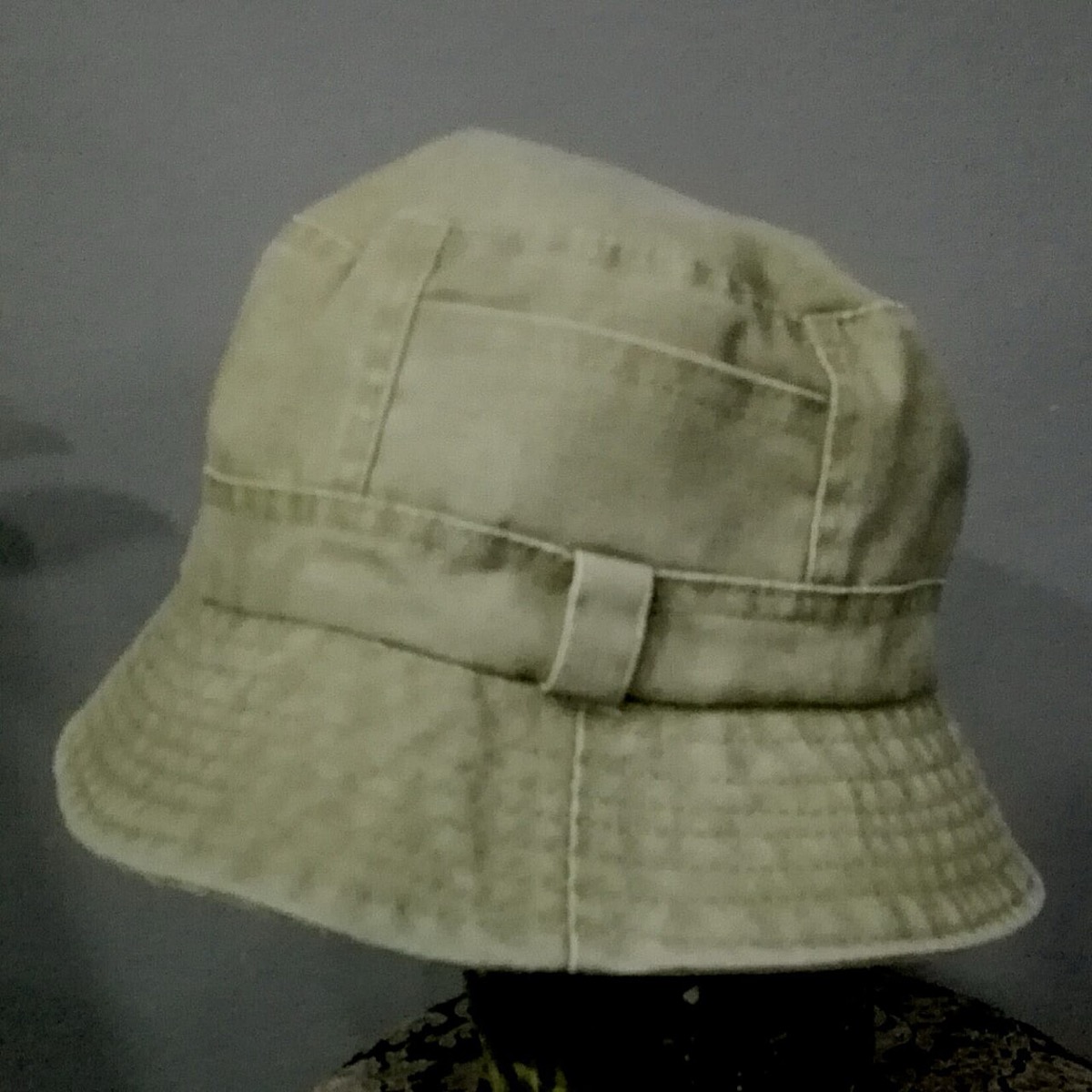
A soft crown, a downward brim you never had to shape, and no wrong way to wear it — the bucket hat was the 1990s street-fashion staple that asked nothing of anyone. Rappers made it cool in the '80s; by the '90s it sat on heads that had never heard of its farm-and-fishing past.