The North Face Jackets
Expedition outerwear became high-school currency. The North Face started as a mountaineer's brand and somehow became the cold-weather uniform that separated the haves from the have-nots—a puffy jacket and fleece that climbed from base camp to your hallway.
Douglas and Susie Tompkins opened the first The North Face store on October 26, 1966, at 308 Columbus Avenue in San Francisco. The Grateful Dead played the opening. The couple began as mail-order and retail merchants selling climbing and camping gear—technical equipment for serious outdoor enthusiasts. The logo, drawn from Half Dome, the dramatic granite formation rising more than 8,700 feet above sea level in Yosemite, became the symbol of a brand rooted in the Sierra Nevada.
Equipment made for mountains and glaciers didn't stay confined to mountaineers. The Denali fleece, born with the brand's 1988 Expedition System and worn on serious high-altitude climbs, crossed into casual wear. The Nuptse puffer—named for a peak beside Mount Everest—followed in 1992 as part of that same expedition layering line, then evolved into something unexpected. The 1996 version became so iconic that the company still re-releases it today under the name "1996 Retro Nuptse," nearly three decades later.
By the late 1990s, The North Face had expanded far beyond the outdoor-gear enthusiast. By 1997 the label's buyers already included New York rappers, and the look spread to kids from neighborhoods where you'd never see a real mountain. The puffy Nuptse and the Denali fleece worn over a hoodie migrated from trailhead to school hallway, becoming THE cold-weather status jacket—the one you begged your parents for, the one that marked you in a crowd. In 2000, The North Face was acquired by VF Corporation for $25.4 million, entering corporate ownership but losing none of its street credibility. The half-dome logo never left the hallways, and today the same silhouettes sell as retro re-issues to a new generation of kids—the children of the kids who wore them in 1998.
Similar items
Starter Jackets
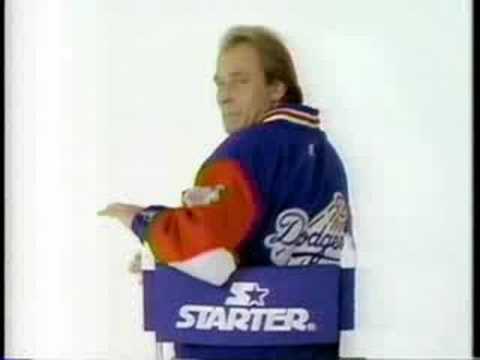
Starter's nylon and satin team jackets were the uniform of 90s cool — oversized windbreakers emblazoned with NBA and NFL team logos that transformed playground basketball courts and city streets into stadiums of style. Starter jackets became so coveted they sparked robberies, making them perhaps the decade's most dangerous fashion statement.

JNCO Jeans
JNCO jeans were the uniform of 90s youth rebellion: outrageously baggy denim with cavernous pockets so deep you could lose a Walkman, decorated with zipper details and an attitude that rejected traditional fit. If you weren't tripping over your cuffs or making those pockets jingle, you weren't dressed for the decade.
Abercrombie & Fitch
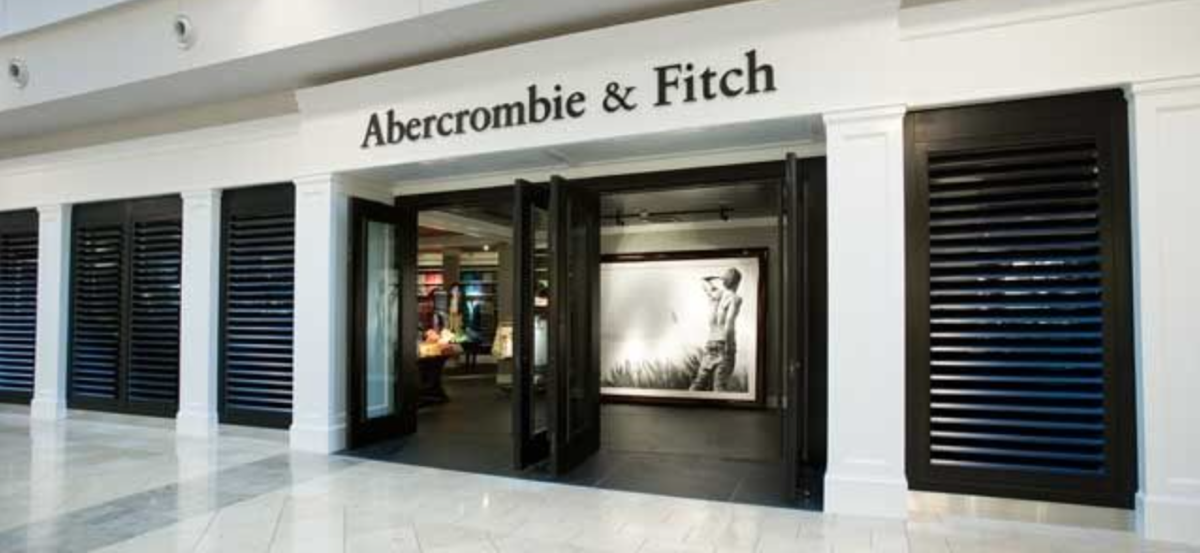
The dim-lit mall temple with impossibly loud music, a signature cologne so thick it hit you at thirty paces, and shopping bags plastered with shirtless male models. The Abercrombie & Fitch moose logo on polos and tees became a middle-school currency of cool in the 2000s. Wearing it meant you had money, taste, or both—or at least that's what everyone pretended to think. The brand launched its spinoff, Hollister, in 2000, spreading the gospel even wider.

AND1
Basketball trash-talk tees that grew into a sneaker empire. AND1 turned playground streetball into ESPN programming, and by 2001 it trailed only Nike in US basketball-shoe market share. If you owned the shirt that said "Pass. Save yourself the embarrassment," you know.