
Airheads
The stretchy, tangy taffy bar in the loud mylar wrapper — Blue Raspberry stained your tongue, and White Mystery was a gamble by design. Fifty cents of pure lunchbox status.
49 items
The stretchy, tangy taffy bar in the loud mylar wrapper — Blue Raspberry stained your tongue, and White Mystery was a gamble by design. Fifty cents of pure lunchbox status.

Hershey's entry into the gummy-bear wars, forever burned into memory by TV commercials of little bears who sang like a choir. For a lot of 90s kids, it was the first gummy bear they ever met.

The gummy ring with the sour-sugar punch — a 1990s candy-aisle staple that came in two main flavors: Trolli's tart green-apple rings and the ubiquitous peach rings. These weren't just chewy gummies; they had that distinctive sanded-sugar coating that made your mouth pucker and kept you coming back. A bagged candy essential for road trips, gas stations, and after-school snacking through the decade.

The peanuts-caramel-nougat log of every checkout lane and Halloween haul — over a century old, with an identity mystery baked into the name. The company swore it honored a president's daughter; everyone else noticed a certain slugger's fame exploding at exactly that moment. No one has ever settled it.

A 2007 candy commercial became a 2021 TikTok explosion. The Little Lad — a grown man in old-fashioned page-boy clothes chanting "berries and cream" with a marionette dance — sat dormant for 14 years before the internet crowned him. The flavor was fine; the ad is immortal.
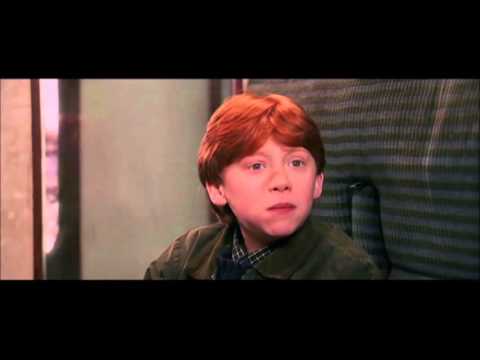
Jelly beans that might be blueberry — or might be Vomit. Jelly Belly made the Harry Potter books' candy gamble real, gruesome flavors and all, and turned every playground into a dare arena: take one blind, make the face, sprint to the trash can.
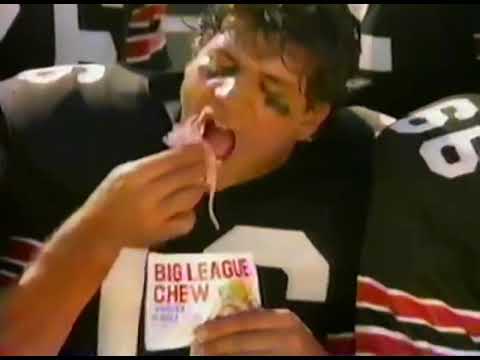
Shredded bubble gum packaged in a foil tobacco-style pouch — dreamed up in the Portland Mavericks bullpen by pitcher Rob Nelson and launched in 1980 with backing from ex-Yankee Jim Bouton. A staple of 80s and 90s little-league dugouts where kids mimicked the professional players they idolized.
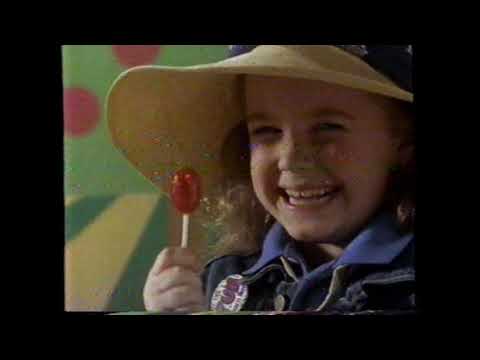
The two-stage candy: a hard sour shell you worked through to reach the bubble gum hiding in the middle. Sour Apple if you were smart, Blue Razz if you were right. The teacher's candy jar and the corner store were never without them.
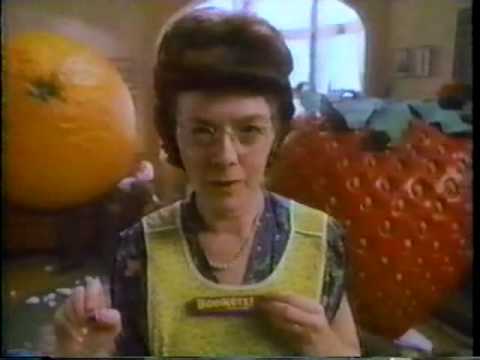
Chewy rectangular fruit candies with a tangy center, sold on the back of some of the most surreal commercials of the era — a giant piece of fruit dropping out of the sky to flatten some unsuspecting bystander. 'Bonkers! Bonks you out!'

A little flip-top plastic jug of powdered bubble gum you poured straight into your mouth. Made by Amurol — Wrigley's novelty-gum shop, the same one behind Bubble Tape and Big League Chew — Bubble Jug was an early-'90s corner-store dare: tip in too much powder and your whole mouth seized up.
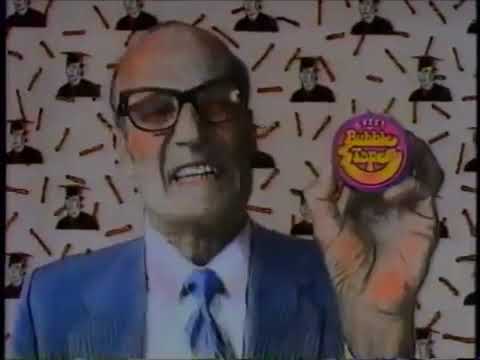
Six feet of bubble gum coiled inside a plastic tin the size of a hockey puck, dispensed like a roll of tape. The whole pitch — "for you, not them" — was a license to hoard, and the move was to peel off a long ribbon and cram the entire thing in your mouth at once.
The soft square chunk of bubble gum in the loud neon wrapper — huge flavor for about ten glorious minutes, then you reached for another piece. Launched in 1977 as American Chicle's answer to Bubble Yum, it spent the 90s as corner-store royalty with a flavor list that read like a slushie machine.

Bite-sized nuggets of Nestlé Crunch — crisped rice drenched in milk chocolate — launched in 1994 exclusively for movie-theater concession stands, because chocolate bars sell poorly at theaters and poppable, rattling boxes don't. It stayed a theater exclusive for nearly two decades, and it's still on concession counters today: one of the few 90s candy inventions that never went away.
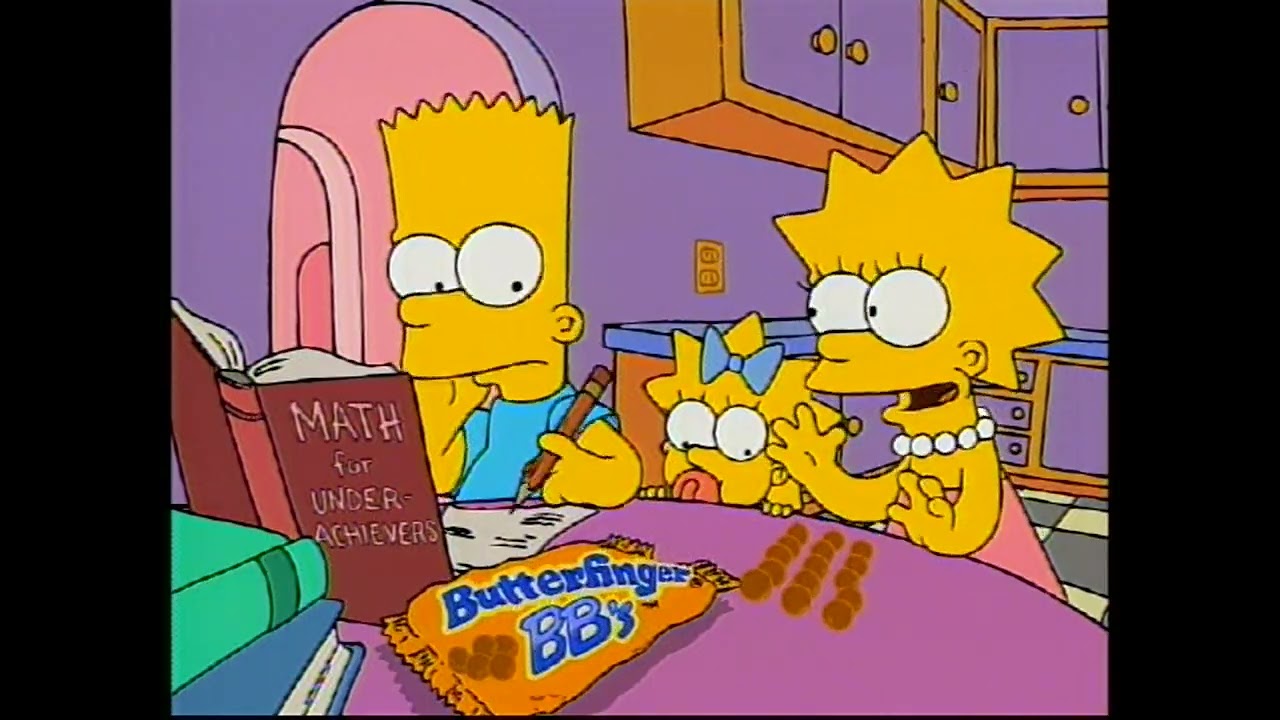
Marble-sized spheres of Butterfinger — crispy peanut-butter core wrapped in chocolate — sold in resealable pouches and at movie-theater counters. The Simpsons were the face: Homer eternally scheming to get at Bart's stash, Bart warning that nobody better lay a finger on his Butterfinger. Launched in 1992, discontinued in 2006 with no explanation — and fans never stopped asking for a comeback.
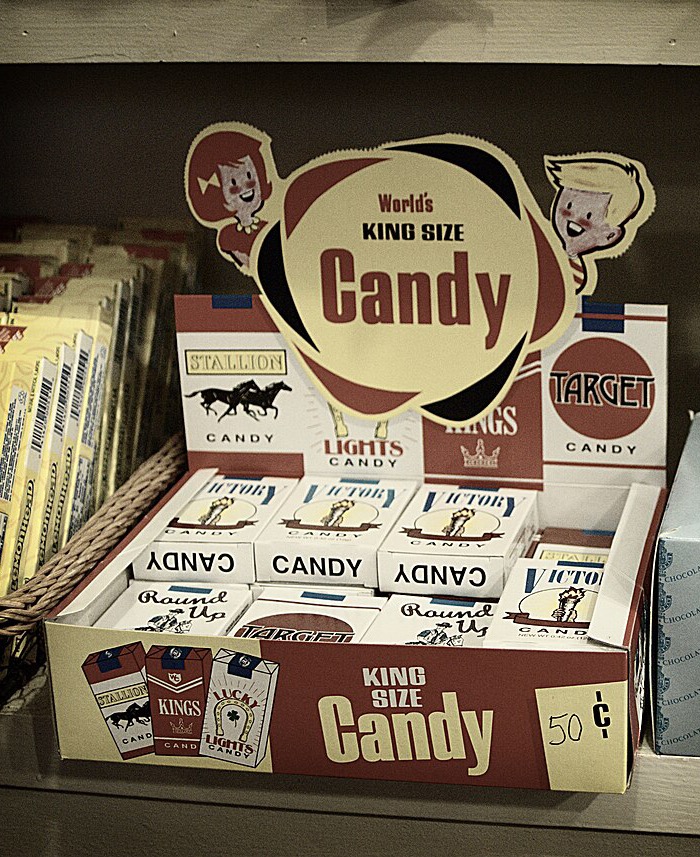
Chalky sugar sticks with a painted red tip, sold in cigarette-style packs straight to kids at the corner store — plus bubble-gum versions whose paper wrappers let you puff out powdered-sugar "smoke." The most "you had to be there" candy of the entire era.
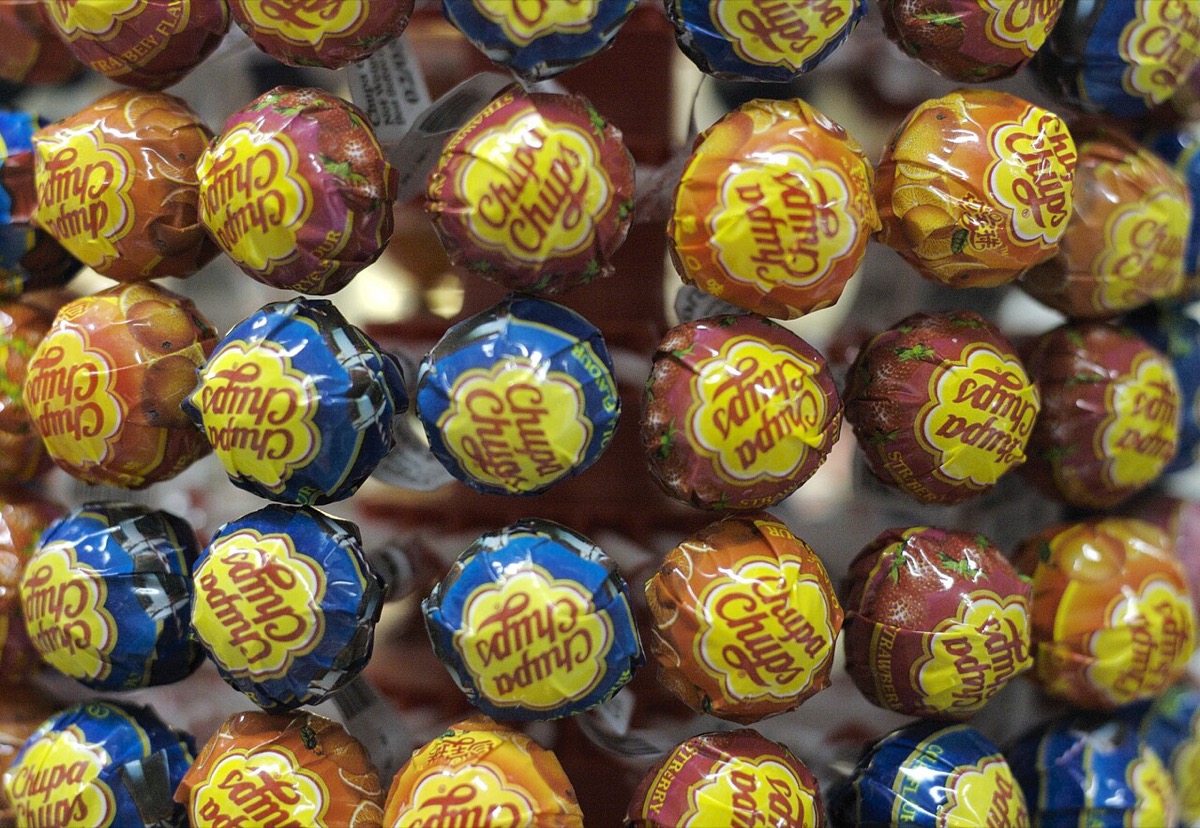
The Spanish lollipop with the unforgettable daisy-shaped logo designed by Salvador Dalí. The round candy on a stick solved a kid's eternal problem — no sticky hands — and the distinctive red-and-white wrapper with a centered daisy became one of the world's most recognizable candy marks.
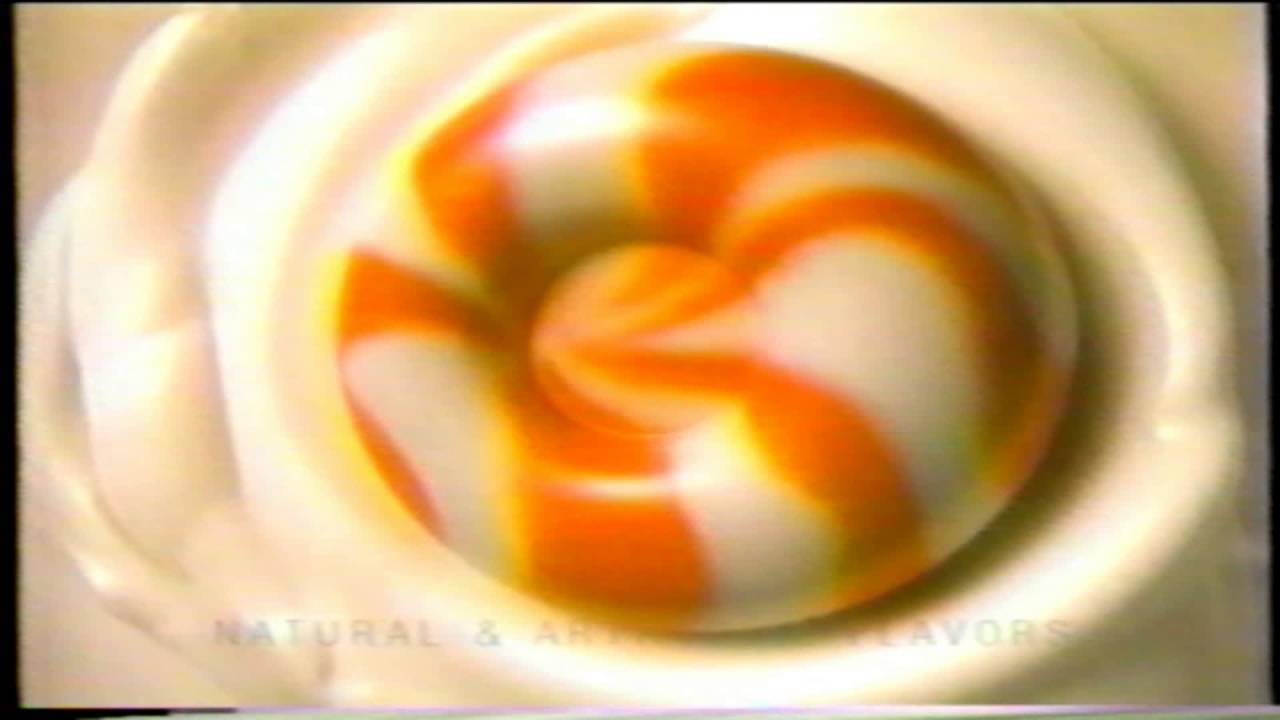
The swirled hard candy that paired fruit with cream — and ruled checkout lanes and grandmas' purses from the late '90s into the 2000s. Strawberries & Creme was the icon, its red-and-cream spiral instantly recognizable. Discontinued in 2011, mourned for a decade, and back on shelves since 2021.

The intense-mint pellet gum in the push-through foil blister pack — and the flirty, close-quarters ads that came with it. Launched in the late 1990s, Dentyne Ice built its whole identity on ice-cold breath and the nervous seconds before a first kiss.
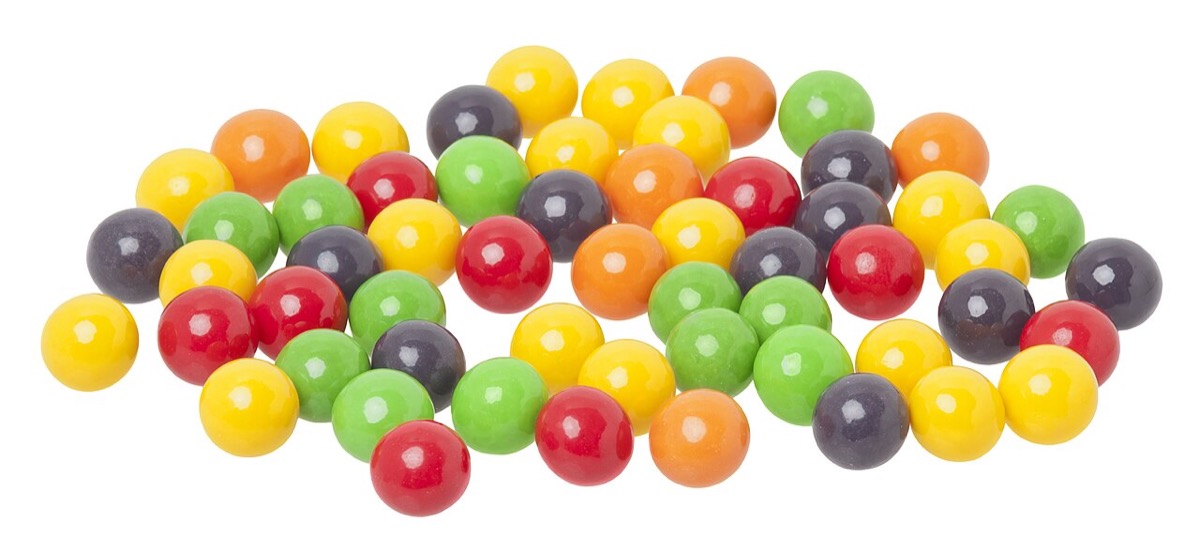
The real-world candy named after Roald Dahl's fictional invention: small multicolored layered jawbreakers that change flavor and hue as they dissolve. Launched in 1976 under the Willy Wonka Candy brand, they became a staple of 1990s lunchboxes and movie-theater concessions.
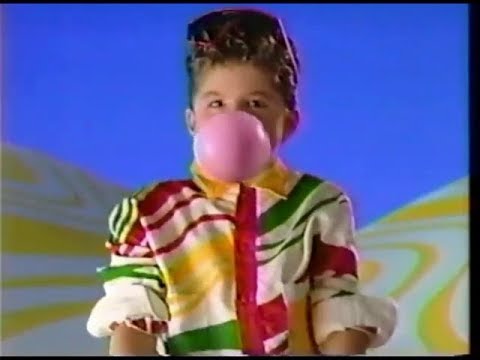
Rainbow-striped sticks of gum fronted by Yipes the zebra, whose wrappers doubled as temporary tattoos. A childhood staple you unwrapped as much for the tattoo as for the gum itself.
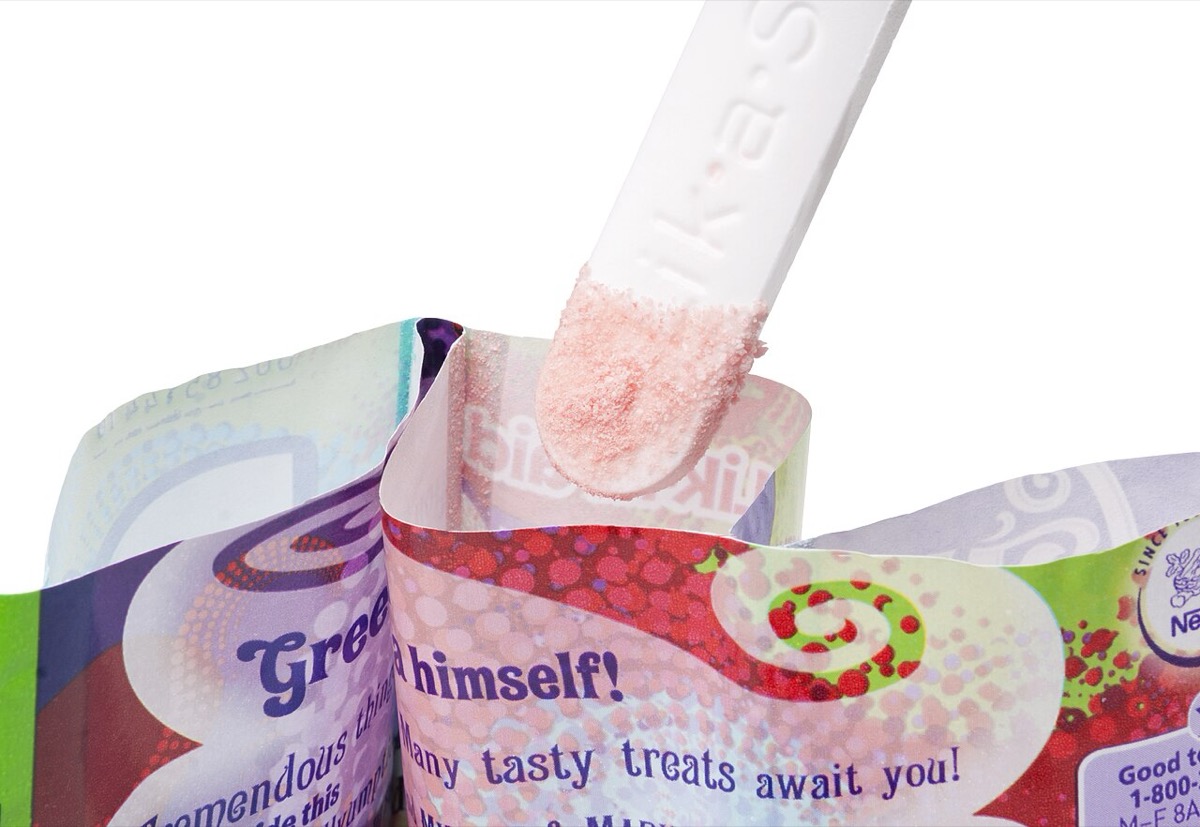
A pouch of intensely flavored colored sugar and a chalky Lik-A-Stix to dip into it — lick, dip, repeat, until your tongue was stained blue and the stick itself became the last course. Peak checkout-lane sugar delivery.
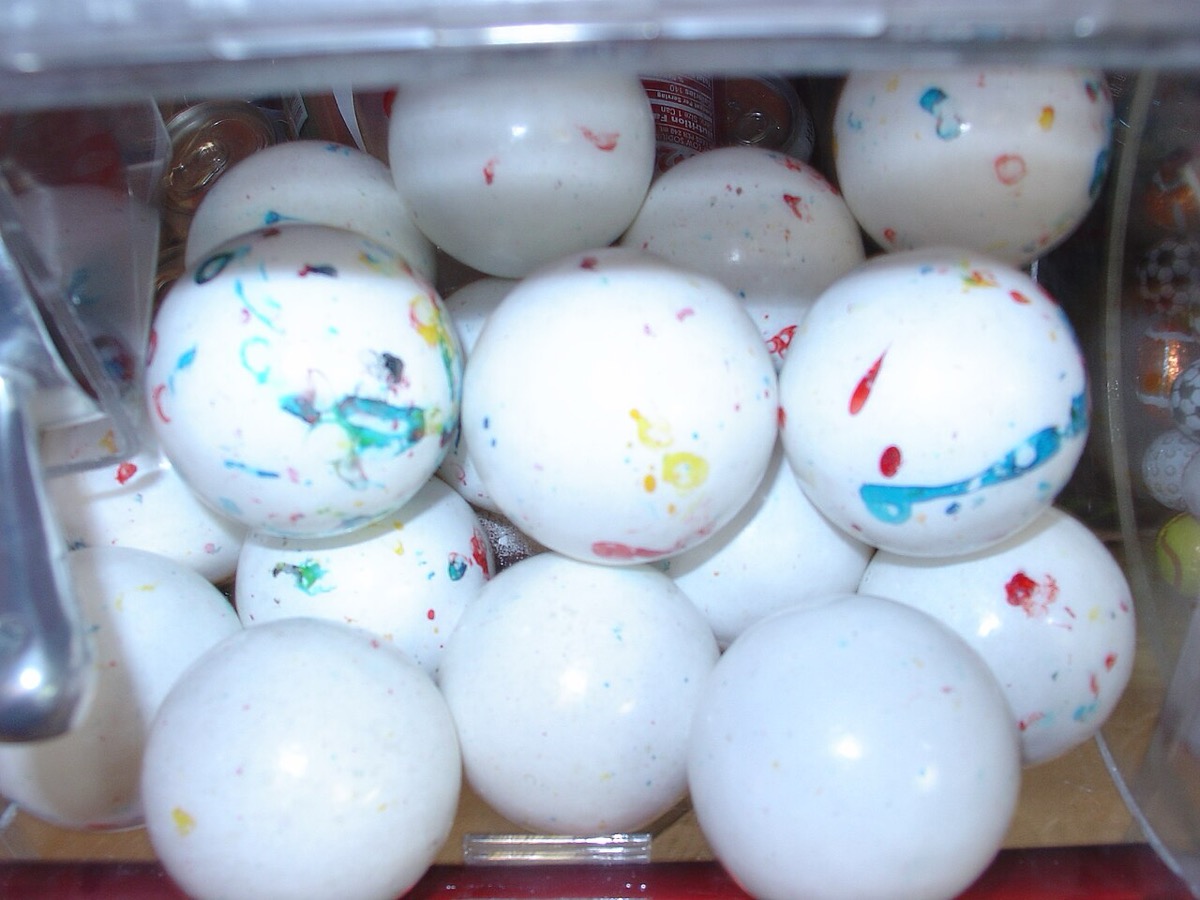
Baseball-sized or larger multicolor jawbreakers (2–3+ inches across) that were physically impossible to finish, so kids licked them for weeks and carried them in plastic sandwich bags between sessions. Comparing color layers and tracking progress became peak 1990s playground status symbol.

Life Savers, but chewy — the rolls of squishy rings that instantly made the hard-candy originals feel like something from grandma's purse. Peeling back the foil, thumbing one off the stack, and stretching it before eating it was the entire mid-90s candy experience.
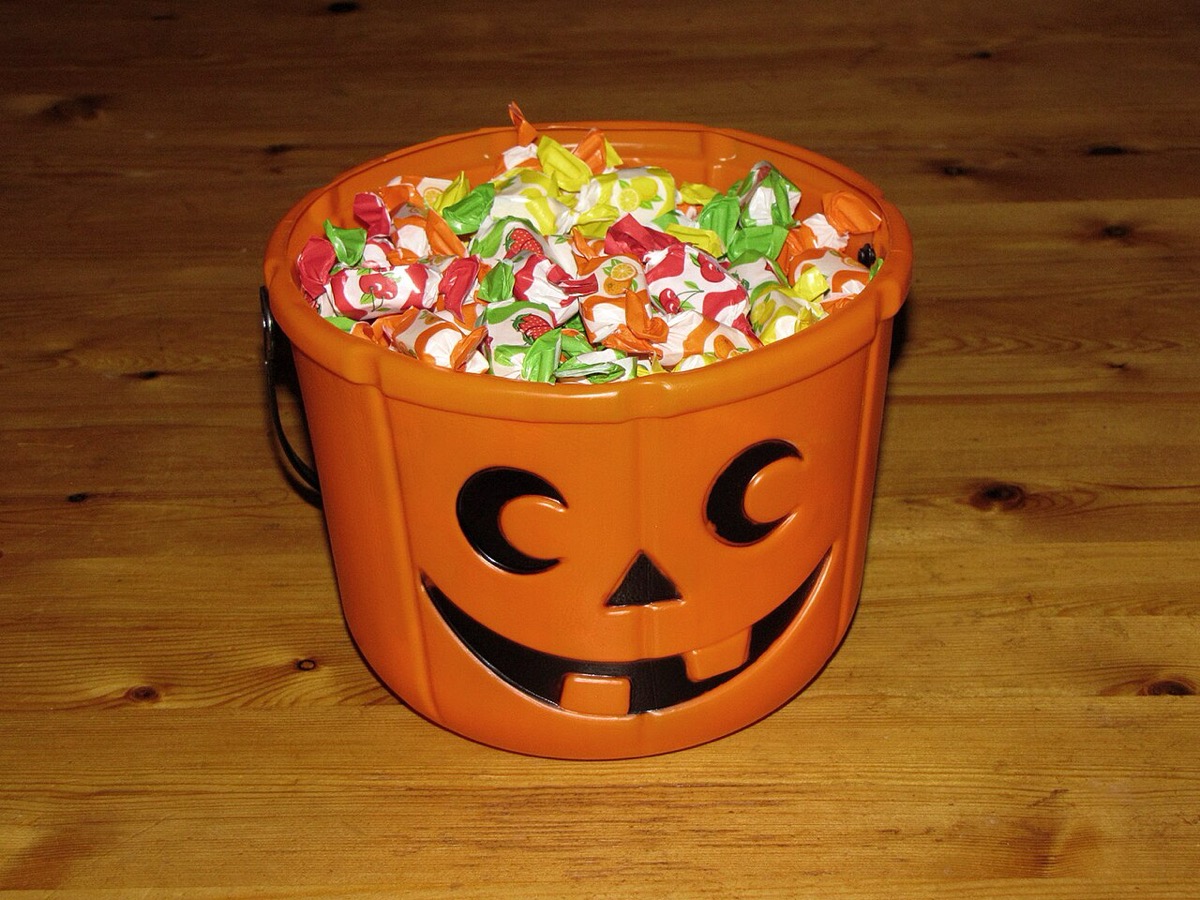
The real event started after trick-or-treating: dumping the pillowcase onto the living-room floor and sorting the haul into a personal taxonomy — chocolate aristocracy, fruity middle class, the circus-peanut underclass. Then came the trading floor: sibling negotiations with exchange rates everyone understood (one full-size anything was worth a fistful of anything else). And the parental 'safety inspection' tax: unwrapped candy confiscated, suspicious pinholes examined, a few 'tested' Snickers never seen again.

Miniature Hershey's Kisses in a crunchy candy shell — red, orange, yellow, green, and blue, poured straight from the pouch. Hershey's answer to M&M's lasted less than four years before quietly vanishing in 2009, leaving behind one of the 2000s' most specifically mourned candies.
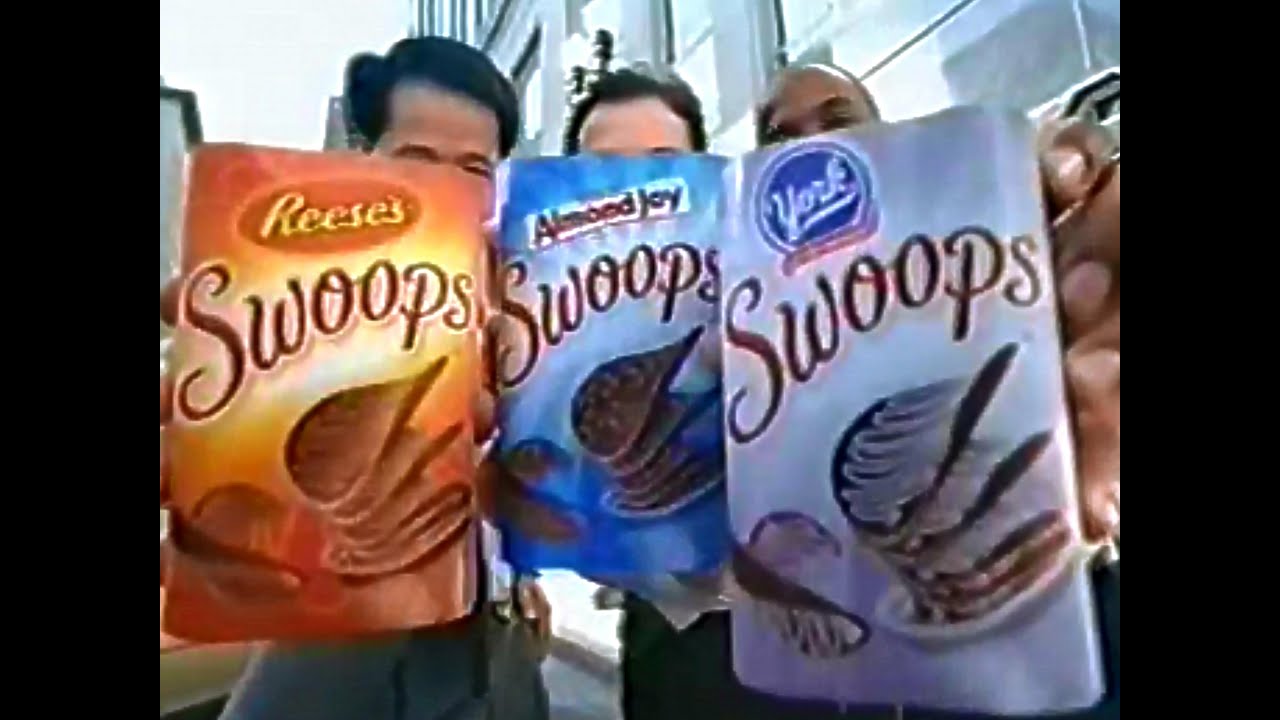
Chocolate slices shaped like Pringles potato chips, for reasons nobody could explain — and almost nobody knew they existed anyway. From 2003 to 2006 they came in snack cups, flavored like the Hershey lineup: Milk Chocolate, Reese's, York, Almond Joy. The perfect 2000s grocery-aisle experiment: an idea that made sense on a whiteboard and nowhere else.
Tiny, intensely flavored gourmet jelly beans with a soft center that taste like their name — from banana to blueberry to buttered popcorn. Jelly Belly launched in 1976 as a premium departure from standard penny candy, becoming the gold standard for a generation of kids sorting through flavor combinations and swapping flavors with friends.
The yellow pack, the sugar-blast first chew that faded in ninety seconds, and a jingle that never left: the taste is gonna move ya. Juicy Fruit tastes like... well, nobody officially knows — and it's been that way since 1893.

Minor social catastrophe? Eat a Mentos. Roll across a freshly painted bench, hijack a tablecloth, climb through a stranger's car — then flash a thumbs-up at the camera. The Freshmaker ads were so gloriously wrong they became one of the most beloved things on 90s TV.

A rope of soft gummy armored head-to-toe in crunchy Nerds. The texture contrast was the entire point — gummy squish, candy crunch, one bite after another. Lunchroom currency: you traded them, dangled them, bit straight across.
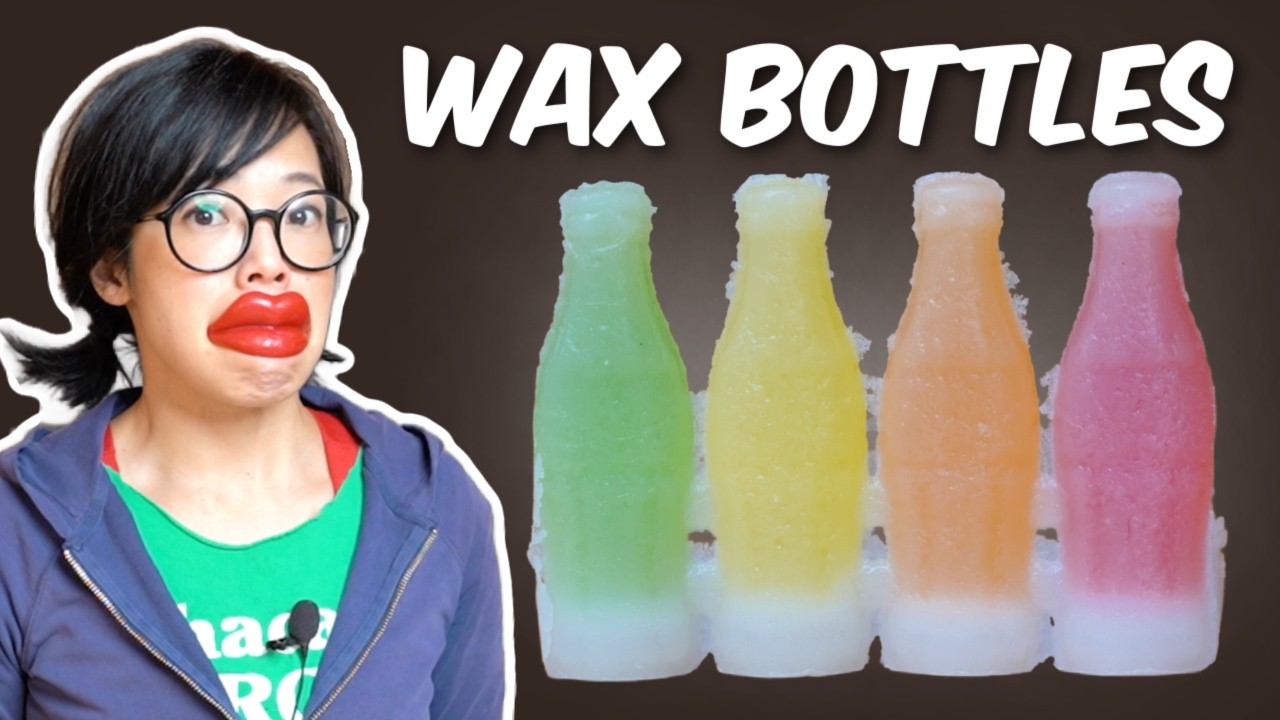
Tiny wax bottles filled with a swallow of sweet, fruit-flavored syrup. You bit the top off, drank the little sip inside, and then — the part that made no sense and everyone did anyway — chewed the leftover wax like gum.
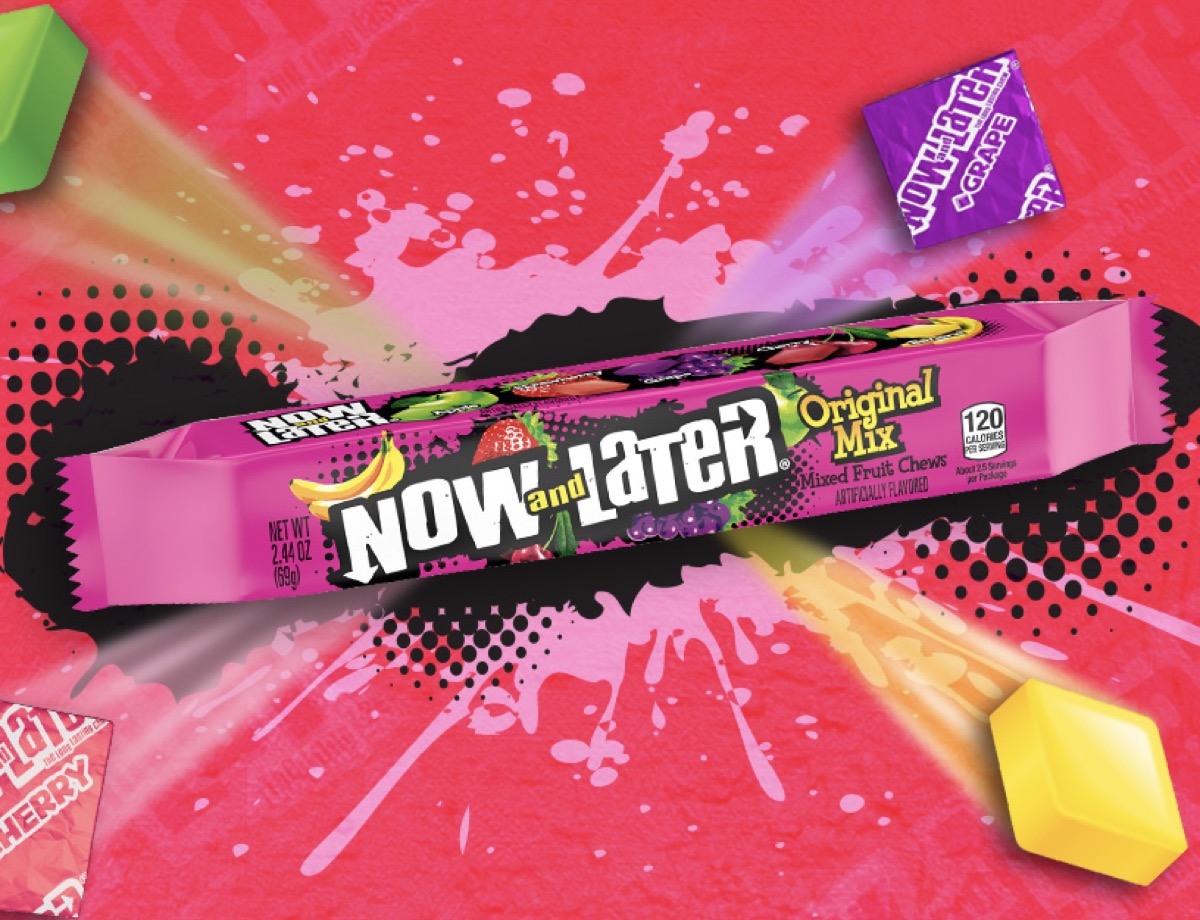
The corner-store fruit squares that started out jaw-breakingly stiff and only gave in after honest work — think Starburst, but way harder. The name was the sales pitch: eat some now, save some for later. Whether any kid ever actually saved some is another matter.

Mars's turn-of-the-'90s creation: a square of whole-grain cookie topped with creamy peanut butter, enrobed in milk chocolate studded with crunchy cookie bits. It became legendary not for its sales — which were solid — but for the family politics behind its disappearance.
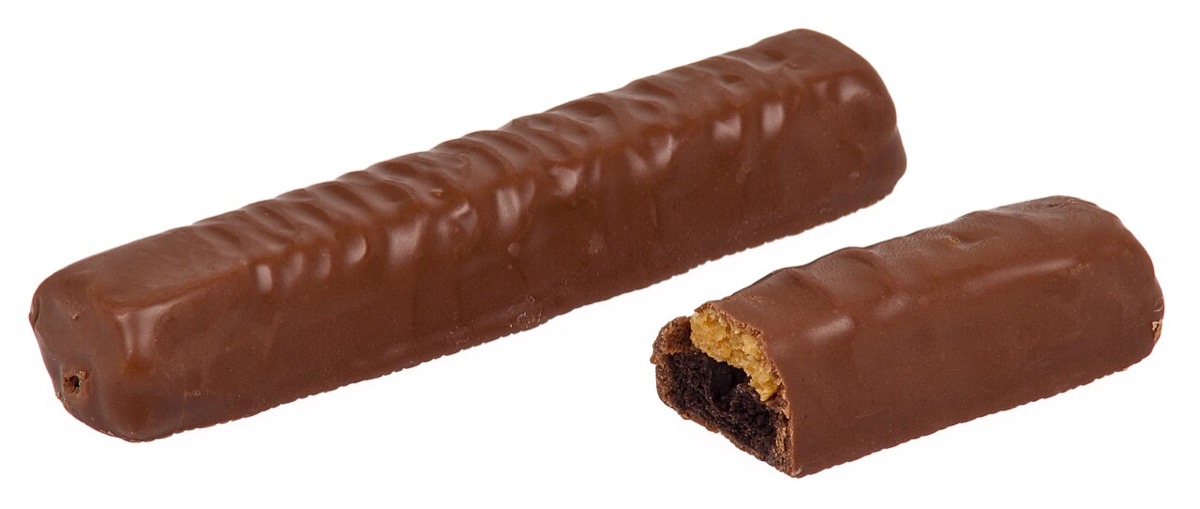
The chocolate-and-peanut-butter version that proved the eternal Twix schism was real. It arrived in the '80s, ruled the '90s, then vanished — only to remind a generation just how much they missed it. For some, the peanut butter layer where the caramel should be is the only Twix that matters.

The fizzing candy that sparked an urban legend and somehow survived it. Pop Rocks were an instant hit in the '70s — until rumors claimed they'd explode your stomach if mixed with soda. The myth was completely false, but it didn't matter: by the '90s, the legend was half the reason kids wanted them.

The lollipop you didn't have to finish: push it up, lick it sticky, cap it, and slide it back into your pocket for third period. Topps' retractable candy cylinder was half treat, half gadget — and the cap made it feel like contraband you were licensed to carry.

Peanut butter and chocolate at the breakfast table — the transgressive thrill of eating a Reese's Cup and calling it cereal. It launched in 1994 as Reese's Peanut Butter Puffs, and every kid who poured a bowl understood exactly what they were getting away with.

The giant faceted candy gem you wore on your finger all recess — jewelry you were allowed to lick. Invented to break one kid's thumb-sucking habit, it became the engagement ring of every 90s playground.

Sour then sweet: a gritty coat of citric and tartaric acid that made your whole face pucker, then a soft gummy kid underneath as the apology. The 90s schoolyard sour-candy arms race arguably starts here.
Regular Skittles under a grainy sour-sugar coating that genuinely shredded your tongue if you finished the bag — and everyone finished the bag. The green-and-yellow pouch turned the candy aisle's safest brand into a dare.

The tart candy discs that came rattling out of every bowling-alley and skating-rink vending machine in the 90s — a roll of fruit-shelled dots that outlasted a few games or a few laps around the rink. A mid-1960s invention that a later generation claimed completely.
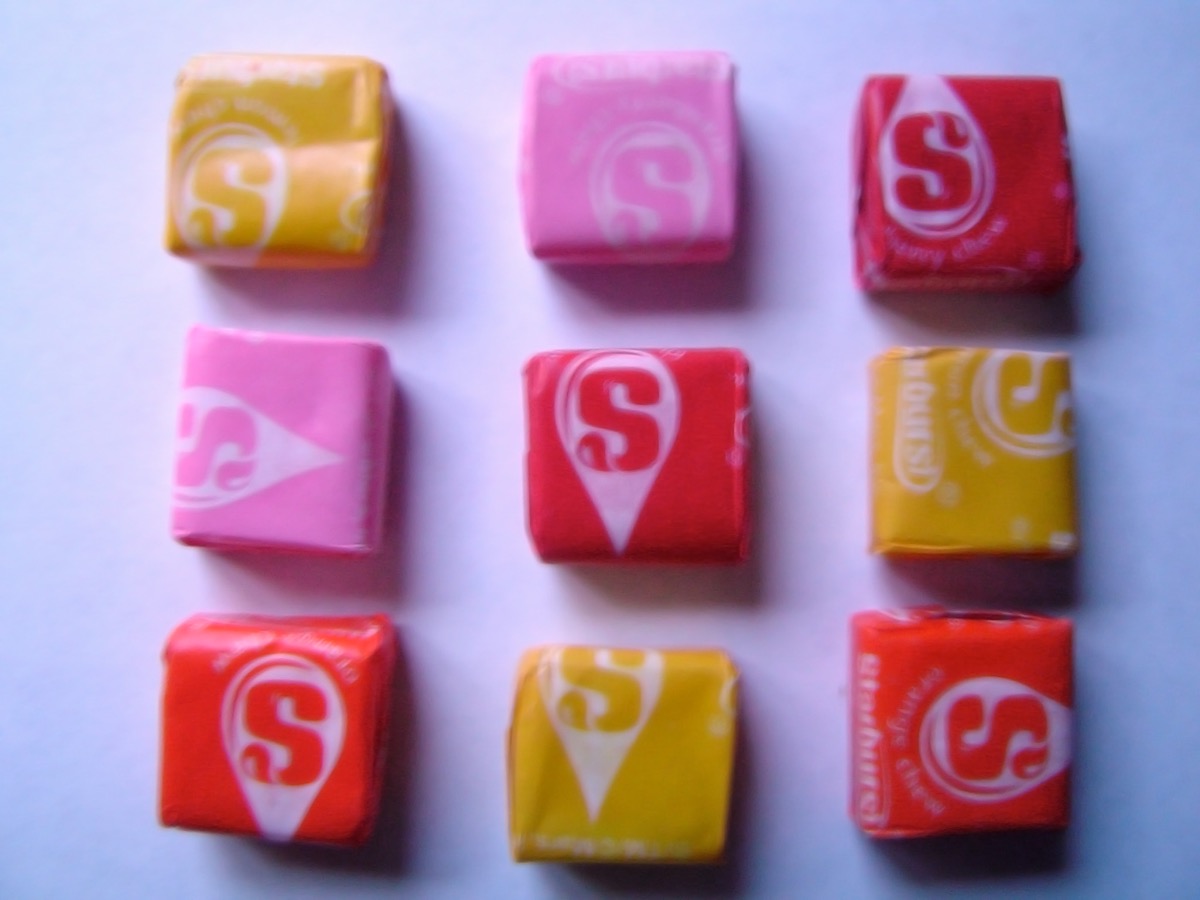
Juicy square fruit chews in individual twist wrappers, with a transatlantic double identity — Opal Fruits in Britain, Starburst in America — and a lunchroom economy all their own, in which pink was a personality trait and the wrappers became origami.
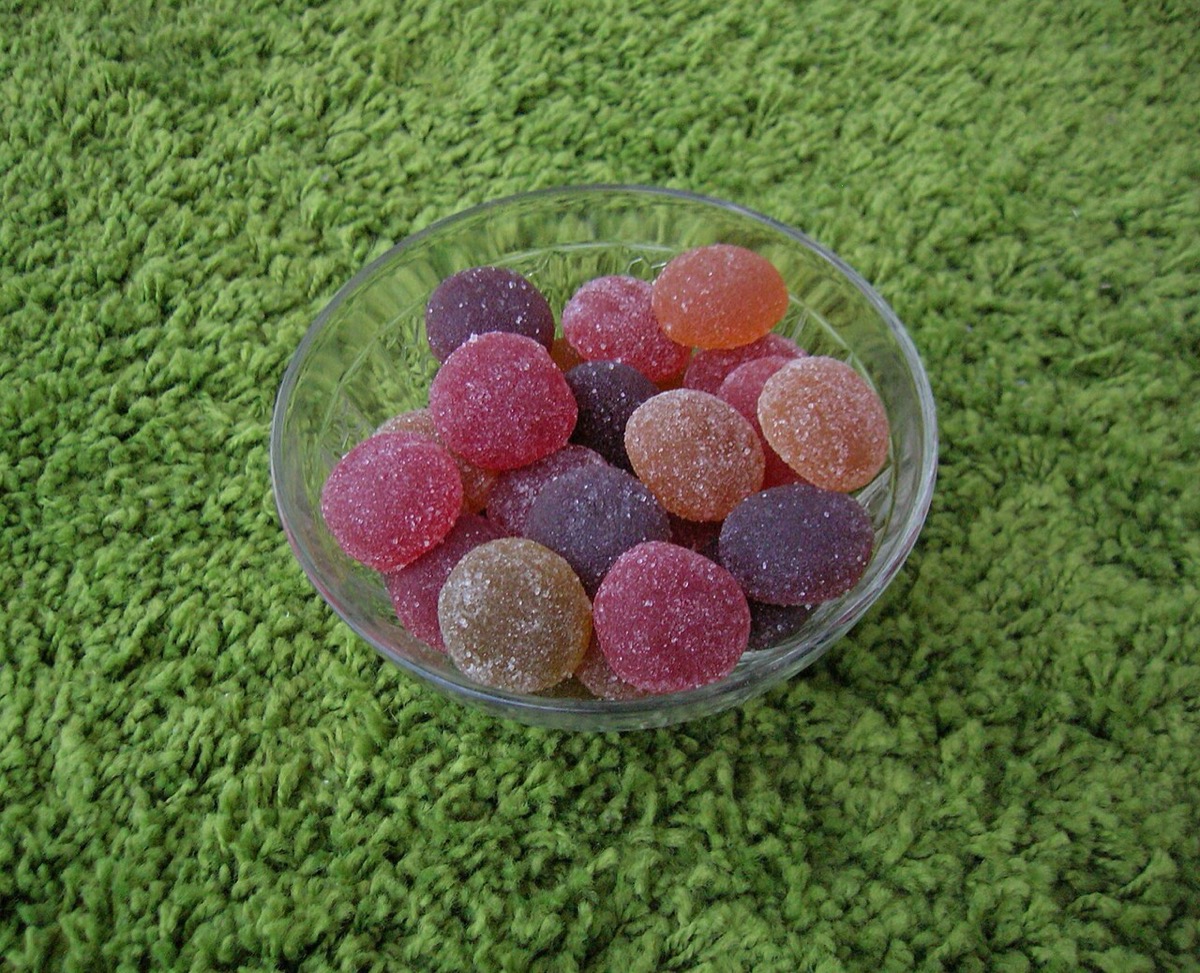
Sugar-dusted pectin jelly squares in individual wax-paper twists — lemon, orange, grapefruit, raspberry, lime — equally at home in a deli-counter jar, a grandparent's candy dish, and a synagogue. The recipe descends from Christopher's Fruit Gems, the signature candy of Southern California's oldest candy company. Thrown at bar and bat mitzvahs for decades: soft enough not to injure, festive enough to 'sweeten' the occasion, and a genuinely airborne childhood memory for a whole community.

TasteTations were Hershey's answer to Werther's Originals — creamy hard candies that arrived in the mid-1990s with a lineup of chocolate-inspired flavors: Chocolate, Chocolate Mint, Chocolate Raspberry, Chocolate Caramel, Caramel, Peppermint, and Butterscotch. Heavily promoted with TV spots and in-store samples, they were the candy that felt sophisticated and indulgent. Yet despite the hype, they couldn't survive the early 2000s and faded from shelves, leaving a devoted nostalgic following.

Bubble gum whose entire point was dyeing your tongue neon — you chewed, you stuck your tongue out at your friends, that was the product. It came loose as gumballs and, most memorably, in a miniature paint can promising to paint your mouth "with a splash of color."

The sugarless gum that practically owned the drugstore checkout counter, and the slogan everyone can still recite: "Four out of five dentists surveyed recommend sugarless gum for their patients who chew gum." Trident had been around since 1960, but its color-coded flavors — spearmint, cinnamon, bubble gum — were a '90s pocket-and-purse staple.
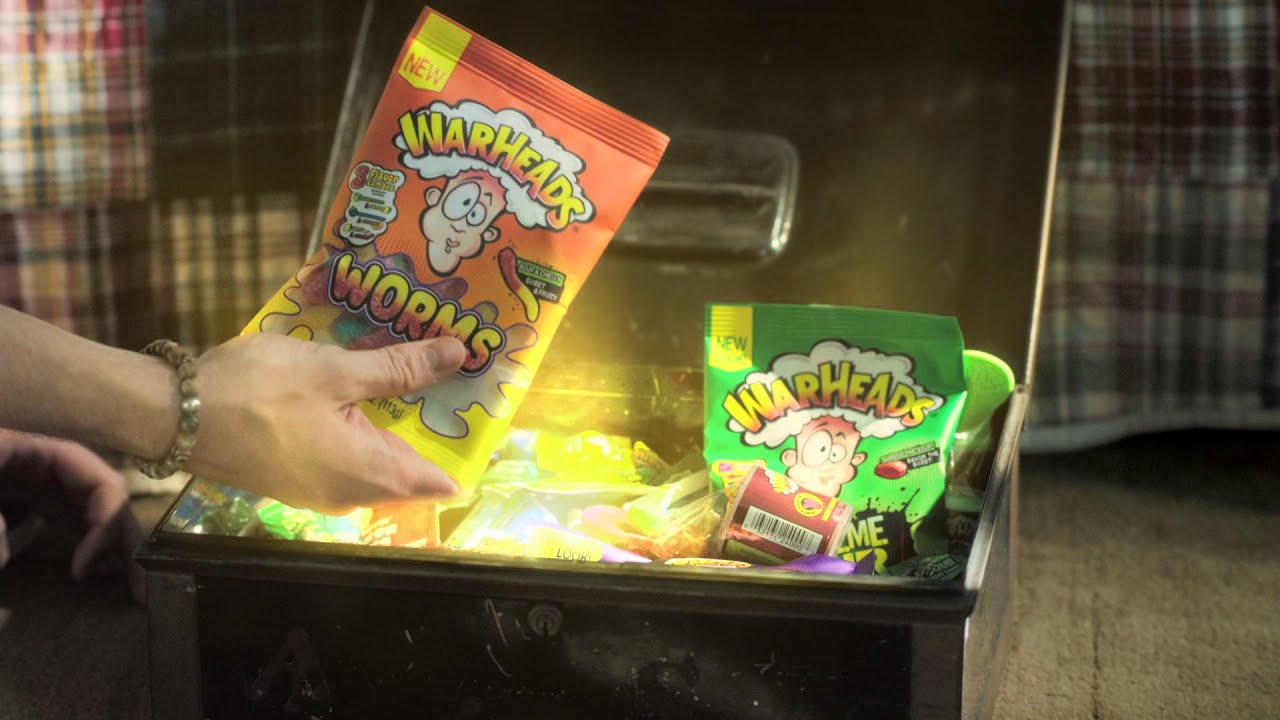
The sour candy that burned your face off for five glorious seconds. Warheads turned the playground dare into a $40 million industry — keeping a straight face through the first ten seconds made you playground royalty.

Wrigley's blue-wrapped wintergreen stick gum, launched in 1994 and pitched entirely on the promise of icy-cold, long-lasting breath. The foil sticks were a fixture of the gas-station and grocery-checkout racks all decade — the cool-blue pack sitting right beside Wrigley's fiery-red Big Red.
The hollow milk-chocolate sphere with a surprise sealed inside. 'What's in the Wonder Ball?' You cracked it open to find little candies — a treasure-hunt snack that had a much stranger backstory than most kids ever knew.