#Music

48 items

Video thumbnail — 50 Cent - In Da Club (Official Music Video)
Celebrities 2003–2007 peak

50 Cent

The Queens mixtape king who survived being shot nine times, got signed by Eminem and Dr. Dre, and turned his bulletproof origin story into one of the biggest rap debuts of the decade. For a few years in the mid-2000s, 'In da Club' and 'Get Rich or Die Tryin'' were everywhere, and 50 Cent was the most bankable name in hip-hop.

Video thumbnail — Aaron Carter - That's How I Beat Shaq (Official Video)
Celebrities 1997–2003 peak

Aaron Carter

The Backstreet Boy's little brother, who opened for the band at nine, sold three million copies of Aaron's Party in the United States, and rapped about beating Shaquille O'Neal one-on-one while Shaq himself played along in the video. For a few years around 2000 he was the biggest pop star in the fourth grade.

Video thumbnail — Bowling For Soup - 1985
Music 2004

"1985" by Bowling for Soup

Pop-punk's sneakiest hit started as an SR-71 album track before Bowling for Soup rebuilt it into a double-Platinum sing-along about a suburban mom stuck in the era of "Springsteen, Madonna, way before Nirvana." The cruel joke wrote itself: the song about being nostalgic for the wrong decade is now the thing you're nostalgic for.

Video thumbnail — Busta Rhymes ‎- Woo-Hah!! Got You All In Check (Official Video) [Explicit]
Celebrities 1996–2002 peak

Busta Rhymes

The human cartoon of 90s rap—hip-hop's most watchable man, a blur of dreadlocks and rubbery limbs who moved like he was made of springs. Trevor Smith stole posse cuts for a living and built a solo career on being impossible to look away from.

Video thumbnail — Columbia House Music CD 90s TV Commercial (1997)
Trends 1990s–2000s

Columbia House

The mail-order music gamble that tangled millions in negative-option billing: "Get 12 CDs for a penny," then buy more albums at full price or face automatic charges. Columbia House was the trap that snapped shut after the free shipment arrived—and every kid who signed up under a fake name was trying to outsmart the system.

Video thumbnail — DanceDanceRevolution Solo 2000 (Arcade / 1999) - Gameplay (Nonstop Megamixes)
Video Games 1998–2007

Dance Dance Revolution

Konami's iconic rhythm game where players step on a four-arrow dance pad in time with on-screen cues and music. Debuting in Japanese arcades in 1998, DDR became a global phenomenon—from arcade halls to living rooms—defining an entire genre of music-timing games.

Video thumbnail — David Hasselhoff sings at the Berlin Wall (12/31/1989) in 4k - AI Upscaling and Interpolation Test
Celebrities 1989–2000 peak

David Hasselhoff

Knight Rider's Michael Knight, Baywatch's Mitch Buchannon, and — no joke — the biggest thing on the German pop charts in 1989. He revived a canceled show with his own money, sang on the Berlin Wall in a light-up jacket, and then laughed at the punchline harder than anyone.

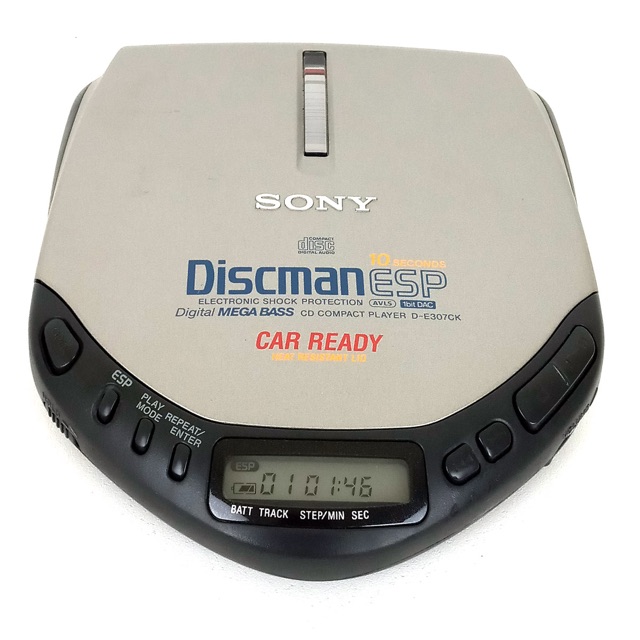
A Sony Discman ESP D-E307CK portable CD player, viewed from above with the lid closed
Trends 1992–2002

Discman & CD Binders

The ritual of portable CD life: a Sony Discman clipped to your waist or backpack, Electronic Skip Protection bragged on the box, and a zip-up CD binder holding exactly 24 discs — the ones that defined you. CD binders like Case Logic wallets replaced jewel cases, turning your music taste into curated, tangible proof of personality.

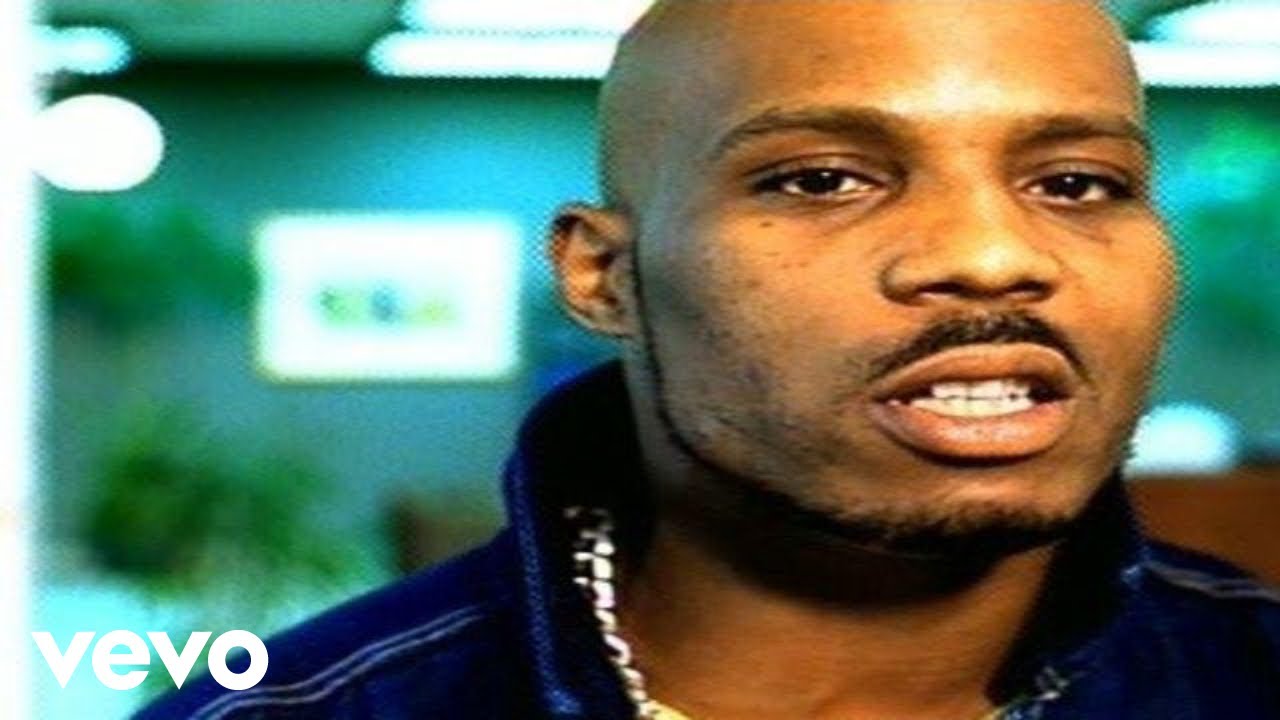
Video thumbnail — DMX - Party Up (Up In Here) (Enhanced Video, Edited)
Celebrities 1998–2003 peak

DMX

The barking Yonkers growl who crash-landed on the glossy late-90s rap charts like a dog off its chain. Earl Simmons snarled prayers over Swizz Beatz beats, made Ruff Ryders a household name, and opened a #1 movie at the box office. Equal parts menace and open wound, he was hip-hop's most ferocious voice when it needed one most.

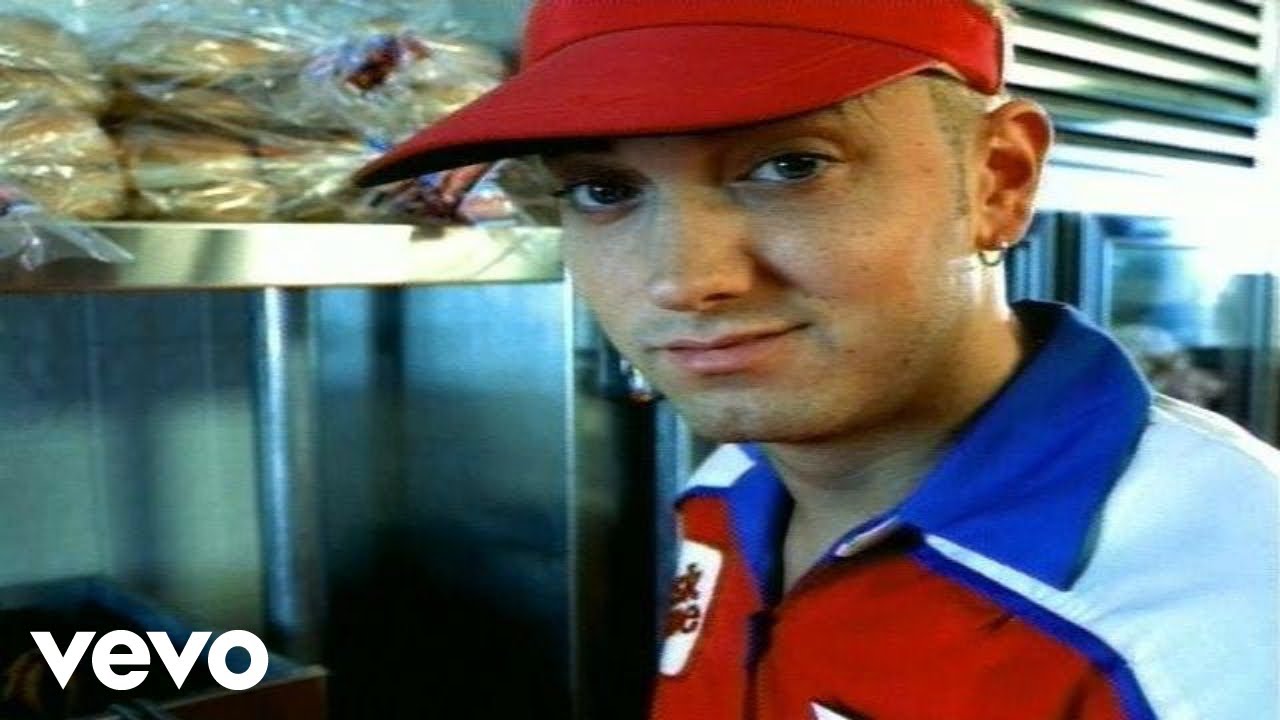
Video thumbnail — Eminem - The Real Slim Shady (Official Video - Clean Version)
Celebrities 1999–2005 peak

Eminem

Marshall Mathers from Detroit, a white rapper in a Black art form, exploded into stardom with shock-rap alter ego Slim Shady and relentless rhymes. The blond buzzcut, unapologetic controversy, Dr. Dre mentorship, and hits like 'Stan' and 'The Real Slim Shady' made him the biggest and most polarizing star in music during the early 2000s.

Video thumbnail — En Vogue - My Lovin' (You're Never Gonna Get It) (Official Music Video) [HD]
Celebrities 1990–1997 peak

En Vogue

The Oakland quartet that brought four-part girl-group harmony into '90s R&B: "Hold On," "My Lovin' (You're Never Gonna Get It)," "Free Your Mind," and three #2 pop hits. A 2010 Billboard ranking put them third among female R&B groups of the previous 25 years, behind only TLC and Destiny's Child.

Video thumbnail — Modest Mouse - Float On (Official Music Video)
Music 2004–2005

"Float On" by Modest Mouse

"And we'll all float on, okay?" — the shrugging, off-kilter singalong that carried indie rock onto every radio station, mall speaker, and burned CD of 2004. A decade-old cult band from Washington state suddenly had the most reassuring song in America.

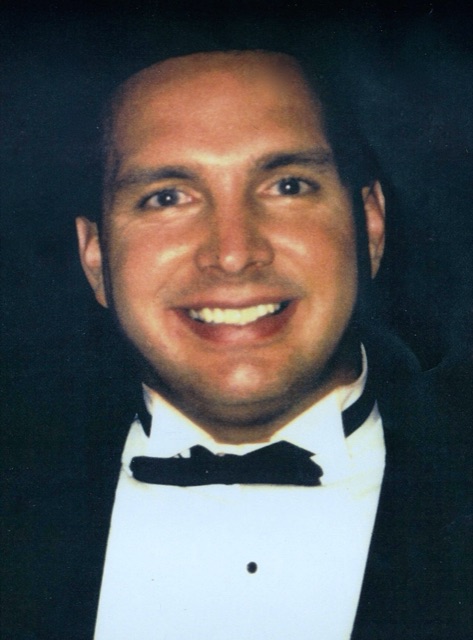
Garth Brooks in a tuxedo at the 1991 Country Music Association Awards
Celebrities 1989–1998 peak

Garth Brooks

Garth Brooks made country music arena-sized. The wireless headset, the hit-after-hit albums, and "Friends in Low Places" became the sound of the '90s — country that didn't apologize for being enormous, and made it look like the point all along.

Video thumbnail — Gorillaz - Clint Eastwood (Official Video)
Celebrities 2001–2010 peak

Gorillaz

A band made entirely of cartoons — four animated characters with biographies and feuds, fronting music made by people you never saw. Their videos ran on MTV like Saturday-morning cartoons for teenagers, and when Gorillaz opened the 2006 Grammys as life-size projections, a genuinely new kind of pop star had arrived.

Video thumbnail — Guitar Hero (PS2) - Trailer [2005]
Video Games 2005–2010

Guitar Hero

The plastic guitar controller that turned living rooms into rock venues and made you feel like you could shred—Guitar Hero arrived in November 2005 with just five fret buttons and a strum bar, playing note-scrolling highways to licensed rock songs. It became a living-room phenomenon. Guitar Hero III (2007) and its brutal finale 'Through the Fire and Flames' defined the genre's peak before the plastic-instrument bubble burst from over-saturation around 2010.

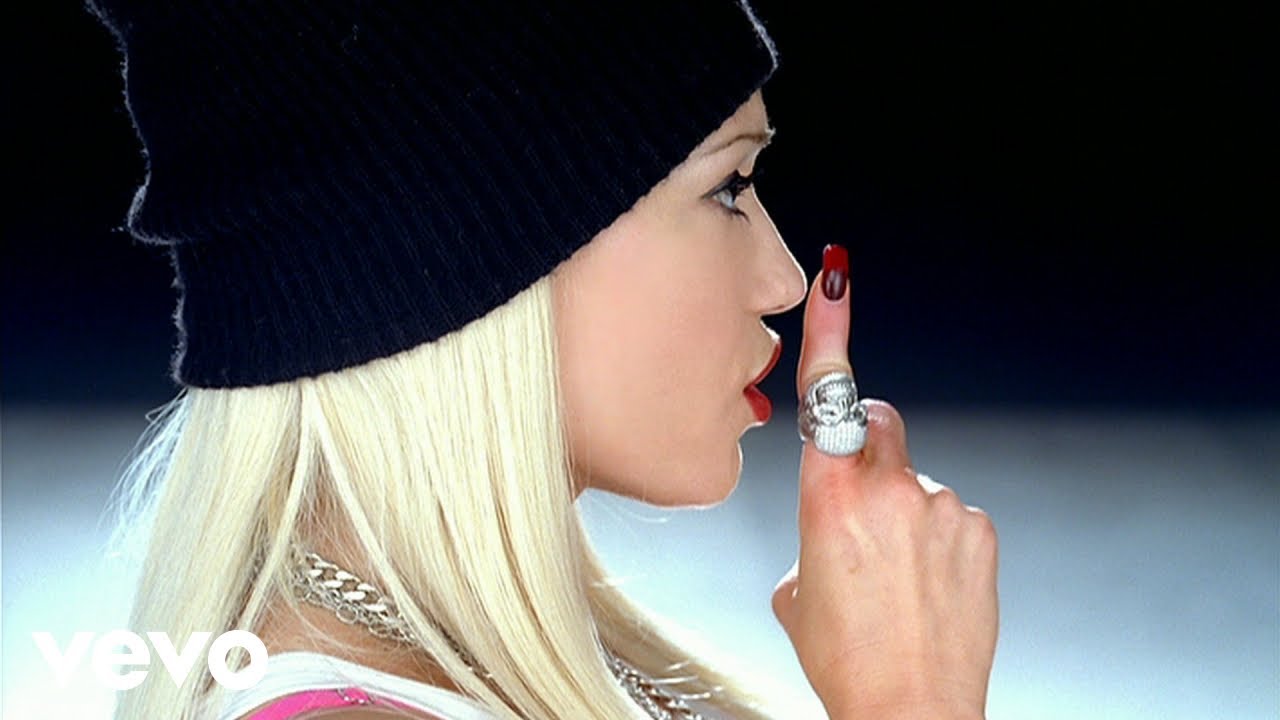
Video thumbnail — Gwen Stefani - Hollaback Girl (Official Music Video)
Celebrities 2004–2007 peak

Gwen Stefani (Solo Era)

After a decade fronting No Doubt, Gwen Stefani reinvented herself as a solo pop force in 2004 — dropping "Hollaback Girl," parading her Harajuku Girls, and launching a fashion empire. It was maximalist, brand-savvy 2000s pop at its peak.

Video thumbnail — Iconic Ads - iPod Silhouette commercial
Tech 2001–2007

iPod

Steve Jobs unveiled the iPod on October 23, 2001, promising "1,000 songs in your pocket." The original model packed a 5GB hard drive, mechanical scroll wheel, and FireWire connection—Mac-only, $399. The click wheel, iTunes Music Store (2003), and later Windows support made it the gateway device to digital music and one of the most influential electronics ever built.

Video thumbnail — Spot Apple - "Life is Random" - iPod Shuffle Campain - 2005
Tech 2005–2017

iPod Shuffle

A gum-stick iPod with no screen: you loaded it with iTunes' AutoFill, hung it around your neck, pressed play and took what it gave you. Announced in 2005 as the first iPod under $100, sold with the tagline "Life is random." It bet that surrendering control of your music could feel like freedom — which is roughly how everyone listens now.

Video thumbnail — Nirvana - Where Did You Sleep Last Night (Live On MTV Unplugged, 1993 / Unedited)
Celebrities 1991–1994 peak

Kurt Cobain

The Nirvana singer and songwriter whose Nevermind knocked Michael Jackson off the top of the Billboard chart in January 1992 and pulled grunge and Aberdeen, Washington, into the mainstream. He was called the voice of his generation and never made peace with it, and his death in April 1994, at 27, is the line a lot of people draw under their adolescence.

Video thumbnail — LeAnn Rimes - How Do I Live (Official Music Video)
Celebrities 1996–2000 peak

LeAnn Rimes

Born in 1982, LeAnn Rimes released "Blue" at thirteen in 1996 and became an overnight country sensation with an impossibly mature voice. She won Grammy Awards for Best New Artist and Best Female Country Vocal Performance in 1997, becoming the youngest person ever to win those awards. Her 1997 ballad "How Do I Live" spent a record 69 weeks on the Hot 100—Billboard later ranked it the most successful song of the 1990s.

Video thumbnail — Lifehouse - Hanging By A Moment
Celebrities 2000–2007 peak

Lifehouse

The Los Angeles radio-rock band behind "Hanging by a Moment" — a famous Billboard chart anomaly. Frontman Jason Wade's five-minute songwriting session produced a single that never hit weekly No. 1 yet finished as Billboard's No. 1 song of 2001. Earnest, huge-chorused, everywhere.

Video thumbnail — Napster - Changing an Industry
Trends 1999–2010

LimeWire & Napster

The lawless era of free music: you queued up a download that would take three hours on dial-up, crossed your fingers it wasn't mislabeled, and hoped even harder it wasn't a virus. Napster and LimeWire were the P2P revolution that detonated the music industry, made kids into accidental outlaws, and eventually gave way to iTunes.

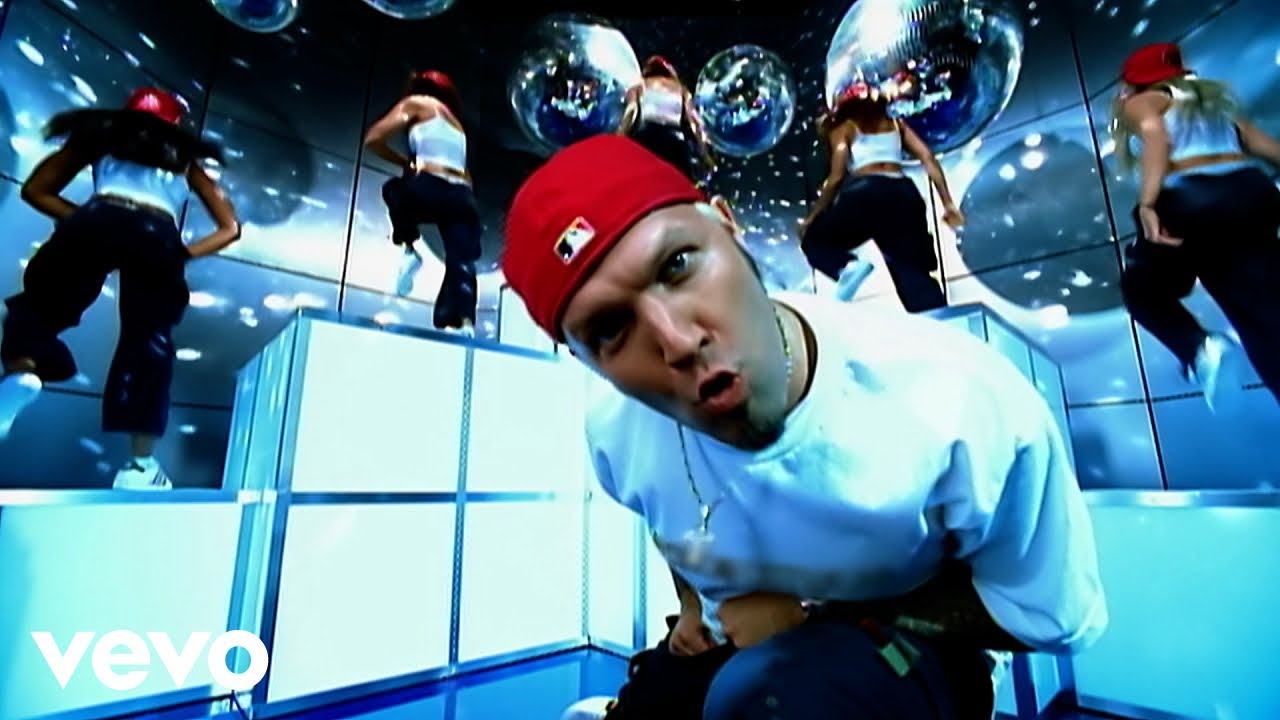
Video thumbnail — Limp Bizkit - Rollin' (Air Raid Vehicle)
Celebrities 1997–2003 peak

Limp Bizkit

The Jacksonville metal band that defined nu-metal's MTV dominance. Fred Durst's backwards red Yankees cap and Wes Borland's shock-value body paint made them impossible to ignore. They broke through with a cover of George Michael's "Faith" reimagined as down-tuned metal. They became the sound of late-90s TRL, then evaporated just as fast.

Video thumbnail — Zune Was a Beautiful Commercial Disaster
Tech 2006–2011

Microsoft Zune

Microsoft's answer to the iPod arrived in November 2006 — thicker, later, and available in brown. The Zune became tech's favorite punchline, but the punchline hid real ideas: wireless song-sharing, a subscription music pass years before streaming won, and a UI so good it became the design language of Windows Phone.

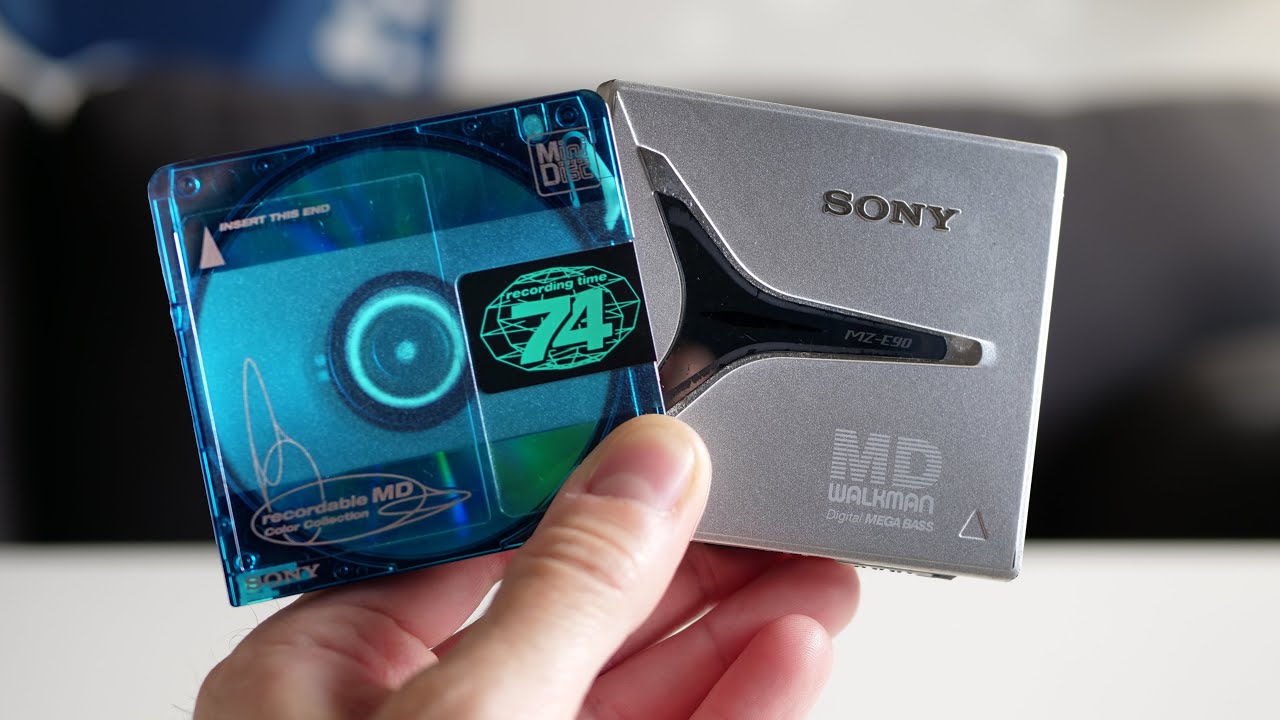
Video thumbnail — Sony MiniDisc: The (Not) Forgotten Audio Format That (Never) Failed
Tech 1992–2013

MiniDisc

Sony's 1992 answer to the cassette: a recordable digital disc in a plastic shell that let you name tracks, shuffle them around and copy a CD without a hiss, and that played on through a bump thanks to a memory buffer. Japan bought it for twenty years. America shrugged.

A blank Verbatim CD-R disc, 700MB / 52x / 80 min
Trends 1998–2008

Mix CDs

The mixtape of the CD-R era: download MP3s from file-sharing sites, burn them to a blank disc in Nero or iTunes, label it with Sharpie, and pray it didn't skip. Mix CDs were the late-90s and 2000s ritual—track order agonized over, burnable only by those with a CD-R drive, given as love offerings and road-trip soundtracks.
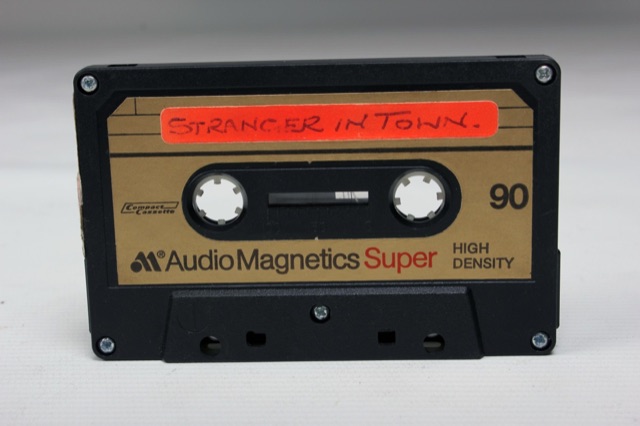
A close-up of a compact cassette with a handwritten label listing the recorded tracks
Trends 1979–2000

Mixtapes

The compact cassette made music personal; the Walkman made it portable; and the mixtape made it meaningful. A hand-labeled tape was a love letter, a friendship offering, an identity statement — hovering over the record button to catch a song off the radio, agonizing over track order, building the perfect sequence for someone who mattered.

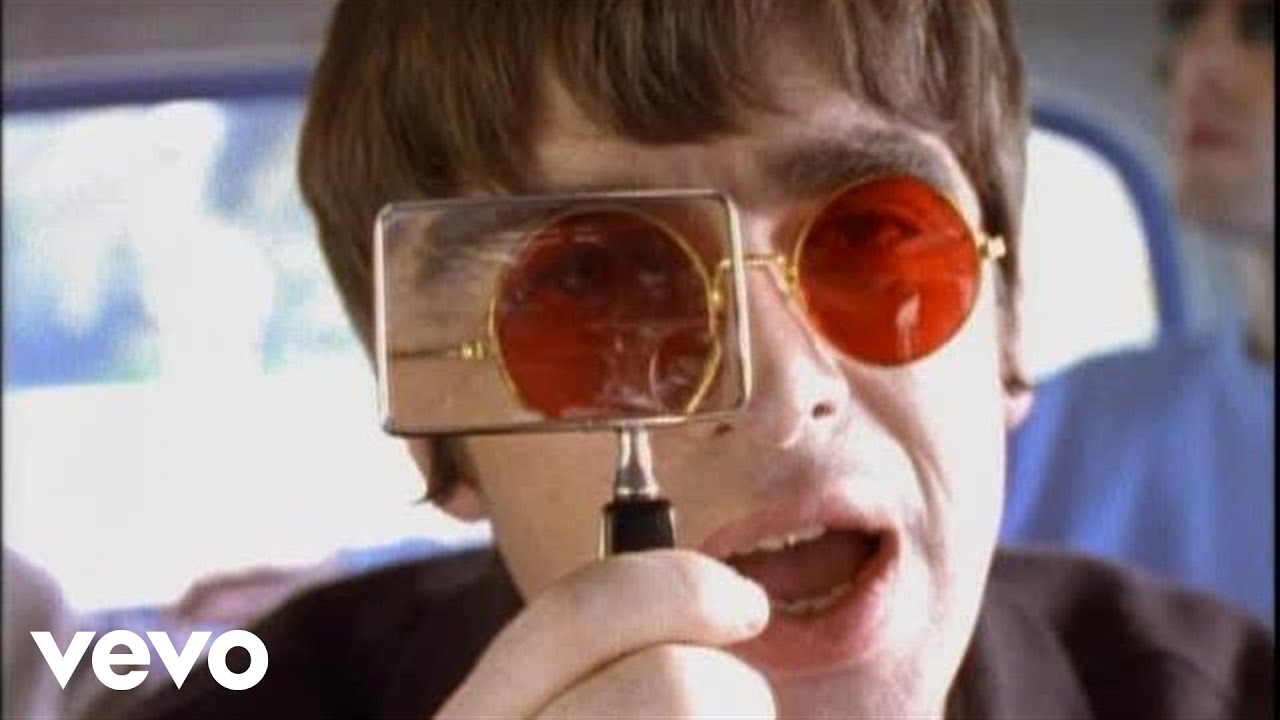
Video thumbnail — Oasis - Don't Look Back In Anger
Music 1995–1997

Oasis — (What's the Story) Morning Glory?

Oasis's second album was the sound of the 1990s reaching critical mass: brothers Noel (songwriter, deadpan guitar) and Liam (arrogant vocals) Gallagher channeling The Beatles, bombast, and Manchester swagger into 12 tracks that became anthems. One of the best-selling albums ever, it made Oasis briefly the biggest rock band on Earth.

The iconic MTV logo from the 1990s era with its distinctive blocky lettering and color design
TV 1981–present

MTV

MTV's 1990s golden era transformed the channel from music-video jukebox into a cultural force, with Total Request Live (TRL), The Real World, Beavis and Butt-Head, MTV Unplugged, and a rotation of music videos that defined the decade's soundtrack. Music Television delivered exactly what it promised: a place where youth culture, music, and rebellion converged on cable.

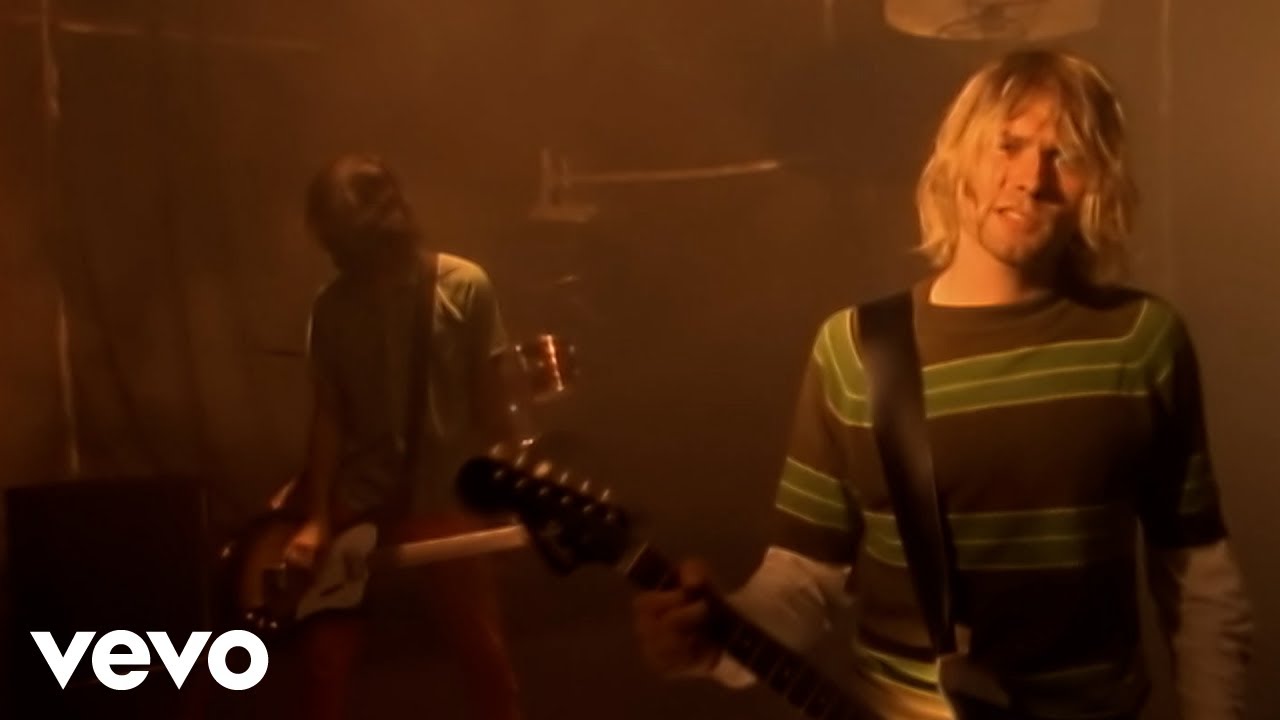
Video thumbnail — Nirvana - Smells Like Teen Spirit (Official Music Video)
Celebrities 1991–1994 peak

Nirvana

Kurt Cobain, Krist Novoselic, and Dave Grohl didn't invent grunge—but their 1991 album Nevermind accidentally blew it up worldwide, displacing Michael Jackson from #1 and making flannel shirts and angst the uniform of the decade.

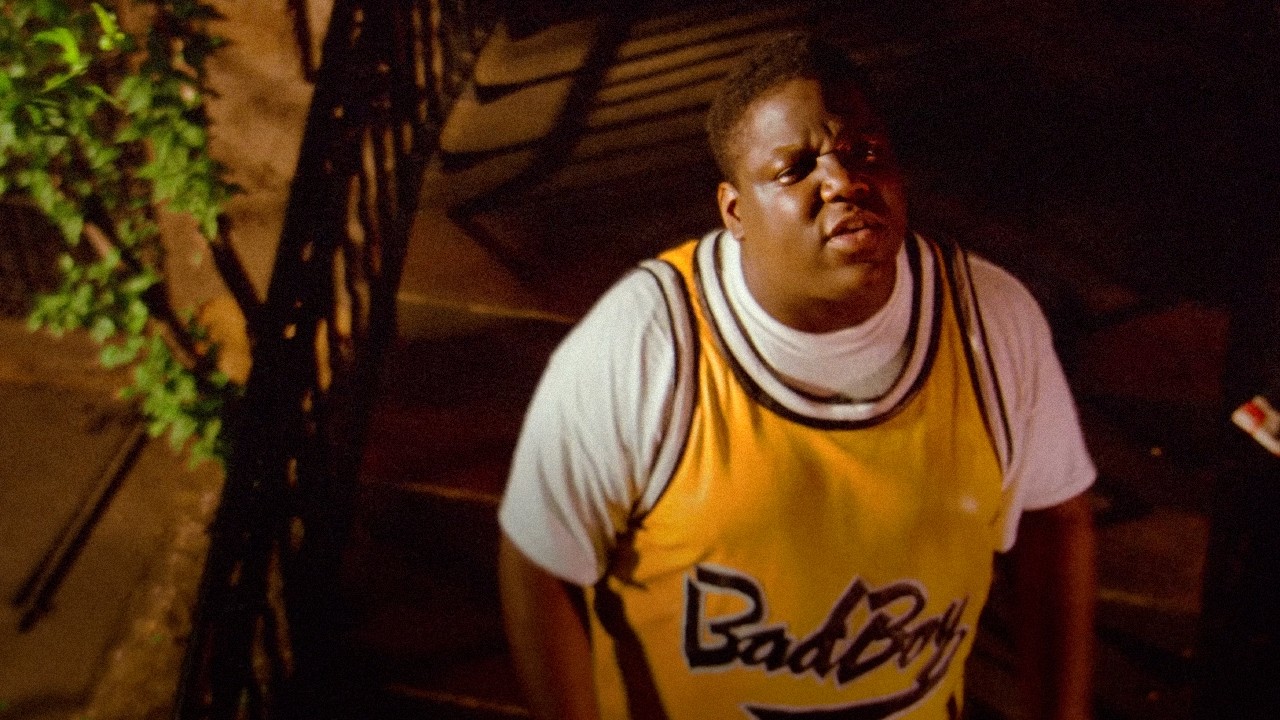
Video thumbnail — The Notorious B.I.G. - Juicy (Official Video) [4K]
Celebrities 1994–1997 peak

The Notorious B.I.G.

Brooklyn's rap king — Christopher Wallace, aka Biggie Smalls — whose effortless flow and vivid street storytelling made him the defining East Coast voice of the mid-90s. His 1997 murder, still unsolved, cut short one of hip-hop's greatest careers at just 24.

Video thumbnail — 1997 PaRappa The Rapper Playstation Commercial
Video Games 1996–1999

PaRappa the Rapper

A paper-thin dog raps his way through karate class, a driving test and a bathroom line to win over a flower-like girl named Sunny Funny — "Kick! Punch! It's all in the mind!" Sony's U.S. arm had a rule against 2D games and released it anyway, and it set the template for a whole genre.

Video thumbnail — Pearl Jam - Even Flow (Official Video)
Celebrities 1991–1996 peak

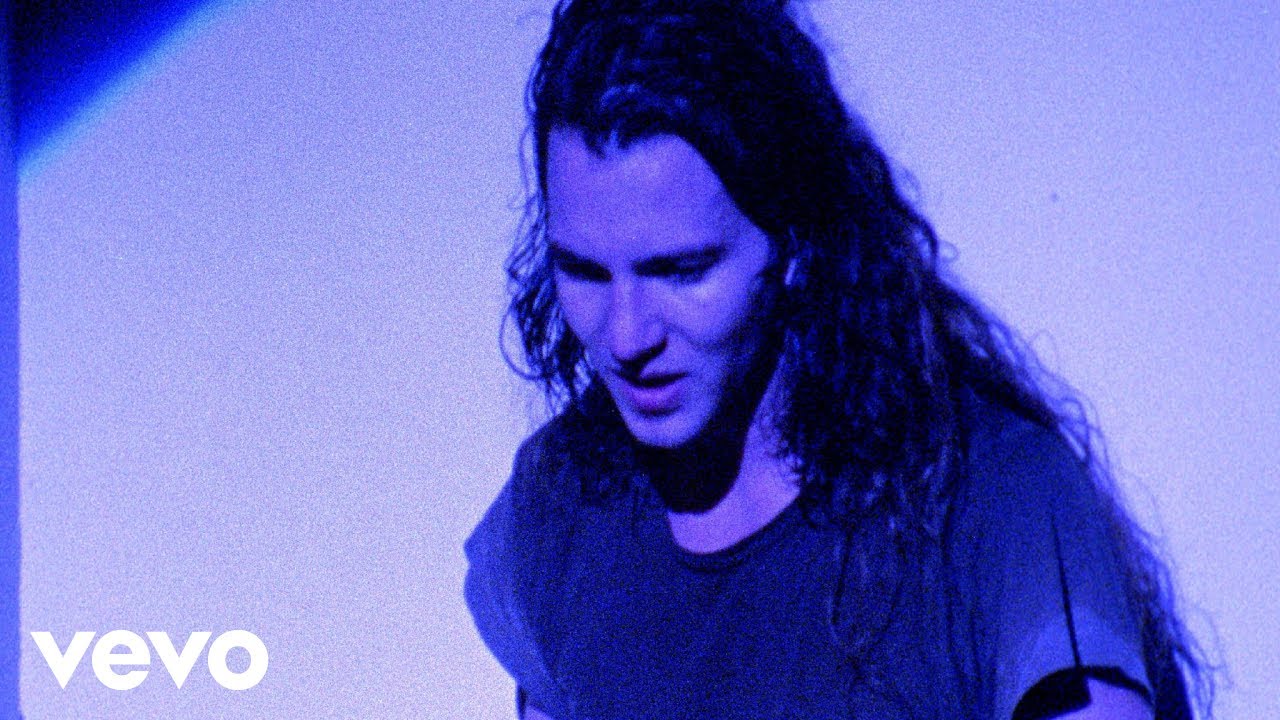
Pearl Jam

Seattle's other grunge titans: Eddie Vedder's baritone over the anthems of Ten, then a career spent actively refusing rock stardom — no more music videos, few interviews, and a one-band war against Ticketmaster.

Video thumbnail — Phish - Down With Disease (official video)
Celebrities 1993–2000 peak

Phish

The Vermont jam band that never had a hit single and never needed one. While the radio played everyone else, Phish built an empire out of marathon two-set shows, fan-taped cassettes traded hand to hand, and festivals so big they were briefly the largest concerts in America.

Video thumbnail — Radiohead - Karma Police
Celebrities 1992–1997 peak

Radiohead

Five schoolmates from Abingdon who went from one self-loathing hit to the album that redefined what a rock band could be. Radiohead's 90s arc — Creep, The Bends, OK Computer — is rock's great escape from one-hit-wonder purgatory.

Video thumbnail — R.E.M. - Losing My Religion (Official HD Music Video)
Celebrities 1991–1997 peak

R.E.M.

From college-radio cult band to the thinking fan's arena colossus — R.E.M. was the bridge between the 1980s underground and the 1990s alternative explosion. "Losing My Religion" and "Everybody Hurts" became anthems for a generation, and the Athens, Georgia quartet proved that you could be smart, cryptic, and absolutely massive all at once.

Video thumbnail — Rihanna - Umbrella (Orange Version) (Official Music Video) ft. JAY-Z
Celebrities 2005–2009 peak

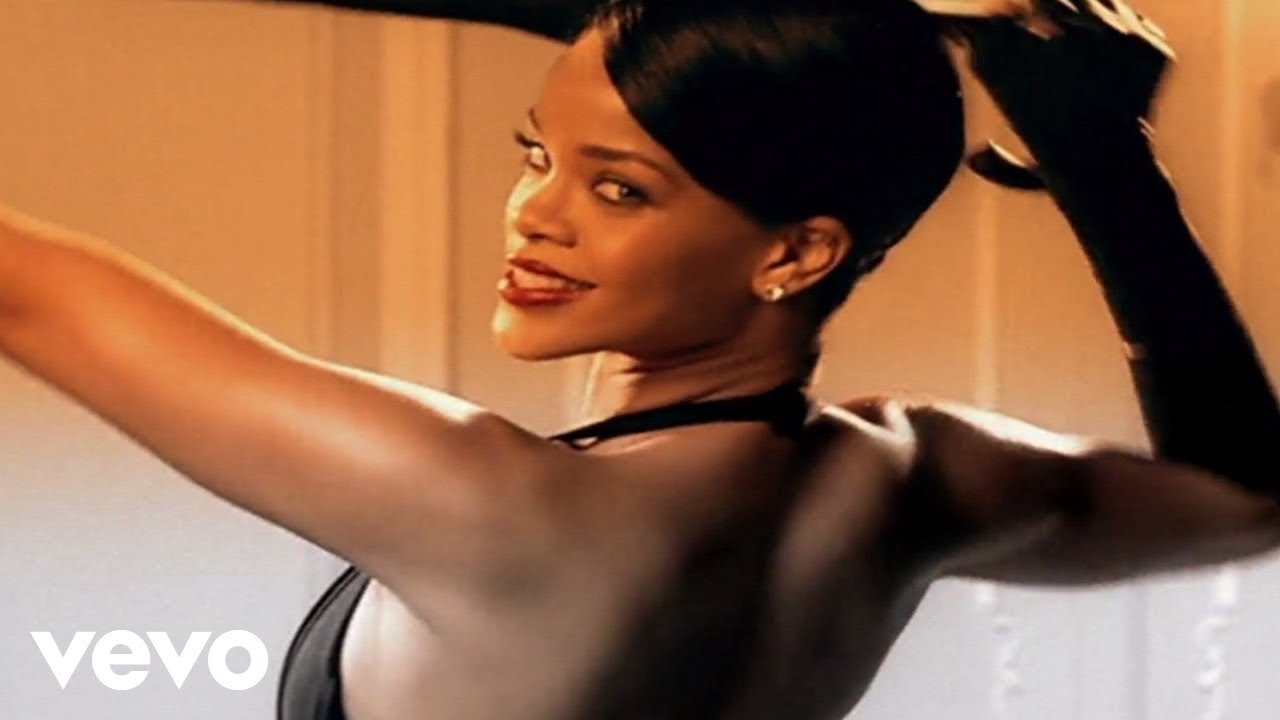
Rihanna

A teenager from Barbados who walked into a New York audition and walked out with a six-album deal, then spent the back half of the 2000s taking over pop radio. From the steel-drum bounce of 'Pon de Replay' to the umbrella-ella-ella hook that owned the summer of 2007, Robyn Rihanna Fenty went from island newcomer to global star before she turned 21.

Video thumbnail — Sheryl Crow - All I Wanna Do
Celebrities 1994–2002 peak

Sheryl Crow

A former Missouri music teacher and Michael Jackson backup singer who broke through in 1994 with "All I Wanna Do," then followed it with "If It Makes You Happy," "Everyday Is a Winding Road" and "Soak Up the Sun." She won nine Grammys along the way.

Video thumbnail — The Backyardigans - Theme Song! w/ Pablo, Uniqua, Tyrone, Tasha & Austin | The Backyardigans
TV 2004–2013

The Backyardigans

Five animal buddies, one magical backyard, and a different musical genre every episode. Created by Janice Burgess for Nickelodeon in 2004, it should have been forgotten years ago — except the soundtrack went so unreasonably hard that TikTok rediscovered it in 2021 and refused to let go.

Video thumbnail — The Cranberries - Zombie (Official Music Video)
Celebrities 1993–1999 peak

The Cranberries

A Limerick band fronted by Dolores O'Riordan's unmistakable keening wail, The Cranberries seemed to come out of nowhere in 1993 and then were impossible to escape — "Linger," "Dreams," and then "Zombie," the stadium-sized protest song that outlived the decade.

Video thumbnail — The Offspring - Pretty Fly (For A White Guy) (Official Music Video)
Celebrities 1994–2000 peak

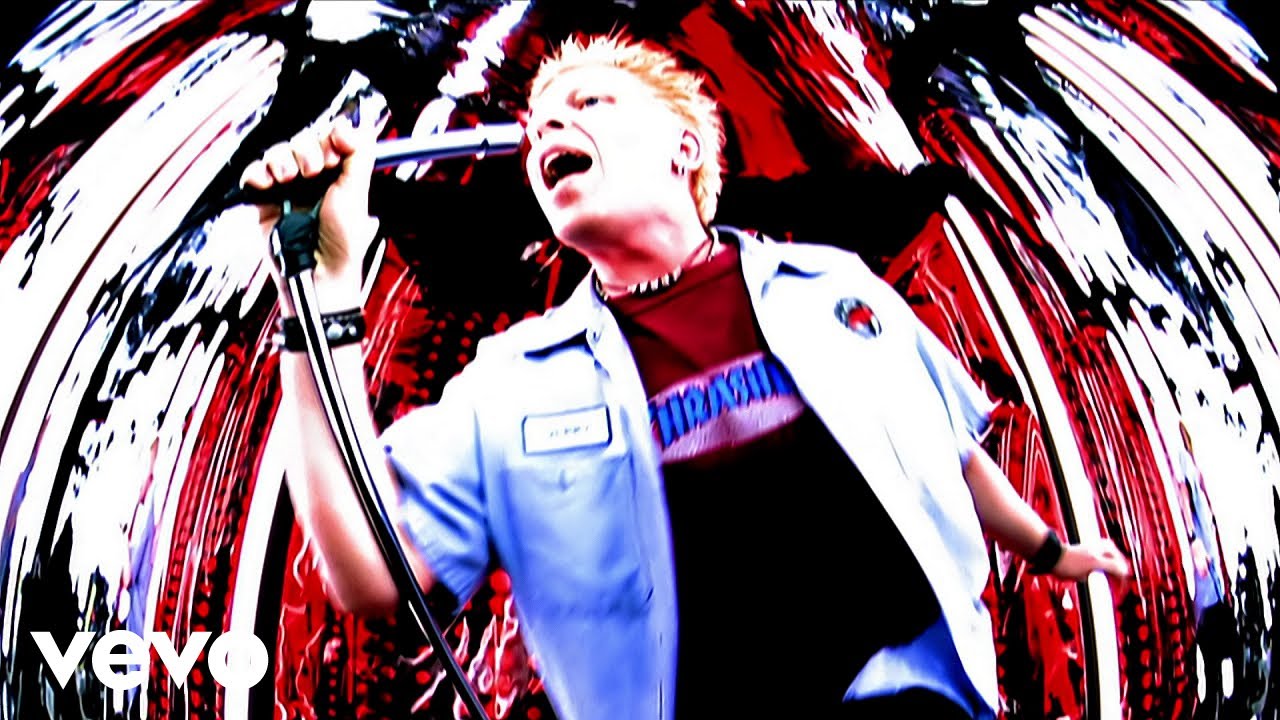
The Offspring

The Orange County lifers who took punk from the underground to total radio domination in one 1994 stroke. Smash became one of the best-selling albums ever released on an independent label, with "Come Out and Play" and "Self Esteem" detonating on modern-rock radio. A second, goofier peak followed with Americana and "Pretty Fly (for a White Guy)." Decades later, frontman Dexter Holland finished a PhD in molecular biology—and the band never stopped touring.

Video thumbnail — TLC - Waterfalls (Official HD Video)
Celebrities 1992–1999 peak

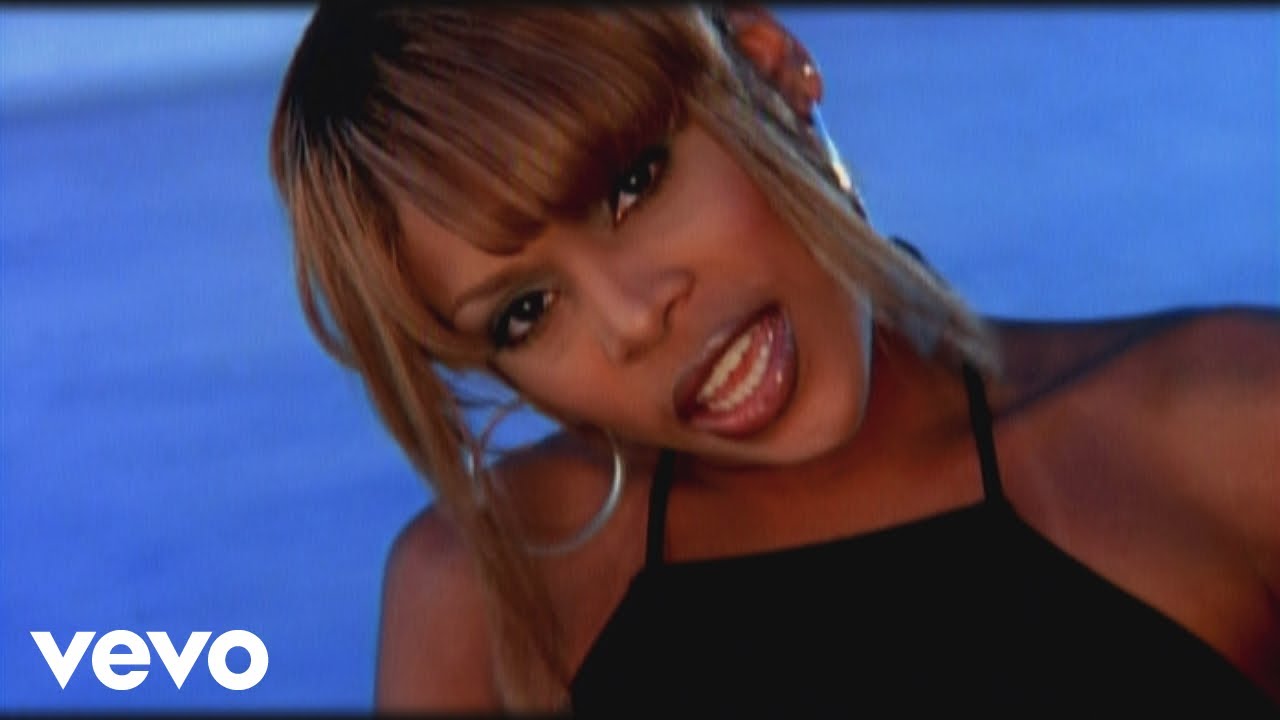
TLC

The best-selling American girl group since the Supremes. T-Boz, Left Eye, and Chilli fused hip-hop, R&B, and a playful safe-sex message into era-defining hits — "Waterfalls," "No Scrubs," "Creep" — in baggy streetwear that a generation copied.

Video thumbnail — 2Pac ft. Dr. Dre and Roger Troutman - California Love (Official Music Video)
Celebrities 1991–1996 peak

Tupac Shakur

Poet, movie star, and the most magnetic voice hip-hop ever produced — Tupac Shakur went from Digital Underground backup dancer to the center of the rap universe in five furious years. Then a Las Vegas drive-by ended his life at 25, and the legend only grew.

Video thumbnail — U2 - One (Official Music Video)
Celebrities 1987–2004 peak

U2

Dublin's titanic arena-rock band, who peaked once in the 1980s and reinvented themselves entirely in the 1990s as ironic multimedia spectacle. The Nineties U2 was fearless—Berlin studios, video walls the size of buildings, prank calls to the White House. They nearly broke up, then wrote "One" and changed everything.

Video thumbnail — 1988 Sony Walkman Commercial (U.S. Version)
Tech 1979–2010

Walkman

Sony's cassette player made music something you carried: foam-pad headphones, a belt clip, and a pocketful of AA batteries it drained by the week. Born in 1979, it was such a default fact of 90s life that 'Walkman' had long since stopped meaning Sony and started meaning the whole idea.

Video thumbnail — Weezer - Buddy Holly (Official Music Video)
Celebrities 1994–2001 peak

Weezer

The Los Angeles band that made being a nerd sound like the coolest thing in the world. The 1994 "Blue Album" and its Spike Jonze videos — the Happy Days-themed "Buddy Holly" chief among them — turned Rivers Cuomo's sweater-clad geek-rock into a generational touchstone.

Video thumbnail — "Weird Al" Yankovic - Amish Paradise (Parody of "Gangsta's Paradise" by Coolio) (HD Version)
Celebrities 1984–1999 peak

"Weird Al" Yankovic

The king of musical parody, Alfred Matthew Yankovic turned accordion jokes and lyrical hijinks into a decade-long MTV empire. He made fun of the songs everyone loved—and everyone watched him do it.

Video thumbnail — Whitney Houston - I Will Always Love You (Official 4K Video)
Celebrities 1985–1998 peak

Whitney Houston

The Voice, no qualifier needed. Whitney Houston arrived in 1985 with a record-breaking debut and never slowed down: seven consecutive #1 singles — still unmatched — and, with The Bodyguard, the best-selling soundtrack of all time. For a stretch of the '90s, she simply was the pop ballad.