Nirvana
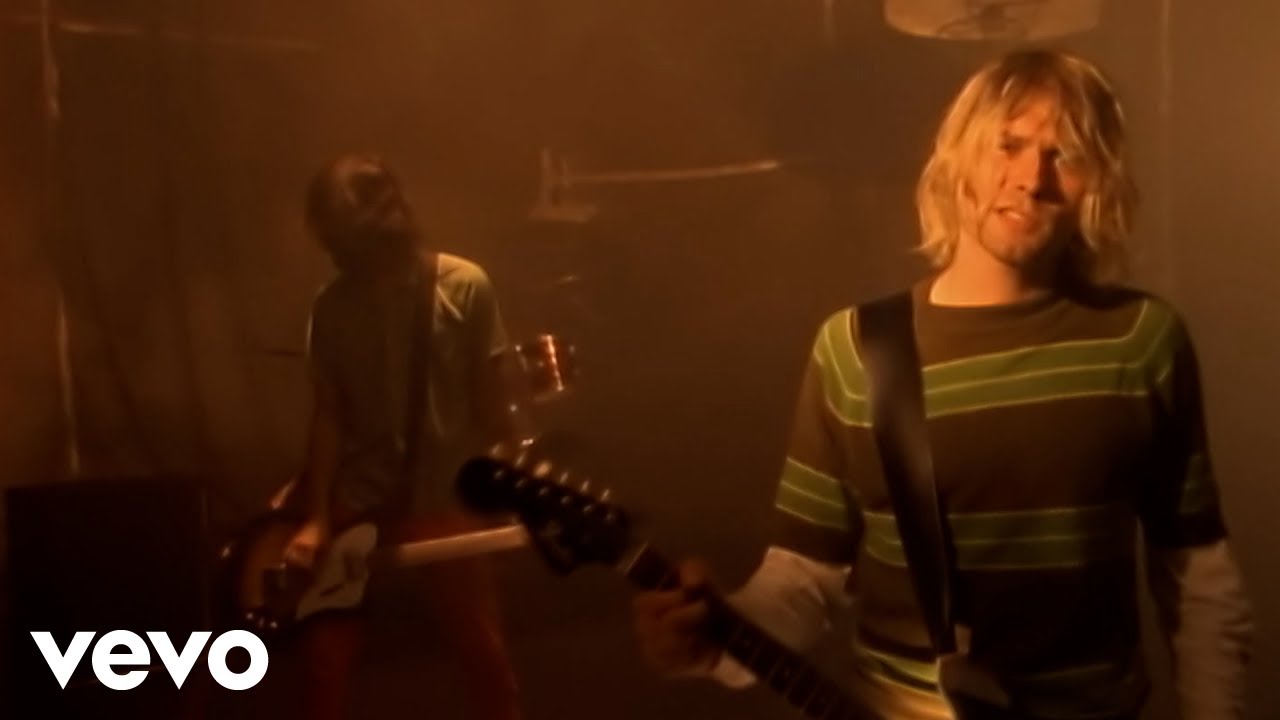
Kurt Cobain, Krist Novoselic, and Dave Grohl didn't invent grunge—but their 1991 album Nevermind accidentally blew it up worldwide, displacing Michael Jackson from #1 and making flannel shirts and angst the uniform of the decade.
Nirvana formed in 1987 in Aberdeen, Washington, by Kurt Cobain and bassist Krist Novoselic, two working-class kids with punk rage and melodic sensibility. Drummer Dave Grohl joined in 1990, completing the classic lineup just as the band prepared to record what would become their masterpiece. Nevermind was released on September 24, 1991, to modest expectations; it climbed the Billboard 200 slowly until January 1992, when it unexpectedly hit #1, displacing Michael Jackson's Dangerous in a symbolic generational shift. The album's lead single, 'Smells Like Teen Spirit,' with its grinding guitar riff and Cobain's anguished, almost talk-singing vocals, became the defining song of the decade and an anthem for an entire generation of alienated teenagers.
Nirvana released In Utero in September 1993 to critical acclaim and commercial success (#1 debut), confirming that grunge and Nirvana's particular brand of raw, introspective rock were not passing trends. They recorded MTV Unplugged in New York in November 1993 (released November 1994), an acoustic, stripped-down performance that showcased Cobain's songwriting intelligence and devastating vulnerability. The band fractured as Cobain struggled publicly with addiction and depression; he died by suicide on April 5, 1994, at age 27, becoming the most visible casualty of grunge's darker underbelly and a permanent symbol of the decade's contradictions. Nirvana's brief, incandescent career redefined rock music and the entire cultural landscape of the 1990s.
Similar items

MTV
MTV's 1990s golden era transformed the channel from music-video jukebox into a cultural force, with Total Request Live (TRL), The Real World, Beavis and Butt-Head, MTV Unplugged, and a rotation of music videos that defined the decade's soundtrack. Music Television delivered exactly what it promised: a place where youth culture, music, and rebellion converged on cable.

Tattoo Chokers
The tight, lace-patterned plastic necklace that mimicked a hand-drawn tattoo band—one size fits all, no clasp, just stretch it over your head and let it snap snug. Worn by Kate Moss, Drew Barrymore, Gwen Stefani, and every kid with an allowance, the choker's actual origin is lost to history, and it simply appeared everywhere at once.

R.E.M.
From college-radio cult band to the thinking fan's arena colossus — R.E.M. was the bridge between the 1980s underground and the 1990s alternative explosion. "Losing My Religion" and "Everybody Hurts" became anthems for a generation, and the Athens, Georgia quartet proved that you could be smart, cryptic, and absolutely massive all at once.

"Weird Al" Yankovic
The king of musical parody, Alfred Matthew Yankovic turned accordion jokes and lyrical hijinks into a decade-long MTV empire. He made fun of the songs everyone loved—and everyone watched him do it.