Green Day — Dookie
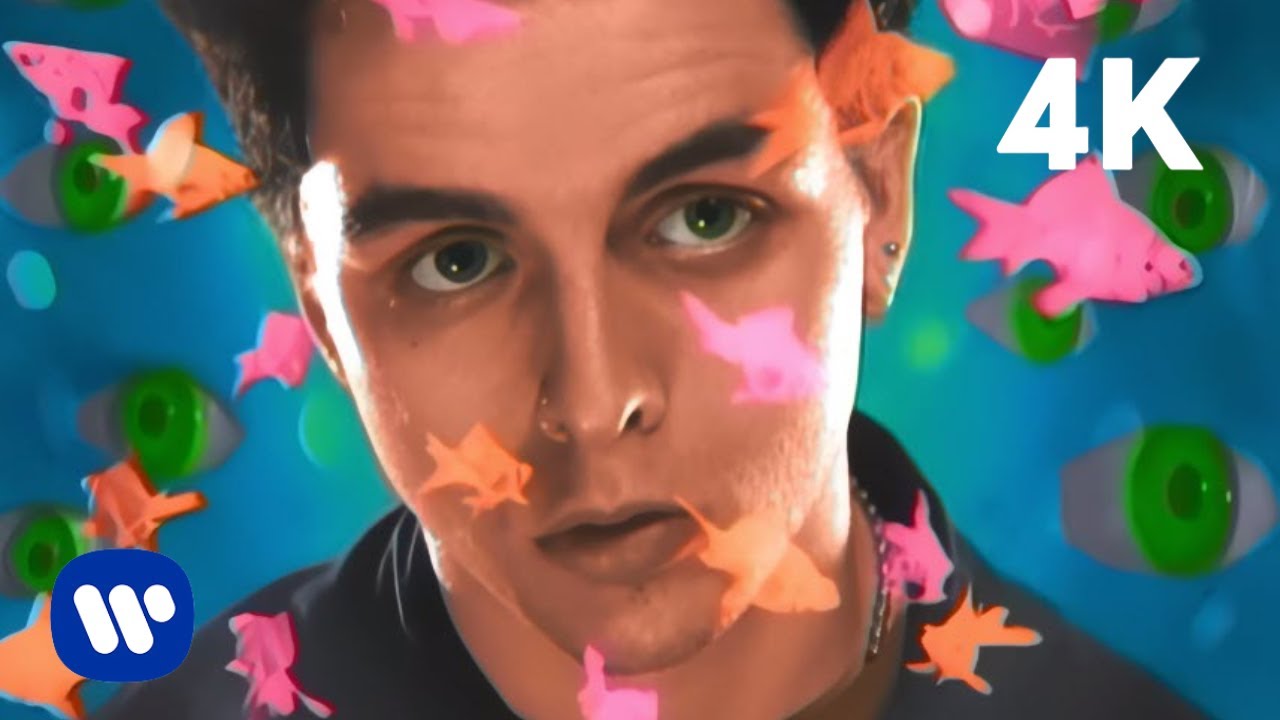
Green Day's major-label debut smashed punk into the mainstream with three-minute anthems of suburban ennui. Released February 1, 1994, "Longview," "Basket Case," and "When I Come Around" dragged pop-punk from a Bay Area garage to every suburban bedroom in America.
Produced by Rob Cavallo, Dookie arrived on Reprise Records on February 1, 1994, with Billie Joe Armstrong (vocals/guitar), Mike Dirnt (bass), and Tré Cool (drums) as the perfect pop-punk storm. The album's first single, "Longview," was a slacker anthem about lying on a couch and feeling nothing; "Basket Case" captured anxiety as nervous energy; "When I Come Around" became the song that defined the decade's everyman aesthetic—jeans, attitude, and deeply relatable dissatisfaction.
Green Day's infamous Woodstock '94 mud-fight performance (aired endlessly on MTV) turned them into counterculture icons overnight. Dookie won the 1995 Grammy for Best Alternative Music Performance and went diamond in the US (10+ million copies) with roughly 20 million sold worldwide. What started as three kids from the East Bay punk scene became the defining sound of 90s youth culture—proof that you didn't need to be clever or experimental to matter, just honest and loud.
Similar items
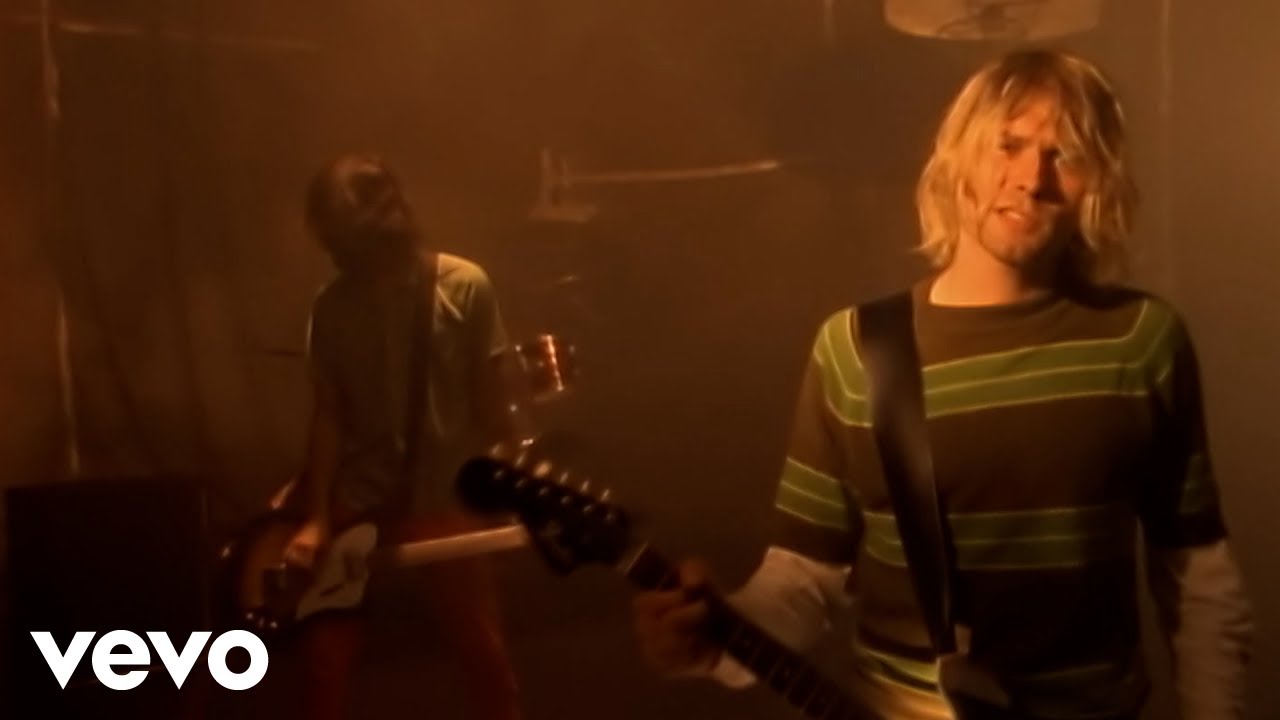
Nirvana
Kurt Cobain, Krist Novoselic, and Dave Grohl didn't invent grunge—but their 1991 album Nevermind accidentally blew it up worldwide, displacing Michael Jackson from #1 and making flannel shirts and angst the uniform of the decade.

MTV
MTV's 1990s golden era transformed the channel from music-video jukebox into a cultural force, with Total Request Live (TRL), The Real World, Beavis and Butt-Head, MTV Unplugged, and a rotation of music videos that defined the decade's soundtrack. Music Television delivered exactly what it promised: a place where youth culture, music, and rebellion converged on cable.

JNCO Jeans
JNCO jeans were the uniform of 90s youth rebellion: outrageously baggy denim with cavernous pockets so deep you could lose a Walkman, decorated with zipper details and an attitude that rejected traditional fit. If you weren't tripping over your cuffs or making those pockets jingle, you weren't dressed for the decade.
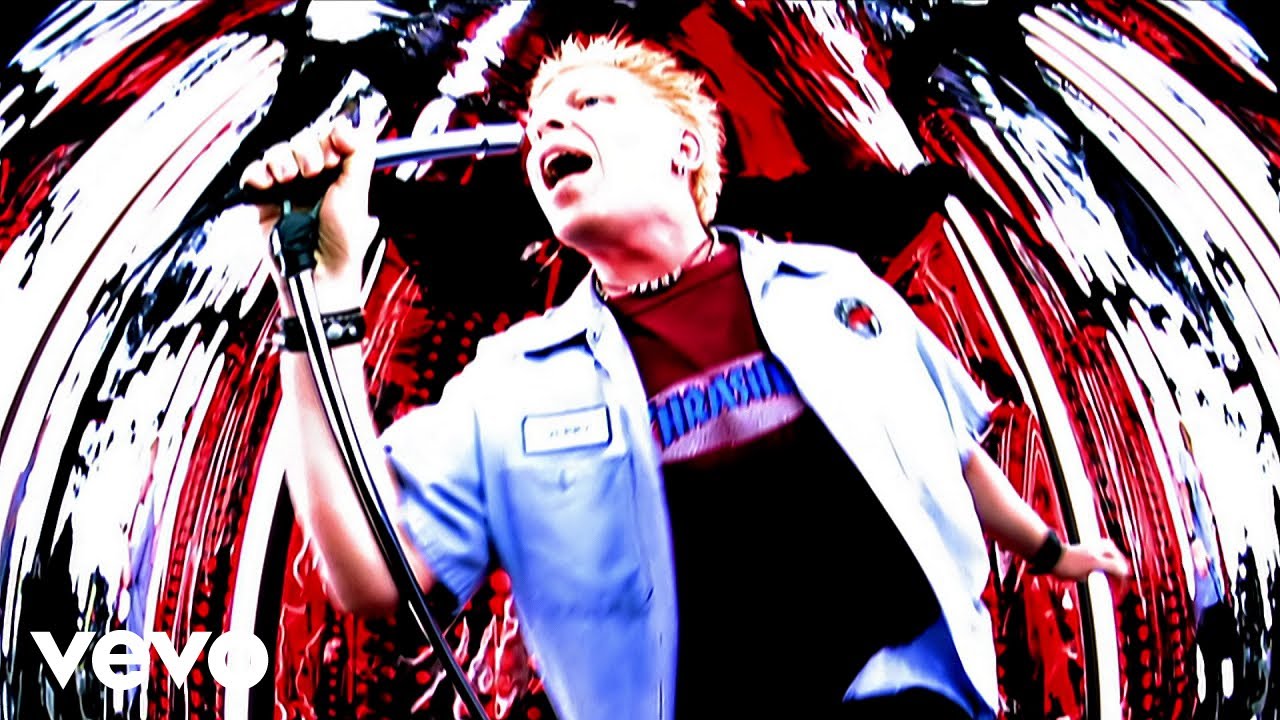
The Offspring
The Orange County lifers who took punk from the underground to total radio domination in one 1994 stroke. Smash became one of the best-selling albums ever released on an independent label, with "Come Out and Play" and "Self Esteem" detonating on modern-rock radio. A second, goofier peak followed with Americana and "Pretty Fly (for a White Guy)." Decades later, frontman Dexter Holland finished a PhD in molecular biology—and the band never stopped touring.