50 Cent
The Queens mixtape king who survived being shot nine times, got signed by Eminem and Dr. Dre, and turned his bulletproof origin story into one of the biggest rap debuts of the decade. For a few years in the mid-2000s, 'In da Club' and 'Get Rich or Die Tryin'' were everywhere, and 50 Cent was the most bankable name in hip-hop.
Curtis James Jackson III, born July 6, 1975, and raised in the South Jamaica section of Queens, New York, built his name on the mixtape circuit before he was famous. On May 24, 2000, he was shot nine times at close range with a 9mm handgun — wounds to his hand, arm, hip, both legs, chest, and left cheek — spent 13 days in the hospital, and recovered fully after about five months. The survival story became the foundation of his myth.
In 2002, Eminem heard the 'Guess Who's Back?' mixtape and signed Jackson to Shady Records in a reported $1 million deal, pairing him with producer Dr. Dre. His debut album, 'Get Rich or Die Tryin'' (2003), entered the chart at No. 1 and sold 872,000 copies in its first four days. Its lead single 'In da Club,' produced by Dr. Dre, became his first No. 1 and stayed atop the Billboard Hot 100 for nine consecutive weeks.
The follow-up, 'The Massacre' (2005), moved 1.14 million copies in four days and held No. 1 for six weeks, while his G-Unit crew and label spun off its own hits. His biggest windfall wasn't music at all: as a minority shareholder in the drink brand Glacéau, he reportedly earned around $100 million after taxes when Coca-Cola bought the company for $4.1 billion in 2007. That September brought a public sales duel with Kanye West — 50's 'Curtis' versus West's 'Graduation' — which West won; 'Curtis' debuted at No. 2 with 691,000 first-week copies, and the loss marked the tilt of the mid-2000s peak.
Similar items

50 Cent — Get Rich or Die Tryin'
50 Cent's explosive 2003 debut album, released on Eminem's and Dr. Dre's labels (Shady/Aftermath/Interscope), became one of the best-selling albums of the era. Anchored by massive hits like "In da Club," "21 Questions," and "P.I.M.P.," the album announced 50 Cent as a superstar and defined early 2000s rap radio. His backstory — surviving being shot nine times — became central to his larger-than-life persona.
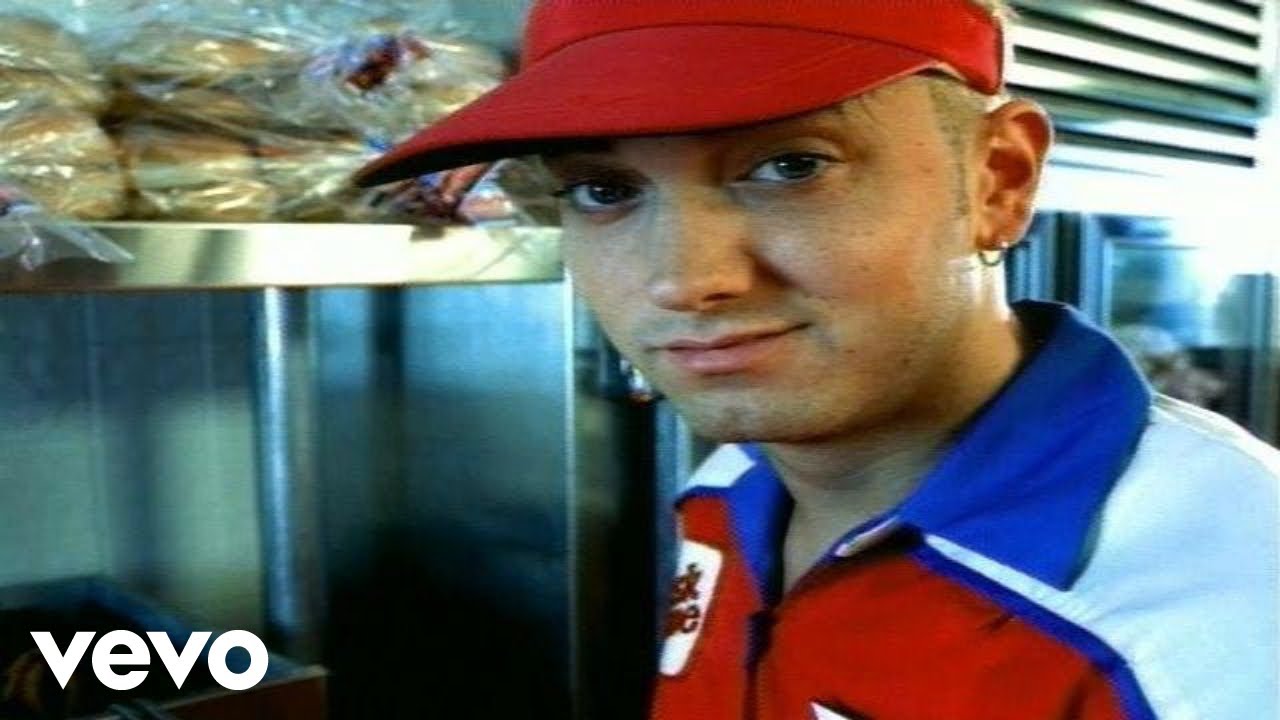
Eminem
Marshall Mathers from Detroit, a white rapper in a Black art form, exploded into stardom with shock-rap alter ego Slim Shady and relentless rhymes. The blond buzzcut, unapologetic controversy, Dr. Dre mentorship, and hits like 'Stan' and 'The Real Slim Shady' made him the biggest and most polarizing star in music during the early 2000s.

Jay-Z
Shawn Corey Carter rose from Marcy Projects hustler to rap's defining CEO, making the 2000s the decade when hip-hop conquered the boardroom. His Imperial period—from Hard Knock Life through The Black Album and beyond—turned street rap into stadium singalongs and Grammy gold. Jay-Z didn't just make hits; he made an industry, proving rappers could own their own records and empires. The 2000s belonged to him.
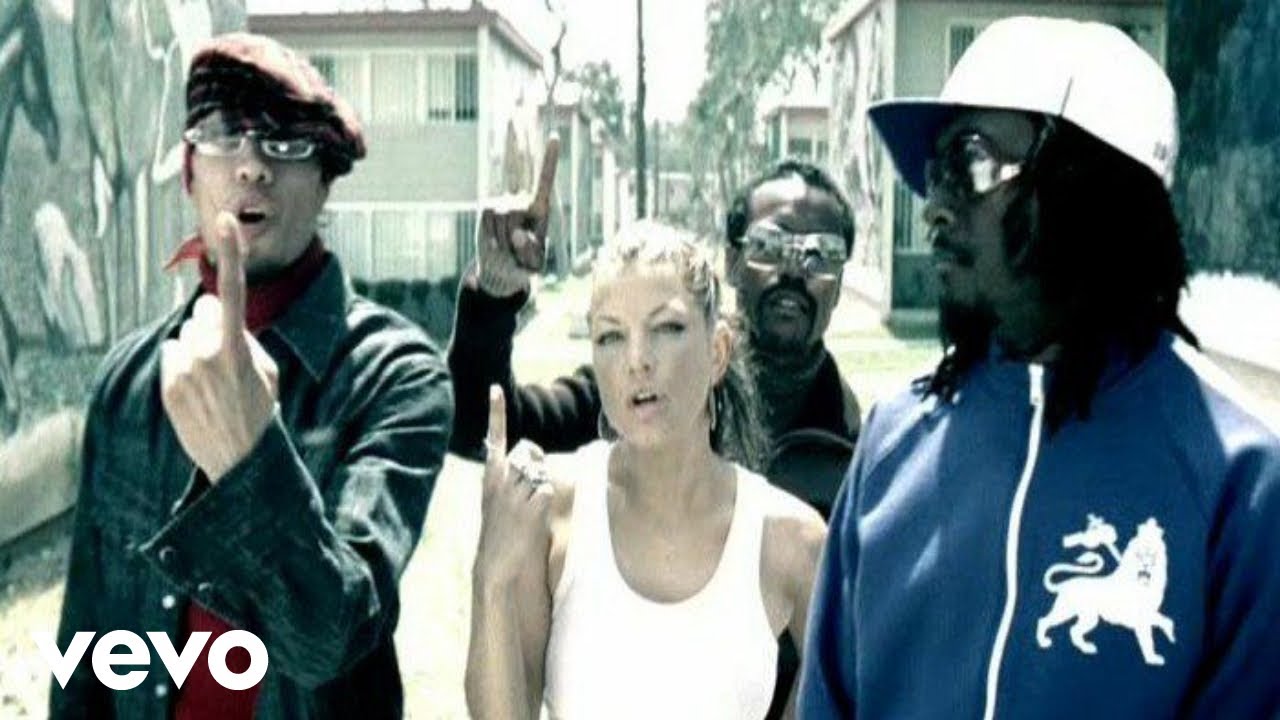
Black Eyed Peas
An underground L.A. hip-hop crew added a singer named Fergie and became the sound coming out of every speaker in the 2000s. From "Where Is the Love?" to "I Gotta Feeling," the Black Eyed Peas owned graduation parties, sports arenas, and wedding dance floors for the better part of a decade.