Oasis — (What's the Story) Morning Glory?
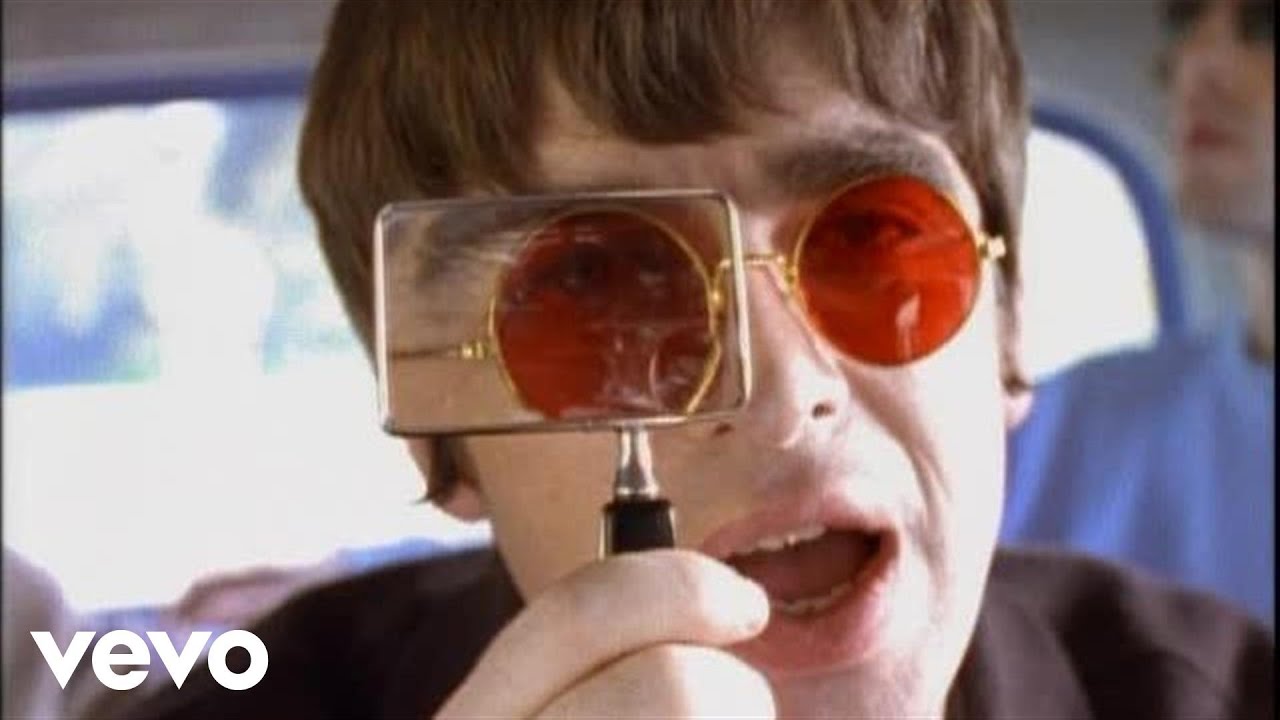
Oasis's second album was the sound of the 1990s reaching critical mass: brothers Noel (songwriter, deadpan guitar) and Liam (arrogant vocals) Gallagher channeling The Beatles, bombast, and Manchester swagger into 12 tracks that became anthems. One of the best-selling albums ever, it made Oasis briefly the biggest rock band on Earth.
Released on October 2, 1995, by Creation Records, (What's the Story) Morning Glory? arrived at Britpop's fever pitch, when the UK media framed every chart position as Oasis versus Blur—sibling band psychodrama staged as cultural war. The album's biggest singles—"Wonderwall," "Don't Look Back in Anger," "Champagne Supernova"—each had MTV hooks and stadium ambitions, proving that arena rock wasn't dead — it was just British now.
The album sold over 22 million copies worldwide and made Oasis the go-to symbol of 90s rock excess: tour chaos, tabloid feuds, sibling warfare, and a sound that felt inevitable and impossible simultaneously. Its dominance was brief—the Gallaghers' chemistry fractured within years—but Morning Glory's imprint on 90s culture never faded, cementing it as one of the best-selling albums in history.
Similar items
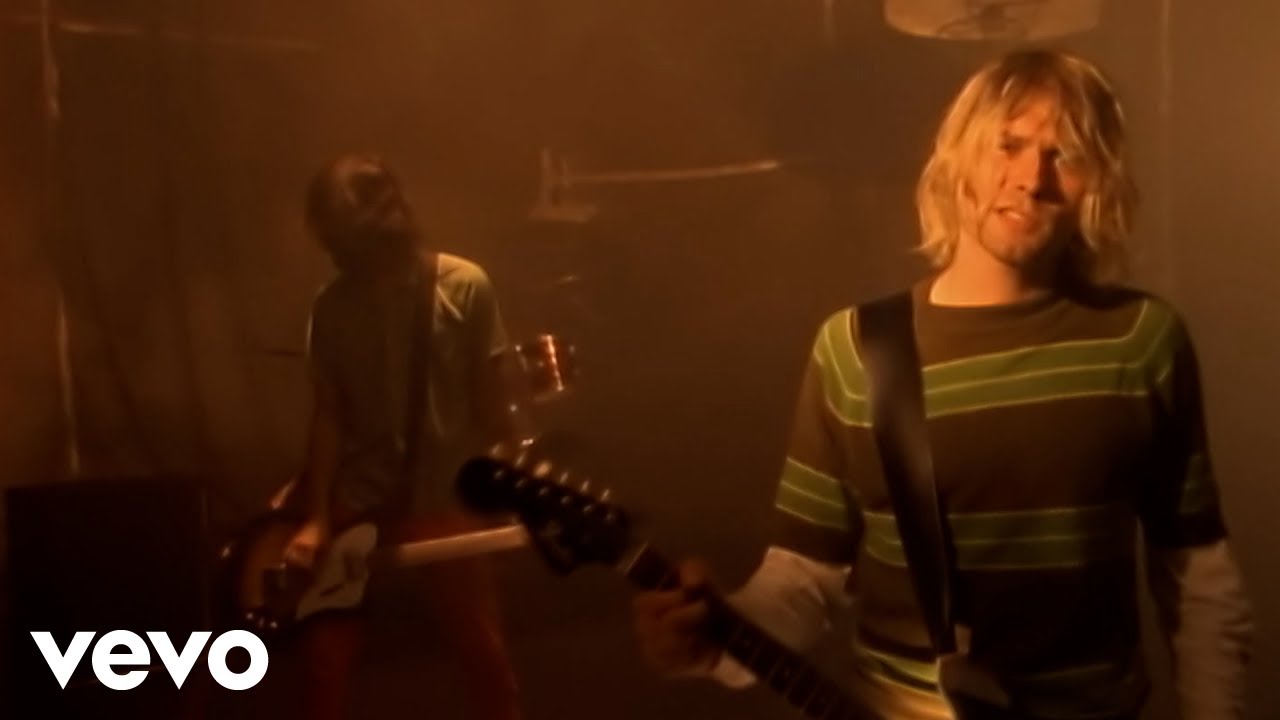
Nirvana
Kurt Cobain, Krist Novoselic, and Dave Grohl didn't invent grunge—but their 1991 album Nevermind accidentally blew it up worldwide, displacing Michael Jackson from #1 and making flannel shirts and angst the uniform of the decade.

MTV
MTV's 1990s golden era transformed the channel from music-video jukebox into a cultural force, with Total Request Live (TRL), The Real World, Beavis and Butt-Head, MTV Unplugged, and a rotation of music videos that defined the decade's soundtrack. Music Television delivered exactly what it promised: a place where youth culture, music, and rebellion converged on cable.
![Video thumbnail — Green Day - Basket Case [Official Music Video] (4K Upgrade)](https://i.ytimg.com/vi/NUTGr5t3MoY/maxresdefault.jpg)
Green Day — Dookie
Green Day's major-label debut smashed punk into the mainstream with three-minute anthems of suburban ennui. Released February 1, 1994, "Longview," "Basket Case," and "When I Come Around" dragged pop-punk from a Bay Area garage to every suburban bedroom in America.
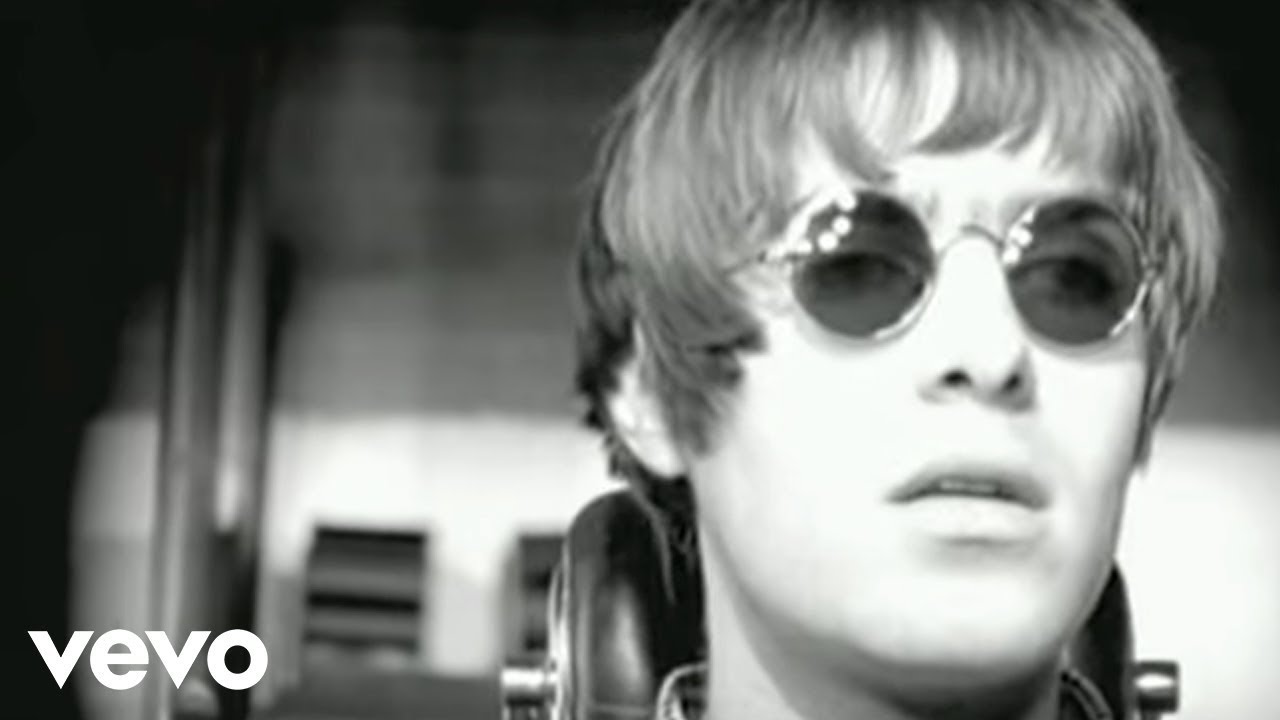
Wonderwall
Today is gonna be the day. A few strums into any acoustic guitar within earshot of a campfire, and everybody knows what's coming. Oasis's 1995 anthem became Britpop's biggest export, America's one Oasis moment, and the song guitar shops learned to dread.